Is Carrot Juice Sweet? The Ultimate Guide
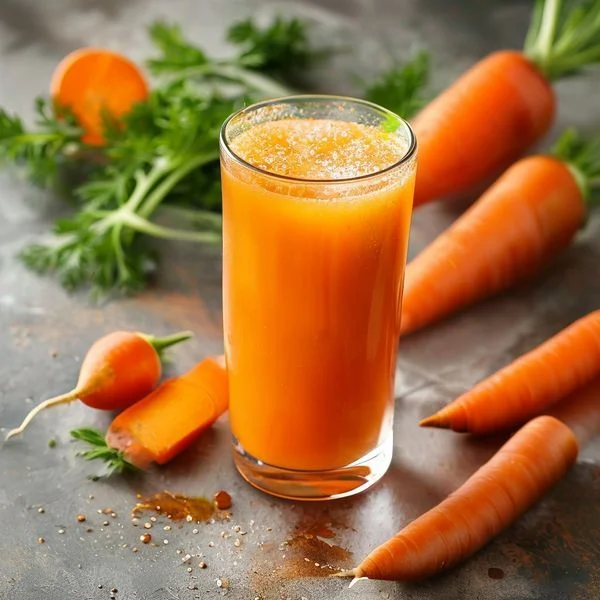
Yes, carrot juice is remarkably sweet, often described as having a mild, earthy, and sugary profile. Carrots contain one of the highest sugar contents of any root vegetable, primarily consisting of sucrose, glucose, and fructose. When juiced, the fiber is removed, concentrating these natural sugars and making the liquid an excellent natural sweetener for both beverages and decadent desserts like cakes and glazes.

Why Is Carrot Juice Naturally Sweet?
The inherent sweetness of carrot juice is not an accident of nature; it is a result of the plant’s biological makeup. Unlike many other vegetables that are prized for their savory or bitter notes, carrots are starch-storing machines. As the carrot grows in the ground, it converts light energy into complex carbohydrates and eventually into simple sugars. When you extract the juice, you are essentially creating a nectar that highlights these sugars. Most fresh carrot juices have a Brix rating—a measurement used to determine sugar content in liquids—that rivals some fruits, though it remains balanced by an earthy undertone that prevents it from being cloying.
In the culinary world, particularly in the realm of desserts, this sweetness is a powerful tool. When you incorporate carrot juice into a batter that includes flour and sugar, you aren’t just adding moisture; you are layering the flavor profile. The natural sugars in the juice undergo caramelization when exposed to heat, which enhances the depth of a baked good. This is why carrot juice is frequently used as a base for syrups or as a replacement for milk or water in sponge recipes. It provides a vibrant orange hue and a subtle honey-like quality that complements other dessert staples such as vanilla extract and warm spices like cinnamon and nutmeg.
Furthermore, the variety of the carrot used significantly impacts the final sweetness. “Nantes” or “Imperator” varieties are often preferred by bakers because they have a higher sugar-to-acid ratio. When these are juiced, the liquid is so sweet that you can often reduce the amount of granulated sugar required in your recipe, making the dessert slightly more wholesome without sacrificing the indulgent mouthfeel expected from a high-quality treat.
How to Use Carrot Juice in Dessert Baking
If you want to harness the natural sweetness of carrot juice in your baking, it is important to treat it with the same precision as any other liquid ingredient. Because carrot juice contains its own solids and sugars, it interacts with leavening agents like baking powder differently than plain water would. Follow these steps to create a carrot-juice-infused dessert base that is moist, sweet, and structurally sound.

- Prepare the Juice Reduction: To maximize the sweetness and color, simmer two cups of fresh carrot juice in a saucepan over medium heat until it reduces to one cup. This concentrates the sugars and prevents the batter from becoming too thin. Allow it to cool completely before using.
- Cream the Fat and Sugar: In a large bowl, beat softened butter with your choice of sugar until the mixture is pale and fluffy. This step creates air pockets that will later be expanded by the baking powder during the bake.
- Emulsify the Liquids: Slowly incorporate eggs one at a time, followed by a generous splash of vanilla extract. Gradually pour in your cooled carrot juice reduction, whisking gently to ensure the fat and liquid do not separate.
- Sift the Dry Ingredients: Sift together your all-purpose flour, salt, and baking powder. Folding these in manually rather than using a high-speed mixer will keep the dessert tender and prevent the gluten from overdeveloping.
- Bake and Cool: Pour the batter into a prepared pan and bake until a toothpick comes out clean. The natural sugars in the carrot juice will help the edges brown beautifully.
- Finish with Toppings: Once cooled, you can top your creation with a traditional frosting. If you prefer something lighter, a dollop of unsweetened whipped cream provides a perfect contrast to the juice’s natural sweetness.
This method allows the carrot flavor to shine through in a sophisticated way, moving beyond the traditional grated carrot texture found in classic carrot cakes. Using the juice provides a smoother crumb that is ideal for elegant tiered cakes or delicate cupcakes.
Important Considerations for Working with Carrot Juice
While the sweetness of carrot juice is an asset, there are several factors to keep in mind to ensure your desserts turn out perfectly every time. One major consideration is the acidity level. Carrot juice is relatively low in acid, which means it doesn’t react as vigorously with baking soda as citrus juices might. For this reason, always ensure your baking powder is fresh, as it will be the primary source of lift in your carrot-infused bakes.
Another factor is the interaction between the juice and the icing or frosting you choose. Because carrot juice has such a distinct, earthy sweetness, it pairs best with fats that have a slight tang. A cream cheese frosting is the gold standard for a reason; the acidity of the cheese cuts through the sugar of the juice. If you are using a simple icing made of powdered sugar and water, consider adding a drop of lemon juice to balance the palate.
Lastly, be mindful of oxidation. Fresh carrot juice can turn from a vibrant orange to a dull brownish hue if left out for too long. If you are making a glaze or a thin icing using the juice, prepare it right before serving. If you are incorporating it into a butter-based batter, the heat of the oven will stabilize the color, but the addition of a little acid (like lemon juice or cream of tartar) can help keep those colors bright and appealing.
- For an ultra-luxurious topping, fold a few tablespoons of carrot juice reduction into your whipped cream for a natural pastel-orange tint and subtle sweetness.
- Always strain your juice through a fine-mesh sieve before adding it to flour mixtures to ensure no pulp ruins the smooth texture of your cake.
- If your frosting feels too sweet, a pinch of salt can help highlight the earthy notes of the carrot juice rather than just the sugar.
Final Thoughts on Carrot Juice Sweetness
In conclusion, carrot juice is an incredibly sweet and versatile ingredient that deserves a spot in every baker’s pantry. Its ability to provide natural sugar, moisture, and a stunning golden color makes it a superior alternative to plain liquids in many dessert recipes. Whether you are whisking it into a batter with butter and vanilla extract or using it to flavor a delicate icing, it offers a complexity that refined sugar alone cannot match. By understanding how to balance its earthy sweetness with the right fats and leavening agents, you can create professional-grade desserts that are as flavorful as they are beautiful.
❓ Frequently Asked Questions
1
How long does carrot juice last in fridge?
Fresh carrot juice typically lasts for 48 to 72 hours in the refrigerator. To maximize shelf life and preserve its sweet flavor, store it in a sealed glass container immediately after juicing. If the juice begins to smell sour or loses its bright orange color, it should be discarded.
2
Can I make carrot juice desserts ahead of time?
Yes, desserts made with carrot juice, such as muffins or tea cakes, can be made 1-2 days in advance. The moisture from the juice actually helps the dessert stay tender. Store them in an airtight container at room temperature or in the fridge to keep the crumb moist.
3
What can I substitute for carrot juice?
If you lack carrot juice, you can substitute it with pumpkin puree or sweet potato juice for a similar sweetness. However, you may need to adjust the amount of flour or butter in your recipe to account for the difference in liquid consistency and natural sugar levels.
4
How do I know when a carrot juice cake is done?
Insert a toothpick into the center of the cake; if it comes out clean or with just a few moist crumbs, it is finished. Because carrot juice adds significant moisture, ensure the baking powder is fresh so the cake rises properly and doesn’t become too dense or gummy.
5
Can I freeze carrot juice?
You can freeze carrot juice for up to three months. Pour the juice into airtight containers or ice cube trays, leaving space for expansion. While freezing preserves the juice for future baking projects using flour and sugar, the texture may change slightly, so it is best used in cooked recipes.