Substitute for V8 Juice: Best Homemade Recipe
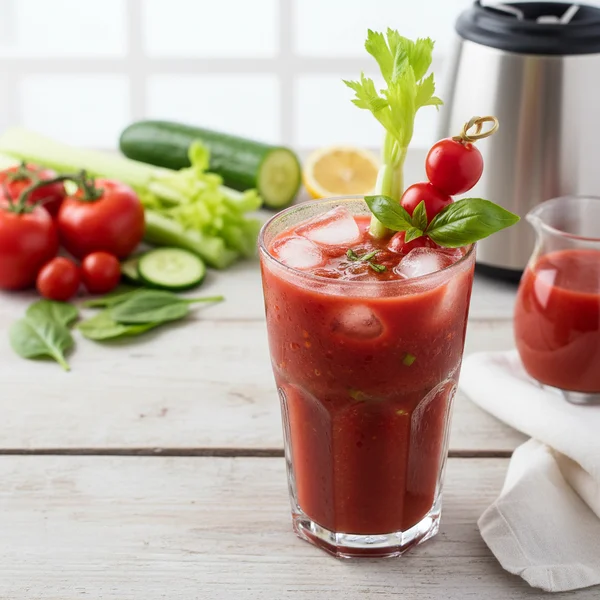
Finding the perfect substitute for v8 juice doesn’t mean you have to settle for a bland alternative. In fact, making your own vegetable blend at home allows you to capture a level of freshness and vibrancy that canned options simply cannot replicate. This homemade beverage is a nutritional powerhouse, bursting with the earthy sweetness of carrots and beets, the crisp brightness of celery, and the deep, savory foundation of vine-ripened tomatoes. Whether you are looking for a morning pick-me-up or a hydrating afternoon snack, this recipe offers a refreshing profile that is both deeply satisfying and incredibly healthy. You will love how the flavors pop when they are freshly pulverized, creating a chilled drink that feels like a garden in a glass. This version is especially great for those who want to control their sodium intake while maximizing their daily vegetable servings.
- ⏱️ Prep Time: 10 minutes
- 🍳 Cook Time: 0 minutes
- 👥 Servings: 2 servings
- 📊 Difficulty: Easy
Ingredients for the Ultimate Vegetable Blend
To create a high-quality substitute for v8 juice, you need a balance of savory, sweet, and acidic components. This list provides the perfect ratios for two large servings.
- • 4 large, ripe Roma tomatoes, quartered
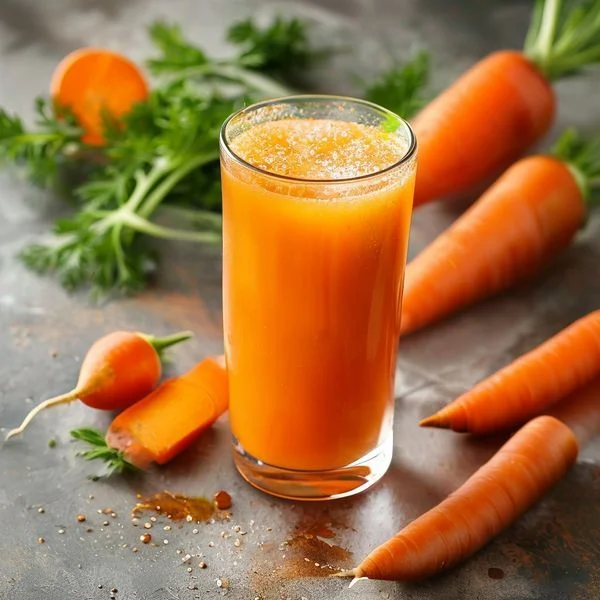
- • 2 medium carrots, peeled and sliced into rounds
- • 2 stalks of celery, including the leafy tops
- • 1/2 small red beet, peeled and diced (for that iconic deep red color)
- • 1/2 red bell pepper, seeds and ribs removed
- • 1/2 cup fresh spinach leaves, packed
- • 1 tablespoon fresh lemon juice
- • 1/2 teaspoon Worcestershire sauce (or coconut aminos for a vegan version)
- • 1/4 teaspoon sea salt (adjust to your preference)
- • 1/4 teaspoon freshly cracked black pepper
- • A few dashes of hot sauce (optional for a spicy kick)
- • 1/2 cup filtered water or ice cubes to reach your desired consistency
Step-by-Step Instructions
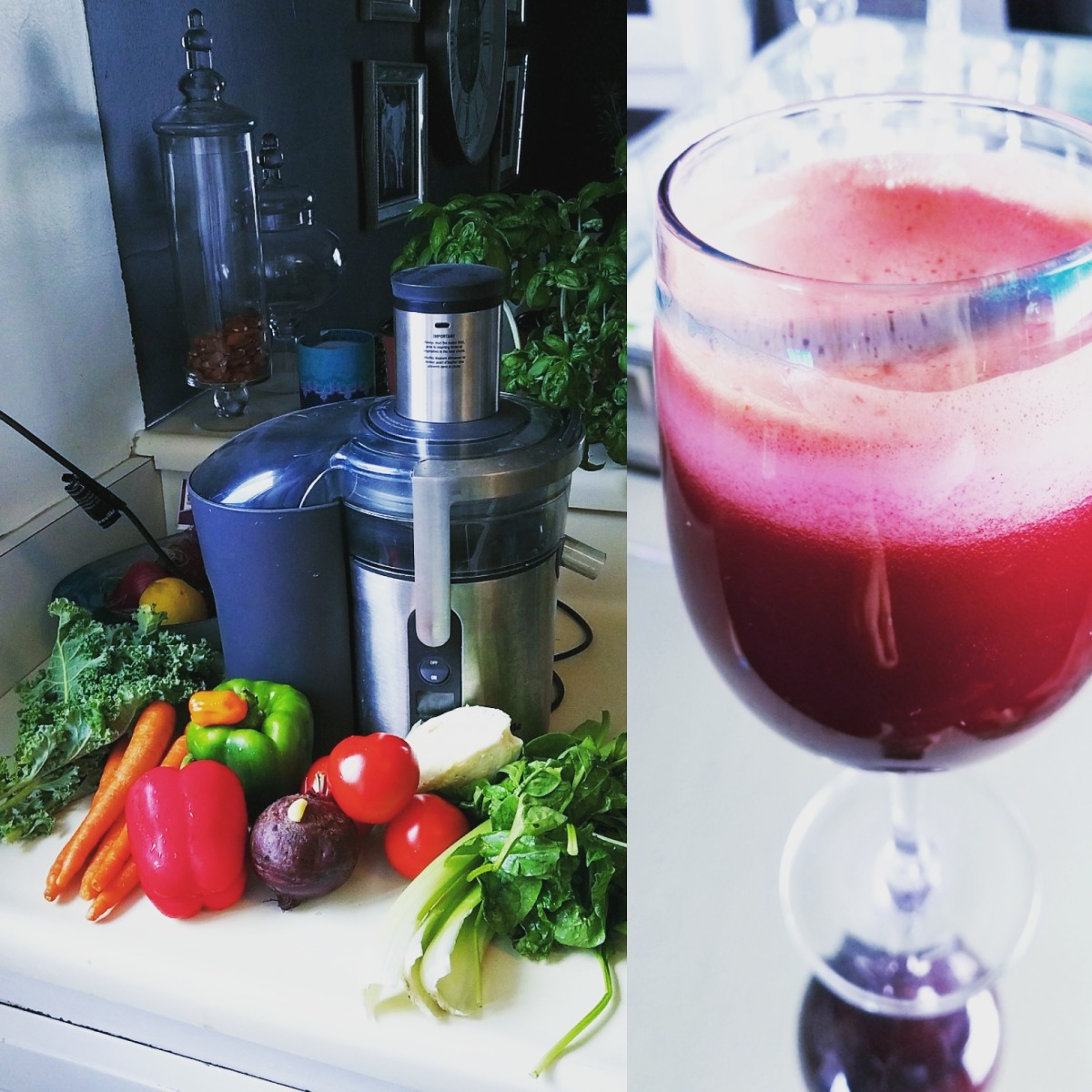
- Prepare Your Produce: Start by thoroughly washing all your vegetables under cold running water. Since you are consuming these raw, it is important to remove any dirt or debris. Slice the Roma tomatoes into quarters; these provide the primary liquid base. Peel the carrots and cut them into smaller chunks to help your blender process them more easily. For the celery, keep the leaves attached as they provide a significant amount of the classic savory aroma found in commercial vegetable juices. Dice the beet into small pieces—beets are quite dense, so smaller pieces ensure they incorporate smoothly without leaving gritty chunks behind.
- Layer the Ingredients in the Blender: The order in which you add ingredients to your blender matters for a smooth result. Place the juiciest ingredients at the bottom near the blades. Start with the quartered tomatoes and the lemon juice. Next, add the bell peppers and spinach. Finally, top the pile with the harder vegetables like carrots, celery, and beets. Adding the soft, high-moisture items first helps create a vortex that pulls the tougher ingredients down into the blades, preventing the machine from stalling.
- Initial Blending Phase: Secure the lid on your blender tightly. Start the machine on its lowest speed setting to begin breaking up the larger chunks of tomato and carrot. Gradually increase the speed to high. You want to run the blender for about 45 to 60 seconds. During this time, the vegetables will transform from a chunky mash into a thick, vibrant liquid. If the mixture seems too thick or the blades are struggling, pour in a small amount of filtered water or add a few ice cubes to help the movement.
- Achieving the Perfect Consistency: To ensure the drink is truly hydrating and refreshing, you need to decide on the texture. If you enjoy a thicker, fiber-rich juice, you can stop here. However, to create a more authentic substitute for v8 juice, you may want to strain the mixture. Place a fine-mesh sieve or a nut milk bag over a large bowl or pitcher. Pour the blended liquid through the strainer, using a spatula to press down on the pulp to extract every last drop of moisture. This results in a silky, smooth beverage that feels much more like a traditional juice.
- Seasoning and Balancing: Once you have your smooth base, it is time to add the flavor enhancers. Stir in the salt, black pepper, Worcestershire sauce, and hot sauce. The lemon juice added earlier provides the necessary acidity to brighten the earthy notes of the beet and carrot. Taste a small spoonful of the juice. If it tastes too earthy, add a tiny bit more lemon. If it lacks depth, a pinch more salt or a drop more Worcestershire sauce will help bring out the savory umami of the tomatoes.
- Chilling for Maximum Refreshment: This beverage is best enjoyed when it is ice cold. You can transfer the pitcher to the refrigerator for at least 30 minutes to let the flavors meld and the temperature drop. Alternatively, if you want to drink it immediately, you can stir in a few more ice cubes or even use a frozen glass. The chilled temperature makes the drink much more refreshing and helps to temper the intensity of the raw vegetable flavors.
- The Final Garnish and Serving: Prepare two tall glasses. While not strictly necessary, a garnish can make this drink feel like a special treat. A crisp stalk of celery or a wedge of lemon on the rim adds a professional touch. Pour the juice over fresh ice if desired. Serving this drink frozen is also an option; simply blend the finished juice with a cup of ice to create a slushy, hydrating vegetable frappe that is perfect for hot summer days.
For the best flavor, use the ripest tomatoes you can find; vine-ripened or heirloom varieties offer a sweetness that standard globe tomatoes lack. If you find the raw beet flavor too strong, try roasting the beet beforehand for a more mellow, caramelized taste. Always chill your glasses in the freezer before serving to keep the drink cold for longer without diluting it with too much melting ice.
Variations & Substitutions
The beauty of a homemade substitute for v8 juice is how easily it can be adapted to your dietary needs. For a strictly vegan version, ensure you use a vegan-certified Worcestershire sauce or substitute it with a splash of soy sauce or coconut aminos. If you are watching your sugar intake, you can omit the beet, though the color will be lighter and less “ruby-like.”
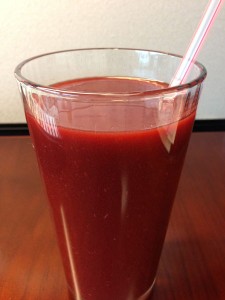
For those who love heat, consider adding half a jalapeño (seeds removed) or a teaspoon of prepared horseradish during the blending phase. This creates a “Bloody Mary” style flavor profile that is incredibly invigorating. If you want to increase the hydrating properties, swap the filtered water for coconut water, which adds essential electrolytes without overpowering the vegetable flavors. You can also experiment with different greens; while spinach is mild, adding a leaf of kale or parsley can introduce a more herbaceous and complex note to the finished product.
Storage & Make Ahead
Because this recipe uses fresh, raw ingredients without preservatives, it is best consumed within 24 to 48 hours. Keep the juice in an airtight glass jar or pitcher in the back of the refrigerator where it is coldest. If you notice any separation, simply give the jar a vigorous shake before pouring; separation is a natural occurrence in fresh juices and does not mean the drink has gone bad.
If you want to make this further in advance, you can actually freeze the juice. Pour the blended mixture into ice cube trays and freeze until solid. Once frozen, transfer the cubes to a freezer-safe bag. When you’re ready for a drink, toss a few cubes into your blender for a quick frozen vegetable smoothie, or let them thaw in a glass for a perfectly chilled beverage.
Calories: 85kcal | Carbohydrates: 18g | Protein: 3g | Fat: 0.5g | Sodium: 320mg | Fiber: 5g | Vitamin A: 180% DV | Vitamin C: 95% DV
❓ Frequently Asked Questions
1
How long does homemade V8 juice last in fridge?
This homemade vegetable juice is best enjoyed immediately for maximum nutrients. However, you can store it in an airtight glass jar in the refrigerator for up to 48 hours. Give it a good shake before drinking as natural separation will occur without commercial emulsifiers.
2
Can I make this juice ahead of time?
Yes, you can prepare this substitute for V8 juice up to a day in advance. To keep it tasting fresh, add a squeeze of lemon juice to act as a natural preservative and keep the colors vibrant. Store it in the coldest part of your refrigerator.
3
What can I substitute for beets in this recipe?
If you do not have beets, you can substitute them with red bell peppers or extra carrots. Red bell peppers will maintain the deep red color and add a slight sweetness and vitamin C boost without the earthy flavor that comes from fresh beets.
4
How do I know when the juice is done?
The juice is done when the mixture in your blender is completely uniform in color and no large chunks of vegetables remain. If you are not using a high-powered blender, you may need to blend for a full 90 seconds to achieve a smooth, drinkable texture.
5
Can I freeze this vegetable juice?
Yes, you can freeze this juice for up to three months. Pour the juice into silicone freezer molds or ice cube trays for easy portioning. Thaw in the refrigerator overnight and stir well before serving, as the texture may change slightly after freezing and thawing.