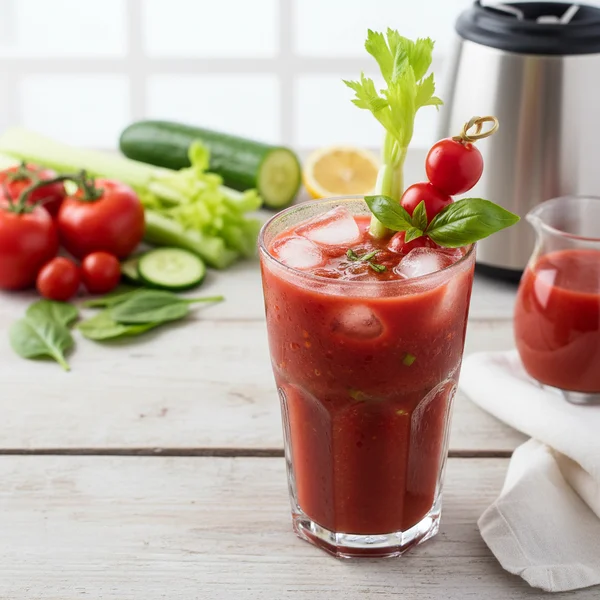
Can You Juice Fennel? The Ultimate Refreshing Guide
Yes, you can absolutely juice fennel! It is a fantastic ingredient for juicing due to its high water content, making it incredibly hydrating and refreshing. Fennel offers a unique, mildly sweet anise or licorice flavor that blends beautifully with green apples, lemon, and ginger. It is prized in the juicing community for its ability to aid digestion, reduce bloating, and provide a crisp, clean base for various vegetable juice combinations.
The Science and Benefits of Juicing Fennel
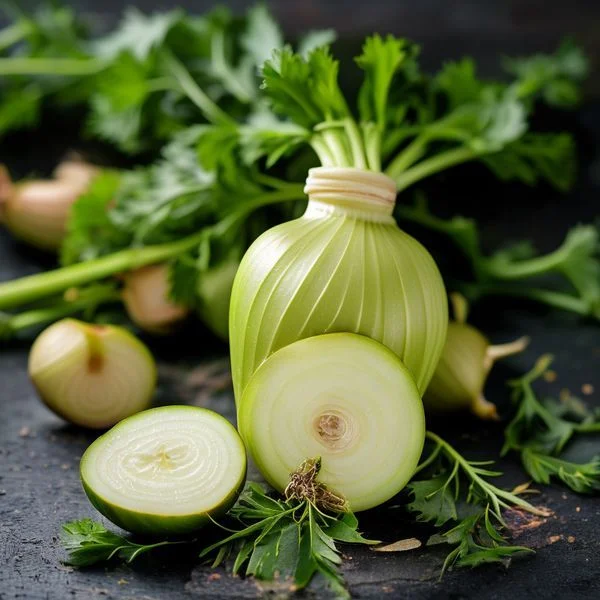
Fennel, specifically the Florence fennel variety with its bulbous base, is a powerhouse for those looking to diversify their liquid nutrition. While many people are familiar with using the stalks in salads or the seeds as a spice, the entire plant—bulb, stalks, and fronds—can be processed into a nutrient-dense beverage. From a botanical perspective, fennel is rich in anethole, a compound that gives the vegetable its distinct aroma and provides potent anti-inflammatory and anti-spasmodic properties. This makes fennel juice a premier choice for soothing the digestive tract.
When you juice fennel, you are extracting a liquid that is dense in potassium, Vitamin C, and folate. Because it is naturally hydrating, it serves as an excellent alternative to sugary sports drinks. The flavor is often described as a sophisticated sweetness that isn’t as overpowering as kale or as earthy as beets. It acts as a bridge between the tartness of citrus and the neutral profile of cucumber, creating a balanced palate that is deeply refreshing on a hot day. Furthermore, fennel is remarkably low in calories but high in essential oils that may help boost metabolism and curb appetite.
Many health enthusiasts prefer fennel juice because of its alkalinity. In a modern diet often filled with acidic processed foods, the alkaline nature of fennel helps balance the body’s internal pH. When processed through a cold-press juicer or a high-speed blender, the volatile oils remain intact, ensuring that you receive the maximum therapeutic benefit from every sip. Whether you are drinking it solo or as part of a complex green juice, fennel provides a crispness that is hard to replicate with other vegetables.
How to Juice Fennel: A Step-by-Step Guide
Juicing fennel is a straightforward process, but following a few specific steps will ensure you get the best yield and the most pleasant flavor profile. You don’t need fancy equipment to enjoy this vegetable; while a dedicated juicer is ideal, a high-powered blender and a nut milk bag or fine-mesh strainer work just as well.
- Selection and Cleaning: Choose fennel bulbs that are bright white or pale green, firm to the touch, and free of soft spots or browning. Thoroughly wash the fennel under cold running water, paying close attention to the crevices between the stalks where dirt and grit can hide.
- Preparation: Trim the very bottom of the bulb (the root end). You can juice the stalks and the feathery fronds as well, though the stalks are more fibrous and have a slightly stronger flavor. If you are using a blender, chop the bulb into small one-inch chunks to help the blades catch the fiber more easily.
- The Juicing Process: If using a centrifugal or masticating juicer, simply feed the pieces through the chute. If you are using a blender, add about half a cup of water or coconut water to help the mixture move. Blend on high until completely liquefied, then strain the mixture through a cheesecloth or strainer to remove the pulp.
- Chilling and Enhancing: Fennel juice is best enjoyed when it is chilled. Pour the fresh juice into a glass filled with ice to maintain its crisp temperature. For a thicker, slushie-like consistency, you can even add a few pieces of frozen green apple or frozen cucumber slices into the blender while processing.
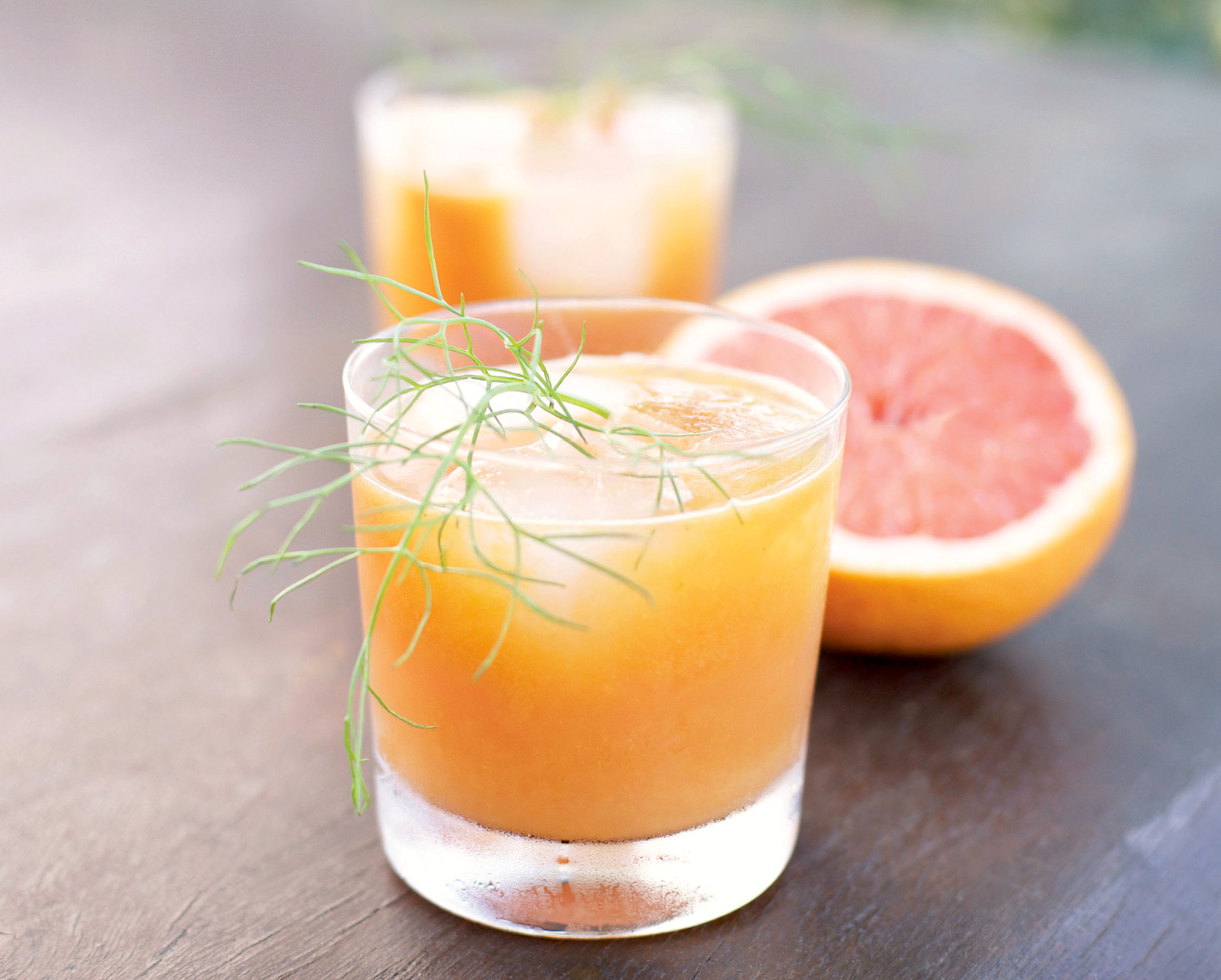
- The Finishing Touch: Pour the juice into a tall glass and use a small sprig of the fennel fronds as a garnish. This not only looks professional but adds a subtle aromatic boost every time you take a sip.
Important Considerations and Best Practices
While fennel is a wonderful addition to your diet, there are a few considerations to keep in mind to ensure the best experience. First, the flavor of fennel can be quite polarizing. If you are not a fan of black licorice, start by juicing only half a bulb and mixing it with a large cucumber or a couple of stalks of celery to mellow out the anise notes. Over time, many people find they develop a palate for its natural sweetness.

Another factor to consider is the freshness of the juice. Like most fresh vegetable juices, fennel juice begins to oxidize and lose its nutritional potency shortly after being made. It is highly recommended to consume the juice within 15 to 20 minutes of extraction. If you must store it, keep it in an airtight glass jar in the refrigerator for no more than 24 hours. The flavor can sharpen over time, sometimes becoming slightly bitter if left too long.
Additionally, be mindful of the fiber content. If you are using a blender and choosing not to strain the juice, you will be consuming a significant amount of roughage. While this is great for some, it may be too much for those with sensitive digestive systems. Always ensure the fennel is well-integrated to avoid a “stringy” texture in your drink. Lastly, if you have a known allergy to carrots, celery, or coriander, use caution, as these plants are in the same family as fennel and cross-reactivity can occur.
- Flavor Pairing: Pair fennel with ginger and lemon to create a potent digestive tonic that cuts through the sweetness of the fennel bulb.
- Waste Not: Don’t throw away the leftover pulp! You can mix it into muffin batters, veggie burgers, or even freeze it in ice cube trays to drop into future soups for an extra boost of fiber and flavor.
- Temperature Control: If your juicer generates heat, try using frozen glass jars or serving the juice over crushed ice immediately to keep the drink refreshing.
- Decorative Garnish: Save the brightest green fronds to use as a garnish; they look beautiful and provide a hint of fresh scent that complements the juice.
Conclusion
Juicing fennel is an excellent way to elevate your beverage game while providing your body with a hydrating, nutrient-dense boost. Its unique flavor profile makes it a standout ingredient that transforms a standard green juice into something far more sophisticated and refreshing. Whether you prefer the precision of a juicer or the convenience of a blender, incorporating fennel into your routine is simple and rewarding. By serving it chilled over ice and experimenting with frozen fruit pairings, you can enjoy a spa-quality drink in the comfort of your own home. Give fennel a try—your digestive system and your taste buds will thank you.
❓ Frequently Asked Questions
1
How long does fennel juice last in the fridge?
Fennel juice is best enjoyed immediately to maximize its nutrient density and fresh flavor. However, you can store it in an airtight glass container in the refrigerator for up to 24 hours. Shake well before drinking, as natural separation will occur during storage in the cold.
2
Can I make fennel juice without a juicer?
Yes, you can easily make it using a high-speed blender. Simply chop the fennel into small pieces, add a splash of water or coconut water, and blend until smooth. Afterward, pour the mixture through a fine-mesh strainer or nut milk bag to remove the fibrous vegetable pulp.
3
What can I substitute for green apple in this juice?
If you want to swap the green apple, cucumber is an excellent hydrating alternative that maintains the refreshing quality. For a sweeter profile, try using pear or pineapple. These fruits complement the subtle anise flavor of the fennel without overpowering its unique, crisp and herbal notes.
4
How do I know when the fennel is good for juicing?
Choose fennel bulbs that are bright white or pale green, firm to the touch, and free of soft spots or browning. The stalks should be crisp rather than wilted, and the feathery fronds should be vibrant green. Fresh fennel provides the most juice and best flavor.
5
Can I freeze fennel juice?
You can freeze fennel juice in silicone ice cube trays for long-term storage. Once frozen, transfer the cubes to a freezer bag. These cubes are perfect for adding a hydrating boost to smoothies or cooling down other juices without diluting them as they melt over time in glasses.