Swiss Chard Juice Recipe: Healthy & Refreshing
Discover the ultimate morning wake-up call with this vibrant swiss chard juice recipe. While many green juices rely heavily on the usual suspects like kale or spinach, Swiss chard offers a uniquely silky texture and a sophisticated, slightly earthy profile that balances beautifully with crisp apples and zingy citrus. This isn’t just another green drink; it is a refreshing, nutrient-dense elixir designed to revitalize your body and provide a deep sense of well-being. Whether you are a seasoned juicing enthusiast or a curious beginner looking for a hydrating boost, you will love how this recipe transforms humble leafy greens into a chilled masterpiece. It is the perfect way to use up garden-fresh chard while treating your palate to something truly special.
- ⏱️ Prep Time: 10 minutes
- 🍳 Cook Time: 0 minutes
- 👥 Servings: 2 servings
- 📊 Difficulty: Easy
Ingredients for Your Swiss Chard Juice
- 🥬 4 large Swiss chard leaves (rainbow, red, or green varieties)
- 🍎 2 medium Granny Smith apples, cored and sliced
- 🥒 1 large English cucumber, roughly chopped
- 🍋 1/2 fresh lemon, yellow peel removed
- 🫚 1-inch piece of fresh ginger root, peeled
- 💧 1 cup filtered water or unsweetened coconut water
- 🧊 Handful of ice cubes for serving
Step-by-Step Instructions
1. The first step to a successful swiss chard juice recipe is proper preparation of your greens. Begin by thoroughly washing the Swiss chard leaves under cold running water. Because chard grows close to the ground, the stems and the crinkly parts of the leaves can often trap fine grit or sand. Gently pat them dry with a clean kitchen towel. You do not need to discard the colorful stems; they are packed with moisture and nutrients, though you should trim off the very bottom half-inch if it looks dry or woody.
2. Prepare your produce for the blender by cutting the ingredients into manageable pieces. Slice the Granny Smith apples into quarters, removing the seeds and the core. The tartness of the green apple is essential here as it cuts through the mineral-rich flavor of the chard. Chop the English cucumber into large chunks. Since English cucumbers have thin skin, there is no need to peel them, which helps maintain the juice’s vibrant green color and high mineral content. Peel the ginger using the edge of a spoon to scrape away the skin, then slice it thinly to ensure it incorporates fully during the blending process.
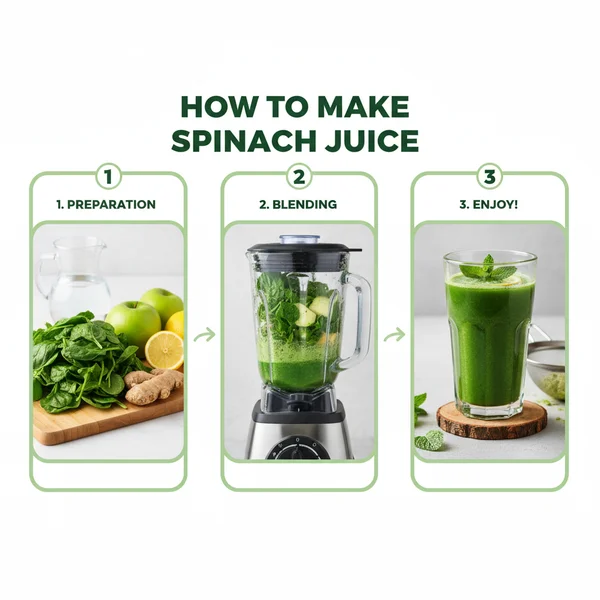
3. Now it is time to assemble everything in your high-speed blender. Start by pouring in your liquid base—either filtered water or coconut water. Adding the liquid first is a pro tip that prevents the blender blades from getting stuck and ensures a smoother vortex. Layer in the softer ingredients first, such as the lemon and cucumber, followed by the chopped Swiss chard leaves and stems. Finish by placing the harder apple slices and ginger on top to help weigh down the greens into the blades.
4. Secure the lid tightly and start the blender on its lowest speed setting. Gradually increase the speed to high. Blend for approximately 45 to 60 seconds. You are looking for a completely liquefied consistency with no visible chunks of ginger or apple remaining. The mixture will look thick and frothy at this stage, which is perfectly normal. If the mixture seems too thick to move, you can add an additional quarter-cup of water, but try to keep it concentrated for the best flavor.
5. Because this is a blender-based recipe rather than one made with a centrifugal juicer, you will need to strain the mixture to achieve that silky, refreshing mouthfeel. Place a fine-mesh nut milk bag or a double layer of cheesecloth over a large glass pitcher. Carefully pour the blended green mixture into the bag. Use your hands to squeeze the bag firmly, extracting every drop of the hydrating liquid into the pitcher. Continue squeezing until the pulp left inside the bag feels dry to the touch. This pulp can be composted or even added to muffin batters for extra fiber.
6. Once the juice is strained, give it a quick stir to ensure the flavors are well-integrated. Taste the juice and adjust if necessary. If you prefer it a bit sweeter, you can add a drop of liquid stevia or honey, though the apple usually provides plenty of natural sweetness. If it needs more brightness, a tiny squeeze of extra lemon juice can make the flavors pop. This is your chance to customize the drink to your specific palate before the final presentation.
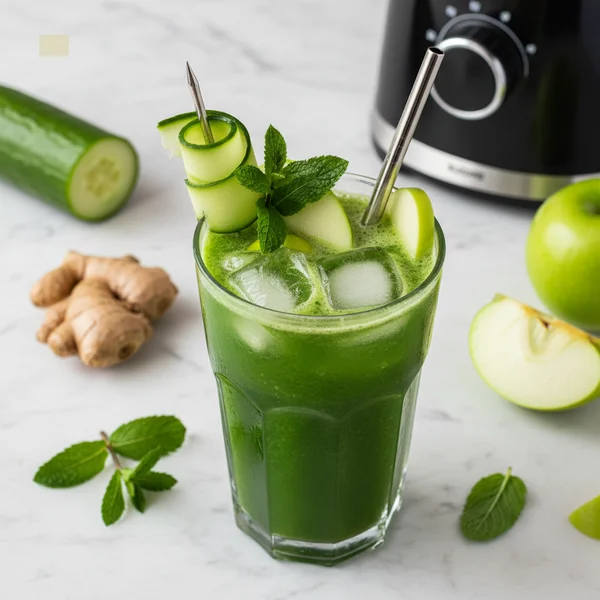
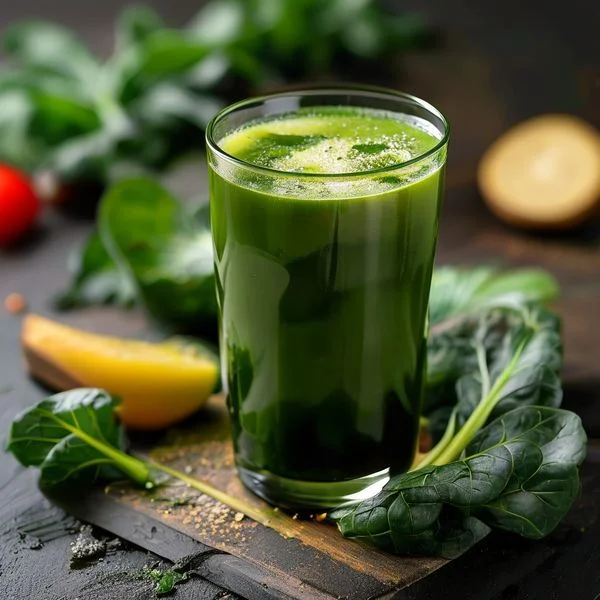
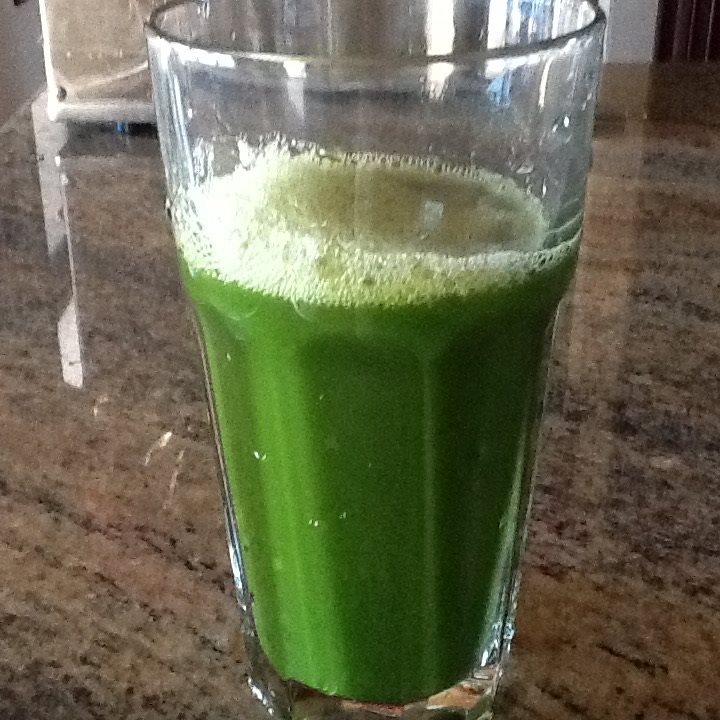
7. To serve, fill two tall glasses with fresh ice. Pour the chilled juice over the ice, leaving a small amount of room at the top for a garnish. The ice helps keep the juice crisp and dulls any overly “grassy” notes that can sometimes occur with room-temperature green juices. Garnish each glass with a thin slice of lemon or a small, curled piece of a colorful chard stem for a professional, café-style look. Serve immediately while the color is at its most vibrant and the nutrients are at their peak.
To get the most out of your swiss chard juice recipe, always use the freshest leaves possible; wilted chard can impart a bitter aftertaste. If you want an even colder drink without diluting the flavor with ice, try using frozen apple slices or frozen cucumber chunks in the blender. Additionally, if you find the “green” taste too strong, adding a small handful of fresh mint leaves during the blending process adds a cooling finish that makes the drink incredibly refreshing.
Variations & Substitutions
This swiss chard juice recipe is highly versatile and can be adapted to suit your dietary needs or flavor preferences. For a tropical twist, substitute the green apples with a cup of fresh or frozen pineapple chunks; the bromelain in pineapple adds a lovely frothiness and a sweeter finish. If you are following a low-sugar or keto diet, you can omit the apples entirely and increase the amount of cucumber and lemon, adding a few drops of liquid monk fruit for sweetness. For those who enjoy a bit of heat, a pinch of cayenne pepper added at the end provides a metabolism-boosting kick. If you don’t have Swiss chard on hand, you can easily substitute it with Lacinato kale or collard greens, though the flavor profile will be slightly more robust and peppery.
Storage & Make Ahead
Fresh green juice is always best consumed immediately to enjoy the maximum nutritional benefits and the brightest flavor. However, if you have leftovers, you can store this juice in an airtight glass jar or a stainless steel thermos in the refrigerator for up to 24 hours. To prevent oxidation, fill the container to the very top to minimize the amount of air trapped inside. If you want to make this ahead of time for a busy week, consider pouring the juice into silicone ice cube trays and keeping them frozen. You can then pop a few frozen cubes into your water bottle or a smoothie for a quick hydrating boost on the go.
Nutrition Facts (Per Serving)
Calories: 85 kcal
Carbohydrates: 18g
Fiber: 4g (if not strained) / 1g (strained)
Sugars: 11g
Vitamin A: 110% DV
Vitamin K: 350% DV
Vitamin C: 45% DV
❓ Frequently Asked Questions
1
How long does Swiss chard juice last in fridge?
Fresh Swiss chard juice is best consumed immediately to maximize nutrient absorption. However, you can store it in an airtight glass container in the refrigerator for up to 24 hours. Shake well before drinking, as natural separation will occur over time.
2
Can I make Swiss chard juice ahead of time?
While it is possible to make this juice up to a day in advance, the flavor and nutritional value are highest right after blending. If you must prepare it early, add extra lemon juice to help preserve the vibrant green color and slow down oxidation.
3
What can I substitute for Swiss chard?
If you do not have Swiss chard, you can easily substitute it with other leafy greens like spinach, kale, or collard greens. Keep in mind that kale has a stronger taste, while spinach is much milder and blends seamlessly with the fruit ingredients in the recipe.
4
How do I know when the juice is done?
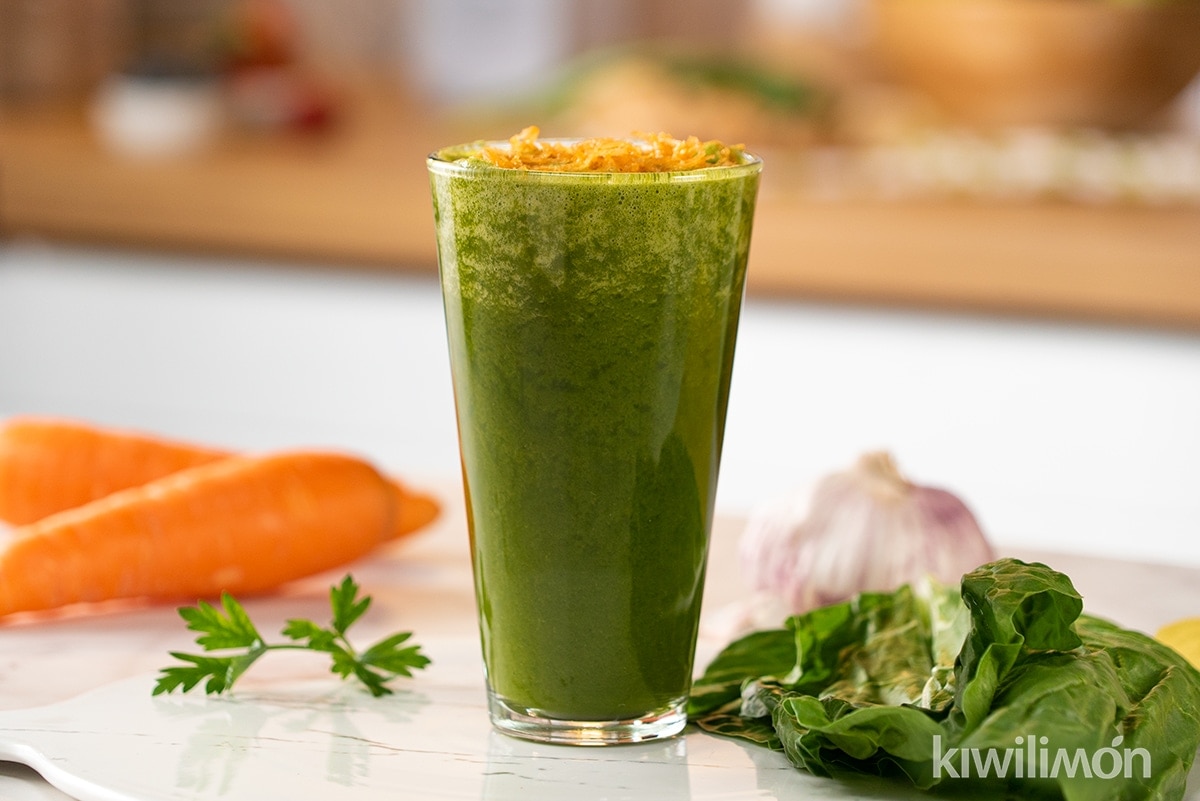
The juice is ready once all ingredients are completely pulverized in the blender and then strained through a fine-mesh sieve or nut milk bag. You should be left with a vibrant, smooth liquid that is free of large pulp or fibrous leafy bits.
5
Can I freeze Swiss chard juice?
Yes, you can freeze Swiss chard juice in ice cube trays for up to three months. These green juice cubes are perfect for adding to smoothies later. Simply pop them into your blender whenever you need a quick, hydrating nutrient boost without extra prep.