Juicing Recipes with Kale: Healthy & Delicious
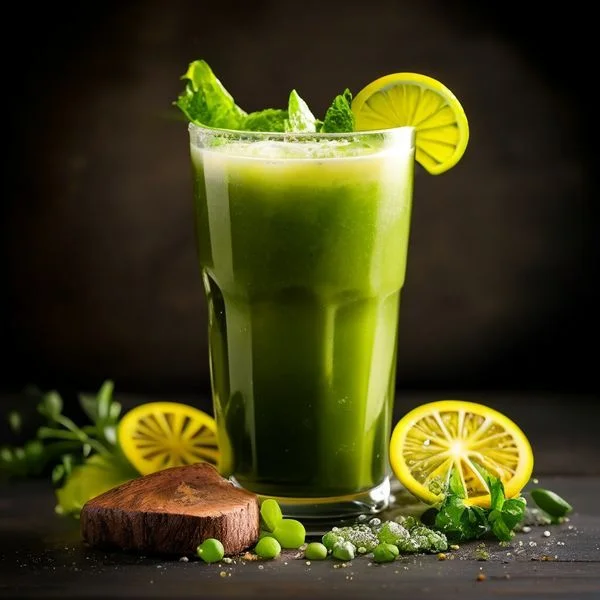
Imagine waking up to a glass of liquid sunshine that not only tastes incredibly refreshing but also fuels your body with a potent dose of vitamins and minerals. This specific entry into the world of juicing recipes with kale is designed to change the mind of anyone who thinks green juice has to taste like “liquid grass.” By balancing the earthy, robust notes of organic kale with the crisp sweetness of green apples and the zing of fresh ginger, we have created a blend that is as delicious as it is nutritious. This recipe is perfect for beginners who want to explore the benefits of leafy greens without sacrificing flavor, as well as seasoned juice enthusiasts looking for a reliable, everyday staple. Whether you are seeking a mid-afternoon energy boost or a nutrient-dense start to your morning, this vibrant green elixir will quickly become your favorite way to drink your veggies.
- ⏱️ Prep Time: 10 minutes
- 🍳 Cook Time: 0 minutes
- 👥 Servings: 2 servings
- 📊 Difficulty: Easy
Ingredients for the Ultimate Green Glow Juice
To achieve the perfect balance of nutrition and flavor, selecting high-quality ingredients is essential for all juicing recipes with kale. This recipe yields approximately 16 to 20 ounces of juice depending on the moisture content of your produce.
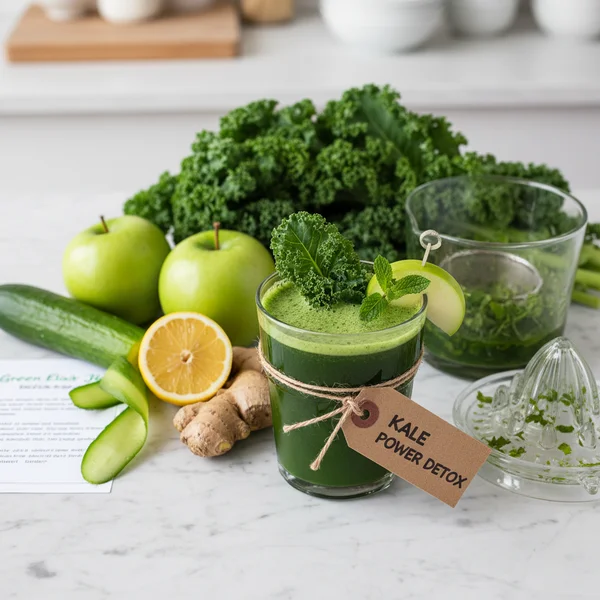
- Lacinato Kale (Dino Kale): 6 large stalks. We prefer Lacinato kale for its slightly sweeter, less bitter profile compared to curly kale. It provides an incredible depth of color and a wealth of Vitamin K.
- Green Apples (Granny Smith): 2 medium apples. These provide the necessary acidity and sweetness to cut through the bitterness of the greens.
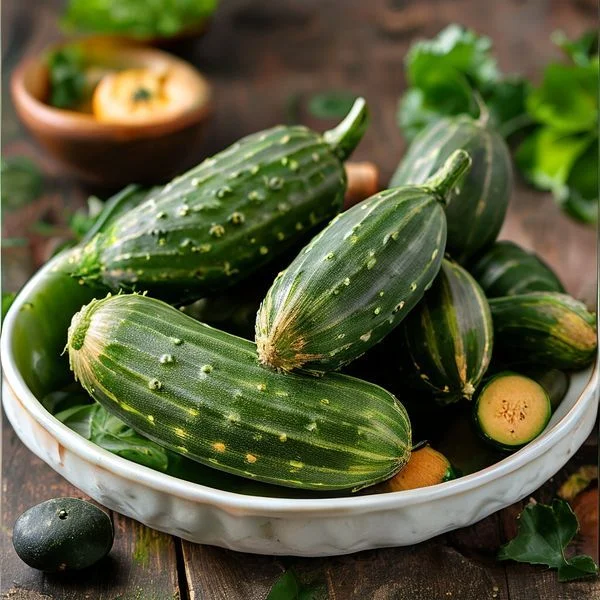
- English Cucumber: 1 large cucumber. Cucuumbers are high in water content, making them the perfect base for any juice recipe, ensuring you get a high yield of liquid.
- Fresh Ginger: 1-inch knob, peeled. Ginger adds a spicy kick and aids in digestion, making the juice feel warming and invigorating.
- Lemon: 1 medium lemon, peeled. Citrus brightens the entire flavor profile and helps preserve the vibrant green color of the juice.
- Celery: 4 large stalks. Celery adds a subtle salty undertone and is packed with electrolytes and minerals.
- Optional Fresh Mint: 4 to 5 leaves. If you want an extra layer of refreshment, mint is the perfect herbal addition.
Step-by-Step Instructions
The process of turning raw produce into a smooth, refreshing drink requires a little bit of technique to ensure you extract the maximum amount of nutrients. Follow these detailed instructions to get the best results from your ingredients.
- Prepare and Sanitize Your Produce: Begin by thoroughly washing all your fruits and vegetables. Since you are consuming the raw juice, it is vital to remove any dirt or residue. Soak the kale and celery in a bowl of cold water with a splash of apple cider vinegar for a few minutes, then rinse well. Scrub the cucumber and apples, especially if they are not organic, to remove any wax coatings. Pat everything dry with a clean kitchen towel.
- Chop for Your Juicer: Depending on the type of juicer you own (centrifugal or cold-press/masticating), you will need to cut your ingredients to fit the feed chute. For the apples, remove the stems but keep the skins on, as the skins contain many of the nutrients. Cut them into wedges. Slice the cucumber into long spears. For the kale, you do not need to remove the tough center ribs; the juicer can handle them and they contain plenty of juice. Simply fold the leaves into manageable bundles.
- The Sandwich Technique for Leafy Greens: This is a pro-level tip for juicing recipes with kale. If you are using a centrifugal juicer, leafy greens can sometimes fly through the machine without being fully processed. To prevent this, “sandwich” your kale leaves between firmer, water-rich ingredients. Take a handful of kale, roll it tightly into a ball, and push it through the chute followed immediately by a heavy piece of cucumber or an apple wedge. The weight of the firmer fruit helps the juicer grind the leaves more effectively.
- Extract the Ginger and Lemon: Feed the peeled ginger and the lemon through the juicer. By juicing these concentrated flavors in the middle of the process, you ensure their juices are thoroughly mixed into the rest of the liquid as the more watery ingredients follow. If you like a very mild ginger flavor, start with a smaller piece and taste the final result.
- Finish with High-Water Produce: End your juicing session by processing the remaining cucumber and celery. These high-moisture vegetables act as a “rinse” for the machine, pushing out any remaining kale or apple bits that might be stuck in the mesh filter or the auger. This ensures you get every last drop of nutrient-dense liquid into your pitcher.
- Manage the Foam and Strain (Optional): Fresh juice often develops a layer of foam on top, which is simply trapped air. Many juicers come with a pitcher that has a built-in foam separator. If yours does not, and you prefer a crystal-clear juice, pour the mixture through a fine-mesh sieve or a nut milk bag into a clean glass jar. This will create a silky-smooth texture that is very pleasant to drink.
- Stir and Serve: Give the juice a quick stir with a long spoon to incorporate all the layers. The ginger and lemon tend to settle at the bottom. Fill two glasses with ice if you prefer it chilled, and pour the juice immediately. Drinking the juice within 15 minutes of extraction provides the highest level of live enzymes and antioxidants.
To maximize your yield when making juicing recipes with kale, always use the lowest speed setting on your juicer for the leafy greens and the highest speed for hard fruits like apples. Additionally, keep your produce in the refrigerator until the very moment you are ready to juice; cold vegetables produce a much more refreshing beverage that doesn’t require ice, which can dilute the flavor and the calories count.
Variations & Substitutions
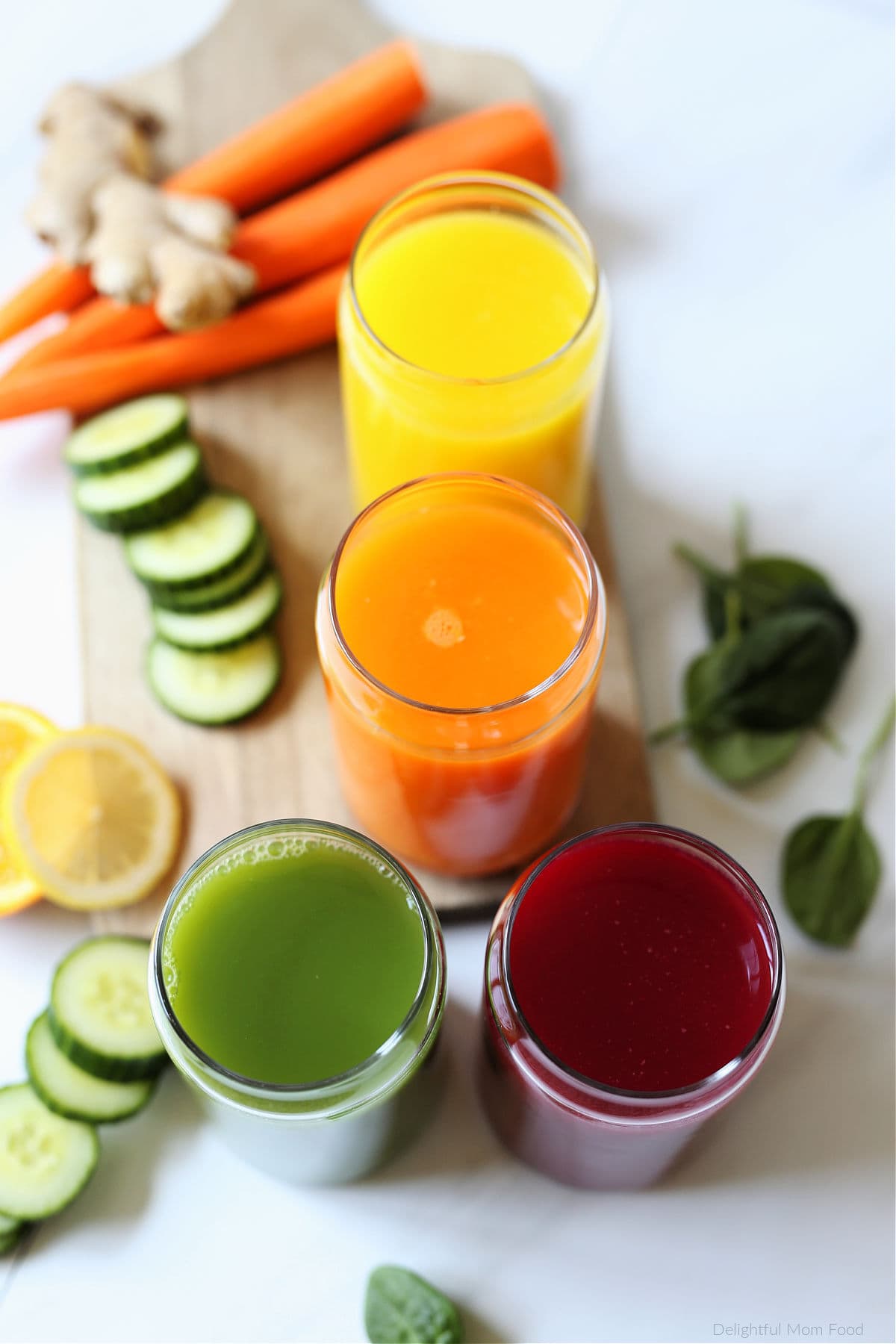
One of the best things about juicing recipes with kale is how adaptable they are to your personal preferences or what you have in the fridge. If you find the kale flavor too intense, you can substitute half of the kale with baby spinach or romaine lettuce for a milder profile. For those who want more sweetness, adding a cup of fresh pineapple or a pear can transform the drink into a tropical treat.
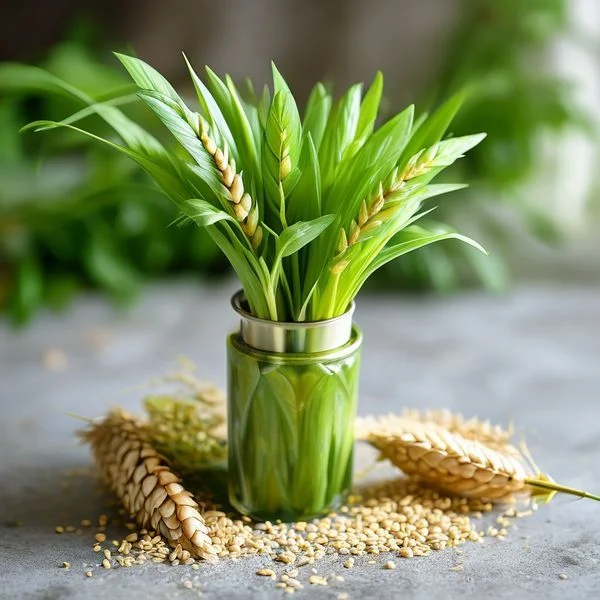
If you are following a specific dietary protocol, such as a low-sugar or low-carb diet, you can omit the apples and replace them with extra cucumber and a squeeze of lime to keep the calories and sugar content at a minimum. For a spicy version, increase the ginger or add a tiny pinch of cayenne pepper directly into the glass. You can also boost the nutritional value by adding a teaspoon of spirulina or wheatgrass powder to the finished juice.
Storage & Make Ahead
While it is always best to drink fresh juice immediately to benefit from the highest concentration of nutrients, we understand that life is busy. If you need to make this recipe ahead of time, store the juice in an airtight glass container, such as a mason jar. Fill the jar all the way to the brim to minimize the amount of oxygen trapped inside, which causes oxidation. Adding extra lemon juice can also help preserve the color and freshness. The juice will stay good in the refrigerator for up to 24 to 48 hours. If the juice separates, simply give it a vigorous shake before drinking.
Nutrition Info
This kale juice is a nutritional powerhouse. While the exact values can vary based on the size of your produce, a typical serving of this recipe contains approximately the following:
- Calories: 135 kcal per serving
- Vitamin K: Over 500% of the Daily Value (DV)
- Vitamin A: 180% DV
- Vitamin C: 140% DV
- Iron: 10% DV
- Calcium: 12% DV
By incorporating these juicing recipes with kale into your weekly routine, you are providing your body with an incredible array of phytonutrients that support skin health, digestion, and overall immune function. The combination of easy preparation, delicious flavor, and dense nutrition makes this recipe a winner for anyone looking to improve their well-being through the power of fresh, raw vegetables. Grab your juicer and start your journey toward a more vibrant, energetic you today!
❓ Frequently Asked Questions
1
How long does kale juice last in fridge?
Kale juice is best consumed immediately, but it can be stored in an airtight glass jar for up to 24 hours. To preserve freshness and prevent oxidation, fill the jar to the top to minimize air exposure and add extra lemon juice to act as a natural preservative.

2
Can I make kale juice ahead of time?
While you can make this recipe ahead of time, the nutrients begin to degrade quickly once the vegetables are processed. If you must prepare it in advance, store it in the refrigerator for no more than one day. Always shake the container well before drinking as separation occurs naturally.
3
What can I substitute for kale?
If you find kale too bitter, you can easily substitute it with spinach or swiss chard. These leafy greens offer a milder flavor profile while still providing a high concentration of vitamins. Alternatively, use romaine lettuce for a very light and hydrating base that pairs well with sweet fruits.
4
How do I know when the kale juice is done?
Since this is a juicing process rather than cooking, the instructions are complete once all your ingredients have passed through the juicer. Ensure you have extracted as much liquid as possible from the kale pulp. The result should be a vibrant, bright green liquid with a smooth consistency.
5
Can I freeze kale juice?
Yes, you can freeze kale juice to extend its shelf life. Pour the fresh juice into ice cube trays or freezer-safe silicone molds. These frozen cubes are perfect for adding to smoothies later on, though the texture may change slightly compared to freshly pressed juice from your juicer.