Spinach and Pineapple Juice: Refreshing & Healthy
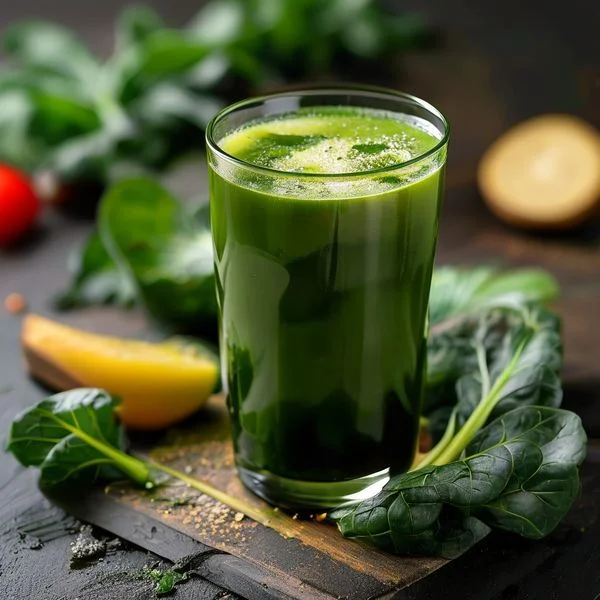
Spinach and pineapple juice is more than just a vibrant green beverage; it is a masterclass in nutritional balance and culinary synergy. While spinach provides a wealth of minerals and phytonutrients, the pineapple offers a tropical sweetness that perfectly masks the earthy notes of the leafy greens. This drink serves as a hydrating tonic for those seeking an energy boost without the crash associated with caffeinated or highly processed drinks. In this comprehensive guide, you will discover the science behind this pairing, the best methods for preparation using a high-powered blender, and creative ways to enhance its refreshing qualities for a spa-like experience at home.
Combining spinach and pineapple creates a nutritional powerhouse where the high Vitamin C content of the fruit significantly increases the absorption of plant-based iron from the greens, making it an ideal beverage for energy and immunity.
The Nutritional Synergy of Spinach and Pineapple
The primary reason spinach and pineapple juice has become a staple in wellness circles is the concept of nutrient bioavailability. Spinach is famous for its high content of non-heme iron, a type of iron found in plants that is traditionally more difficult for the human body to absorb compared to the heme iron found in animal products. However, the presence of ascorbic acid, commonly known as Vitamin C, acts as a catalyst. Pineapple is exceptionally rich in Vitamin C, and when consumed alongside spinach, it chemically transforms the iron into a more soluble form that the intestines can easily uptake.
Beyond iron, this beverage is a significant source of bromelain, an enzyme found specifically in pineapple. Bromelain is well-regarded for its anti-inflammatory properties and its ability to aid in protein digestion. When you combine this with the high levels of Vitamin K and folate found in spinach, you create a drink that supports bone health, cardiovascular function, and cellular repair.
The phytochemical profile of this juice is equally impressive. Spinach contains lutein and zeaxanthin, two antioxidants that are critical for maintaining eye health and protecting against age-related macular degeneration. Meanwhile, the manganese in pineapple supports a healthy metabolism and regulates blood sugar levels. Because this juice is often prepared as a whole-food blend, it retains more plant compounds than filtered fruit juices, ensuring you receive a more balanced nutritional profile with every sip.
Mastering the Texture: Blender vs. Juicer Techniques
Achieving the perfect consistency for spinach and pineapple juice depends heavily on the equipment used and the temperature of the ingredients. Most enthusiasts prefer using a high-speed blender rather than a traditional centrifugal juicer. The reason is simple: a blender preserves the dietary fiber of the spinach and the fibrous core of the pineapple, which helps slow down the absorption of fruit sugars and keeps you feeling full for longer.
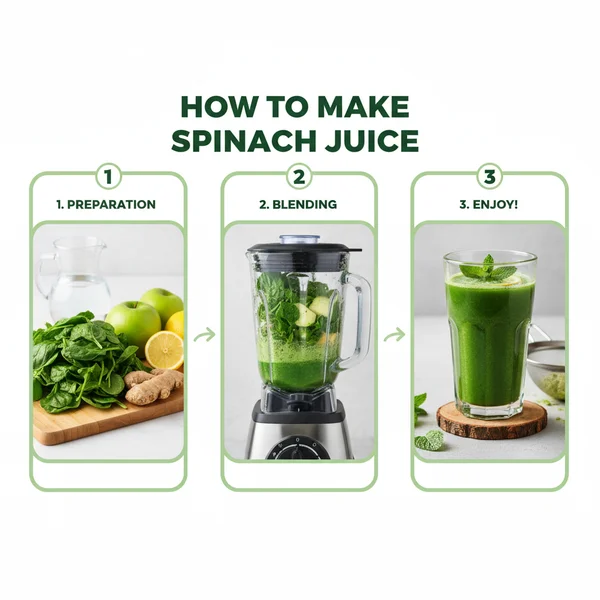
To get that signature smooth, chilled texture, many experts recommend using frozen pineapple chunks instead of fresh ones. Frozen fruit acts as a natural thickener and eliminates the need for excess ice, which can sometimes dilute the flavor profile. If you are using a blender, start by adding your liquid base—such as coconut water or filtered water—first, followed by the spinach, and finally the heavier frozen pineapple. This “liquid-first” method ensures the blades can create a vortex, pulling the greens down for a completely pulverized, grit-free finish.
If you prefer a thinner, more traditional juice consistency but only have a blender, you can pass the mixture through a fine-mesh strainer or a nut milk bag. This removes the pulp while retaining the vibrant color and refreshing taste. Regardless of the method, serving the drink immediately is crucial. As the juice sits, the solids may begin to separate from the liquids, and the delicate antioxidants can begin to oxidize, slightly altering the bright green hue to a duller olive color.
Optimal Hydration and Digestive Benefits
One of the standout features of spinach and pineapple juice is its role as a hydrating agent. Both spinach and pineapple have a water content exceeding 85%, making this drink an excellent choice for rehydration after exercise or during hot summer days. Unlike commercial sports drinks that are often loaded with artificial dyes and refined sugars, this natural alternative provides essential electrolytes like potassium and magnesium. These minerals are vital for muscle function and preventing cramps, especially when the body has lost fluids through perspiration.
From a digestive standpoint, the combination is incredibly soothing. The fiber in the spinach helps move food through the digestive tract, while the enzymes in the pineapple prevent bloating by breaking down complex proteins. Many people find that drinking a small glass of this juice thirty minutes before a meal can prime the stomach for better digestion.
To maximize the hydrating properties, you can experiment with the liquid base. While plain water is standard, using chilled coconut water adds a layer of natural sweetness and even more potassium. For those looking for a lower-calorie version, using a base of chilled green tea can add a subtle herbal note and a boost of catechins, which are antioxidants known for supporting metabolic health.
Creative Variations and Flavor Enhancements
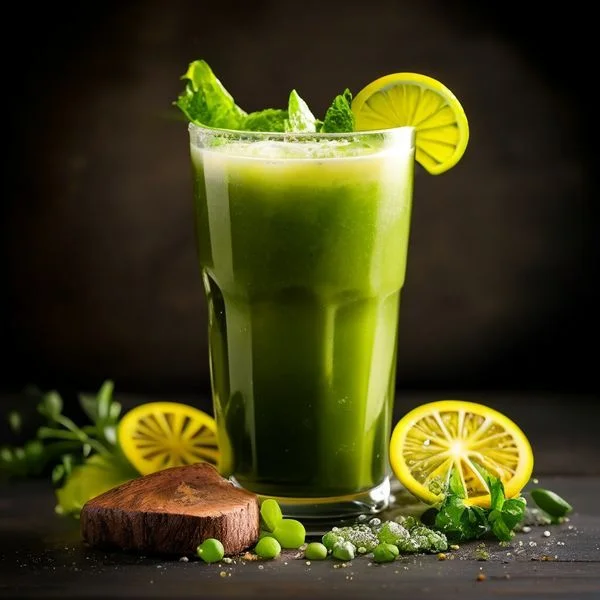
While the base of spinach and pineapple juice is delicious on its own, it serves as a versatile canvas for various flavor profiles. To elevate the drink from a simple health tonic to a gourmet beverage, consider the role of acidity and spice. A squeeze of fresh lime juice can brighten the entire flavor profile, cutting through the density of the spinach and highlighting the tartness of the pineapple.
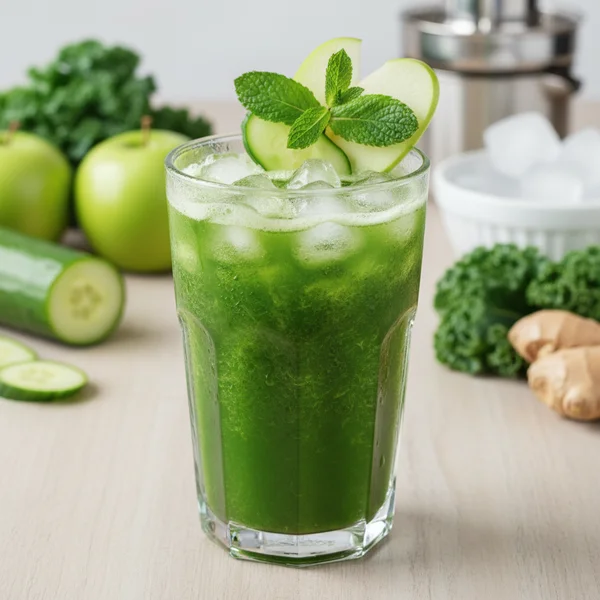
For those who enjoy a bit of warmth, adding a small knob of fresh ginger to the blender can transform the drink. Ginger not only adds a spicy kick but also complements the anti-inflammatory benefits of the pineapple. If you find the drink too “green” for your palate, adding a few sprigs of fresh mint can provide a cooling, refreshing finish that makes the beverage taste like a healthy take on a mojito.
Presentation also plays a role in the overall experience. A beautiful garnish can make the drink feel like a treat rather than a chore. Consider the following additions to enhance your experience:
| Garnish Idea | Sensory Impact | Best For |
|---|---|---|
| Fresh Mint Leaves | Aromatic and cooling | Hot afternoons |
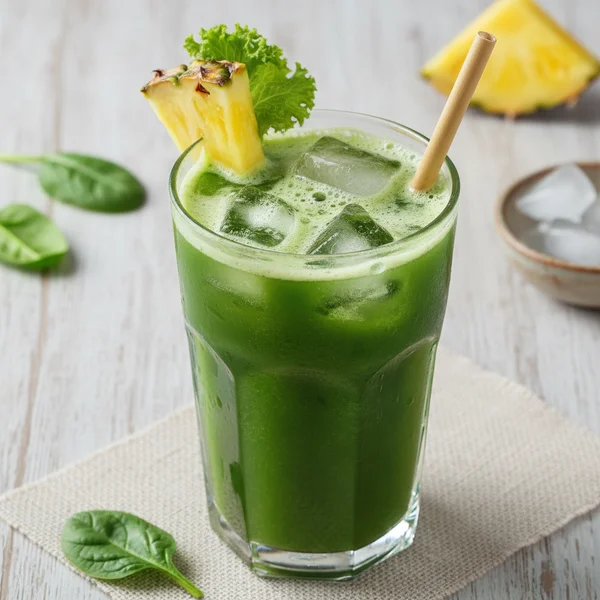
| Pineapple Wedges | Visual appeal and snacks | Serving guests |
| Chia Seeds | Added crunch and Omega-3s | Meal replacement |
| Cucumber Slices | Extra crispness and hydration | Post-workout recovery |
Expert Tips for the Perfect Blend
To achieve professional-level results with your spinach and pineapple juice, attention to detail is paramount. One common mistake is using mature spinach, which can have tough, bitter stems that result in a stringy texture. Instead, opt for organic baby spinach; the leaves are more tender and have a much milder flavor that integrates seamlessly with the pineapple.
Another insider secret involves the management of foam. When blending at high speeds, air is incorporated into the liquid, often creating a thick layer of foam on top. While this is harmless, some find it unappealing. To minimize foam, you can blend at a lower speed for a longer duration or simply add a tiny drop of high-quality oil (like flaxseed oil) to the mixture, which breaks the surface tension and reduces air bubbles.
Temperature is the final element that separates a mediocre juice from an exceptional one. This beverage is best enjoyed bone-chilled. If you are not using frozen fruit, ensure your blender carafe and your serving glasses are pre-chilled in the freezer for ten minutes. This prevents the heat from the blender’s motor from warming the juice, ensuring every sip is crisp and invigorating.
- If you find your juice is too thick, add a splash of coconut water or sparkling water to create a lighter, fizzy texture.
- To save time in the morning, prep “smoothie packs” by freezing pre-measured portions of spinach and pineapple in reusable bags; just dump, add liquid, and blend.
- Always wash your spinach thoroughly, even if the package says triple-washed, to ensure no residual earthiness interferes with the tropical pineapple flavor.
Spinach and pineapple juice stands out as a premier choice for anyone looking to bridge the gap between delicious flavor and functional nutrition. By understanding the chemical synergy between Vitamin C and iron, and mastering the use of a blender with frozen ingredients, you can create a drink that is both refreshing and deeply nourishing. Whether you enjoy it as a hydrating morning ritual or a chilled post-workout recovery tool, this beverage is a simple, effective way to increase your daily intake of greens. Incorporate these tips and variations into your routine to experience the full spectrum of benefits this vibrant juice has to offer.
❓ Frequently Asked Questions
1
How long does spinach and pineapple juice last in fridge?
While best enjoyed fresh, you can store this juice in an airtight glass jar for up to 24 hours. Shake well before drinking as natural separation will occur. The vitamin C in the pineapple helps preserve the color, but the flavor is most vibrant immediately after blending.


2
Can I make spinach and pineapple juice ahead of time?
You can prep the ingredients by chopping the pineapple and washing the spinach in advance. However, for the best taste and nutritional value, blend the juice right before you plan to drink it. If you must make it ahead, keep it chilled and consume within one day.
3
What can I substitute for pineapple?
If you are out of pineapple, mango or green apples are excellent substitutes. Mango provides a similar tropical sweetness and creamy texture, while green apples offer a tartness that complements the spinach. Both options maintain the juice’s refreshing quality and high nutrient content without compromising the flavor.
4
How do I know when the juice is done?
The juice is ready when the mixture is a uniform, vibrant green and feels completely smooth. If you see visible bits of spinach leaves, continue blending for another 30 seconds. A high-powered blender usually achieves the perfect consistency in about one minute of total blending time.
5
Can I freeze spinach and pineapple juice?
Yes, you can freeze this juice in ice cube trays or silicone molds. These frozen cubes are perfect for adding to future smoothies or as a refreshing addition to a glass of water. For best results, consume these frozen juice portions within two to three months.