Can You Eat Brussel Sprouts Raw? Ultimate Guide
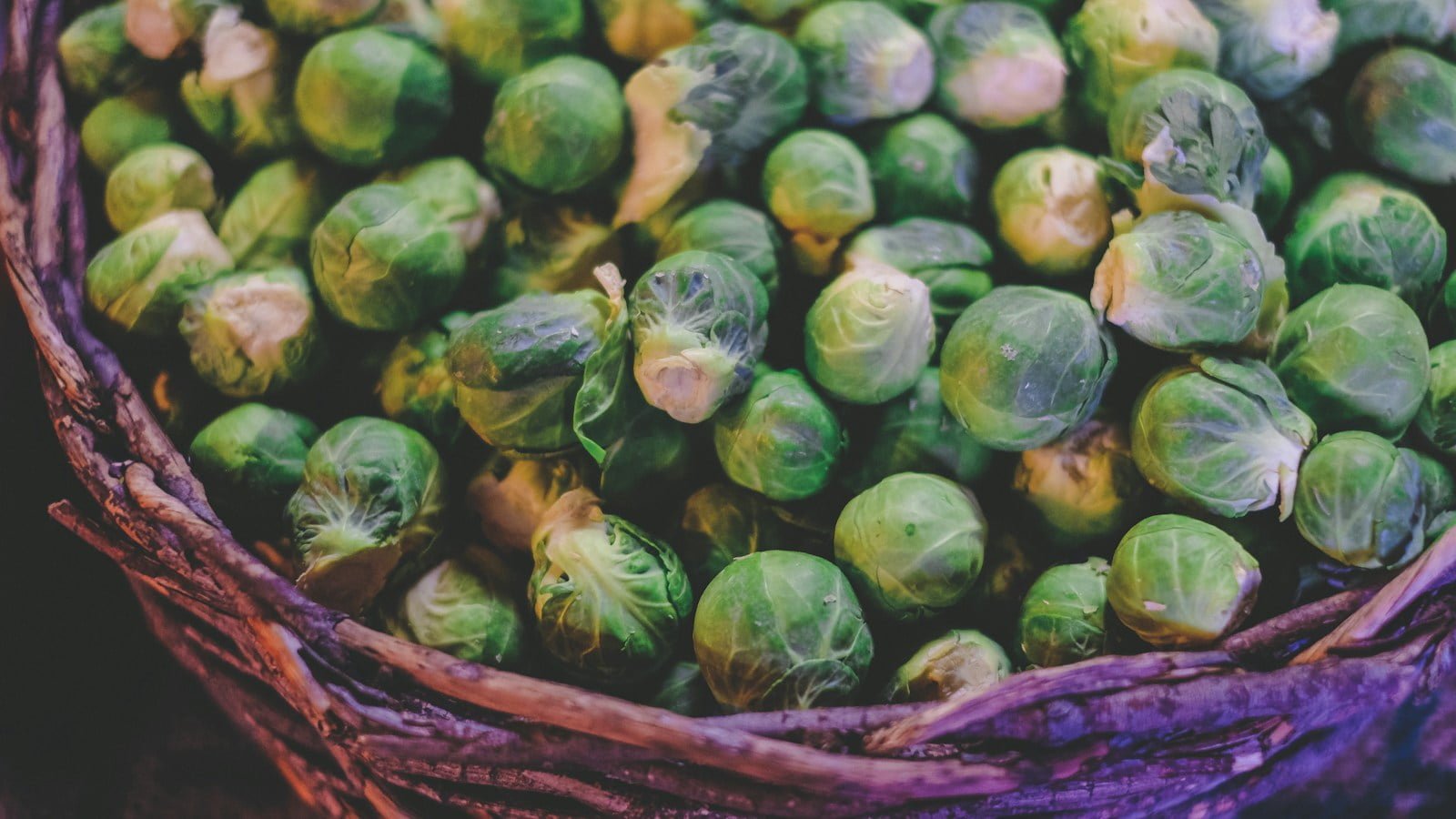
Yes, you can absolutely eat Brussels sprouts raw. In fact, eating them raw preserves certain heat-sensitive nutrients like Vitamin C and folate that are often lost during the cooking process. When finely shredded or shaved, raw Brussels sprouts offer a crunchy, peppery flavor profile similar to kale or cabbage. However, they contain complex sugars that may cause gas or bloating for some individuals, so proper preparation and portion control are key.
Is It Safe and Healthy to Eat Raw Brussels Sprouts?
While most people are accustomed to eating Brussels sprouts roasted, steamed, or sautéed, consuming them in their raw state is not only safe but highly nutritious. These miniature cabbage-like vegetables belong to the cruciferous family, which also includes broccoli, cauliflower, and kale. Eating them raw allows you to consume their enzymes and antioxidants in their most potent form. One of the primary benefits of raw Brussels sprouts is the high concentration of sulforaphane, a compound studied for its potential anti-cancer properties, which can be diminished when exposed to high heat.
From a culinary perspective, raw Brussels sprouts are often compared to a denser version of coleslaw. They have a naturally earthy, slightly bitter, and peppery taste. If you find the bitterness of cooked sprouts off-putting, you might actually prefer them raw; the sulfurous smell that often accompanies overcooked sprouts is completely absent in the raw version. Scientifically, the bitterness comes from glucosinolates. While these compounds are incredibly healthy, they can be intense. To balance this, raw preparations usually involve acidic dressings like lemon juice or apple cider vinegar, which help “cook” or soften the tough cell walls of the vegetable, making it easier to chew and digest.
However, there is a practical reason why some people avoid raw cruciferous vegetables. They contain a complex sugar called raffinose. The human body lacks the enzyme to break down raffinose in the small intestine, meaning it passes into the large intestine where bacteria ferment it. This process is what leads to the common side effect of gas and bloating. If you have a sensitive digestive system or conditions like Irritable Bowel Syndrome (IBS), you may want to start with small servings to see how your body reacts.
Step-by-Step Guide to Preparing a Raw Brussels Sprout Salad
To enjoy raw Brussels sprouts, you cannot simply pop them in your mouth like a cherry tomato. Their dense structure requires specific preparation to make them palatable. The best way to consume them is by “shaving” or finely shredding them into a slaw. This increases the surface area, allowing dressings to penetrate the leaves and soften the texture.
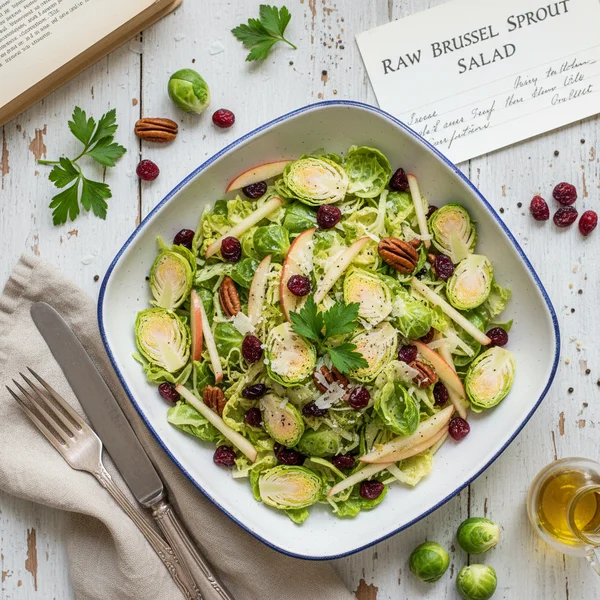
Below is a foundational recipe for a Shaved Brussels Sprout Salad that highlights the best of this vegetable’s raw potential.
Recipe Profile:
Prep time: 20 minutes
Cooking time: 0 minutes
Servings: 4
Calories: Approximately 145 calories per serving (including dressing)
Ingredients:
- 1 lb fresh Brussels sprouts (bright green and firm)
- 1/4 cup extra-virgin olive oil
- 2 tablespoons fresh lemon juice
- 1 tablespoon Dijon mustard
- 1/2 cup grated Parmesan cheese or Pecorino Romano
- 1/4 cup toasted pine nuts or slivered almonds
- Salt and freshly cracked black pepper to taste
- Optional: 1/2 cup dried cranberries or sliced apples for sweetness
Instructions:
Step 1: Clean and Trim
Begin by washing the Brussels sprouts thoroughly under cold running water. Remove any wilted or discolored outer leaves. Use a sharp knife to trim off the tough woody stem at the bottom of each sprout.
Step 2: Shred the Sprouts
There are three ways to achieve the perfect “shaved” texture. You can use a mandoline slicer for paper-thin ribbons (be sure to use a finger guard), a food processor fitted with the slicing attachment for speed, or a sharp chef’s knife to slice them as thinly as possible by hand. The thinner the slices, the better the salad will absorb the flavors.
Step 3: Prepare the Vinaigrette
In a small bowl, whisk together the olive oil, lemon juice, Dijon mustard, salt, and pepper. The acidity in the lemon juice is crucial here as it helps break down the fibrous structure of the raw greens.
Step 4: Toss and Marinate
Place the shredded sprouts in a large mixing bowl. Pour the dressing over the sprouts and use your hands or tongs to toss them thoroughly. For the best results, let the salad sit for at least 15 to 30 minutes before serving. This “marinating” period allows the leaves to wilt slightly and lose their aggressive crunch.
Step 5: Add Finishing Touches
Just before serving, fold in the grated cheese, toasted nuts, and any fruit you’ve chosen. These ingredients provide the necessary fat and sweetness to balance the natural bitterness of the sprouts.
Important Considerations and Best Practices
When deciding to eat Brussels sprouts raw, there are several factors to keep in mind to ensure the best experience and health outcomes. Not all sprouts are created equal, and how you choose them at the grocery store matters.
Selection and Storage
Look for Brussels sprouts that are small to medium-sized. Smaller sprouts tend to be sweeter and have more tender leaves, making them ideal for raw consumption. Larger sprouts can be tougher and more pungent. Ensure the heads are tightly packed; loose leaves are a sign of age. Store them in the crisper drawer of your refrigerator in a perforated plastic bag to keep them hydrated but not soggy.
Thyroid Health Concerns
Cruciferous vegetables in their raw state contain goitrogens. These are substances that can interfere with the way your thyroid gland uses iodine. For most healthy individuals, eating raw Brussels sprouts in moderation is perfectly safe. However, if you have an existing thyroid condition, such as hypothyroidism, you should consult with your doctor. Often, cooking these vegetables neutralizes many of the goitrogenic effects, so a mix of raw and cooked might be a better strategy for those with thyroid concerns.
Digestive Tips
To minimize the risk of bloating, consider pairing raw sprouts with fermented foods or taking a digestive enzyme. Massaging the shredded sprouts with a little salt and acid (like vinegar or citrus) and letting them sit can also act as a form of “pre-digestion,” softening the fibers before they even reach your stomach.
Cleanliness and Food Safety
Because raw vegetables are not exposed to the high heat that kills bacteria, washing them is paramount. Brussels sprouts grow close to the ground and their many layers can trap soil and grit. Soaking them in a bowl of water with a splash of white vinegar for a few minutes before rinsing can help ensure they are clean and safe for raw consumption.
- Use a Mandoline: For the most professional, restaurant-quality texture, use a mandoline to shave your sprouts. It ensures uniformity that a knife often can’t match.
- Balance the Bitterness: Always pair raw Brussels sprouts with something fatty (cheese, avocado, or nuts) and something acidic (vinegar or citrus) to mask the bitter compounds.
- Make Ahead: Unlike traditional lettuce salads, raw Brussels sprout slaw actually tastes better the next day as the flavors meld and the leaves soften.
- Add Sweetness: Dried fruit like raisins or fresh fruit like pomegranate seeds provide a burst of sweetness that complements the earthy flavor of the raw sprout.
Conclusion
In summary, eating Brussels sprouts raw is a fantastic way to diversify your diet and maximize your intake of essential vitamins and antioxidants. While they require a bit more preparation than their cooked counterparts—specifically through fine shredding and marinating—the result is a refreshing, crunchy addition to any meal. By following the recipe and preparation tips outlined above, you can avoid common pitfalls like bitterness or digestive discomfort. Whether you are looking for a nutrient-dense salad base or a unique side dish, raw Brussels sprouts are a versatile and healthy option worth trying.
❓ Frequently Asked Questions
1
How long does raw Brussels sprout salad last in fridge?
A raw Brussels sprout salad typically lasts for 3 to 4 days in the refrigerator. Unlike soft leafy greens, shredded sprouts are hardy and maintain their crunch even after being tossed with dressing, making them an excellent choice for meal prep or make-ahead lunches.

2
Can I make raw Brussels sprouts ahead of time?
Yes, preparing raw Brussels sprouts ahead of time is actually recommended. Shredding the sprouts and letting them marinate in an acidic dressing for 30 minutes helps break down the tough cellular structure, resulting in a more tender bite and better flavor absorption throughout the dish.
3
What can I substitute for Brussels sprouts?
The best substitute for Brussels sprouts in a raw recipe is shredded green or savoy cabbage, as they share a similar flavor profile. You can also use shredded kale or broccoli stalks, which provide a comparable crunch and hold up well to heavy dressings and seasonings.
4
How do I know when raw Brussels sprouts are done?
Since there is no cooking time involved, raw Brussels sprouts are ‘done’ once they have been cleaned, trimmed, and shredded. For the best eating experience, let them sit in your chosen dressing for at least 15 minutes to allow the flavors to meld and the leaves to soften.
5
Can I freeze raw Brussels sprouts?
You can freeze raw Brussels sprouts, but it is best to blanch them in boiling water for two minutes first. Freezing them completely raw can lead to a bitter taste and a mushy, unappealing texture once thawed, which makes them unsuitable for use in raw salads or slaws.