Can You Juice Beet Leaves? Ultimate Guide
Yes, you can absolutely juice beet leaves! In fact, beet greens are often more nutrient-dense than the beet roots themselves. They are packed with vitamins A, C, and K, as well as essential minerals like potassium and magnesium. While they have a slightly earthy and salty flavor profile, they can be easily balanced with sweet fruits or citrus to create a highly nutritious, refreshing beverage that supports heart health and detoxification.
The Nutritional Powerhouse: Why You Should Juice Beet Leaves
Many people discard the vibrant green tops of the beetroot, unaware that they are tossing away one of the most nutrient-rich parts of the plant. Beet leaves, or beet greens, are chemically similar to Swiss chard and spinach, offering a complex profile of phytonutrients. When you juice these leaves, you unlock a concentrated dose of Vitamin K, which is essential for blood clotting and bone health, and Vitamin A in the form of beta-carotene, which supports eye health and immune function.
From a physiological standpoint, beet leaves are rich in nitrates. Much like the roots, these nitrates are converted into nitric oxide in the body, which helps dilate blood vessels, improve circulation, and potentially lower blood pressure. This makes a juice containing beet leaves an excellent pre-workout drink or a heart-healthy tonic. Additionally, the greens contain lutein and zeaxanthin, two powerful antioxidants that are specifically beneficial for protecting the macula of the eye from oxidative stress and blue light damage.
The flavor of beet leaf juice is distinctly “green” and earthy, with a subtle saltiness due to the high mineral content. Because the leaves contain oxalic acid, they can have a slightly astringent or “fuzzy” mouthfeel if consumed in very high concentrations. However, when mixed with other vegetables or fruits, this bitterness is minimized. Using a high-speed blender or a dedicated juicer allows you to capture these nutrients in a bioavailable liquid form, making it much easier for the body to absorb the vitamins than if you were to eat a large, raw salad.
How to Juice Beet Leaves: A Step-by-Step Guide
Juicing beet leaves requires a bit of preparation to ensure you get the best yield and the most palatable flavor. Whether you are using a centrifugal juicer, a masticating juicer, or a high-powered blender, the process is straightforward but benefits from a few professional touches.
Step 1: Proper Cleaning and Sorting
Beet leaves often harbor dirt and grit because they grow close to the soil. Submerge the leaves in a bowl of cold water for a few minutes, swishing them around to loosen any debris. Rinse them thoroughly under running water. Inspect the leaves for any yellowing or wilting and discard those parts. If the stems are very thick and woody, you may want to trim the bottom inch, but generally, the stems are full of juice and should be included.
Step 2: Preparing for the Juicer or Blender
If you are using a juicer, roll the leaves into tight bundles or “cigars.” This helps the juicer’s auger or blade grab the greens more effectively, increasing the juice yield. If you are using a blender to create a whole-food juice, roughly chop the leaves into two-inch pieces. This prevents the long fibers from wrapping around the blender blades.
Step 3: Balancing the Flavor
To make the juice truly refreshing, you should combine the beet leaves with other ingredients. A classic combination includes one green apple, half a cucumber for hydrating properties, and a squeeze of lemon. The acidity of the lemon helps neutralize the earthy notes of the beet greens. If you prefer a chilled beverage, this is the stage where you should prepare your glassware.
Step 4: Processing
Feed the leaf bundles through the juicer, followed by a harder vegetable like a carrot or cucumber to “push” the remaining leaf juice through the machine. If using a blender, add a splash of coconut water or plain water, the greens, and some ice. Blend on high until completely smooth. If you prefer a thinner consistency, you can strain the blended mixture through a nut milk bag.
Step 5: Serving and Storage
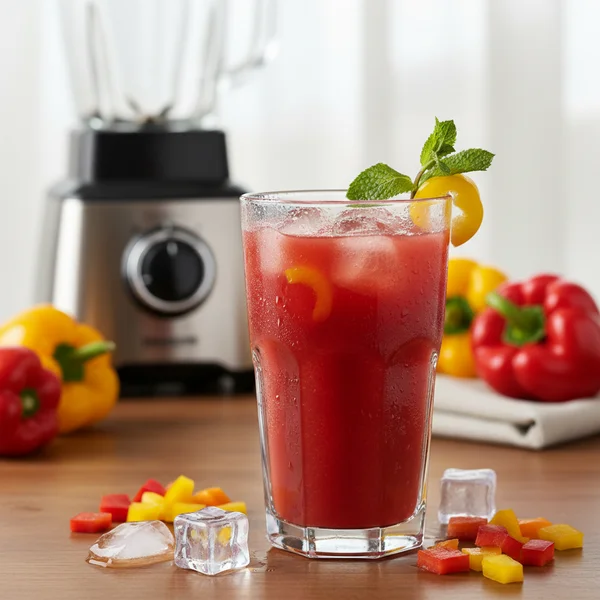
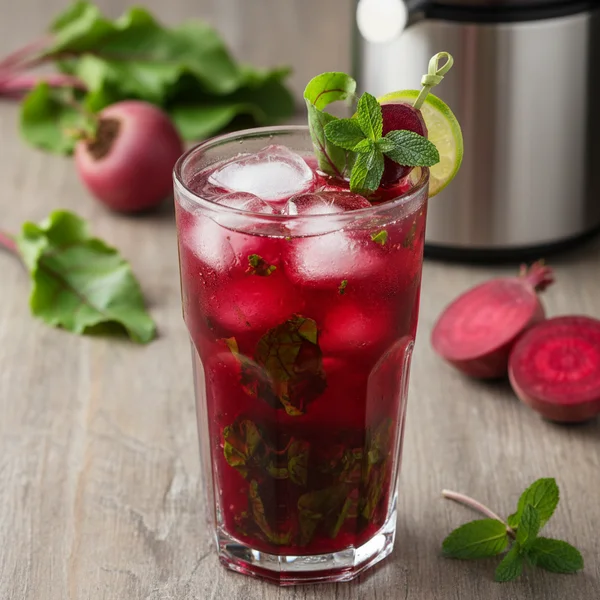
Beet leaf juice is best enjoyed immediately to prevent oxidation. Serve it in a chilled glass over fresh ice. For a touch of elegance, you can use a small, tender beet leaf as a garnish on the rim of the glass. If you have leftovers, store them in an airtight glass jar in the refrigerator for no more than 24 hours.
Important Considerations and Best Practices
While beet leaves are incredibly healthy, there are a few things to keep in mind to ensure your juicing experience is both safe and delicious. The primary concern with raw beet greens is their oxalate content. Oxalates are naturally occurring compounds that can contribute to the formation of kidney stones in susceptible individuals. If you have a history of kidney stones, it is wise to consult with a doctor before making beet leaf juice a daily habit. Rotating your greens—using beet leaves one day, and kale or romaine the next—is a great way to mitigate this risk.
Another consideration is the sourcing of your greens. Because the leaves have a large surface area, they can accumulate pesticides if they are not grown organically. Always try to purchase organic beets with the tops attached, or grow your own in a home garden. If you cannot find organic, a thorough wash with a vinegar-and-water solution is recommended.
Texture and temperature also play a role in how much you will enjoy the juice. Green juices can sometimes feel “heavy” on the palate. To make the drink more hydrating and light, always aim for a high water-content base, such as celery or cucumber. Additionally, serving the drink chilled is essential. The cold temperature mutes the bitterness of the greens and makes the juice far more refreshing than if it were served at room temperature. If you find the taste too intense, you can also use frozen beet leaves. Freezing the leaves slightly changes their cellular structure and can result in a smoother blend if you are using a blender.
- Mix with Citrus: Adding lemon or lime not only improves the taste but also increases the absorption of the non-heme iron found in beet leaves.
- Utilize the Stems: Don’t throw away the red or golden stems! They contain much of the pigment and juice that make beets so healthy.
- The Blender Method: If you don’t own a juicer, use a high-speed blender with plenty of ice to create a chilled, nutrient-dense smoothie that retains all the fiber.
- Storage Hack: If your beet leaves are wilting, wash them and place them in a freezer bag. Using frozen leaves in your blender creates a thick, frosty texture similar to a frappe.
- Beautiful Garnish: Save the smallest, prettiest leaf to use as a garnish; it signals the fresh, earthy ingredients inside the drink.
Conclusion
Juicing beet leaves is a fantastic way to reduce food waste while significantly boosting your intake of essential vitamins and minerals. These greens provide a unique earthy flavor that, when paired correctly with hydrating ingredients like cucumber and tart fruits like apples, creates a balanced and refreshing tonic. Whether you process them in a high-speed blender for a fiber-rich drink or a juicer for a concentrated shot of nutrients, beet leaves are a versatile addition to any wellness routine. By serving your juice chilled and following proper preparation steps, you can turn a commonly discarded vegetable top into your new favorite health beverage.
❓ Frequently Asked Questions
1
How long does beet leaf juice last in fridge?
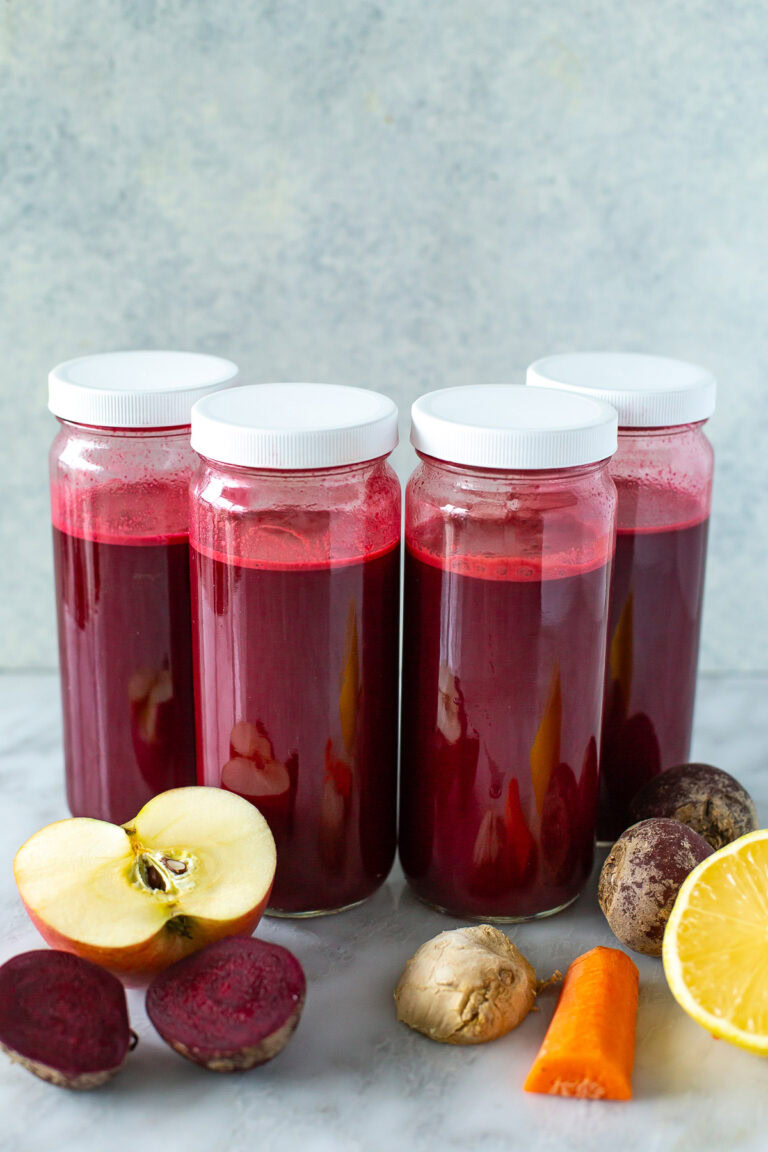
Fresh beet leaf juice is best consumed immediately for the highest nutrient density. However, you can store it in an airtight glass container in the refrigerator for up to 24 hours. If the juice separates during storage, simply give it a quick shake or stir before drinking.

2
Can I make beet leaf juice ahead of time?
While you can prep the leaves in advance by washing and drying them, it is better to juice them right before serving. Fresh juice oxidizes quickly, which can affect the vibrant flavor and reduce the potency of the vitamins and antioxidants found in the beet greens.
3
What can I substitute for beet leaves?
If you run out of beet leaves, Swiss chard is the closest substitute as they belong to the same botanical family. Spinach or kale also work well in green juice recipes, though they may have a slightly different flavor profile ranging from mild to more bitter or earthy.
4
How do I know when the juice is done?
The process is complete once you have extracted all the liquid from the greens. If using a blender, you are done when the mixture is completely smooth. After straining through a nut milk bag or fine-mesh sieve, you should have a vibrant, pulp-free, hydrating liquid ready to enjoy.
5
Can I freeze beet leaf juice?
Yes, you can freeze beet leaf juice in silicone ice cube trays for long-term storage. This is a great way to preserve the nutrients for later use in smoothies. Once frozen, transfer the cubes to a freezer-safe bag; they will stay fresh for up to three months.