Can You Juice Cauliflower? Complete Guide
Yes, you can absolutely juice cauliflower! While it may seem like an unconventional choice compared to kale or celery, cauliflower is an excellent addition to a liquid diet. It provides a mild, slightly nutty flavor and a wealth of nutrients, including Vitamin C, Vitamin K, and folate. Because it is naturally low in sugar and high in water content, it creates a hydrating and refreshing base for green juices or savory vegetable blends when served chilled over ice.

Is Juicing Cauliflower Effective and Beneficial?
When most people think of juicing, they envision vibrant oranges, deep green spinach, or earthy beets. However, cauliflower is a “sleeper” hit in the world of beverage extraction. As a member of the cruciferous family, cauliflower shares many of the same nutritional hallmarks as broccoli and Brussels sprouts but with a significantly more neutral flavor profile. This makes it an ideal candidate for those who want the health benefits of cruciferous vegetables without the overpowering “swampy” taste that sometimes accompanies juiced greens.
The Nutritional Profile of Cauliflower Juice
Cauliflower is incredibly nutrient-dense. When you juice it, you are extracting a concentrated dose of phytochemicals and antioxidants. It is particularly high in glucosinolates and isothiocyanates, two groups of antioxidants that have been studied for their potential to support cellular health and detoxification. Furthermore, cauliflower is a powerhouse of Vitamin C, which is essential for immune function and skin health. Because juicing removes the heavy insoluble fiber, these nutrients are often absorbed more quickly by the body, providing a fast-acting, hydrating boost to your system.
Flavor Dynamics and Texture
In terms of palate, raw cauliflower juice has a crisp, slightly peppery, and nutty undertone. It isn’t sweet like carrot juice, nor is it as sharp as ginger. Instead, it acts as a “volume builder” in recipes. Its high water content makes the resulting liquid very hydrating and thin, similar to cucumber juice. If you find the raw flavor too potent, it can easily be masked by adding citrus or green apples. Many enthusiasts prefer to use a blender and then strain the mixture to ensure they capture every bit of moisture while maintaining a smooth, refreshing consistency that feels light on the tongue.
Hydrating Properties and Micronutrients
One of the primary reasons to juice cauliflower is its high water percentage. In a world where many people struggle with daily fluid intake, cauliflower juice serves as a functional beverage that is more interesting than plain water but less sugary than fruit juice. It is naturally electrolyte-rich, containing potassium and magnesium, which are vital for maintaining fluid balance in the body. Whether you are drinking it as a morning tonic or a post-workout recovery drink, the hydrating qualities of this vegetable are undeniable, especially when served chilled.
How to Juice Cauliflower: A Step-by-Step Guide
Juicing cauliflower is a straightforward process, but because the florets are crumbly, there are specific techniques to ensure you get the highest yield possible. You can use either a dedicated juicer or a high-speed blender, depending on the equipment you have available in your kitchen.
Step 1: Selection and Preparation
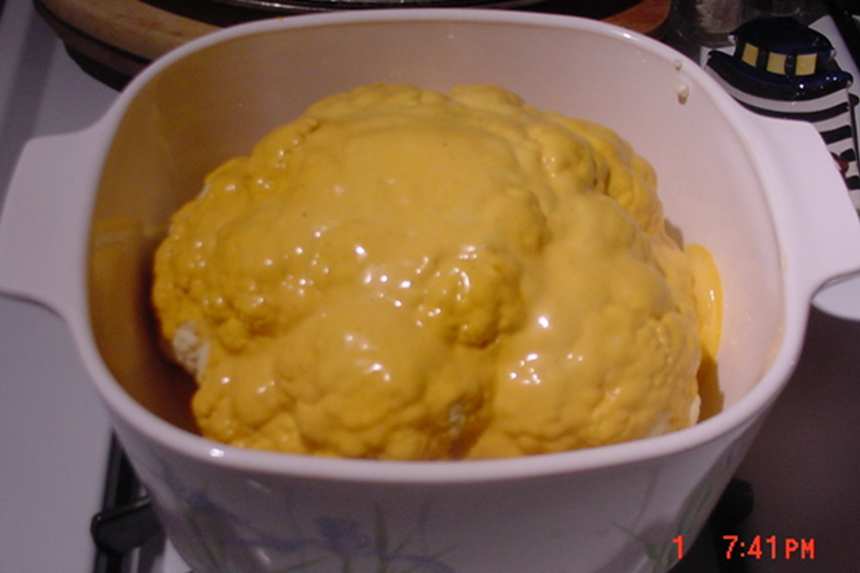
Start with a fresh, heavy head of cauliflower. Look for tightly packed florets that are creamy white with no brown spots. If you are in a pinch, you can even use frozen cauliflower, provided you let it thaw slightly first so it doesn’t damage your equipment. Wash the head thoroughly under cold water. You don’t need to discard the leaves or the stem; the stalks are actually very juicy and contain high concentrations of nutrients. Chop the cauliflower into small pieces that will easily fit into your juicer’s feed chute or your blender container.
Step 2: The Extraction Process
If using a juicer: Turn on your machine and feed the florets and stems through slowly. If you are using a centrifugal juicer, you may want to bunch the cauliflower with a leaf of kale or spinach to help the machine “grab” the smaller crumbles. If you have a masticating (slow) juicer, you will find that it handles cauliflower exceptionally well, squeezing out a surprisingly large amount of liquid.
If using a blender: Place the chopped cauliflower in the blender. To assist the blades, add a small amount of water or a liquid base like coconut water. Pulse until the mixture is a fine puree. To transform this into juice, pour the puree through a nut milk bag or a fine-mesh strainer into a pitcher. Squeeze the bag firmly to extract all the refreshing liquid, leaving the dry pulp behind.
Step 3: Enhancing the Flavor
Cauliflower juice on its own is quite “earthy.” To make it a truly enjoyable beverage, consider your add-ins. A squeeze of lemon or lime provides acidity that cuts through the nuttiness. Adding a thumb of ginger provides a spicy kick that complements the peppery notes of the cauliflower. If you prefer a sweeter drink, half a green apple or a few stalks of carrots work wonders.
Step 4: Serving and Storage
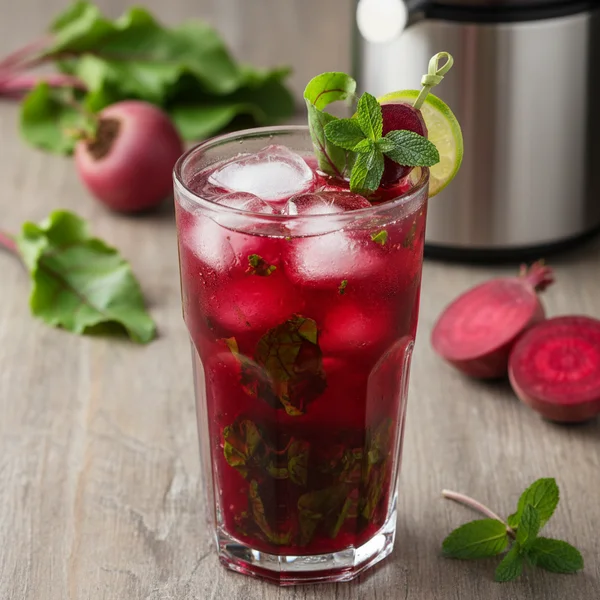
Fresh vegetable juice oxidizes quickly, so it is best consumed immediately. Pour the juice into a glass filled with ice to ensure it is perfectly chilled. The cold temperature helps to mellow the cruciferous scent. For a professional touch, add a garnish such as a sprig of mint or a thin slice of cucumber. If you must store it, use an airtight glass jar and keep it in the refrigerator for no more than 24 hours.

Important Considerations and Common Mistakes
While cauliflower juice is a nutritional goldmine, there are a few things to keep in mind to ensure your experience is positive and your health remains a priority. Like all cruciferous vegetables, cauliflower contains compounds that can affect the body in specific ways when consumed in large, concentrated amounts.
Digestive Sensitivity and Bloating
Cauliflower is known for containing complex sugars (oligosaccharides) that can sometimes cause gas or bloating in sensitive individuals. When you juice the vegetable, you remove the bulk of the fiber, which generally makes it easier to digest. However, the concentrated sulfur compounds remain. If you are new to juicing cruciferous vegetables, start with a small amount—perhaps a quarter of a head—to see how your stomach reacts before moving to larger quantities.
Thyroid Concerns (Goitrogens)
Raw cauliflower, like kale and broccoli, contains goitrogens. These are naturally occurring substances that can interfere with iodine uptake in the thyroid if consumed in very high amounts. For most healthy individuals, drinking cauliflower juice as part of a varied diet is perfectly safe. However, if you have a pre-existing thyroid condition, you may want to consult with a healthcare professional or consider lightly steaming the cauliflower before blending and straining it, as heat deactivates many goitrogenic compounds.
Balancing the “Sulfur” Scent
One common mistake is juicing cauliflower that is slightly past its prime. Older cauliflower develops a much stronger sulfurous odor, which becomes very apparent once the cell walls are broken down during juicing. Always use the freshest produce possible. Furthermore, never leave your cauliflower juice sitting at room temperature; the heat will accelerate the development of those strong smells. Keeping the juice chilled or adding ice immediately is the best way to preserve the refreshing, neutral profile you want.
- Mix with Citrus: The Vitamin C in lemon or lime juice doesn’t just add flavor; it also helps your body absorb the iron found in the cauliflower.
- Use the Stalks: Don’t throw away the “core” of the cauliflower. It actually contains more water than the florets and will increase your juice yield significantly.
- Temperature is Key: Always drink cauliflower juice chilled. The colder it is, the more refreshing and crisp the flavor becomes.
- Blender Shortcut: If you don’t have a juicer, use a high-speed blender with frozen cauliflower rice. It blends quickly and acts as its own ice, creating a slushy, hydrating drink.
- Garnish for Success: A simple garnish like a celery stalk or a lemon wheel can make the drink feel like a gourmet mocktail.
Conclusion
In summary, cauliflower is a versatile and highly beneficial vegetable that deserves a spot in your juicing routine. By using a juicer or a blender, you can unlock a hydrating, nutrient-dense beverage that supports immune health and provides a refreshing alternative to sugary fruit juices. While it requires a bit of flavor balancing with ingredients like citrus or ginger, the result is a sophisticated, chilled drink that is as healthy as it is unique. Start with fresh ingredients, serve it over ice, and enjoy the many wellness benefits this cruciferous vegetable has to offer.
❓ Frequently Asked Questions
1
How long does cauliflower juice last in fridge?
Cauliflower juice is best consumed immediately to prevent oxidation and nutrient loss. However, you can store it in an airtight glass container for up to 24 hours. If it begins to smell overly pungent or changes color significantly, it is best to discard it and make a fresh batch.
2
Can I make cauliflower juice ahead of time?
While you can make it a day ahead, the flavor profile of cauliflower intensifies over time, which might make it less palatable. If you must prepare it in advance, add extra lemon juice to act as a natural preservative and keep it tightly sealed in the coldest part of the refrigerator.
3
What can I substitute for a juicer?
If you don’t own a juicer, a high-speed blender works perfectly. Simply blend the cauliflower with a small amount of water or coconut water, then pour the mixture through a nut milk bag or fine-mesh strainer to remove the fibrous pulp, leaving you with smooth, refreshing juice.
4
How do I know when cauliflower juice is done?
The process is complete once you have extracted all the liquid from the florets. If using a juicer, the pulp will appear dry. If using a blender, the mixture should be completely liquefied before straining. The resulting liquid should be thin, hydrating, and ready for an optional garnish.
5
Can I freeze cauliflower juice?
Yes, you can freeze cauliflower juice in ice cube trays for later use. This is a great way to add a nutritional boost to future smoothies or soups without altering the flavor too much. Once frozen, transfer the cubes to a freezer-safe bag for up to three months.