Drinks with Vitamin C: Best Refreshing Recipes
In the quest for optimal health, few nutrients carry as much weight as Vitamin C. Known scientifically as ascorbic acid, this potent antioxidant is a cornerstone of immune function, collagen synthesis, and cellular repair. While many people reach for a supplement capsule, the most bioavailable and enjoyable way to consume this nutrient is through a variety of vibrant, delicious beverages. Whether you are looking for a morning pick-me-up or a post-workout recovery aid, incorporating drinks with vitamin C into your daily routine offers a synergistic blend of hydration and nourishment. In this guide, we will explore the best natural sources, creative preparation methods, and how to maximize the nutrient density of your liquid refreshments.
Natural drinks with vitamin C, such as citrus juices, tropical smoothies, and herbal infusions, provide superior absorption compared to synthetic supplements while contributing to your daily hydration goals.
The Power of Citrus: Classic Sources of Vitamin C
When most people think of Vitamin C, the humble orange immediately comes to mind. Citrus fruits are the gold standard for accessible, high-yield nutrients. An eight-ounce glass of freshly squeezed orange juice can provide over 100% of the daily recommended intake for an adult. However, the world of citrus extends far beyond just oranges. Grapefruits, lemons, and limes offer varying concentrations of the vitamin along with unique phytochemicals that support cardiovascular health.
To get the most out of these fruits, it is best to consume them as soon as they are juiced. Vitamin C is highly sensitive to light and heat, meaning it begins to degrade the moment it is exposed to the air. A chilled glass of grapefruit juice provides a tart, refreshing alternative to sweeter options, while also providing lycopene—a powerful antioxidant found in the ruby-red varieties. For those who find pure citrus juice too intense, a common practice is to dilute it with sparkling water. This creates a hydrating spritzer that is both sophisticated and nutrient-dense.
Comparing citrus sources can help you tailor your intake based on your flavor preferences and nutritional needs:
| Fruit Type (Per 100g) | Vitamin C Content | Primary Benefit |
|---|---|---|
| Orange | 53 mg | Immune support and fiber |
| Lemon | 53 mg | Digestion and detoxification |
| Grapefruit | 31 mg | Metabolic health |
| Lime | 29 mg | Skin health and acidity balance |
Tropical Smoothies: Using the Blender for Maximum Nutrition
If you want to move beyond simple juices, the blender is your best friend. Smoothies allow you to incorporate the whole fruit, including the pulp and fiber, which slows the absorption of natural sugars. Tropical fruits like kiwi, guava, and acerola cherries are absolute powerhouses when it comes to Vitamin C concentration. In fact, a single kiwi contains more Vitamin C than an average-sized orange, and a guava contains nearly four times the amount found in citrus.

To create a frozen treat that doubles as a health tonic, combine frozen mango chunks, fresh kiwi, and a splash of coconut water in your blender. Adding a handful of ice creates a thick, slushy texture that is incredibly satisfying on a hot day. The beauty of the smoothie method is the ability to layer flavors. You can add strawberries—another excellent source of Vitamin C—to balance out the tartness of tropical fruits. Because these drinks are often thick, they feel more like a meal or a substantial snack, helping with satiety while delivering a massive micronutrient boost.
When preparing these blends, consider adding a pinch of camu camu powder. Camu camu is a small berry from the Amazon rainforest that has the highest recorded Vitamin C content of any plant in the world. Even a small teaspoon added to your refreshing smoothie can elevate the nutrient profile significantly without drastically altering the flavor.

Hydrating Herbal Infusions and Infused Waters
Not all drinks with vitamin C have to be fruit-heavy or caloric. For those focused on weight management or constant hydrating throughout the day, herbal infusions and fruit-infused waters are excellent choices. Rosehip tea is one of the most traditional and effective ways to drink your vitamins. Rosehips are the round portion of the rose flower just below the petals and are incredibly rich in ascorbic acid. When steeped in hot (but not boiling) water, they release a tangy, floral flavor that is naturally caffeine-free.
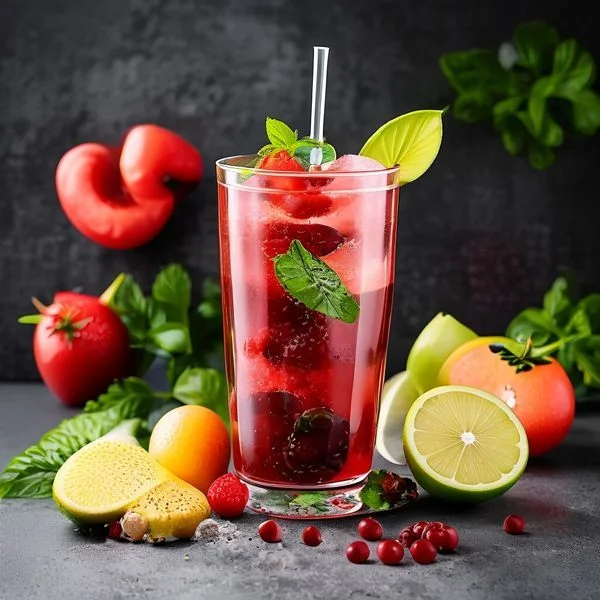
Hibiscus tea is another fantastic option. It boasts a deep red hue and a flavor profile similar to cranberries. It is not only high in Vitamin C but has also been studied for its potential to support healthy blood pressure levels. If you prefer something chilled, you can brew these teas in advance and keep them in the refrigerator. Serving hibiscus tea over ice with a sprig of mint garnish creates a visually stunning and healthful beverage that rivals any sugary soda.
Infused waters, often called “spa water,” are another way to subtly increase your intake. By adding slices of cucumber, lemon, and strawberries to a large pitcher of water, you allow the water-soluble vitamins to leach into the liquid. While the concentration isn’t as high as a juice, it encourages more frequent water consumption, ensuring you stay hydrating while receiving a steady stream of antioxidants throughout the day.
Green Juices and Savory Vegetable Blends
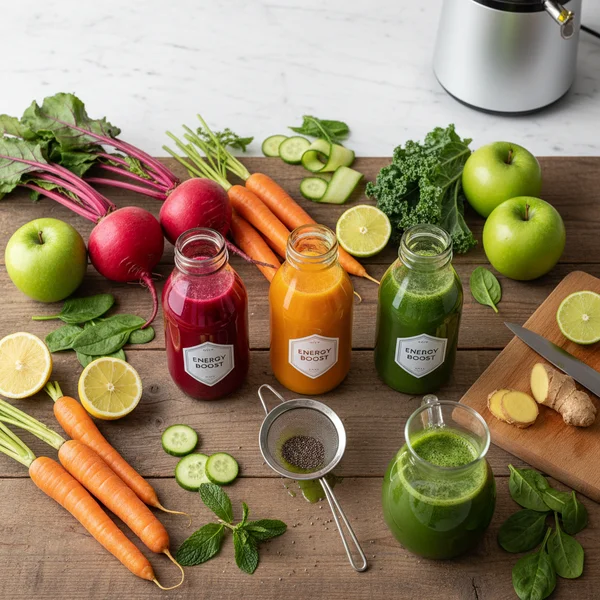
While fruit gets most of the glory, certain vegetables are surprisingly high in Vitamin C. Red bell peppers, for instance, contain significantly more Vitamin C than oranges. When juiced or blended into a savory drink, they provide a unique flavor profile that pairs well with other “green” ingredients. A juice made from kale, spinach, parsley, and green apples is a nutrient-dense powerhouse. Parsley is an overlooked herb that is exceptionally high in both Vitamin C and Vitamin K.
To make these savory drinks more palatable, many people use a base of celery or cucumber for high water content. This ensures the drink remains refreshing rather than overly thick or bitter. If you find the taste of green juice too “earthy,” adding a squeeze of fresh lemon or lime not only adds another layer of Vitamin C but also helps the body absorb the non-heme iron found in the leafy greens. This synergy between Vitamin C and iron absorption is a key reason why vegetable-based drinks are so beneficial for those on plant-based diets.
For a spicy twist, adding a small amount of fresh ginger to your blender when making a vegetable juice can provide anti-inflammatory benefits. The heat of the ginger balances the cool, hydrating properties of the vegetables, making for a complex and invigorating drink that supports overall wellness.
Expert Tips for Maximizing Vitamin C in Beverages
To truly benefit from drinks with vitamin C, you need to understand the fragile nature of the nutrient. Vitamin C is a volatile molecule; it is easily destroyed by heat, light, and oxygen. Professional nutritionists often recommend a “press and drink” approach. The longer a juice sits on a counter or in a clear bottle, the less potent it becomes. If you must store your drinks, use opaque, airtight containers and keep them chilled in the coldest part of your refrigerator.
Another expert recommendation is to vary your sources. Don’t just stick to orange juice. By rotating between strawberries, bell peppers, kiwi, and hibiscus, you ensure you are receiving a broad spectrum of co-factors and bioflavonoids that assist in the absorption and utilization of Vitamin C. Lastly, don’t forget the garnish. Adding a twist of citrus peel to your drink provides essential oils and limonene, which offer additional health benefits and an aromatic experience that enhances the overall enjoyment of the beverage.
- Always add a source of fat, like a few slices of avocado or a teaspoon of flax oil, to your fruit smoothies to help stabilize blood sugar response.
- Use frozen fruit instead of ice in your blender to prevent diluting the flavor while maintaining a cold, chilled temperature.
- Avoid boiling water when making rosehip or hibiscus tea; let the water cool for two minutes after boiling to preserve the Vitamin C content.
Conclusion
Incorporating a variety of drinks with vitamin C into your lifestyle is one of the simplest and most effective ways to bolster your health. From the tart zest of a chilled citrus juice to the nutrient-dense complexity of a frozen tropical smoothie, these beverages offer far more than just flavor. They provide the essential tools your body needs to maintain a strong immune system and healthy skin. By focusing on fresh ingredients, utilizing your blender wisely, and staying hydrating with herbal infusions, you can easily meet and exceed your nutritional goals. Start today by swapping one sugary soda for a refreshing, Vitamin C-rich alternative.
❓ Frequently Asked Questions
1
How long does vitamin C juice last in fridge?
While best consumed immediately, these drinks can last up to 24 hours in the fridge. Vitamin C is sensitive to light and air, so store it in an airtight, opaque container to preserve as many nutrients as possible. Give it a quick shake before drinking to recombine ingredients.
2
Can I make vitamin C drinks ahead of time?
You can prep ingredients ahead of time, but it is best to blend them right before serving. If you must make it in advance, add a splash of lemon juice to act as a natural preservative and keep the mixture cold to minimize nutrient degradation over time.
3
What can I substitute for citrus fruits?
If you want to avoid citrus, strawberries, bell peppers, kiwi, and papaya are excellent sources of vitamin C. Kiwi provides a similar tang, while strawberries add a lovely sweetness. You can easily swap these into your blender for a refreshing, high-vitamin alternative that is just as hydrating.
4
How do I know when the drink is perfectly blended?
The drink is ready when the texture is completely smooth and no large chunks of fruit remain. If you are using greens like kale, look for a vibrant, uniform color. Using a high-speed blender ensures a silky consistency that makes the hydrating beverage much more enjoyable to drink.
5
Can I freeze these vitamin C drinks?
Yes, you can freeze these drinks into refreshing ice pops or cubes. This is a great way to preserve the nutrients for a hot day. Simply pour the mixture into molds and freeze. While some vitamin C may be lost during the freezing process, it remains a healthy treat.