Beet and Kale Juice Benefits: Ultimate Healthy Guide
The journey toward optimal health often leads to the discovery of potent, natural tonics that provide a concentrated dose of vitality. Among the most revered of these beverages is the combination of earthy beets and nutrient-dense kale. Understanding the specific beet and kale juice benefits is essential for anyone looking to enhance their daily wellness routine. This vibrant elixir serves as a powerhouse of antioxidants, nitrates, and essential minerals that work synergistically to support various bodily functions. Whether you are an athlete looking for a natural edge or someone seeking a nutritional reset, this juice offers a refreshing and effective solution. In the following sections, we will explore the science behind these ingredients and how to best incorporate them into your lifestyle.
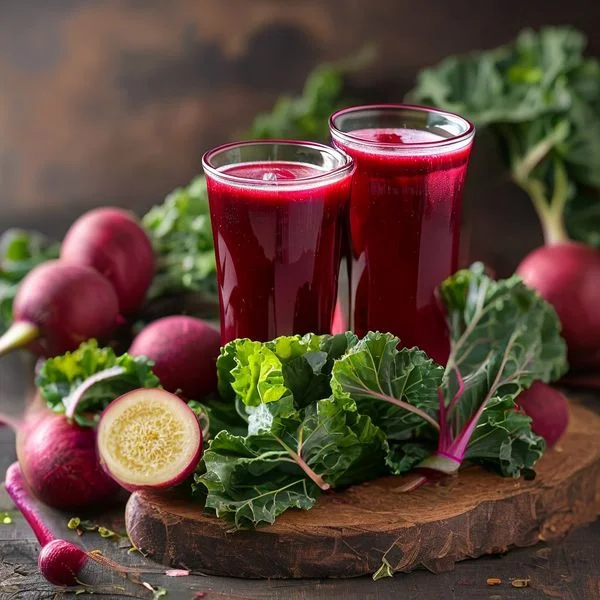
Combining beets and kale creates a nutrient-dense beverage that significantly improves cardiovascular health, enhances natural detoxification, and boosts physical stamina through high nitrate and antioxidant content.
Cardiovascular Support and the Power of Nitrates
One of the most significant beet and kale juice benefits is the profound impact it has on the cardiovascular system. Beets are naturally high in dietary nitrates, which the body converts into nitric oxide. This molecule acts as a vasodilator, relaxing and dilating blood vessels to allow for smoother blood flow. When blood vessels are dilated, the heart does not have to work as hard to pump blood throughout the body, which can lead to more stable blood pressure levels.
Kale complements this action by providing a substantial amount of Vitamin K and fiber. Vitamin K is crucial for regulating blood clotting and ensuring that calcium is properly utilized in the bones rather than accumulating in the arteries. Together, these two ingredients create a defensive shield for the heart. Furthermore, the presence of potassium in both vegetables helps balance sodium levels, further supporting a healthy circulatory system. Regular consumption of this juice, particularly when served chilled to preserve the delicate enzymes, can be a proactive way to manage long-term heart health.
Enhanced Detoxification and Liver Function
The liver is the primary filtration system of the human body, and the specific compounds found in beets and kale provide the fuel it needs to operate efficiently. Beets contain a unique group of phytonutrients called betalains. These pigments are not only responsible for the deep crimson color of the juice but also play a critical role in Phase II detoxification. During this process, the liver neutralizes toxins and prepares them to be excreted from the body.
Kale adds to this detoxifying power through its high concentration of sulfur-containing compounds known as glucosinolates. These compounds support the liver’s natural ability to clear out environmental pollutants and metabolic waste. This beverage is incredibly hydrating, which is essential for flushing the kidneys and maintaining a clear complexion. By integrating this drink into your morning routine, you provide your internal organs with a refreshing “cleanse” that encourages metabolic efficiency and reduces inflammation across various tissues.
Comparing Preparation Methods: Juicing vs. Blending
When preparing this beverage, many people wonder whether they should use a dedicated juicer or a high-speed blender. Both methods offer distinct advantages depending on your nutritional goals.
| Feature | Juicing | Blending (Smoothie) |
|---|---|---|
| Fiber Content | Minimal; pulp is removed | High; all fiber is retained |
| Absorption Rate | Rapid nutrient uptake | Slower, sustained release |
| Texture | Thin and refreshing | Thick and filling |
Using a high-powered blender allows you to keep the fiber from the kale and beet skins, which is beneficial for digestive health and blood sugar regulation. To achieve a juice-like consistency in a blender, you can add extra water and ice or use frozen beet chunks to keep the mixture cold during the high-speed friction. For those who prefer a traditional juice, the liquid extract provides a concentrated burst of vitamins that enters the bloodstream almost immediately, making it an excellent pre-workout or mid-day pick-me-up.
Athletic Performance and Natural Energy
The “beet and kale juice benefits” extend into the world of sports and fitness as well. The nitrates in beets are famous for improving mitochondrial efficiency. Mitochondria are the powerhouses of our cells; when they work more effectively, the body requires less oxygen to perform the same amount of physical work. This translates to increased stamina and reduced fatigue during intense exercise sessions.
Kale contributes to this energy boost by providing iron and B vitamins, which are essential for cellular energy production and oxygen transport. Because the flavor of raw kale and beets can be quite intense, many people choose to blend them with a touch of apple or ginger. Adding a garnish of fresh mint or a squeeze of lemon can make the drink more palatable and refreshing. When consumed about 90 minutes before a workout, this drink acts as a natural, caffeine-free performance enhancer that supports muscle recovery post-exercise.
Immune Support and Skin Vitality
Beyond internal health, this combination works wonders for external appearance and immune resilience. Kale is one of the world’s most concentrated sources of Vitamin C, which is a necessary precursor for collagen production. Collagen is the structural protein that keeps skin firm and youthful. Combined with the antioxidants in beets, this juice helps combat oxidative stress caused by UV exposure and pollution.
The hydrating nature of the juice ensures that the skin remains plump and glowing. Furthermore, the high Vitamin A content in kale supports the health of the mucous membranes, providing a first line of defense against seasonal bugs. Drinking this mixture chilled ensures that the heat-sensitive Vitamin C remains intact, providing the maximum possible benefit to your immune system. It is a holistic approach to beauty and health that starts from within.
Expert Tips for the Perfect Drink
To maximize the nutritional profile and taste of your beverage, consider the quality of your ingredients. Always wash your kale thoroughly to remove any grit, and if you are using a blender, remove the tough inner ribs of the kale to ensure a smoother texture. If the earthy taste of beets is too overwhelming, adding a small amount of frozen pineapple or citrus can balance the flavors beautifully.
Professionals recommend drinking your juice immediately after preparation. However, if you must store it, use an airtight glass container and keep it in the refrigerator to minimize oxidation. For the best sensory experience, serve the juice over ice with a light garnish of parsley or a slice of cucumber. This not only makes the drink look more appealing but also adds subtle layers of flavor that make the health routine feel like a treat.
- Peel your beets if you prefer a less earthy flavor, as most of the “dirt” taste resides in the outer skin.
- Add a pinch of black pepper or a small piece of fresh turmeric to the blender to enhance the anti-inflammatory properties of the juice.
- If you find the juice too thick, strain it through a nut milk bag to achieve a silky, refreshing consistency.
Combining beets and kale into a single juice or smoothie is a simple yet transformative habit for anyone seeking better health. The beet and kale juice benefits range from improved cardiovascular performance and liver detoxification to radiant skin and increased athletic endurance. By utilizing a blender or juicer and incorporating refreshing elements like ice and citrus, you can create a beverage that is as delicious as it is functional. Embrace this vibrant green and purple elixir as a foundational part of your wellness journey and enjoy the sustained energy and vitality it provides.
❓ Frequently Asked Questions
1
How long does beet and kale juice last in fridge?
Fresh beet and kale juice is best consumed immediately, but it can last in the fridge for up to 24 hours. Store it in an airtight glass jar to minimize oxidation. If you notice a significant change in color or smell, it is best to discard it.

2
Can I make beet and kale juice in a blender?
Yes, you can easily use a high-speed blender if you do not have a juicer. Simply blend the ingredients with a little water or coconut water, then strain the mixture through a nut milk bag or fine-mesh sieve to remove the pulp for a smooth, hydrating drink.
3
What is the best time to drink this juice?
Many people find that drinking this juice in the morning on an empty stomach provides the best results for energy and digestion. The natural nitrates in beets can also provide a significant performance boost if consumed about 30 to 60 minutes before a workout or physical activity.
4
What can I substitute for kale?
You can substitute kale with spinach or Swiss chard if you prefer a milder flavor. Spinach offers a similar nutrient profile, including iron and vitamins, though it lacks some of the specific cruciferous compounds found in kale. The resulting juice will still be incredibly healthy and refreshing for you.
5
Can I freeze beet and kale juice?
You can freeze this juice in airtight containers or ice cube trays for up to three months. While freezing preserves most nutrients, the flavor and texture may change slightly upon thawing. For the best results, thaw it in the refrigerator and shake well before drinking to recombine.