
Does Kombucha Have Vitamin K2? Ultimate Health Guide
No, traditional kombucha does not typically contain Vitamin K2 in significant amounts. While kombucha is a fermented beverage rich in organic acids, B vitamins, and probiotics, the specific bacteria and yeast strains in a standard SCOBY (Symbiotic Culture of Bacteria and Yeast) do not produce menaquinones (Vitamin K2). To obtain Vitamin K2, you are better off consuming fermented foods like natto, certain aged cheeses, or sauerkraut, which utilize different bacterial cultures known for K2 synthesis.

The Science of Nutrients in Fermented Tea
To understand why kombucha lacks Vitamin K2, we must look at the microbial fermentation process. Vitamin K2, or menaquinone, is primarily synthesized by specific types of bacteria, such as Bacillus subtilis or certain lactic acid bacteria found in dairy fermentation. The fermentation of kombucha relies on a different cast of characters: Acetobacter (acetic acid-producing bacteria) and various yeast strains like Saccharomyces. These microbes focus on converting sugar and tea polyphenols into acetic acid, gluconic acid, and ethanol, which gives kombucha its signature tang.
While it may not be a source of Vitamin K2, kombucha is a nutritional powerhouse in other categories. It is notably high in B-complex vitamins, including B1 (thiamine), B6, and B12, which are produced as metabolic byproducts of the yeast. Additionally, it contains Vitamin C and a high concentration of antioxidants derived from the tea base. The primary health benefit of kombucha lies in its ability to support gut health through its probiotic content and organic acids, rather than providing fat-soluble vitamins like K2.
If your goal is to increase Vitamin K2 intake for bone health and cardiovascular support, you should look toward animal products or specific fermented vegetables. Vitamin K2 is fat-soluble, meaning it is often found in the fatty tissues of grass-fed animals or in the high-protein environment of fermented soybeans (natto). Since kombucha is a water-based, fat-free beverage, it lacks the chemical environment necessary to house or produce significant levels of Vitamin K2.
How to Brew a Nutrient-Dense Probiotic Kombucha
If you want to maximize the nutritional profile of your homebrew, following a consistent recipe is essential. While you won’t be producing K2, you can ensure a high concentration of other beneficial vitamins and organic acids by following these instructions carefully.
Prep time: 20 minutes
Cooking time: 10 minutes (plus 7–10 days fermentation)
Servings: 8 cups (approx. 2 liters)
Calories: Approximately 30 calories per 8 oz serving
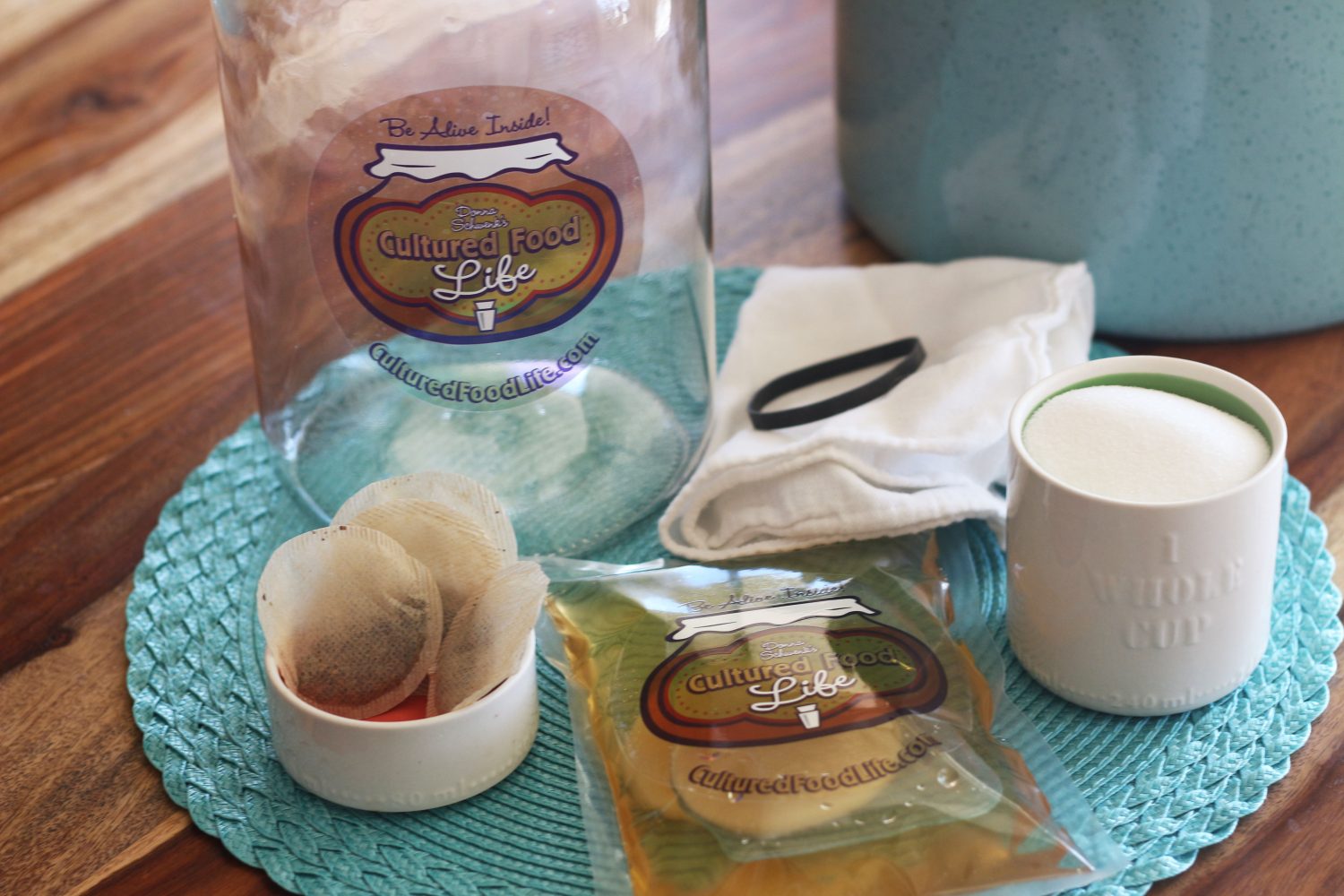
Essential Ingredients
- 8 cups of filtered water (free of chlorine)
- 4 to 6 bags of organic black or green tea (or 2 tablespoons loose-leaf)
- 1/2 cup organic cane sugar (necessary for the fermentation process)
- 1 SCOBY (Symbiotic Culture of Bacteria and Yeast)
- 1 cup of “starter tea” (pre-made raw kombucha)
Step-by-Step Instructions
- Boil and Steep: Bring 4 cups of the filtered water to a boil. Remove from heat and add your tea. Let it steep for about 7 to 10 minutes. This ensures the release of polyphenols and nitrogen, which feed the SCOBY.
- Dissolve Sugar: Remove the tea bags or strain the leaves. Stir in the cane sugar until fully dissolved. While this might seem like a lot of sugar, remember that the yeast consumes most of it during the fermentation cycle, significantly lowering the final calories.
- Cool Down: Add the remaining 4 cups of cold filtered water to bring the temperature down quickly. It is vital that the liquid is below 85°F (29°C) before adding the SCOBY, as high heat will kill the living cultures.
- Combine: Pour the sweetened tea into a clean glass gallon jar. Add the starter tea and gently place the SCOBY on top.
- Ferment: Cover the jar with a breathable cloth (like a coffee filter or tight-weave linen) and secure it with a rubber band. Store in a warm, dark place for 7 to 10 days.
- Taste Test: After a week, use a straw to sample the brew. If it is too sweet, let it ferment longer. If it is pleasantly tart, it is ready for bottling or a second fermentation with fruit.
Important Considerations for Homemade Fermentation
When brewing kombucha at home to achieve the best probiotic density, there are several factors to keep in mind. First, the quality of your ingredients dictates the quality of the final product. Using flavored teas (like Earl Grey with bergamot oil) can weaken or kill the SCOBY over time. Stick to pure Camellia sinensis (black, green, white, or oolong tea) for the primary fermentation to ensure the microbial colony remains robust.
Another consideration is the temperature of your brewing environment. The ideal range is between 70°F and 80°F. If the environment is too cold, the fermentation slows down, and the brew may become susceptible to mold. If it is too hot, the yeast can overproduce, leading to an unbalanced, yeasty flavor that lacks the beneficial acetic acids.
Lastly, be mindful of sanitation. While the acidic nature of kombucha generally prevents bad bacteria from growing, always use clean glass vessels and avoid reactive metals like aluminum or copper, which can leach into the acidic liquid and compromise the safety of the drink. If you see fuzzy green, black, or white spots on your SCOBY, this is mold, and the entire batch must be discarded.
- To boost the nutrient profile, add hibiscus or ginger during a “second fermentation” after removing the SCOBY.
- Never use honey or artificial sweeteners for the primary ferment; the SCOBY needs sucrose to process nutrients correctly.
- If you specifically need Vitamin K2, pair your kombucha with a meal containing natto or grass-fed cheese to cover all your nutritional bases.
Final Verdict on Kombucha and Vitamin K2
In summary, while kombucha is a phenomenal addition to a healthy diet, it is not a source of Vitamin K2. The fermentation process in tea creates a unique profile of probiotics and B vitamins, but it lacks the specific bacterial strains and lipid-rich environment required for K2 synthesis. For optimal health, consider kombucha as a tool for digestive support and detoxification, but rely on other fermented foods like sauerkraut, kefir, or natto for your Vitamin K2 requirements. By understanding the specific benefits of each fermented food, you can build a more complete and balanced nutritional profile for your lifestyle.
❓ Frequently Asked Questions
1
How long does kombucha last in fridge?
Properly bottled kombucha can last in the refrigerator for up to three months. The cold temperature slows down the fermentation process significantly, preserving the flavor and carbonation. However, for the best taste and highest probiotic count, it is usually recommended to consume it within one month of opening.

2
Can I make kombucha ahead of time?
Yes, kombucha is naturally made ahead of time because it requires a long fermentation period. Following specific instructions, you can brew large batches that stay fresh for weeks. Since it takes time to develop its signature tang, planning your brewing schedule is essential for a continuous supply of tea.
3
What can I substitute for black tea?
You can substitute black tea with green, white, or oolong tea for different flavor profiles. Avoid herbal teas containing essential oils, like Earl Grey or peppermint, as these can weaken or kill the SCOBY over time. Ensure the replacement tea is caffeinated to properly nourish the live cultures.
4
How do I know when kombucha is done?
You know kombucha is done when it reaches your preferred balance of sweetness and tartness. Start tasting the brew after seven days. If it is too sweet, let it ferment longer; if it is too vinegary, you may have let it go too long for your personal taste.
5
Can I freeze kombucha?
You should not freeze kombucha if you want to keep the probiotics alive. Extreme cold can damage the yeast and bacteria cultures. Additionally, the carbonation causes the liquid to expand, which may lead to glass bottles exploding in your freezer, creating a dangerous and messy situation for you.