Difference Between Juicing and Blending: Ultimate Guide
Deciding between a glass of vibrant green juice and a thick, creamy smoothie can be a challenge for anyone starting a wellness journey. While both methods utilize fresh produce to boost your nutrient intake, the fundamental mechanics of how they process food are worlds apart. Understanding what’s the difference between juicing and blending is essential for tailoring your diet to your specific health goals, whether you are looking for a quick energy boost or a fiber-rich meal replacement. This comparison explores how each method affects your body, the time investment required, and the nutritional profile of the final result.

Blending wins for daily sustainability and digestive health due to its high fiber content. However, juicing is the superior option for those requiring an immediate, concentrated infusion of vitamins without the digestive load of bulk plant matter.
Juicing vs. Blending: Comparison Table
| Feature | Juicing | Blending |
|---|---|---|
| Fiber Content | Removed (Insoluble fiber is discarded) | Maintained (All fiber remains) |
| Digestion Speed | Rapid (Instant absorption) | Slow (Gradual release) |
| Satiety Level | Low (Doesn’t feel like a meal) | High (Keeps you full longer) |
| Cleanup Time | High (Complex parts to clean) | Low (Simple pitcher and blade) |
| Produce Volume | Very High (Needs pounds of produce) | Moderate (Uses whole fruits/veg) |
| Blood Sugar Impact | Potential for quick spikes | Stable (Fiber slows sugar uptake) |
Detailed Analysis: Juicing vs. Blending
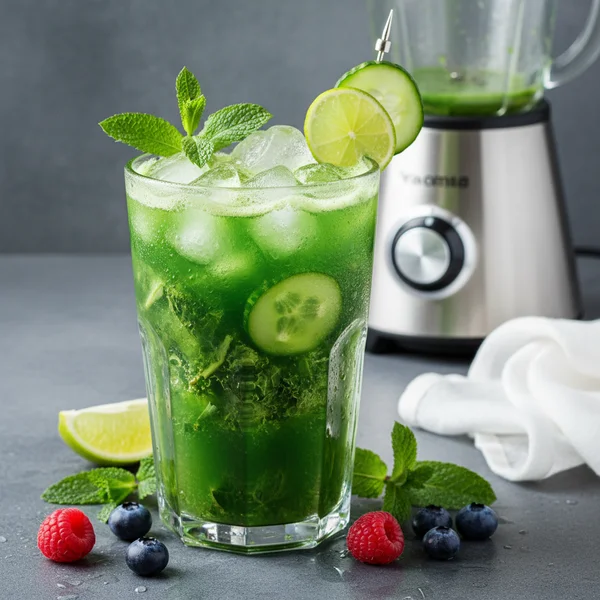
When looking at what’s the difference between juicing and blending, we must first look at the mechanical process. Juicing uses a machine to separate the liquid “juice” of fruits and vegetables from the solid pulp. This means that a standard juice recipe will yield a thin, potent liquid that contains the water and phytonutrients of the plant but none of the insoluble fiber. Because there is no fiber to slow down digestion, the body absorbs the nutrients almost instantly. This is why many people feel a “rush” of energy after drinking a fresh green juice. However, this also means that the calories from sugar in the fruit are absorbed just as quickly, which can lead to insulin spikes if you aren’t careful with your ingredients.

Blending, on the other hand, involves placing the entire fruit or vegetable into a high-speed blender. The instructions are simple: add liquid, add your produce, and pulverize until smooth. In this scenario, you are consuming the entire plant, including the skin and pulp. This creates a much thicker consistency and usually results in larger servings from the same amount of produce. Because the fiber remains intact, the calories are released more slowly into the bloodstream, providing sustained energy and supporting healthy digestion. While there is no cooking time involved in either process, the prep time for blending is significantly shorter because you don’t have to peel or finely chop as many items, and the cleanup is much faster.
In terms of nutrient density, juicing allows you to consume a much higher volume of vegetables in one sitting. For example, it would be physically difficult to eat six whole carrots, two heads of romaine, and three sticks of celery in a single meal. Juicing allows you to drink the essence of that produce in one glass. Blending is more focused on balance, allowing you to include healthy fats like avocado or protein powders that wouldn’t work in a juicer. Both methods are excellent ways to increase your intake of vitamins and minerals, but they serve different physiological purposes.

When to Choose Each Option
Choose juicing when you are looking for a medicinal boost or a supplement to your current diet. It is an excellent choice if you have a compromised digestive system and need to give your gut a rest while still receiving high-quality nutrition. It is also ideal for individuals who struggle to eat enough vegetables throughout the day. If your goal is a “detox” or a quick hit of antioxidants before a workout, juicing is your best bet.
Choose blending if you are looking for a convenient meal replacement or a filling snack. Because of the fiber content, a smoothie will keep you satiated for hours, making it a better tool for weight management. Blending is also the more economical choice; since you use the whole fruit, you get more “bang for your buck” out of your ingredients. If you are a busy professional or a parent, the shorter prep time and easier cleanup of a blender make it the more sustainable daily habit. Blending is also the preferred method for anyone monitoring their blood sugar, as the fiber prevents the “sugar crash” often associated with fruit-heavy juices.
For optimal health, try a “70/30” approach. Use blending for 70% of your produce consumption to ensure you get adequate fiber for gut health, and use juicing for the remaining 30% to provide a concentrated boost of micronutrients. Always prioritize green vegetables over high-sugar fruits in both methods to manage your glycemic load.
Conclusion
In the debate over what’s the difference between juicing and blending, there is no single “winner”—only the method that best fits your lifestyle and health objectives. Juicing offers a fast-track for nutrients to enter your cells, while blending provides a complete, fiber-rich food experience that supports long-term satiety and digestive health. By understanding the unique benefits of each, you can use both tools to transform your health. Whether you choose a refreshing juice or a hearty smoothie, the most important step is simply incorporating more fresh, whole plants into your daily routine.
❓ Frequently Asked Questions
1
How long does fresh juice last in fridge?
Fresh juice is best consumed immediately but can stay fresh for 24 to 48 hours in an airtight glass container. Over time, the juice will lose its vibrant color and some nutritional value. Always check for any sour odors before drinking if you have stored it for a day.
2
Can I make juice ahead of time?
You can prep your ingredients ahead of time to save on morning prep time, but it is best to juice or blend right before consumption. If you must make it ahead, store it in a vacuum-sealed container to minimize oxygen exposure and keep the nutrients intact for longer.
3
What can I substitute for a juicer?
If you don’t have a juicer, you can follow a standard blender recipe and then strain the mixture through a nut milk bag or fine-mesh sieve. This removes the pulp and provides a similar result to juicing without the need for specialized and expensive kitchen equipment.
4
How do I know when the juice is done?
The process is finished when the machine has processed all ingredients and no more liquid is being extracted. Since there is no actual cooking time involved, you are looking for a consistent texture. Smoothies should be perfectly uniform, while juice should be free of any large pulp chunks.
5
Can I freeze fresh smoothies?
Yes, you can freeze smoothies in airtight containers or ice cube trays for up to three months. This is a perfect way to minimize waste if you have extra ingredients. Simply thaw them in the refrigerator overnight or blend the frozen cubes with a little water for a quick snack.