Juicer or Blender for Weight Loss: Ultimate Guide
When you embark on a journey toward a healthier lifestyle, the choice between a juicer or blender for weight loss often feels like a fork in the road. Both appliances offer a convenient way to pack vitamins and minerals into your daily routine, but they interact with your metabolism in fundamentally different ways. Whether you are looking for a quick energy boost or a meal replacement that keeps you full until dinner, understanding the science of extraction versus pulverization is essential. This guide will explore the nuances of fiber, calorie density, and nutrient absorption to help you decide which tool deserves a permanent spot on your kitchen counter for your weight loss goals.
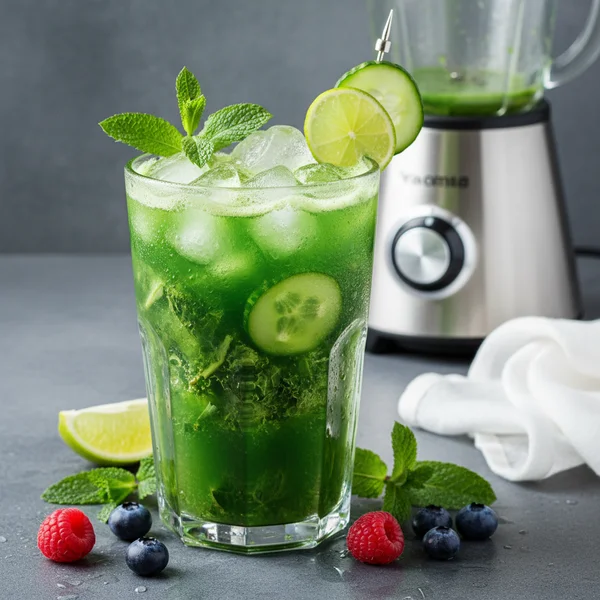
For sustainable weight loss, a blender is generally superior because it retains fiber, which promotes satiety and stabilizes blood sugar. However, a juicer is an excellent supplementary tool for high-density micronutrient intake without the digestive bulk.
The Science of Satiety: Why Fiber Matters for Weight Loss
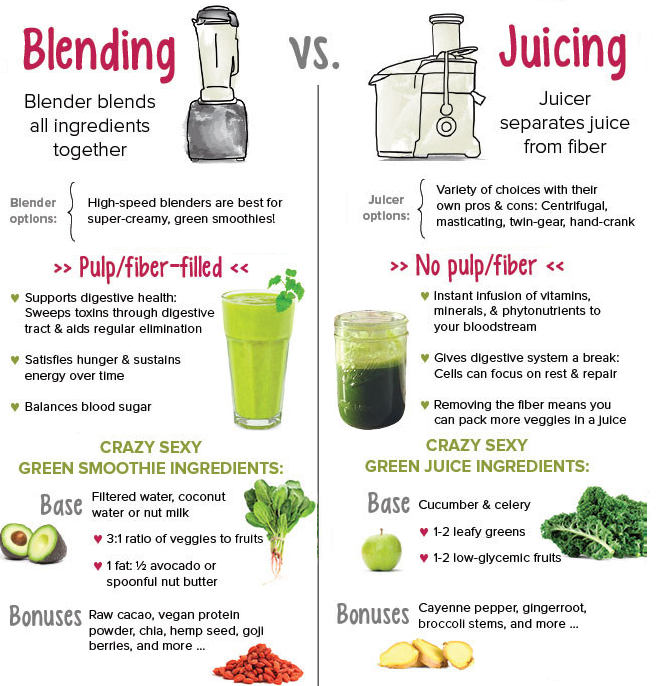
The most significant difference between using a juicer and a blender is what happens to the fiber. When you use a blender, you are consuming the entire fruit or vegetable, including the skin, pulp, and seeds. This creates a thick, fibrous beverage that takes longer for the body to process. Fiber is the secret weapon of weight loss; it slows down the rate at which sugar enters your bloodstream and keeps you feeling full for longer periods. By using a blender to create a smoothie, you are essentially “pre-chewing” your food while keeping the structural integrity of the plant’s cell walls intact.
In contrast, a juicer removes the insoluble fiber, leaving behind a concentrated liquid. While this liquid is incredibly hydrating and refreshing, it lacks the “bulk” that signals to your brain that you are full. From a weight loss perspective, drinking calories that don’t lead to satiety can be a pitfall. Research suggests that liquid calories are often not compensated for by eating less later in the day. Therefore, the fiber provided by a blender helps manage hunger hormones like ghrelin, making it easier to maintain a calorie deficit without feeling deprived.
To maximize the weight loss benefits of your blender, try adding frozen ingredients. Using frozen berries or even frozen cauliflower can create a thick, chilled texture that mimics a milkshake. This psychological trick of eating something that feels substantial can significantly aid in diet adherence. Furthermore, adding ice to your blender mixes can increase the volume of the drink without adding a single calorie, allowing you to enjoy a large, satisfying portion that hydrates the body while filling the stomach.
Nutrient Density and the “Quick Hit” of Juicing
While the blender wins on fiber, the juicer has a unique advantage regarding nutrient density. Because a juicer removes the pulp, you can fit a much larger volume of vegetables into a single glass than you could ever eat whole or blend into a smoothie. Imagine trying to eat an entire bunch of kale, four stalks of celery, two cucumbers, and a lemon in one sitting. It would be a digestive challenge. However, when passed through a juicer, these ingredients turn into a small, refreshing glass of “liquid gold” packed with phytonutrients.
For those on a weight loss journey, juicing can act as a powerful supplement to bridge the nutritional gap that sometimes occurs during calorie restriction. High-quality juices are incredibly hydrating and can provide a natural energy boost that replaces the need for sugary caffeinated drinks or processed snacks. Because the nutrients are not bound to fiber, they are absorbed almost instantly into the bloodstream, providing an immediate source of antioxidants.
However, caution is required. Because the juice is so concentrated, it is very easy to overconsume sugar if you use too many fruits. A weight-loss-friendly juice should be “green-heavy,” focusing on cucumbers, celery, spinach, and ginger, with perhaps only half a green apple for flavor. When served chilled in a glass with a sprig of mint as a garnish, a vegetable-rich juice can feel like a gourmet treat that supports your metabolism rather than hindering it with hidden sugars.
Glycemic Load and Blood Sugar Management
Weight loss is as much about hormones as it is about calories, and insulin is the primary hormone responsible for fat storage. When you consume sugar—even natural sugar from fruit—your blood sugar levels rise, and your body releases insulin. If you use a juicer to make a drink primarily from carrots, beets, and apples, you are delivering a concentrated dose of sugar without any fiber to slow down its absorption. This can lead to a rapid spike in blood sugar followed by a “crash,” which often triggers cravings for more carbohydrates.
The blender offers a more balanced metabolic profile. By keeping the fiber, the glycemic load of the beverage is significantly lowered. The presence of soluble fiber forms a gel-like substance in the gut, which creates a physical barrier that slows the absorption of glucose. This results in a slow, steady release of energy rather than a spike. For anyone struggling with insulin resistance or persistent hunger while trying to lose weight, the blender is the safer bet for blood sugar management.
| Feature | Juicer (Juice) | Blender (Smoothie) |
|---|---|---|
| Fiber Content | Minimal to None | High (Insoluble & Soluble) |
| Satiety Level | Low | High |
| Sugar Absorption | Fast | Slow |
| Preparation Time | Moderate (More prep/cleanup) | Fast |
Versatility and Meal Replacement Potential
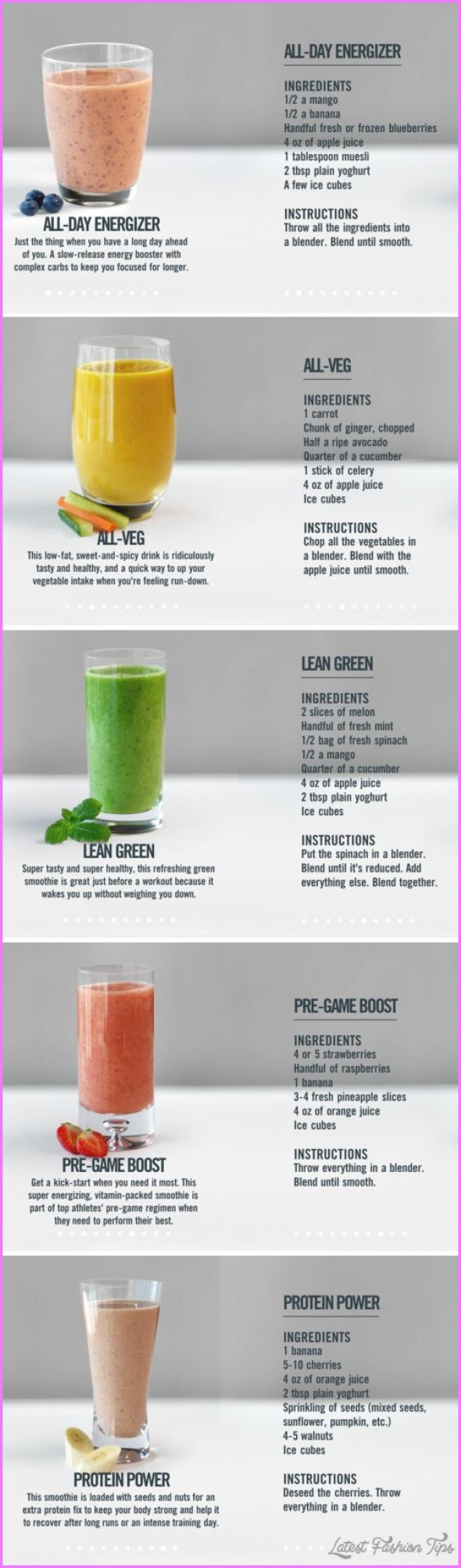
If your weight loss strategy involves replacing one meal a day with a beverage, the blender is the undisputed champion. A juicer can only process water-rich produce, but a blender can handle a variety of macronutrients. To lose weight effectively, a meal replacement needs to be balanced. In a blender, you can combine leafy greens with protein sources like Greek yogurt, whey protein, or silken tofu, and healthy fats like avocado or almond butter.
This versatility allows you to create a complete, balanced meal in a glass. You can even incorporate complex carbohydrates like rolled oats to add further texture and staying power. A smoothie made with frozen blueberries, spinach, protein powder, and a tablespoon of flaxseeds is a nutritionally complete option that provides vitamins, protein, and healthy fats. This prevents the “starvation mode” that can sometimes happen with juice cleanses, where the lack of protein leads to muscle loss rather than fat loss.
Furthermore, blenders allow for a more sensory experience. You can adjust the thickness by adding more or less ice, creating anything from a thin, hydrating drink to a thick “smoothie bowl.” Garnishing a smoothie bowl with a few fresh berries or a sprinkle of seeds adds a crunch that further engages the digestive process, as the act of chewing triggers enzymes that help with nutrient breakdown and satiety signaling.
Practicality: Cleanup, Cost, and Consistency
The best tool for weight loss is the one you will actually use every day. In terms of practicality, blenders often have the edge. Most modern blenders are incredibly easy to clean—often requiring just a drop of soap and a quick whiz with some warm water. Juicers, particularly centrifugal models, can be notoriously difficult to clean, with multiple parts and mesh filters that trap pulp. If the thought of a 10-minute cleanup discourages you from making your healthy drink, you are less likely to stick to your goals.
Cost is another factor to consider. Juicing requires a massive amount of produce to yield a single glass of liquid. You might use an entire bag of carrots just for one serving. This can make a daily juicing habit quite expensive. Because a blender uses the whole fruit, your groceries go much further. You can use the entire apple, the whole cucumber, and the full leaf of kale, meaning you get more volume for your money.
For those who prioritize a chilled, refreshing experience without the heavy cleanup, high-speed blenders offer a middle ground. You can make “whole food juices” in a blender by adding plenty of water or coconut water and then straining the result through a nut milk bag. This gives you the consistency of juice with the ease of a blender, though it does remove the fiber. However, for most people, the simplicity of tossing frozen fruit and greens into a blender and drinking the result is the most sustainable path to long-term weight management.
Expert Tips for Success
When deciding between a juicer and a blender, experts recommend a “blender-first” approach for those new to weight loss. Start by replacing breakfast with a high-protein, high-fiber smoothie. This sets a positive metabolic tone for the rest of the day. If you choose to juice, treat it as a “vitamin supplement” rather than a meal. Drink 4-6 ounces of green juice alongside a source of protein, like a hard-boiled egg, to prevent blood sugar spikes.
Another professional recommendation is to follow the “80/20 Rule” for ingredients. Whether blending or juicing, ensure 80% of your ingredients are non-starchy vegetables (spinach, cucumber, celery, parsley) and only 20% are low-sugar fruits (lemons, limes, green apples, berries). This ensures you get the hydrating and refreshing benefits of the produce without an accidental calorie surplus.
- Temperature Control: Use frozen fruit or plenty of ice to keep your smoothie chilled; cold liquids can slightly boost metabolism as the body works to maintain its core temperature.
- The Garnish Trick: Always garnish your drinks with fresh herbs like mint or basil. The aroma enhances the psychological satisfaction of the meal.
- Hydration First: Drink a glass of water before your juice or smoothie to ensure you are truly hydrating your cells and not just filling up on liquid calories.
Choosing between a juicer or blender for weight loss depends on your specific needs, but for most people, the blender is the more practical and effective choice. By retaining essential fiber, a blender helps you stay full, manages insulin levels, and allows for the inclusion of protein and healthy fats. Juicing remains a fantastic way to flood your system with hydrating, refreshing nutrients, but it should be used strategically to avoid sugar spikes. Ultimately, incorporating more whole plants into your diet through either method is a win for your health and your weight loss journey.
❓ Frequently Asked Questions
1
How long does fresh green juice last in fridge?
Fresh juice or smoothies are best consumed immediately to maximize nutrient absorption. If you must store it, use an airtight glass container and keep it refrigerated for no more than 24 hours. This prevents significant oxidation and ensures your drink remains refreshing and safe to consume.
2
Can I make weight loss smoothies ahead of time?
While you can prep ingredients in bags, blending right before consumption is ideal. Smoothies can separate and lose their hydrating texture if left to sit. If you must blend ahead, store it in the fridge and give it a quick pulse in the blender with extra ice before serving.
3
What can I substitute for a dedicated juicer?
If you only have a blender, you can still make juice by blending your ingredients with water and straining the mixture through a nut milk bag. This allows you to enjoy the benefits of clear, refreshing juice without needing to purchase an expensive, bulky centrifugal or masticating juicer.
4
How do I know when my smoothie is perfectly blended?
Your beverage is ready when the texture is completely uniform and silky. There should be no visible pieces of ice or leafy greens. High-speed blenders usually achieve this refreshing, hydrating consistency in about 60 seconds, ensuring all nutrients are easily accessible for your body to process efficiently.
5
Can I freeze green smoothies for later?
Yes, you can freeze smoothies in freezer-safe jars or silicone molds. Leave some headspace for expansion as the liquid freezes. Thaw your drink in the refrigerator overnight. For the best taste, re-blend the thawed mixture for a few seconds to restore its original smooth and refreshing consistency.