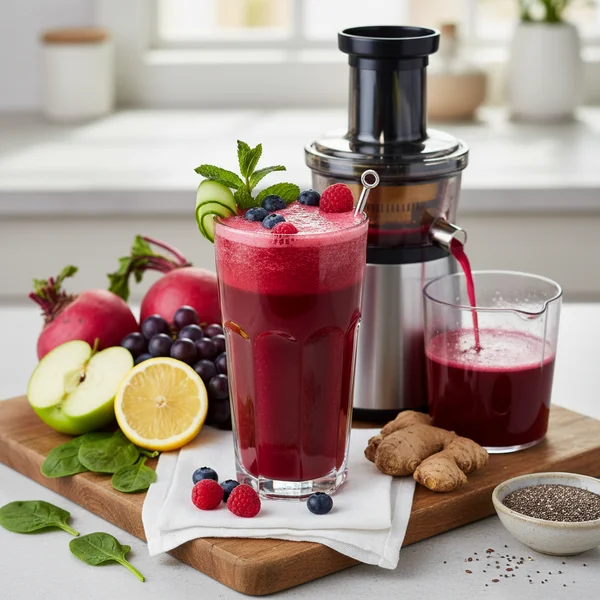
Juices That Help With Nausea: Best Healthy Blends
Nausea can be an incredibly disruptive sensation, whether it stems from motion sickness, morning sickness, or a temporary digestive upset. When your stomach feels uneasy, solid food is often the last thing on your mind, making liquid nutrition essential for recovery. Selecting the right juices that help with nausea is a gentle yet effective way to settle the stomach while maintaining hydration levels. Certain natural compounds found in fruits and roots can soothe the digestive lining and suppress the urge to vomit. In this guide, you will discover which beverages provide the most relief, how to prepare them to maximize their soothing properties, and why specific ingredients are better than others for calming a turbulent tummy.

The most effective juices for nausea prioritize gentle acidity, natural anti-inflammatories like ginger, and high electrolyte content to ensure you stay hydrated while calming the digestive system.
The Science Behind Ginger and Citrus Juices
When discussing juices that help with nausea, ginger is almost always at the top of the list. Ginger contains bioactive compounds called gingerols and shogaols, which have been scientifically proven to speed up gastric emptying and stimulate digestive enzymes. This process helps move food out of the stomach faster, reducing the heavy, stagnant feeling that often accompanies queasiness. For the best results, many people prefer a chilled ginger infusion or a freshly pressed ginger and apple juice. The sharpness of the ginger is balanced by the natural sugars in the fruit, making it easier on the palate.
Citrus juices, particularly lemon and lime, are also highly effective. While it might seem counterintuitive to put acid into an upset stomach, lemon juice has an alkalizing effect once metabolized. Furthermore, the scent of fresh citrus is known to have an immediate calming effect on the nervous system. A refreshing glass of water mixed with a heavy squeeze of lemon can neutralize stomach acids and clear away the lingering taste of bile. If you find the flavor too intense, adding a few ice cubes can dilute the juice and provide a cooling sensation that many find helpful when they are feeling overheated or faint due to nausea.
Hydrating Options and Electrolyte Balance
Nausea often leads to dehydration, especially if it is accompanied by vomiting. In these instances, the primary goal of consuming juice is to be hydrating. Clear juices like apple, white grape, and cranberry are excellent choices because they provide a quick source of energy without taxing the digestive system with heavy pulp or fiber. Apple juice, in particular, is frequently recommended because it is mild and contains pectin, which can help firm up the stool if the nausea is associated with other digestive issues.
Coconut water is another powerhouse when it comes to soothing an upset stomach. It is naturally rich in potassium, sodium, and magnesium, making it an ideal choice for restoring electrolyte balance. While not a traditional “juice,” it serves the same purpose and is often used as a base for nutrient-dense drinks. To make it more palatable, you can toss it into a blender with a handful of frozen blueberries or strawberries. The cold temperature helps numb the throat and stomach slightly, which can suppress the gag reflex and make it easier to keep the liquid down.
Refreshing Herbal and Fruit Blends
Combining fruits with herbs can enhance the medicinal properties of your beverage. Peppermint is a classic remedy for digestive distress because it helps relax the muscles of the gastrointestinal tract, allowing gas to pass and reducing cramping. A refreshing blend of cucumber and mint juice is incredibly light and hydrating. Since cucumbers are over ninety percent water, they provide a gentle way to ingest vitamins without the density of more fibrous fruits.
For those who prefer a thicker consistency that still feels light, creating a slushy-style drink is a great alternative. By using a high-speed blender to mix ice with a small amount of pomegranate or cherry juice, you create a frozen treat that can be eaten slowly with a spoon. This slow consumption is vital, as gulping down large amounts of liquid can sometimes worsen nausea by distending the stomach too quickly. A sprig of mint or a slice of ginger used as a garnish can also provide helpful aromatherapy as you sip, further easing the sensory triggers of queasiness.
Preparation and Serving Temperatures
The temperature and presentation of your drink play a significant role in how well your body accepts it. Most people find that chilled or frozen beverages are much easier to tolerate than room-temperature ones. Heat can often intensify the aroma of foods and drinks, which can be a major trigger for someone struggling with severe nausea. Keeping your juice cold helps to mute the smell and provides a crisp, clean sensation upon drinking.
When preparing these drinks, simplicity is key. Avoid adding heavy sweeteners or dairy, as these can be difficult to digest and may lead to further irritation. If you are making a juice at home, try to strain out as much pulp as possible to keep the liquid “clear.” Serving the juice in a small glass with a straw can also help, as it encourages small, controlled sips. Adding a simple garnish like a lemon wedge or a cucumber ribbon doesn’t just make the drink look better; it adds a fresh scent that can help clear the nasal passages and provide a sense of psychological relief.
Expert Tips for Managing Nausea with Liquids
Medical professionals often recommend the “sip, don’t gulp” rule when dealing with any form of stomach upset. Taking in too much liquid at once can trigger the stretch receptors in the stomach, leading to more discomfort. It is also advised to avoid highly caffeinated or carbonated beverages, as these can lead to bloating and increased acid production. Instead, focus on natural juices that provide a balance of glucose and minerals.
If you are dealing with chronic nausea, such as during pregnancy, experts suggest keeping a chilled bottle of ginger or lemon-infused water nearby at all times. Consistency is better than quantity; taking a few sips every ten to fifteen minutes is far more effective for maintaining hydration and blood sugar levels than trying to drink an entire glass at once. If the taste of plain juice is too strong, diluting it with fifty percent water is a common and effective strategy.
- Use a blender to crush ice into a fine snow and pour your juice over it to create a soothing slushy that stays cold longer.
- Always strain your fresh juices to remove pulp, as fiber can be difficult for a sensitive stomach to process during an episode of nausea.
- Avoid drinking juice on a completely empty stomach for long periods; try pairing small sips with a plain cracker if possible.
Conclusion
Finding relief through juices that help with nausea is a natural and accessible way to manage physical discomfort. By focusing on ingredients like ginger, lemon, and electrolyte-rich coconut water, you can settle your stomach while staying hydrating. Remember to keep your beverages chilled or frozen to minimize strong odors and to sip slowly throughout the day. Whether you are using a blender to create a refreshing slushy or simply adding a garnish of mint to an ice-cold glass of apple juice, these small adjustments can make a significant difference in your recovery. Always listen to your body and prioritize small, frequent sips to regain your strength and comfort.
❓ Frequently Asked Questions
1
How long does nausea relief juice last in fridge?
Fresh juices that help with nausea are most effective when consumed immediately. If necessary, you can store the blend in an airtight glass jar for up to 24 hours. Always shake the container well before drinking, as natural ingredients like ginger and lemon will settle at the bottom.

2
Can I make these juices ahead of time?
You can prepare the ingredients in advance, but for the best results, blend them right before you need them. If you must prep ahead, keep the juice chilled and avoid adding ice until serving to prevent the mixture from becoming diluted and losing its concentrated soothing benefits.
3
What can I substitute for fresh ginger?
If fresh ginger is unavailable, you can substitute a half-teaspoon of organic ginger powder. However, fresh ginger is generally more effective for calming the stomach. Alternatively, use peppermint leaves or a drop of food-grade peppermint oil to create a refreshing, hydrating drink that offers similar digestive relief.
4
How do I know when the juice is working?
You should begin to feel a soothing sensation in your stomach within fifteen to twenty minutes of sipping. Because these are natural juices that help with nausea, the effect is gradual. Focus on taking small, frequent sips rather than drinking the entire glass at once for optimal absorption.
5
Can I freeze these anti-nausea juices?
Yes, freezing the juice into ice cubes or popsicles is a brilliant strategy. Sucking on ginger-infused ice provides a slow, controlled way to stay hydrated while the cooling sensation helps to distract the brain from nausea signals. It is an excellent refreshing alternative to drinking liquid when feeling very ill.