Juicing to Lower Blood Sugar: Best Healthy Guide
Managing blood sugar levels effectively is a cornerstone of modern health, particularly for those navigating the complexities of insulin sensitivity or type 2 diabetes. While diet and exercise are the primary pillars of metabolic health, many individuals are turning to specific dietary interventions to gain an extra edge. Juicing to lower blood sugar has emerged as a popular complementary strategy, offering a concentrated dose of micronutrients that can support glucose metabolism. However, the effectiveness of this approach depends entirely on the ingredients selected. When done correctly, juicing provides a potent delivery system for antioxidants and minerals that help the body process glucose more efficiently without the spikes associated with high-sugar beverages. In this guide, you will learn how to master the art of low-glycemic juicing, which ingredients offer the most significant metabolic benefits, and how to integrate these juices into a balanced lifestyle.
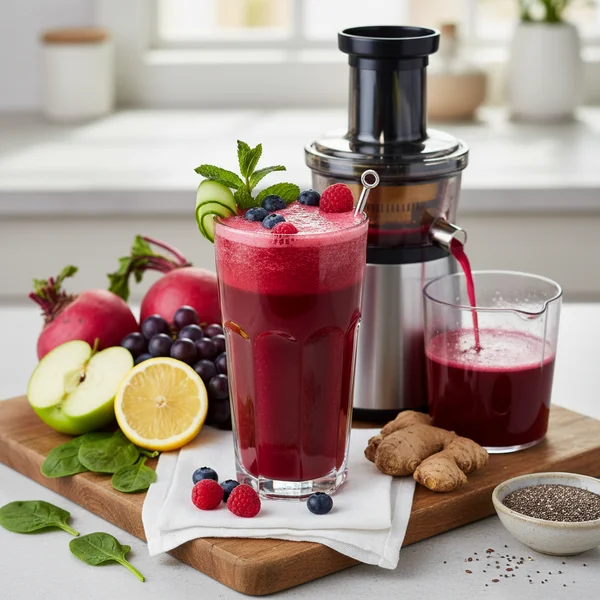
Effective juicing for blood sugar management requires a strict 80/20 ratio: 80% low-starch green vegetables and no more than 20% low-sugar fruits. This ensures a high nutrient density while keeping the glycemic load low enough to prevent insulin spikes.
The Science Behind Juicing and Glucose Regulation
To understand how juicing to lower blood sugar works, we must first look at the concept of the Glycemic Index (GI). The GI measures how quickly a food causes blood glucose to rise. Most traditional fruit juices are high on the GI scale because the juicing process removes the structural fiber, leaving behind concentrated fructose. When you strip away fiber, the body absorbs sugar almost instantly, leading to a rapid rise in blood glucose and a subsequent insulin surge.
However, juicing for metabolic health takes a different approach. By focusing on non-starchy vegetables like kale, spinach, and cucumbers, you are consuming liquid nutrients that have a negligible impact on blood sugar. These vegetables are rich in magnesium, chromium, and potassium—minerals that play critical roles in insulin signaling and glucose transport. For example, magnesium is a cofactor in over 300 enzymatic reactions, including those responsible for breaking down glucose. Research suggests that individuals with higher magnesium intake often have better insulin sensitivity. By juicing these greens, you provide the body with a bioavailable “nutrient shot” that supports the pancreas and peripheral tissues in managing sugar levels more effectively.
Furthermore, many green vegetables contain unique phytonutrients that act as natural alpha-glucosidase inhibitors. These compounds slow down the absorption of carbohydrates in the digestive tract. While the juice itself should be low-carb, having these compounds in your system can assist when you consume other complex carbohydrates later in the day. The goal of this practice is not to replace whole meals, but to supplement the body with specific elements that promote a stable internal environment.
Top Ingredients for a Blood-Sugar-Friendly Juice
When selecting your produce, you must be discerning. Not all “healthy” vegetables are suitable for a glucose-conscious juice. For instance, carrots and beets, while nutritious, have a higher sugar content when juiced compared to leafy greens. To maximize the benefits of juicing to lower blood sugar, prioritize the following ingredients:

- Bitter Melon: Known in many cultures as a natural remedy for diabetes, bitter melon contains at least three active substances with anti-diabetic properties, including charantin, which has been confirmed to have a blood glucose-lowering effect.
- Spinach and Kale: These leafy greens are exceptionally low in calories and high in magnesium and Vitamin C, both of which are linked to improved insulin regulation.
- Cucumber: With a high water content and a low glycemic load, cucumbers provide the bulk of the juice without adding sugar. They also contain hormones needed by the cells of the pancreas for producing insulin.
- Celery: Celery is rich in vitamin K and antioxidants that reduce inflammation. Chronic inflammation is a known contributor to insulin resistance.
- Ginger and Turmeric: These rhizomes are potent anti-inflammatories. Ginger, specifically, has been shown in studies to improve fasting blood sugar levels and HbA1c in people with type 2 diabetes.
- Lemon or Lime: These citrus fruits add flavor with minimal sugar and provide a boost of Vitamin C, which helps reduce oxidative stress in the blood vessels.
By combining these specific items, you create a beverage that acts more like a “liquid supplement” than a snack. The synergy between these ingredients helps to hydrate the body while providing the chemical precursors necessary for optimal metabolic function.

The Green Glucose Guard: A Detailed Recipe
Creating a balanced juice requires more than just throwing greens into a machine. This specific recipe is formulated to maximize nutrient density while keeping the glycemic load at a minimum. It focuses on hydration, alkalization, and metabolic support.
| Metric | Details |
|---|---|
| Prep Time | 10 minutes |
| Cooking Time | 0 minutes |
| Servings | 1 serving (approx. 12-14 oz) |
| Calories | Approximately 65 calories |
Ingredients:
- 2 cups organic kale (stems included)
- 1 large cucumber
- 3 stalks of celery
- 1/2 green apple (for a hint of tartness without excessive sugar)
- 1-inch knob of fresh ginger root
- 1/2 organic lemon (peeled)
- A pinch of cinnamon (optional, for added insulin sensitivity support)
Instructions:
- Thoroughly wash all ingredients under cold running water. Since you are juicing the skins of the cucumber and celery, organic produce is highly recommended to avoid pesticide residue.
- Prepare the produce by cutting the cucumber and celery into sizes that fit your juicer’s feed chute.
- Turn on your juicer. Start by feeding the kale, followed by the ginger and lemon. This helps the drier ingredients pass through effectively.
- Follow with the green apple and finally the cucumber and celery. The high water content of the cucumber and celery will help “flush” the remaining nutrients from the leafy greens into your glass.
- Stir the juice with a glass straw or spoon to ensure the flavors and nutrients are well-distributed.
- Drink immediately or store in an airtight glass jar for up to 24 hours. If storing, fill the jar to the very top to minimize oxidation.
Managing Risks: When Juicing Might Not Be Enough
While juicing to lower blood sugar is a valuable tool, it is not a “magic bullet” that allows for a poor diet elsewhere. One of the most significant risks is the “liquid calorie” trap. Even though vegetable juice is low in calories, consuming it in isolation can sometimes lead to hunger shortly after, because it lacks the fiber and protein needed for satiety. If you drink a juice and then feel famished, you might overeat at your next meal, which defeats the purpose of glucose management.
Another consideration is the concentration of oxalates. Leafy greens like spinach and beet greens are high in oxalates, which can contribute to kidney stones in susceptible individuals if consumed in massive quantities daily. It is essential to rotate your greens—alternating between kale, Romaine, parsley, and Swiss chard—to vary the nutrient profile and prevent the buildup of any single compound. Furthermore, people taking blood-thinning medications (like Warfarin) should be cautious about the high Vitamin K content in green juices, as it can interfere with medication efficacy. Always consult with a healthcare provider before making significant changes to your intake of green vegetables if you are on prescription medication.
Finally, timing matters. Drinking juice on a completely empty stomach is generally fine for those with stable metabolic health, but for those with severe insulin resistance, it is often better to consume the juice alongside a small source of healthy fat or protein—such as a handful of raw almonds. The fat slows the gastric emptying process even further, ensuring that the minor amount of natural sugars in the vegetables enters the bloodstream at a glacial pace.
Expert Tips for Long-Term Success
The key to seeing real results with juicing to lower blood sugar is consistency and quality. Experts recommend using a “masticating” or “cold-press” juicer rather than a centrifugal one. Masticating juicers operate at lower speeds, which generates less heat. Heat can degrade sensitive enzymes and antioxidants found in green vegetables. By using a cold-press method, you preserve the structural integrity of the nutrients, ensuring you get the maximum biological benefit from every glass.
Additionally, consider the “Window of Opportunity.” Many practitioners suggest drinking green juice about 20 minutes before your largest meal of the day. This primes the digestive system with enzymes and provides a baseline of micronutrients that can help mitigate the glucose response of the upcoming meal. Lastly, don’t throw away all the pulp! While the goal of juicing is the liquid extract, you can use the leftover fiber (pulp) in soups, stews, or even veggie burger recipes to ensure you are still getting adequate dietary fiber throughout the day.
- Add a teaspoon of chia seeds or a dash of high-quality extra virgin olive oil to your juice to increase the absorption of fat-soluble vitamins (A, D, E, and K).
- If the taste is too “earthy,” add more lemon or a small amount of fennel; avoid adding extra fruit like oranges or pineapples which can spike sugar.
Juicing to lower blood sugar is an effective, nutrient-dense way to support your metabolic health when integrated correctly into your routine. By focusing on low-glycemic greens like kale, cucumber, and celery, and avoiding the high-sugar fruits found in commercial juices, you can provide your body with the essential minerals needed for insulin sensitivity. Remember that juicing is a supplement to, not a replacement for, a whole-food diet rich in fiber and protein. Start slowly, experiment with different green combinations, and monitor your levels to see how your body uniquely responds to this vibrant, liquid nutrition.
❓ Frequently Asked Questions
1
How long does green juice last in fridge?
Freshly made green juice is best consumed immediately for maximum nutrient density. However, you can store it in an airtight glass container in the refrigerator for up to 24 hours. Oxidation begins quickly, so adding a squeeze of lemon juice can help preserve the color and nutrients significantly longer.
2
Can I make blood sugar juice ahead of time?
While you can prep your vegetables ahead of time, it is ideal to juice them right before drinking. If you must make it in advance, use a masticating juicer which produces less heat and oxidation, allowing the juice to stay fresh and nutritionally potent for up to two days.
3
What can I substitute for kale in juices?
If you find kale too bitter, spinach is an excellent mild substitute that provides similar nutrients. You could also use Swiss chard, collard greens, or even Romaine lettuce. These leafy greens are all low-glycemic options that work perfectly for maintaining stable blood sugar levels while providing essential vitamins.
4
How do I know when the juice is balanced?
A well-balanced blood sugar juice should taste refreshing and earthy rather than overly sweet. If the flavor is too sharp, add more cucumber or celery to dilute it. You know it is balanced when you feel sustained energy after drinking it, rather than experiencing a quick sugar crash.
5
Can I freeze fresh vegetable juice?
Yes, you can freeze fresh juice in glass jars or ice cube trays for up to three months. Leave some space at the top of the container for expansion. Thaw it in the refrigerator overnight before drinking. While some nutrients may degrade slightly, it remains a healthy option for schedules.