What is Green Juice Good For: Ultimate Health Guide
Green juice is an exceptionally nutrient-dense beverage designed to deliver a concentrated blast of vitamins, minerals, and antioxidants directly to your system. It is primarily good for boosting natural energy levels, supporting a healthy immune system, and improving skin clarity. Because it is highly hydrating and alkaline, green juice aids in reducing inflammation and streamlining digestion. When enjoyed as a refreshing, chilled drink, it serves as an efficient way to bridge the nutritional gap between your daily meals and your body’s requirement for leafy green phytonutrients.

The Science and Benefits: Why Green Juice is a Nutritional Powerhouse
Green juice has moved from being a niche health trend to a staple of the modern wellness routine, and for good reason. At its core, the primary benefit of green juice is bioavailability. By removing the insoluble fiber through juicing, your digestive system doesn’t have to work as hard to break down the plant cell walls. This allows the body to absorb the liquid nutrition—vitamins A, C, and K, as well as folate and potassium—almost immediately. This rapid absorption is why many people report a “natural high” or an immediate boost in mental clarity after consuming a fresh glass.
One of the most significant reasons people turn to these vibrant drinks is for their hydrating properties. Ingredients like cucumber and celery are composed of over 95% water and are rich in electrolytes. When these are processed in a high-speed juicer or a blender, they provide a much more effective form of hydration than plain water alone, as they come packaged with the minerals necessary for cellular fluid balance. Furthermore, the presence of chlorophyll—the pigment that gives plants their green color—is chemically similar to human hemoglobin. Some studies suggest that chlorophyll-rich drinks can help support blood health and improve oxygen transport throughout the body.
Beyond internal health, green juice is often praised for its impact on aesthetics. The high concentration of antioxidants helps neutralize free radicals, which are responsible for premature aging and skin dullness. Regular consumption can lead to a more refreshing and radiant complexion, often referred to as the “green juice glow.” Additionally, the alkaline nature of ingredients like kale, spinach, and parsley helps balance the body’s pH, which can reduce systemic inflammation and help manage conditions like bloating or skin redness.
How to Make the Ultimate Refreshing Green Juice: A Step-by-Step Guide
Creating the perfect green juice at home requires a balance of flavors to ensure it is as delicious as it is nutritious. You want a drink that is crisp, chilled, and easy to drink, rather than a thick slurry that feels like a chore. Follow these steps to craft a professional-grade green juice.
Step 1: Prep Your Base Ingredients
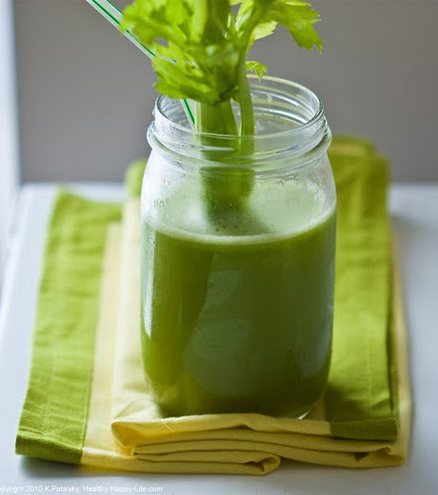
Start with high-water-content vegetables. Wash two large cucumbers and four stalks of celery. These provide the volume of the juice and ensure the final product is deeply hydrating. If you are using a blender because you don’t own a traditional juicer, chop these into small pieces to help the blades catch the material.
Step 2: Layer in the Leafy Greens
Add two large handfuls of kale, spinach, or romaine lettuce. If you want a more potent “green” flavor, you can add a small bunch of parsley or cilantro. For those who find greens too bitter, using frozen spinach can sometimes take the edge off the flavor while keeping the drink cold.
Step 3: Add “The Brighteners”
To make the juice palatable, you need acidity and a hint of sweetness. Add one green apple (cored) and a thumb-sized piece of fresh ginger. The ginger adds a spicy kick that is incredibly refreshing and aids in digestion. Squeeze the juice of one lemon or lime into the mix to provide vitamin C and prevent the juice from oxidizing (turning brown) too quickly.
Step 4: The Extraction Process
If using a juicer, simply feed the ingredients through, starting with the greens and following with the watery cucumbers to “flush” the machine. If using a blender, add half a cup of water or coconut water to get things moving. Blend on high until completely smooth. Since a blender leaves the fiber in, you may want to strain the mixture through a nut milk bag or a fine-mesh sieve into a glass pitcher to achieve that thin, juice-like consistency.
Step 5: Serve and Garnish
The best way to enjoy green juice is chilled. Fill a tall glass with ice and pour the juice over it. For a professional touch, add a garnish of a thin cucumber slice or a sprig of mint on the rim. Drinking it cold enhances the crisp flavors of the celery and apple, making it a perfect morning pick-me-up.
Important Considerations and Common Mistakes to Avoid
While green juice is an incredible health tool, it is important to consume it mindfully. One of the most common mistakes is making the juice too fruit-heavy. While apples and pineapples make the drink taste like a treat, they also spike the sugar content. A good rule of thumb is the 80/20 rule: 80% vegetables and 20% fruit. This ensures you get the micronutrients without a massive glucose spike and subsequent energy crash.
Another consideration is the loss of fiber. Juicing removes the insoluble fiber that is crucial for gut motility and long-term satiety. For this reason, green juice should be viewed as a supplement to a healthy diet, not a total meal replacement. If you find yourself getting hungry shortly after your juice, consider having a handful of raw nuts or a boiled egg alongside it to provide some protein and healthy fats.
Oxalate content is also something to watch for, especially if you are prone to kidney stones. Certain greens, like spinach and Swiss chard, are high in oxalates. To avoid any issues, it is best to rotate your greens. Use kale one day, romaine the next, and perhaps bok choy the day after. This “rotation” method also ensures you are exposed to a wider variety of phytonutrients. Lastly, remember that fresh juice oxidizes quickly. To get the most benefit, drink it within 20 minutes of preparation, or store it in an airtight glass container in the refrigerator for no more than 24 hours.
- Use Frozen Produce: If you want an extra cold, slushy-like texture, use frozen cucumber chunks or frozen grapes to chill the drink without diluting it with ice.
- Add Healthy Fats: Some vitamins (like A and K) are fat-soluble. Stirring in a drop of flax oil or eating an avocado after your juice helps your body absorb these nutrients better.
- The Power of the Garnish: Never underestimate a garnish. A squeeze of fresh lime or a crack of black pepper can transform the flavor profile and make the experience feel like a spa treat.
- Clean Your Equipment Immediately: Dried green juice is like cement. Rinse your blender or juicer parts immediately after use to save yourself a headache later.
Conclusion
In summary, green juice is an excellent addition to a health-conscious lifestyle, offering a concentrated source of hydrating minerals and revitalizing antioxidants. It excels at providing a quick energy boost, supporting skin health, and helping you meet your daily vegetable intake goals with ease. By balancing your ingredients, prioritizing vegetables over fruits, and serving it chilled over ice, you can enjoy a beverage that is as refreshing as it is functional. While it shouldn’t replace whole vegetables entirely, it remains one of the most efficient ways to flood your body with life-giving nutrients every single day.
❓ Frequently Asked Questions
1
How long does green juice last in fridge?
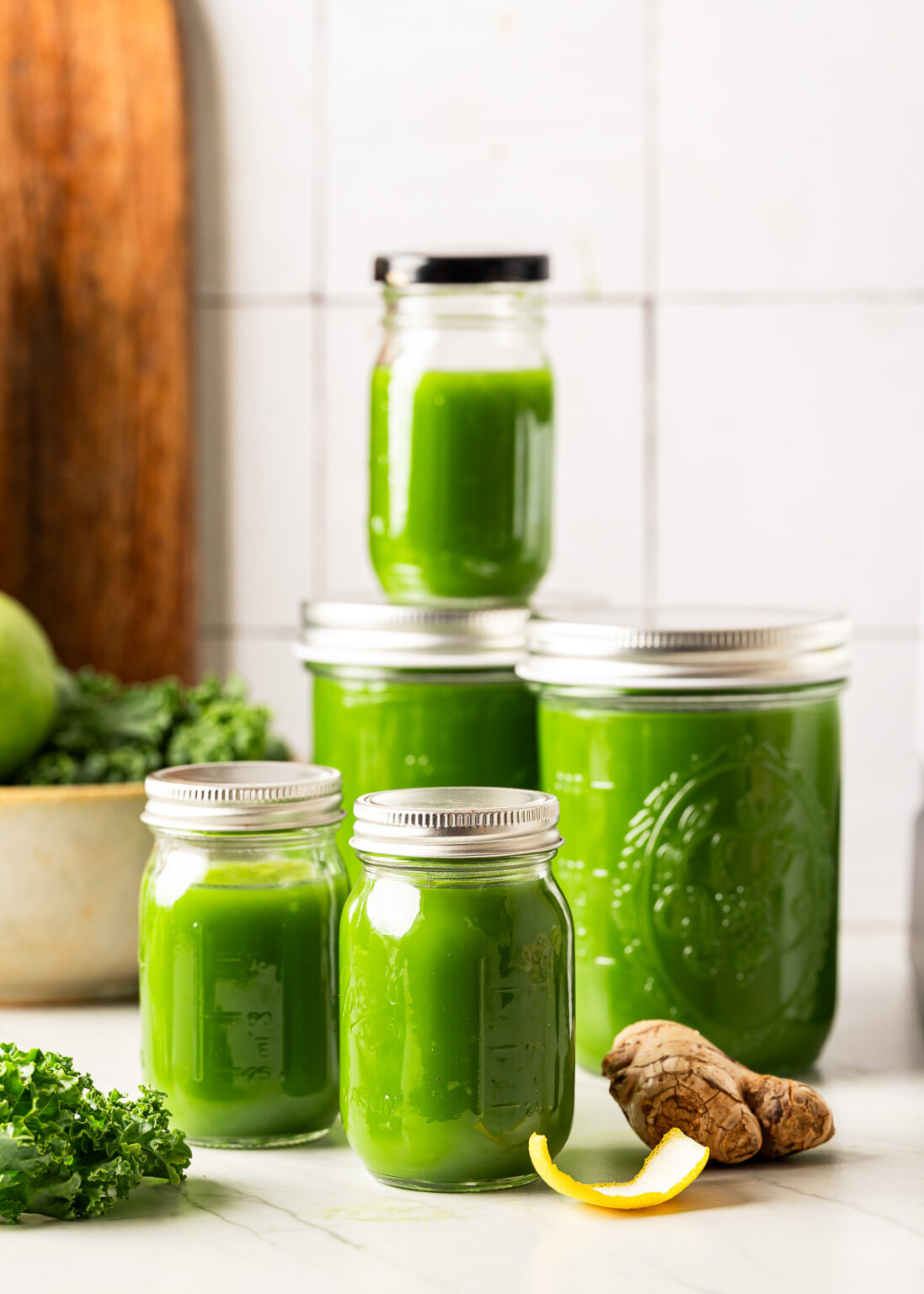
Green juice is best consumed immediately, but it can last up to 24 to 48 hours in the fridge when stored in an airtight glass container. To preserve the most nutrients, fill the container to the top to minimize oxidation and keep the liquid as cold as possible.
2
Can I make green juice ahead of time?
You can make green juice ahead of time, though it may lose some nutritional potency over several hours. Prepare it up to 24 hours in advance and store it in a sealed glass jar. Shake well before drinking, as natural separation occurs since the fiber has been removed.
3
What can I substitute for kale in green juice?
If kale is too bitter, you can easily substitute it with baby spinach, swiss chard, or romaine lettuce. Spinach is the most popular choice because it has a much milder flavor while still providing a significant amount of iron, vitamins, and a vibrant green color to your healthy drink.
4
How do I know when green juice is done?
When using a blender, your green juice is done when the mixture looks completely smooth and liquid with no visible leafy chunks. If you prefer a thinner consistency, you can pour the mixture through a fine-mesh strainer or nut milk bag to remove any remaining fibrous pulp.
5
Can I freeze green juice?
Yes, you can freeze green juice to extend its shelf life. Pour the juice into silicone ice cube trays for easy portioning. Once frozen, transfer the cubes to a freezer bag. They can last up to three months and are perfect for adding to future smoothies or refreshing water.