Is Juicing Good for Diabetics? Healthy Guide
Juicing can be good for diabetics, provided it is done with caution and a focus on non-starchy vegetables. While traditional fruit juices cause rapid blood sugar spikes due to the removal of fiber, a vegetable-heavy juice with low-glycemic ingredients can provide essential micronutrients without compromising glucose control. To make juicing safe, emphasize leafy greens, monitor portion sizes, and always pair juice with a source of protein or healthy fat to slow sugar absorption.
Understanding the Impact of Juicing on Blood Sugar Levels
For individuals living with type 1 or type 2 diabetes, the primary concern with any dietary choice is how it influences blood glucose levels. To understand if juicing is a viable option, one must first look at the difference between whole produce and its liquid counterpart. When you eat a whole apple or a stalk of celery, you are consuming the juice along with the structural fiber of the plant. This fiber is crucial for diabetics because it slows down the digestion process and the subsequent absorption of sugar into the bloodstream.
When you use a juicer, the machine separates the liquid from the pulp (fiber). Without that “fiber brake,” the natural sugars in fruits and even some vegetables are absorbed almost instantly. This can lead to a sharp spike in blood sugar, followed by an insulin surge or, for those with insulin resistance, a prolonged state of hyperglycemia. However, this does not mean juicing is entirely off-limits. The nutritional profile of fresh juice is undeniable; it is packed with vitamins, minerals, and antioxidants that can support heart health and reduce inflammation, both of which are critical for managing diabetic complications.
The key for a diabetic lies in the glycemic load of the juice. A juice made primarily from kale, spinach, cucumber, and lemon has a negligible impact on blood sugar compared to a juice made from oranges, pineapples, and grapes. By shifting the focus away from sugary fruits and toward alkalizing, low-calorie vegetables, diabetics can enjoy the benefits of juicing while maintaining stable glucose levels.
The Science of Glycemic Index and Nutrient Density
Medical professionals often point to the Glycemic Index (GI) when advising patients on juicing. High-GI foods raise blood sugar quickly, while low-GI foods provide a slower, more sustained release of energy. Most green leafy vegetables have a very low GI score. For instance, spinach and kale are rich in magnesium, a mineral that has been shown to improve insulin sensitivity. By juicing these items, you are delivering a concentrated dose of magnesium directly to your system.
Furthermore, many diabetics suffer from oxidative stress. The phytonutrients found in fresh vegetable juice, such as flavonoids and carotenoids, help neutralize free radicals. If you choose ingredients carefully, juicing becomes less about “sugar water” and more about “liquid medicine.” The goal is to maximize the nutrient-to-sugar ratio. This is why many nutritionists recommend the “80/20 rule” for juicing: 80% of the weight of your ingredients should come from low-carb vegetables, and no more than 20% should come from low-sugar fruits like green apples or berries.
How to Create a Diabetic-Friendly Juice Recipe
Creating a juice that supports your health goals requires a structured approach. You cannot simply throw any produce into the machine and hope for the best. Below is a foundational guide and a specific recipe designed to be low-glycemic and nutrient-dense.
Selecting Your Ingredients
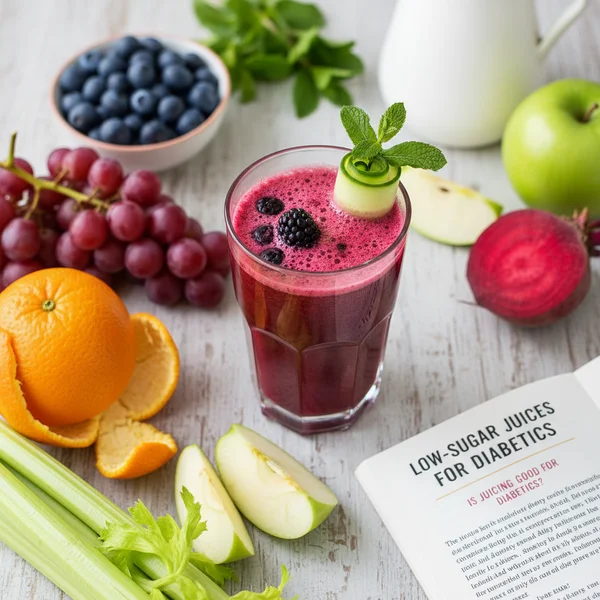
Start with a base of hydrating, low-calorie vegetables. Cucumbers and celery are excellent because they produce a high volume of juice with almost zero sugar. Next, add your “leafy powerhouses,” such as kale, swiss chard, or parsley. For flavor and a boost of Vitamin C, use lemon or lime, which have very little effect on blood sugar. If you need a hint of sweetness, a small amount of green apple or a handful of berries is the safest bet.
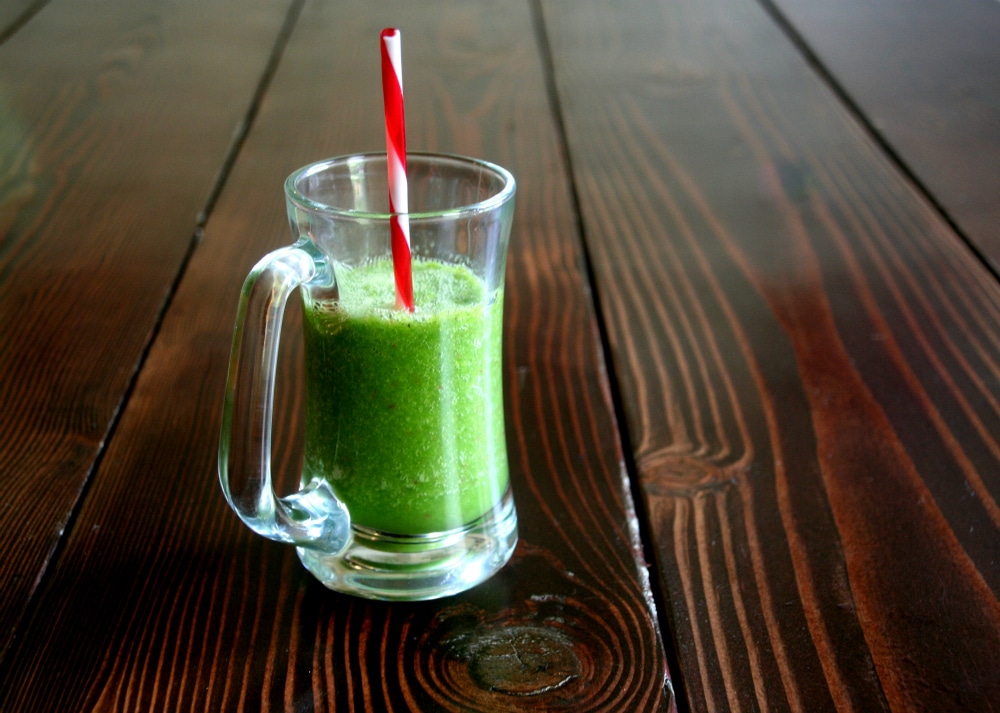
The “Green Stability” Juice Recipe
This recipe is specifically designed to provide a high concentration of antioxidants without the sugar crash.
- Ingredients:
- 2 large cucumbers (peeled if not organic)
- 4 stalks of celery
- 1 cup of fresh spinach
- 1/2 a medium green apple (Granny Smith is best for lower sugar)
- 1/2 a lemon (peeled)
- 1-inch knob of fresh ginger
- Instructions:
- Wash all produce thoroughly under cold running water.
- Cut the cucumber, celery, and apple into pieces that fit your specific juicer’s feed chute.
- Turn on the juicer and begin with the spinach, followed by the ginger and lemon.
- Feed the cucumber and celery through the machine; their high water content will help “flush” the darker leafy greens through the mechanism.
- Finish with the green apple.
- Stir the juice well and consume immediately for maximum nutrient retention.
- Prep time: 10 minutes
- Cooking time: 0 minutes (Total time 10 minutes)
- Servings: 1 serving (approximately 12–16 ounces)
- Calories: Approximately 85 calories per serving
Step-by-Step Guide to Safe Juicing for Diabetics
To ensure that your juicing habit remains a healthy one, follow these systematic steps every time you prepare a drink.
Step 1: Consult Your Doctor
Before making juicing a daily habit, speak with your healthcare provider or a registered dietitian. They can help you determine how to account for the carbohydrates in your juice within your daily meal plan and may suggest adjustments to your medication if necessary.
Step 2: Time Your Consumption
Never drink juice on an empty stomach if you are diabetic. The best time to consume juice is alongside a meal that contains fiber, protein, and healthy fats. For example, drinking your green juice while eating a hard-boiled egg or a handful of almonds will significantly slow the absorption of the vegetable sugars.
Step 3: Measure and Log
Treat your juice like any other food item. Measure the total volume and estimate the carbohydrate count. Using a nutrition tracking app can help you see exactly how many calories and grams of sugar you are consuming. This data is vital for tracking how your body responds to different ingredient combinations.
Step 4: Monitor Blood Glucose
In the early stages of juicing, test your blood sugar levels before drinking the juice and again about 30 to 60 minutes after. This will give you a clear picture of how your specific juice recipe affects your glucose levels. If you see a spike higher than your target range, you may need to reduce the fruit content or the serving size.
Important Considerations and Common Mistakes
While juicing has many perks, there are several pitfalls that diabetics must avoid to stay safe and healthy.
The “Too Much Fruit” Trap
The most common mistake is using too much fruit to mask the taste of bitter greens. Carrots and beets, while healthy, are also relatively high in sugar when juiced. For a diabetic, a juice made primarily of carrot and orange is essentially a sugar bomb. Stick to the “green” rule: if the juice is bright orange or red, it is likely too high in sugar for frequent consumption.
Ignoring Portion Control
Just because it is “liquid” doesn’t mean you can drink unlimited amounts. A 16-ounce glass of juice contains the concentrated nutrients (and sugars) of several pounds of produce. Keep your servings to 8–12 ounces to avoid overloading your system with carbohydrates at once.
Discarding All the Fiber
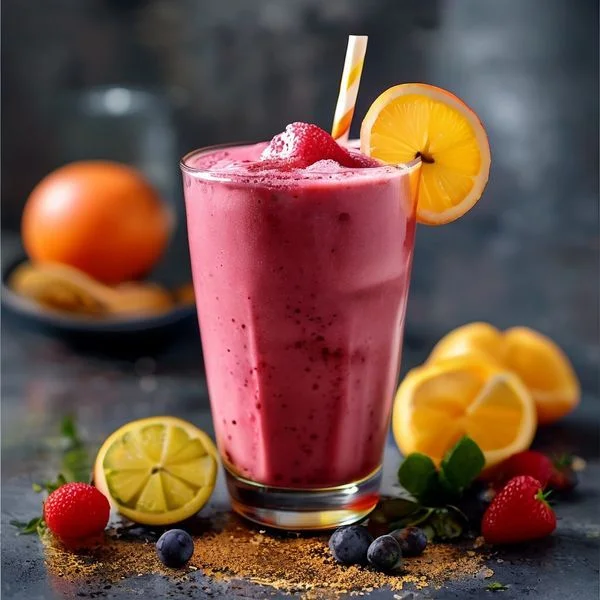
One of the best ways to make juicing better for diabetics is to actually add some of the pulp back into the glass. Alternatively, consider “blending” instead of juicing. A high-powered blender keeps all the fiber intact, creating a smoothie rather than a juice. This is generally the safer route for those with significant insulin resistance.
Using Juice as a Meal Replacement
Diabetics should avoid “juice cleanses” or using juice as a total meal replacement. Lack of protein and fat can lead to dangerous fluctuations in blood sugar and may cause muscle loss over time. Juice should be viewed as a supplement to a balanced diet, not the foundation of it.
- Add Healthy Fats: Stir in a teaspoon of chia seeds or flaxseed oil to your juice to help stabilize blood sugar.
- Use Cinnamon: Add a dash of cinnamon to your juice; some studies suggest it may help improve insulin sensitivity.
- Prioritize Freshness: Drink your juice within 15 minutes of making it, as light and air quickly degrade the enzymes and vitamins.
- Focus on Bitters: Ingredients like bitter melon or dandelion greens are particularly noted in traditional medicine for supporting blood sugar management.
Conclusion
In summary, juicing can be a beneficial part of a diabetic lifestyle if approached with a focus on science and moderation. By prioritizing low-glycemic green vegetables and strictly limiting high-sugar fruits, you can enjoy a concentrated boost of vitamins and antioxidants without causing dangerous spikes in your blood glucose levels. Remember that juice should never replace whole fiber-rich meals, but rather serve as a nutrient-dense accompaniment. Always monitor your body’s reaction, keep your prep time efficient, and consult with your medical team to ensure your juicing habit aligns with your overall diabetes management plan.
❓ Frequently Asked Questions
1
How long does fresh green juice last in fridge?
Fresh juice is best consumed immediately to get the most nutrients. However, you can store it in an airtight glass container for up to 24 hours. Fill the container to the brim to reduce oxidation, and always give it a quick shake before drinking to incorporate any settled ingredients.
2
Can I make diabetic juice ahead of time?
You can prepare your vegetable ingredients in advance to save time, but it is highly recommended to juice them fresh each morning. If you must make it ahead, do not exceed one day of storage, as the nutritional profile degrades and the lack of fiber makes sugar stability difficult.
3
What can I substitute for high-sugar fruits?
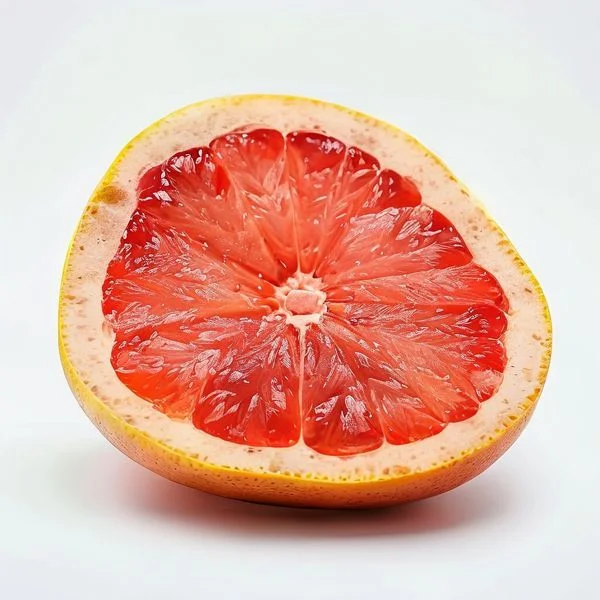
If you want sweetness without the sugar spike, substitute high-glycemic fruits with green apples, grapefruit, or a handful of berries. For a refreshing flavor without adding any sugar, use extra cucumber, fresh mint, or a squeeze of lemon. These ingredients provide volume and flavor while keeping carbohydrate counts very low.
4
How do I know when juicing is causing spikes?
The only way to be certain is to test your blood glucose levels about 30 to 60 minutes after drinking your juice. If you see a significant rise, you should adjust your recipe by removing fruit and increasing the volume of leafy greens or adding a source of fiber.
5
Can I freeze green juice?
Yes, you can freeze green juice for up to three months. Use freezer-safe glass jars and leave at least an inch of space at the top for expansion. Thaw the juice in the refrigerator overnight. While some enzymes may be lost, it remains a healthy alternative to store-bought options.