
Green Smoothie for Kidneys: Easy & Healthy
Starting your day with a green smoothie for kidneys can be a transformative habit for your overall wellness. For those managing renal health, finding a morning meal that is both nutritious and safe for the kidneys is often a challenge. A well-crafted smoothie provides a quick breakfast solution that balances essential nutrients without overloading the body with potassium, phosphorus, or sodium. In this guide, you will learn how to select the best low-oxalate greens, incorporate kidney-safe proteins, and prepare a delicious drink that supports detoxification and hydration. Whether you are looking for an energy boost or a simple way to streamline your routine, these insights will help you master the art of the renal-friendly smoothie.

A kidney-friendly green smoothie should prioritize low-potassium fruits and low-oxalate greens to support renal filtration while providing sustained, protein-packed energy for your day.
The Role of Nutrient-Dense Smoothies in Renal Support
The kidneys are the body’s sophisticated filtration system, working tirelessly to remove waste products and excess fluid from the blood. When looking for a morning meal that supports this process, a green smoothie for kidneys stands out as a premier choice. Unlike heavy traditional breakfasts that may be high in processed salts and fats, a blended drink allows for the immediate delivery of antioxidants and phytonutrients. These compounds help combat oxidative stress, which is often elevated in individuals with compromised kidney function.
One of the primary benefits of this quick breakfast is its ability to promote hydration. Many people struggle to consume enough water throughout the day, but a smoothie made with a base of water or low-phosphorus milk alternatives can contribute significantly to daily fluid intake. Hydration is essential because it helps the kidneys clear sodium and urea from the body. Furthermore, by incorporating specific fiber-rich ingredients, you can improve digestive health, which indirectly supports the kidneys by reducing the overall metabolic load on the body. This comprehensive approach ensures that you are not just eating, but actively nourishing your renal system.
When crafting these drinks, it is vital to understand the balance of electrolytes. For those with advanced kidney concerns, managing potassium and phosphorus is a priority. A green smoothie allows for precise control over these elements. By choosing ingredients like blueberries, pineapple, and kale over high-potassium options like bananas or oranges, you create a drink that offers an energy boost without putting unnecessary strain on your filtration system. This mindful selection of ingredients is what transforms a standard health drink into a therapeutic tool for kidney longevity.
Selecting the Right Greens and Bases
The “green” in a green smoothie for kidneys usually comes from leafy vegetables, but not all greens are created equal in the eyes of a renal dietitian. Many popular smoothie greens, such as spinach and Swiss chard, are extremely high in oxalates. For some individuals, high oxalate intake can lead to the formation of kidney stones. Therefore, selecting low-oxalate alternatives is a crucial step in preparing a safe morning meal. Kale, arugula, and cabbage are excellent substitutes that provide that signature green color and a wealth of vitamins without the high oxalate risk.
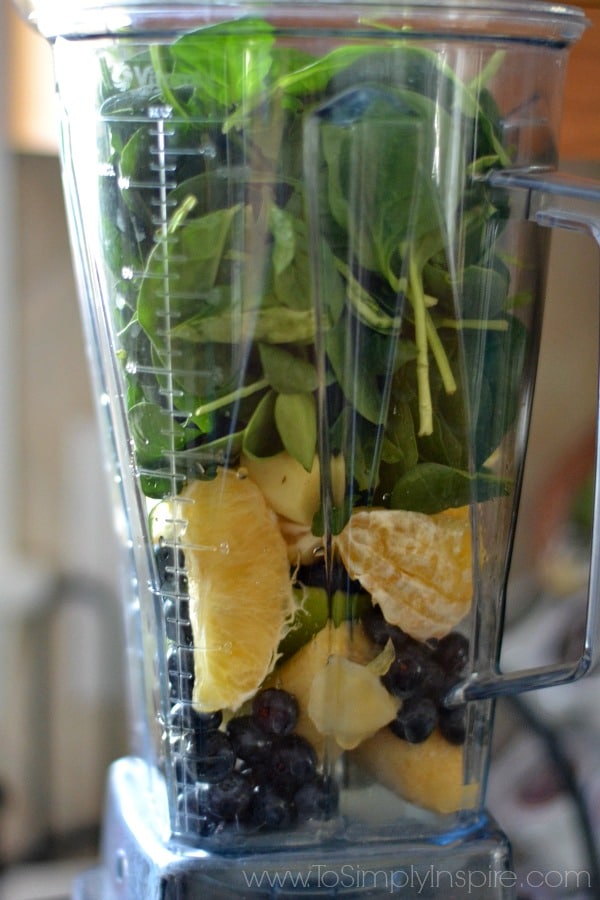
Beyond the greens, the liquid base you choose dictates the phosphorus and potassium content of the final product. While cow’s milk is high in both, many plant-based milks offer a safer alternative for a quick breakfast. Unsweetened almond milk, rice milk, or even plain water are generally preferred. It is important to check labels for “phosphorus additives,” which are often found in shelf-stable non-dairy milks and can be particularly taxing on the kidneys. A simple base of coconut water (in moderation) or filtered water can also provide a refreshing, light texture that highlights the flavors of the fruit and vegetables.
To give your smoothie a satisfying consistency and a natural energy boost, consider the fruit components carefully. While bananas are the traditional thickener for smoothies, they are high in potassium. For a kidney-friendly alternative, try using frozen cauliflower or frozen berries. Frozen berries, such as raspberries and strawberries, are low in potassium and high in fiber and antioxidants. Cauliflower, when frozen and blended, adds a creamy texture without altering the flavor profile significantly, making it a “secret ingredient” for those who want a thick, milkshake-like consistency in their morning meal.

Building a Protein-Packed and Energy-Boosting Blend
Many people find that a simple fruit and vegetable blend leaves them feeling hungry shortly after consumption. To turn your drink into a true meal replacement, you need to make it protein-packed. Protein is essential for muscle maintenance and overall metabolic health, but the type of protein matters significantly for kidney health. Traditional whey protein can sometimes be high in phosphorus, so looking for high-quality, kidney-safe alternatives is key. Egg white protein powder is often recommended by renal specialists because it is a high-biological-value protein with very low phosphorus levels.
In addition to protein, healthy fats are necessary for a sustained energy boost. Adding a small amount of healthy fats slows down the absorption of sugars from the fruit, preventing blood sugar spikes that can lead to energy crashes and put additional stress on the kidneys over time. Excellent sources of healthy fats for a kidney-friendly diet include a tablespoon of flaxseed oil or a small portion of avocado (if your potassium limits allow). These additions ensure that your quick breakfast keeps you fueled and focused until your next meal.
To further enhance the nutritional profile, you can include “superfood” additions that are safe for the kidneys. For instance, a dash of cinnamon can help with blood sugar regulation, while a small piece of fresh ginger adds anti-inflammatory properties and a spicy kick to your morning meal. These small additions don’t just improve the taste; they work synergistically with the protein and fiber to create a balanced nutritional profile that supports both your kidneys and your overall energy levels throughout the morning.
Mastering Meal Prep and Grab-and-Go Efficiency
One of the biggest hurdles to healthy eating is a lack of time in the morning. This is why a green smoothie for kidneys is the ultimate quick breakfast. By utilizing meal prep strategies, you can reduce your morning routine to just a few minutes. The most effective method is creating “smoothie packs.” These are pre-portioned bags containing your greens, fruits, and any solid add-ins like ginger or seeds. Store these packs in the freezer, and when you are ready to eat, simply empty the bag into the blender, add your liquid base and protein powder, and blend.
For those who need a grab and go option, the portability of a smoothie is unmatched. Investing in a high-quality insulated tumbler will keep your drink cold for hours, allowing you to sip it during your commute or at your desk. This convenience makes it much easier to stick to a kidney-friendly diet, even when life gets busy. It eliminates the temptation to grab a processed breakfast sandwich or a sugary pastry from a coffee shop, both of which are typically high in sodium and phosphorus.
Another meal prep tip is to blend your smoothies in batches if you have a vacuum-seal blender or high-quality airtight jars. While most smoothies are best consumed immediately to preserve vitamin C and prevent oxidation, some ingredients hold up well for up to 24 hours in the refrigerator. If you choose to prep the night before, a quick shake in the morning will redistribute the ingredients, providing you with a seamless morning meal. Efficiency in the kitchen leads to consistency in your diet, which is the most important factor in long-term kidney health.
Nutritional Comparisons: Standard vs. Kidney-Friendly Smoothies
Understanding the “why” behind ingredient swaps can help you make better decisions when you are out of the house or trying new recipes. Below is a comparison table that highlights the differences between a standard green smoothie and a specialized green smoothie for kidneys. By focusing on these adjustments, you can significantly reduce the workload on your renal system.
| Component | Standard Smoothie (High Risk) | Kidney-Friendly Smoothie (Lower Risk) |
|---|---|---|
| Leafy Greens | Spinach, Chard (High Oxalate) | Kale, Arugula, Cabbage |
| Liquid Base | Cow’s Milk, Orange Juice | Water, Rice Milk, Almond Milk |
| Fruit Thickener | Banana, Mango | Blueberries, Pineapple, Frozen Cauliflower |
| Protein Source | Whey Protein, Nut Butters | Egg White Powder, Low-Phos Vegan Protein |
As you can see, the kidney-friendly approach swaps out high-potassium and high-phosphorus items for alternatives that provide similar textures and flavors. This doesn’t mean your morning meal will be less delicious; in fact, many people find that the tartness of berries and the peppery bite of arugula offer a more complex and refreshing flavor profile than the overly sweet standard versions. By making these informed choices, you are prioritizing your health without sacrificing the joy of a quick breakfast.
Expert Tips for Kidney-Healthy Blending
When preparing a green smoothie for kidneys, experts recommend paying close attention to portion sizes. Even low-potassium fruits can contribute to a high total potassium load if consumed in large quantities. A good rule of thumb is to limit your fruit portion to about half a cup per smoothie. Furthermore, professionals suggest rotating your greens. Even low-oxalate greens contain small amounts of various minerals; rotating between kale, arugula, and leaf lettuce ensures you get a broad spectrum of nutrients without over-consuming any single one.
Consulting with a renal dietitian is also highly recommended, as kidney health is highly individualized. Depending on your specific stage of kidney disease, your requirements for protein and fluid may vary. An expert can help you fine-tune your morning meal to meet your exact laboratory values. Lastly, don’t forget the importance of temperature. Using frozen ingredients not only improves texture but also makes the drink more refreshing, which can be particularly helpful for those on fluid restrictions who need to savor every drop of their quick breakfast.
- Use a high-speed blender to ensure that fibrous greens like kale are completely pulverized, creating a smooth, professional texture.
- Add a squeeze of lemon juice to your smoothie; the citric acid can help inhibit the formation of certain types of kidney stones.
- If you need extra calories but must limit protein, consider adding a small amount of coconut oil for healthy, energy-boosting medium-chain triglycerides.
Incorporating a green smoothie for kidneys into your daily routine is an excellent way to support renal health while enjoying a delicious and quick breakfast. By focusing on low-oxalate greens, kidney-safe proteins, and mindful hydration, you can create a protein-packed morning meal that provides a sustained energy boost throughout your day. Remember that consistency and ingredient quality are the cornerstones of a renal-friendly diet. Start experimenting with these ingredients today to discover a grab and go solution that makes you feel your best.
❓ Frequently Asked Questions
1
How long does a green smoothie for kidneys last in the fridge?
This green smoothie for kidneys is best enjoyed immediately to maximize nutrient absorption. However, you can store it in a sealed glass jar for up to 24 hours. Because natural separation occurs, ensure you shake the container vigorously before drinking to restore the smooth, consistent texture of the beverage.
2
Can I make this green smoothie ahead of time?
Yes, you can streamline your morning meal by preparing smoothie packs during your weekly meal prep. Place the greens and fruit into individual freezer bags. When you are ready for a quick breakfast, just add your liquid base and seeds to the blender with the frozen ingredients and blend.
3
What can I substitute for spinach in this recipe?
If you are looking for a lower-oxalate alternative to spinach, try using kale or even steamed and cooled cauliflower. These options still provide an energy boost while being gentler on the kidneys. Cucumber is another excellent, hydrating addition that keeps the smoothie light, refreshing, and very kidney-friendly for everyone.
4
How do I know when the green smoothie is done?
The smoothie is finished when the mixture is completely uniform in color and no visible chunks of greens or frozen fruit remain. In a high-speed blender, this typically takes about 45 to 60 seconds. If the mixture seems too thick, add a tablespoon of water until it reaches perfection.
5
Can I freeze this kidney-friendly green smoothie?
Absolutely, you can freeze the smoothie in silicone trays for a protein-packed treat later. Frozen smoothie cubes can be popped into a glass and allowed to thaw slightly, or re-blended for an instant morning meal. This method is an excellent way to reduce waste and ensure you have healthy options.