
What Chemicals Cause Thyroid Problems: Essential Guide
Several environmental chemicals, known as endocrine disruptors, are linked to thyroid dysfunction. Key culprits include Bisphenol A (BPA) and phthalates found in plastics, perchlorate in water supplies, and PFAS (per- and polyfluoroalkyl substances) used in non-stick coatings. Additionally, flame retardants (PBDEs) and certain pesticides interfere with hormone production and signaling. These substances can mimic thyroid hormones or block their receptors, leading to conditions like hypothyroidism, hyperthyroidism, or thyroid nodules.
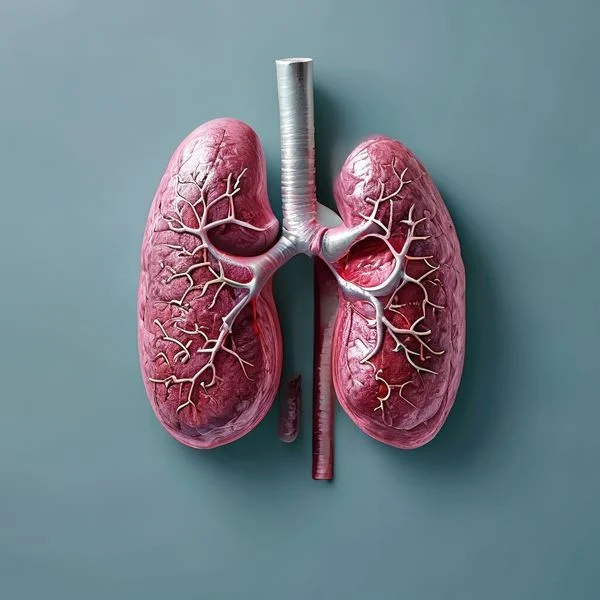
Understanding the Toxic Load: Which Chemicals Disrupt Your Thyroid?
The thyroid gland is a small, butterfly-shaped organ in the neck that acts as the body’s master controller for metabolism, energy, and growth. Unfortunately, it is highly sensitive to environmental toxins. When we look at what chemicals cause thyroid problems, we are primarily discussing endocrine-disrupting chemicals (EDCs). These substances interfere with the synthesis, transport, and metabolism of thyroid hormones, specifically thyroxine (T4) and triiodothyronine (T3).
One of the most prevalent disruptors is Bisphenol A (BPA). Commonly found in plastic containers and thermal receipt paper, BPA is structurally similar to thyroid hormones. When it enters the bloodstream, it can bind to thyroid hormone receptors, essentially blocking the real hormones from doing their job. This can lead to a sluggish metabolism and a decrease in the rate at which the body burns calories.
Another major concern is perchlorate. This chemical is a byproduct of rocket fuel and fireworks but has unfortunately leached into many groundwater sources and irrigation systems. Perchlorate is particularly dangerous because it inhibits the thyroid’s ability to absorb iodine. Since iodine is the primary building block for thyroid hormones, a lack of absorption can lead to significant hormonal deficiencies. Similarly, phthalates—chemicals used to make plastics flexible and to stabilize fragrances in perfumes and lotions—have been shown in clinical studies to lower circulating levels of thyroid hormones in both men and women.
Heavy metals like lead, mercury, and cadmium also play a role. These toxins can accumulate in thyroid tissue over years of exposure, causing oxidative stress and inflammation. This chronic irritation often leads to the development of autoimmune conditions, such as Hashimoto’s disease, where the body’s immune system mistakenly attacks the thyroid gland.
The Recipe for a Thyroid-Safe Lifestyle: Step-by-Step Instructions
Protecting your endocrine system requires a proactive approach. Think of this as a recipe for long-term health, where the goal is to remove toxic ingredients from your daily environment. While you cannot control every environmental factor, you can significantly reduce your daily “toxic servings” by following these instructions.
Step 1: Audit Your Kitchen Storage
The first step in your thyroid-protection prep time involves a total kitchen audit. Discard old plastic containers, especially those that are scratched or cloudy, as these leach chemicals more readily. Replace them with glass, stainless steel, or ceramic alternatives. Never microwave food in plastic, as the heat increases the rate at which endocrine disruptors migrate into your meal.
Step 2: Filter Your Water Source
Since perchlorate and PFAS are frequently found in municipal water, a high-quality water filtration system is essential. Look for filters certified to remove “forever chemicals” and heavy metals. This simple change reduces your exposure every time you drink or cook.
Step 3: Choose Organic Produce to Limit Pesticides
Pesticides and herbicides are known to interfere with the thyroid’s signaling pathways. When shopping, prioritize organic options for the “Dirty Dozen”—the fruits and vegetables most likely to carry high pesticide residues. Reducing these chemical “servings” helps lower the cumulative load on your endocrine system.
Step 4: Mind Your Personal Care Products
Many lotions, shampoos, and soaps contain phthalates and parabens. Transitioning to “fragrance-free” or “essential oil-based” products can dramatically lower your chemical absorption through the skin. Check labels for any chemical names ending in “-phthalate.”
Step 5: Improve Indoor Air Quality
Dust is a major carrier for flame retardants (PBDEs) shed from furniture and electronics. Use a vacuum with a HEPA filter and damp-mop floors regularly to keep these chemicals from being inhaled or ingested.
Important Considerations for Thyroid Health
When addressing thyroid-disrupting chemicals, it is important to understand that the “dose makes the poison,” but with endocrine disruptors, even low-level chronic exposure is significant. One common mistake is assuming that “BPA-free” products are automatically safe. Often, manufacturers replace BPA with BPS or BPF, which may have similar hormonal effects. Always opt for natural materials like glass or silicone when possible.
Another consideration is the cumulative effect of these chemicals. While a single serving of a pesticide-treated apple might not cause immediate harm, the total “cooking time” of your life—years of exposure to various toxins—can lead to a “tipping point” for thyroid health. This is particularly critical for pregnant women and developing children, as the thyroid is vital for brain development and growth.
Furthermore, don’t overlook the impact of fluoride and chloride. Both are halogens that can compete with iodine in the thyroid gland. If you have a family history of thyroid issues, you may want to discuss a low-fluoride water strategy with your healthcare provider. Finally, remember that supporting your body’s natural detoxification pathways through hydration and fiber is just as important as avoiding the toxins in the first place.
- Increase your intake of selenium-rich foods, like Brazil nuts, to support thyroid enzyme function.
- Always wash new clothes and linens before use to remove finishes and chemical residues.
- Avoid “non-stick” cookware; use cast iron or stainless steel to avoid PFAS exposure.
- Test your home for radon and check your local water quality report annually.
Conclusion
Identifying what chemicals cause thyroid problems is the first step toward reclaiming your hormonal health. By recognizing the dangers of BPA, phthalates, perchlorate, and PFAS, you can take meaningful steps to limit your exposure. While it takes some prep time to overhaul your household products and dietary habits, the long-term benefits for your metabolism and energy levels are well worth the effort. By treating your environment with the same care you would use when selecting ingredients for a healthy meal, you create a foundation for a resilient and thriving thyroid gland. For best results, combine these environmental changes with a nutrient-dense diet and regular medical check-ups.
❓ Frequently Asked Questions
1
How long does thyroid detoxing take?
The time it takes to reduce chemical levels in your body varies. Generally, a commitment of three to six months to a clean lifestyle and thyroid-friendly recipe can show improvements. Consistency with your dietary instructions and avoiding known toxins is key to seeing measurable results in your energy levels and blood work.

2
Can I make thyroid-safe meals ahead of time?
Preparing meals in advance is a great way to ensure you avoid processed foods containing additives. Use glass containers rather than plastic to prevent chemical leaching. This strategy reduces daily prep time while keeping your nutrition on track, ensuring you always have healthy, hormone-safe ingredients ready to eat.
3
What can I substitute for non-stick pans?
You should substitute non-stick pans with stainless steel, cast iron, or high-quality ceramic. Non-stick surfaces often contain PFOAs and other chemicals that can disrupt thyroid function when heated. Switching your cooking equipment is a simple way to improve your kitchen’s safety and protect your long-term endocrine health.
4
How do I know when my thyroid is healing?
Signs of healing include improved energy, stable weight, and better mood. However, the only way to know for sure is through clinical testing of TSH, T3, and T4 levels. Pairing a clean-eating recipe with regular medical check-ups will help you track how your body responds to reduced chemical exposure.
5
Can I freeze thyroid-friendly ingredients?
Yes, freezing fresh, organic ingredients is an excellent way to preserve nutrients. Ensure you use freezer-safe glass or silicone bags rather than standard plastic freezer bags. This helps you manage your cooking time efficiently while ensuring your food remains free from common endocrine-disrupting chemicals found in many plastics.