Is Onion a Nightshade? The Surprising Truth
No, an onion is not a nightshade. Onions belong to the Allium genus within the Amaryllidaceae family, which also includes garlic, leeks, and shallots. Nightshades belong to the Solanaceae family, which includes tomatoes, potatoes, eggplants, and peppers. While both groups are common in various recipes, they are botanically distinct and contain different chemical compounds.
Understanding the Botanical Families: Why Onions Aren’t Nightshades
To understand why the question “is onion a nightshade” arises so frequently, we must look at the complex world of botanical classification. Many people who follow specific anti-inflammatory diets, such as the Autoimmune Protocol (AIP), often need to distinguish between these two groups. While they both provide foundational flavors for a recipe, their biological makeup and their effects on the human body are quite different.
The Allium Family (Amaryllidaceae)
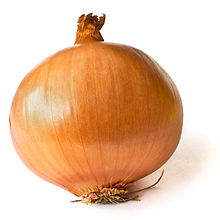
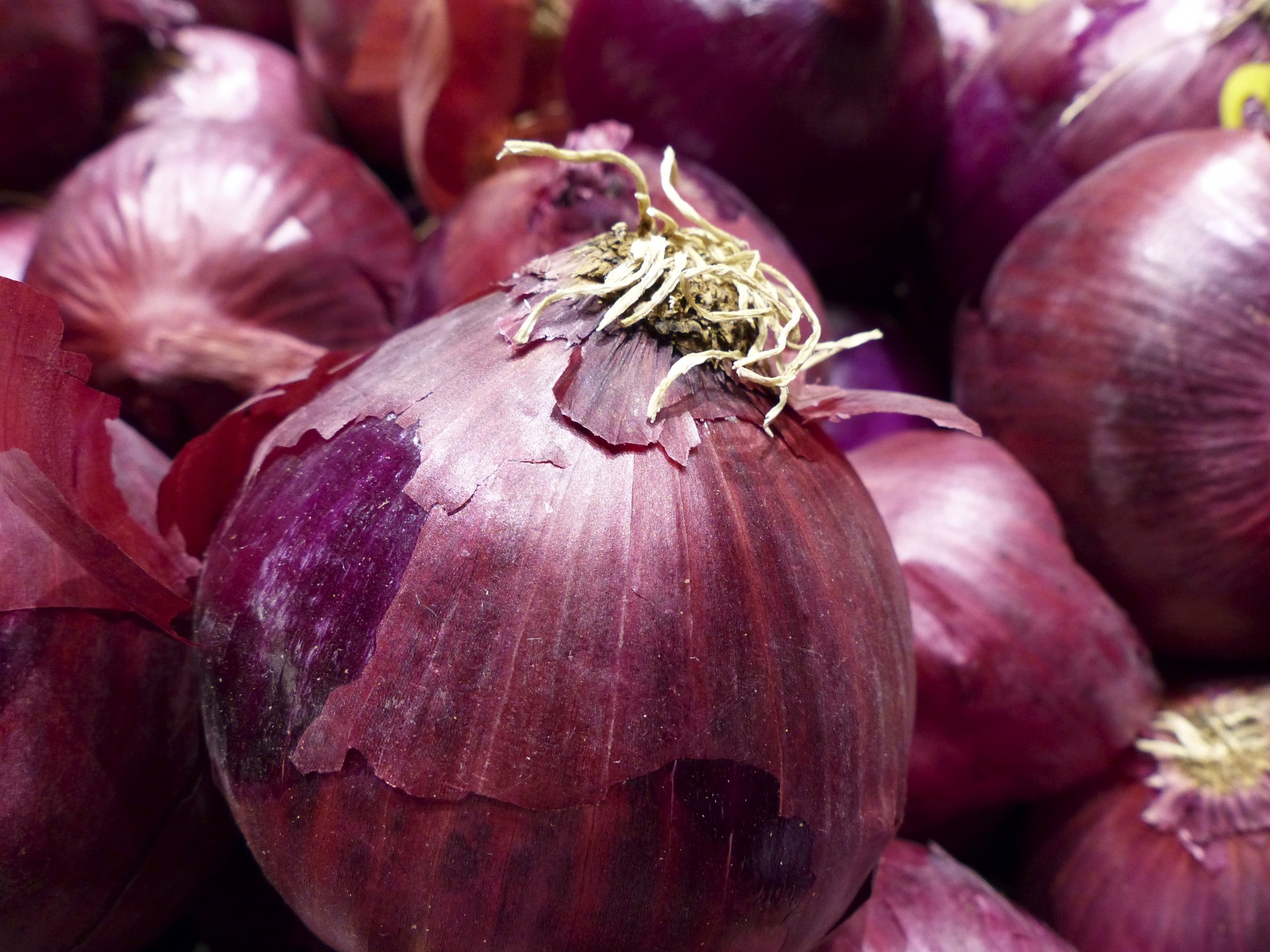
Onions (Allium cepa) are bulbs that belong to the Allium genus. This group is characterized by its pungent aroma and sulfur-containing compounds. When you slice into an onion, the release of syn-propanethial-S-oxide is what causes your eyes to water. Common members of this family include:
- Yellow, white, and red onions
- Garlic
- Shallots
- Leeks
- Chives and scallions
These plants are generally known for their prebiotic fiber and cardiovascular benefits. They do not contain the specific alkaloids that define the nightshade group.
The Solanaceae Family (Nightshades)
Nightshades belong to the Solanaceae family of flowering plants. This family is famous (and sometimes infamous) for containing alkaloids, specifically solanine, which acts as a natural pesticide for the plant. While many nightshades are edible and highly nutritious, some individuals find that the alkaloids contribute to joint pain or digestive inflammation. Common edible nightshades include:
- Tomatoes
- White, red, and yellow potatoes (but not sweet potatoes)
- Eggplants
- Bell peppers and chili peppers
- Goji berries
Because onions are often sautéed alongside peppers and tomatoes in many culinary traditions, they are frequently misidentified as part of the same group. However, if you are avoiding nightshades for health reasons, you can safely keep onions on your list of allowed ingredients.
Creating a Flavorful Nightshade-Free Onion Base: A Detailed Recipe Guide
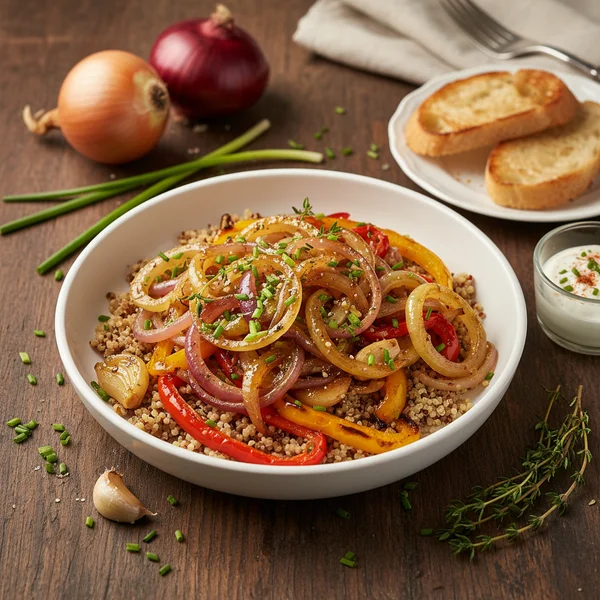
Since onions are safe for those avoiding nightshades, they become a vital tool for adding depth and “umami” to dishes that cannot use peppers or tomatoes. Below is a guide on how to prepare a “Nightshade-Free French Onion Reductions,” which serves as a perfect flavor booster for soups, stews, and sauces. This recipe focuses on the chemical transformation of onions to mimic the richness often provided by nightshade-based pastes.
Recipe Specifications
- Prep time: 15 minutes
- Cooking time: 45 minutes
- Servings: 4 portions
- Calories: 120 kcal per serving
Ingredients
- 4 large yellow onions (thinly sliced)
- 3 tablespoons extra virgin olive oil or ghee
- 1 teaspoon sea salt (to draw out moisture)
- 2 cloves of garlic (minced)
- 1 tablespoon balsamic vinegar (for acidity)
- 1/2 cup beef or vegetable bone broth
- Fresh thyme and bay leaf
Instructions
- Prepare the Onions: Begin by peeling and thinly slicing your onions. Ensure they are uniform in thickness to promote even cooking.
- Heat the Fat: In a heavy-bottomed stainless steel or cast-iron skillet, heat your oil or ghee over medium-low heat. Avoid high heat, as we want to avoid burning the natural sugars.
- Sweat the Onions: Add the onions to the pan and sprinkle with sea salt. The salt is crucial as it breaks down the cell walls and releases moisture. Cover the pan for the first 10 minutes to allow them to soften.
- The Caramelization Process: Remove the lid. Stir the onions every 5 to 7 minutes. You will notice the color shifting from translucent to a golden straw color, and finally to a deep mahogany. This is the Maillard reaction at work.
- Deglaze the Pan: Once the onions are dark brown and sticky, add the minced garlic. Cook for 1 minute until fragrant. Pour in the balsamic vinegar and broth. Use a wooden spoon to scrape up the “brown bits” (fond) from the bottom of the pan—this is where the concentrated flavor lives.
- Final Reduction: Simmer until the liquid has mostly evaporated, leaving you with a thick, jam-like consistency. Remove the bay leaf and thyme sprigs before serving.
By mastering these instructions, you create a nightshade-free flavor profile that is savory, sweet, and complex, effectively replacing the need for tomato-based foundations in your cooking.
Important Considerations for Nightshade-Free Cooking
While onions are not nightshades, there are several nuances to keep in mind when navigating a diet that excludes the Solanaceae family. Many people confuse food “sensitivities” with botanical classifications.
Cross-Contamination in Prepared Foods
If you are purchasing pre-made onion powders or spice blends, always check the labels carefully. Many commercial “onion salt” or “onion seasoning” mixes include anti-caking agents or hidden nightshade derivatives like paprika or chili powder for color. Even if the onion itself is safe, the processing environment or additives might not be.
Fructans and Digestive Sensitivity
It is important to note that while onions are nightshade-free, they are high in FODMAPs (specifically fructans). Some individuals who believe they are reacting to nightshades may actually be reacting to the fermentable carbohydrates in onions and garlic. If you experience bloating or gas after eating onions, this is likely a digestive sensitivity to fructans rather than an inflammatory response to nightshade alkaloids.
Identifying “Pseudo-Nightshades”
Many people mistakenly group black pepper and peppercorns with nightshades because of the name. However, black pepper comes from the Piper nigrum plant, which is not a nightshade. Similarly, sweet potatoes and yams are not nightshades. Knowing these distinctions allows you to expand your pantry without fear of triggering a reaction.
Culinary Substitutions
If you are avoiding nightshades but want the “heat” usually provided by peppers, consider using ginger, horseradish, or mustard seeds. These provide a different kind of “kick” that is botanically unrelated to the Solanaceae family. Combining these with a well-caramelized onion base can create a heat profile that satisfies the palate without the use of capsicum.
- Storage: Caramelized onions can be frozen in ice cube trays. This allows you to add a “flavor bomb” to any recipe instantly without the 45-minute cooking time.
- Color Replacement: If you miss the red color of tomatoes or peppers in your dishes, use beet powder or turmeric mixed with a small amount of lemon juice to achieve vibrant hues.
- Knife Skills: Always use a sharp knife when cutting onions. A dull blade crushes the cells rather than slicing them, which releases more of the gas that causes eye irritation.
Conclusion
In summary, onions are definitively not nightshades. They belong to the Allium family and are generally considered safe for those following nightshade-free or anti-inflammatory diets like AIP. By understanding the botanical differences between Alliums and the Solanaceae family, you can navigate your grocery store and kitchen with confidence. Whether you are counting calories or simply looking to improve your digestive health, onions remain one of the most versatile and nutritious ingredients available to the home cook. Focus on proper preparation techniques to unlock their full flavor potential while maintaining your dietary goals.
❓ Frequently Asked Questions
1
How long does a cut onion last in fridge?
A cut onion will stay fresh for about seven to ten days when stored in an airtight container. It is best to wrap it tightly to prevent the pungent aroma from affecting other ingredients in your refrigerator during the storage time.
2
Can I make a nightshade-free recipe with onions?
Absolutely! Since onions are not nightshades, they are a staple ingredient in nightshade-free cooking. They provide the essential savory base needed for soups, stews, and sauces without the inflammatory risks associated with peppers or tomatoes.
3
What can I substitute for onions in cooking?
If you cannot eat onions, leeks or green onion tops are excellent alternatives. For those following a low-FODMAP diet, chives or asafoetida powder can provide a similar flavor profile while adhering to your specific dietary instructions and needs.
4
How do I know when the cooking time for onions is done?
For basic sautéing, onions are done when they become translucent and tender, usually taking about five to eight minutes. If you follow instructions for caramelizing, the process will take much longer until they reach a deep, rich brown color.
5
Can I freeze onions to save prep time?
Yes, you can freeze chopped onions to significantly reduce your prep time for future meals. Simply peel, dice, and store them in a freezer-safe bag. They can be added directly to the pan for cooking without needing to thaw first.