Strawberry and Kiwi Juice: Quick & Refreshing
When the sun begins to climb and the afternoon heat settles in, few things offer the same sensory relief as a tall glass of strawberry and kiwi juice. This iconic flavor pairing has long been a favorite in the world of beverages, prized for its perfect equilibrium between the deep, floral sweetness of sun-ripened strawberries and the bright, tropical tang of fresh kiwi. Beyond its palate-cleansing properties, this vibrant crimson-and-emerald concoction serves as a powerhouse of nutrition, delivering a concentrated dose of vitamins and antioxidants in every sip. In the following guide, you will discover the science behind this flavor duo, the best techniques for achieving a silk-smooth consistency, and how to elevate a simple drink into a sophisticated, hydrating experience.
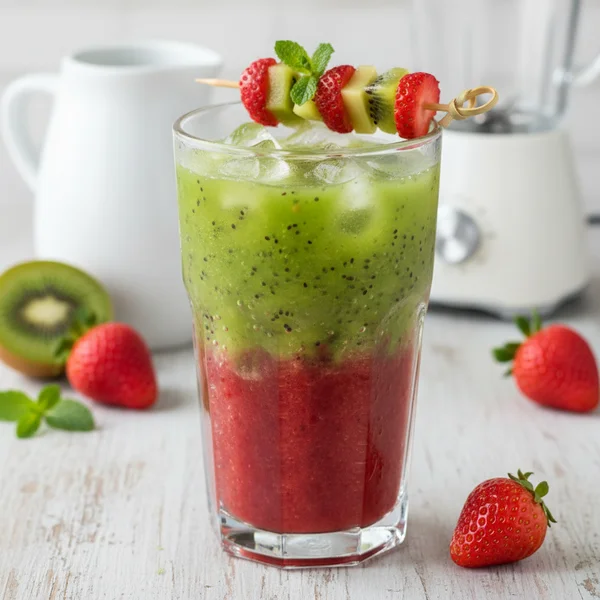
Strawberry and kiwi juice is more than just a sweet treat; it is a nutrient-dense, hydrating beverage rich in Vitamin C and enzymes that support digestion and skin health, especially when prepared using fresh, whole ingredients in a high-speed blender.
The Nutritional Powerhouse: Why This Pairing Works
The synergy between strawberries and kiwis extends far beyond their complementary flavor profiles. From a nutritional standpoint, these two fruits create a formidable team. Strawberries are widely celebrated for their high antioxidant content, specifically anthocyanins, which give them their brilliant red hue and help combat oxidative stress in the body. They are also an excellent source of manganese and folate. When you combine this with the kiwi—often referred to as a “superfruit”—the health benefits are magnified significantly. A single kiwi contains more Vitamin C than an orange and provides a substantial amount of Vitamin K, Vitamin E, and dietary fiber.
One of the most profound benefits of strawberry and kiwi juice is its ability to act as a natural hydrating agent. Because both fruits have a high water content (over 80%), they provide essential fluids along with electrolytes like potassium. This makes the juice an ideal post-workout recovery drink or a mid-day pick-me-up. Additionally, kiwis contain an enzyme called actinidin, which aids in the breakdown of proteins, potentially improving digestion when consumed alongside or after a meal.
To better understand the nutritional impact, consider the following comparison of these two primary ingredients:
| Nutrient (per 100g) | Strawberries | Kiwi |
|---|---|---|
| Vitamin C | 58.8 mg | 92.7 mg |
| Potassium | 153 mg | 312 mg |
| Fiber | 2.0 g | 3.0 g |
| Calories | 32 kcal | 61 kcal |
Mastering the Texture: Blender Techniques and Ice Ratios
Achieving the perfect consistency in your strawberry and kiwi juice depends heavily on the equipment you use and how you manage temperatures. While a centrifugal juicer will yield a thin, clear liquid, many enthusiasts prefer using a high-powered blender. Using a blender allows you to retain the pulp and fiber, which keeps the glycemic index of the drink lower and ensures you get the full nutritional value of the fruit. However, the challenge with kiwi in a blender is the seeds; if blended for too long at high speeds, the small black seeds can break open, releasing a slightly peppery or bitter aftertaste. To avoid this, it is best to pulse the kiwi or blend on a medium setting until just combined.

Temperature plays a crucial role in the overall “mouthfeel” of the beverage. For a truly refreshing experience, the introduction of ice is mandatory. You have two primary options here: blending the ice directly with the fruit or pouring the finished juice over chilled cubes. If you choose to blend the ice, you move into the territory of a “frappe” or “slushy.” This is particularly effective if you are using frozen strawberries, which act as a natural coolant and create a thick, velvety texture without diluting the flavor. If you prefer a traditional juice, ensure all your ingredients are thoroughly chilled before starting, and add a small amount of cold filtered water to help the blades move the fruit freely.
When working with frozen fruit, remember that the natural sugars are slightly less perceptible to the palate when cold. You may find that a frozen strawberry and kiwi blend requires a tiny touch of natural sweetener, such as agave or honey, to bring the flavors back to the forefront. Conversely, fresh, room-temperature fruit will be at its sweetest but will require more ice to reach that desired refreshing temperature, which can lead to dilution if not balanced correctly.

Creative Variations and Flavor Enhancements
While the base of strawberry and kiwi is spectacular on its own, there is ample room for culinary creativity. To make the drink more hydrating and provide a sophisticated edge, consider incorporating herbal infusions. Fresh mint leaves are the most popular addition; the menthol in the mint heightens the cooling sensation of the chilled juice, making it feel even more refreshing on a hot day. Basil is another surprising but delicious option, offering an earthy, peppery undertone that balances the sweetness of the strawberries.
For those who enjoy a bit of zest, a squeeze of lime or lemon juice can transform the drink. The acidity of citrus acts as a flavor enhancer, “waking up” the strawberry notes and cutting through the density of the kiwi. If you want to lean into the tropical vibes, replacing the water base with coconut water adds essential electrolytes and a subtle nutty sweetness. This variation is particularly popular among athletes looking for a natural alternative to store-bought sports drinks.
Another popular modification involves the “sparkling” version. By blending the fruit into a concentrated purée and then topping it with chilled sparkling water or club soda, you create a non-alcoholic spritzer. This version is perfect for social gatherings where a festive, bubbly drink is desired. Regardless of the variation, the final touch should always be a thoughtful garnish. A thin slice of kiwi pressed against the inside of the glass or a whole strawberry perched on the rim immediately signals the quality and freshness of the drink to whoever is lucky enough to enjoy it.
The Art of Presentation: Serving and Garnishing
We eat and drink with our eyes first, and strawberry and kiwi juice offers a spectacular color palette to work with. To maximize the visual appeal, use clear glassware that has been chilled in the freezer for at least ten minutes prior to serving. This not only keeps the juice refreshing for longer but also creates a beautiful frost on the outside of the glass. If you have prepared a thicker blend using ice and frozen fruit, a wider-mouthed glass or a mason jar can give it a rustic, “farm-to-table” aesthetic.
The garnish is the finishing move that separates a homemade juice from a professional-grade beverage. Beyond the standard fruit slices, you can experiment with “ice jewels.” Freeze small pieces of strawberry or kiwi inside ice cubes and drop them into the glass. As the ice melts, it releases more fruit flavor rather than diluting the drink. For a more aromatic experience, a sprig of fresh mint or a twist of lime peel can be placed on top. These garnishes provide a scent profile that hits the nose just before the first sip, enhancing the overall flavor perception.
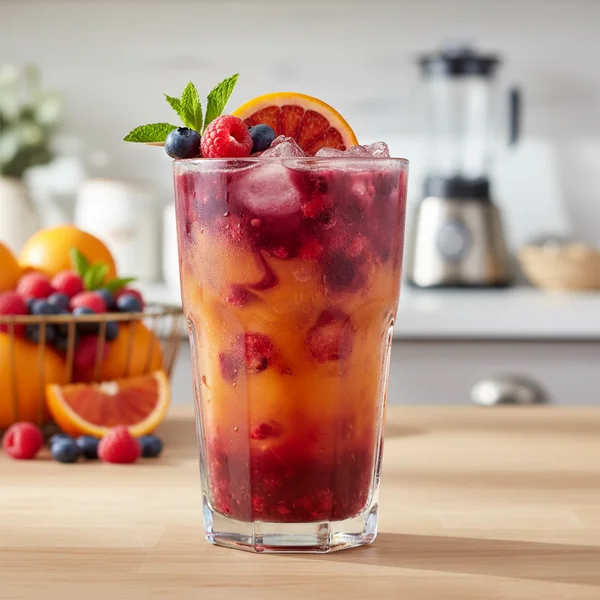
If you are serving this juice at a brunch or a garden party, consider the “layered” look. By blending the strawberries and kiwis separately with a little bit of honey and ice to create two different densities, you can carefully pour the kiwi mixture over the strawberry base. If done slowly, the two colors will remain somewhat distinct, creating a stunning bi-color effect that is sure to impress guests. This method requires a bit more patience and a steady hand, but the results are visually striking and emphasize the two distinct components of the juice.
Longevity and Storage: Keeping it Fresh
Freshly made fruit juice is a volatile substance; the moment the cell walls of the fruit are broken in the blender, enzymes and oxygen begin to change the flavor and nutritional profile. To enjoy the maximum benefits and the brightest flavor, strawberry and kiwi juice should ideally be consumed within 20 minutes of preparation. However, life often requires preparation in advance. If you must store the juice, do so in an airtight glass container, filling it as close to the top as possible to minimize oxygen exposure.
Storing the juice in the refrigerator will keep it chilled, but you will notice some separation over time. This is natural and is simply the heavier solids settling at the bottom. A quick shake or stir will reintegrate the juice perfectly. If you find yourself with an excess of juice, do not let it go to waste. Pour the leftovers into ice cube trays or popsicle molds. These frozen treats are a fantastic, healthy snack for children and can even be popped into a glass of water or lemonade later in the week for a quick flavor boost.
One tip for extending the “bright” color of the juice is the addition of a small amount of Vitamin C powder or a heavier dose of citrus juice. The acid acts as a preservative, slowing down the browning process (oxidation) that can turn a vibrant green kiwi juice into an unappetizing muddy color. While it won’t keep the juice fresh forever, it can certainly help maintain that “just-blended” look for a few hours if you are preparing a batch for a morning event.
Expert Tips for the Perfect Juice
To truly master this beverage, professional baristas and juice enthusiasts suggest paying close attention to the ripeness of your fruit. A strawberry that is white near the stem will be tart and lack the floral aroma necessary for a deep flavor. Similarly, a kiwi that is rock-hard will be overly acidic. Look for fruit that gives slightly to gentle pressure. If your kiwis are too firm, place them in a paper bag with a banana for 24 hours to speed up the ripening process through ethylene gas exposure.
Another expert secret involves the “strain vs. no-strain” debate. If you desire a luxury, restaurant-quality juice that is completely translucent, pass your blended mixture through a fine-mesh nut milk bag or several layers of cheesecloth. This removes all fibrous material and seeds, leaving behind a pure, intense nectar. While you lose the fiber, the resulting texture is incredibly elegant and pairs beautifully with a splash of champagne for a “Strawberry-Kiwi Mimosa.”
- The Hulling Trick: Use a straw to push through the bottom of the strawberry to the top to remove the hull cleanly without wasting any fruit.
- Kiwi Prep: Instead of peeling with a knife, cut the kiwi in half and use a large spoon to scoop the flesh out in one piece.
- Pre-Chill Your Blender: For the ultimate chilled result, put your blender jar in the fridge for 30 minutes before using it to prevent the motor’s heat from warming the juice.
- Balance the Tartness: If your kiwi is particularly tart, add a pinch of salt. It sounds counterintuitive, but salt suppresses bitterness and enhances the perception of sweetness.
In summary, strawberry and kiwi juice is a timeless classic that offers a wealth of health benefits and a truly refreshing experience. By understanding the importance of fruit ripeness, mastering your blender techniques, and utilizing ice and frozen components effectively, you can create a drink that is both hydrating and delicious. Whether you prefer a thick, textured blend or a fine, chilled nectar, the key lies in the quality of your ingredients and the care taken in presentation. We recommend starting with the freshest seasonal produce available and experimenting with garnishes like mint or lime to find your perfect signature version of this vibrant summer staple.
❓ Frequently Asked Questions
1
How long does strawberry and kiwi juice last in fridge?
This fresh juice is best consumed immediately for maximum flavor and nutrient density. However, you can store it in an airtight container in the refrigerator for up to 24 hours. Shake well before serving as natural separation will occur over time while the fruit pulp settles.
2
Can I make strawberry and kiwi juice ahead of time?
While you can prepare it up to a day in advance, the vibrant color and fresh taste are best right after blending. If you must make it ahead, store it in the coldest part of your fridge and give it a vigorous stir or shake before pouring.
3
What can I substitute for strawberries?
If strawberries are out of season, you can use raspberries or even watermelon for a similar refreshing profile. Frozen strawberries also work well and provide a slushy-like consistency when processed in the blender, though you may need a splash more water to help the mixture blend smoothly.
4
How do I know when the juice is done?
The juice is ready once the strawberries and kiwis are completely broken down and the mixture looks uniform in color. Stop the blender once it reaches your desired consistency; a quick 30 to 60 seconds on high power is usually sufficient for a smooth, liquid result.
5
Can I freeze strawberry and kiwi juice?
Yes, you can freeze this juice! Pour it into ice cube trays for a hydrating addition to water later, or freeze it in popsicle molds for a healthy, refreshing frozen treat. It will last in the freezer for up to three months without losing its fruity flavor.