Why Do You Massage Kale? The Secret to Tender Greens
If you have ever ordered a kale salad at a high-end restaurant and wondered why it tasted significantly better than the bitter, fibrous greens you prepare at home, the secret is likely in the technique. The question “why do you massage kale” is one of the most common inquiries among home cooks looking to elevate their vegetable game. Massaging kale is a transformative culinary process that turns a tough, waxy leaf into a tender, vibrant, and flavor-infused base for any meal. In this comprehensive guide, we will explore the science behind this method, the physical benefits it provides to your digestion, and how to execute the perfect massage to ensure your greens are never lackluster again.
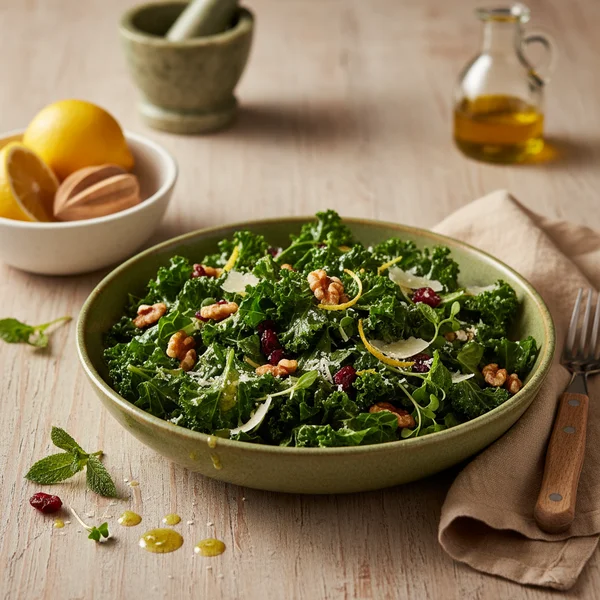
Massaging kale physically breaks down the tough cellulose and lignin fibers in the leaves, resulting in a softer texture, reduced bitterness, and improved digestibility while allowing dressings to penetrate the greens more effectively.
The Science of Cellular Breakdown: Why Texture Matters
To understand why do you massage kale, one must first understand the botanical structure of the plant. Kale belongs to the Brassica oleracea family, which includes cabbage, broccoli, and Brussels sprouts. These plants are built to be hardy and survive cold temperatures, which means their cell walls are reinforced with complex carbohydrates like cellulose and structural proteins like lignin. While these components are excellent for the plant’s survival, they make the raw leaves incredibly tough for human teeth to grind and for the human digestive system to process.
When you massage kale with a small amount of salt, acid, or oil, you are performing a mechanical “pre-digestion” process. The friction of your hands against the leaves, combined with the abrasive nature of salt or the softening effects of an acid (like lemon juice or vinegar), creates tiny ruptures in the plant’s cell walls. This physical breakdown releases moisture trapped within the cells, which is why you will notice the kale shrinking in volume and turning a much darker, glossier green. This structural collapse is what transforms a “rubbery” leaf into a “silky” one. Without this step, the kale remains rigid, making it difficult for the palate to enjoy the nuances of the flavor profile.
Furthermore, the reduction in bitterness is a direct result of this cellular disruption. Kale contains compounds called glucosinolates. While these are highly nutritious, they can contribute to a sharp, pungent taste. By breaking down the leaves and introducing a dressing during the massage process, you effectively balance these compounds, making the vegetable much more approachable for those who typically find raw greens unpalatable. It also ensures that the leaves are sufficiently coated, preventing the “dry leaf” sensation that often occurs when dressing is simply poured over the top of un-massaged greens.
Improving Digestibility and Nutrient Bioavailability
One of the most overlooked answers to why do you massage kale involves the human gut. Raw kale is exceptionally high in insoluble fiber. While fiber is a crucial part of a healthy diet, an abundance of tough, raw fiber can cause bloating, gas, and general digestive discomfort for many people. By massaging the kale, you are essentially doing some of the heavy lifting for your stomach. Breaking down those tough fibers before they enter your digestive tract makes it much easier for your body to move the food through the system without the stress of processing completely intact cell walls.

Beyond comfort, there is also the factor of nutrient bioavailability. Kale is a nutritional powerhouse, packed with vitamins A, C, and K, as well as minerals like calcium and potassium. However, many of these nutrients are locked behind those sturdy cellulose walls. When you massage the greens, you make these vitamins and minerals more accessible for absorption. Additionally, since many of the vitamins in kale (particularly vitamin K) are fat-soluble, massaging the leaves with a healthy fat like olive oil or avocado oil ensures that your body can actually utilize the nutrients you are consuming.
The process also helps to reduce the presence of oxalic acid to a small degree. While kale is relatively low in oxalates compared to spinach, breaking down the leaves and adding an acid can help mitigate the “chalky” feeling some people experience on their teeth after eating raw greens. This makes the eating experience cleaner and more pleasant, encouraging larger portions of nutrient-dense greens in the daily diet.
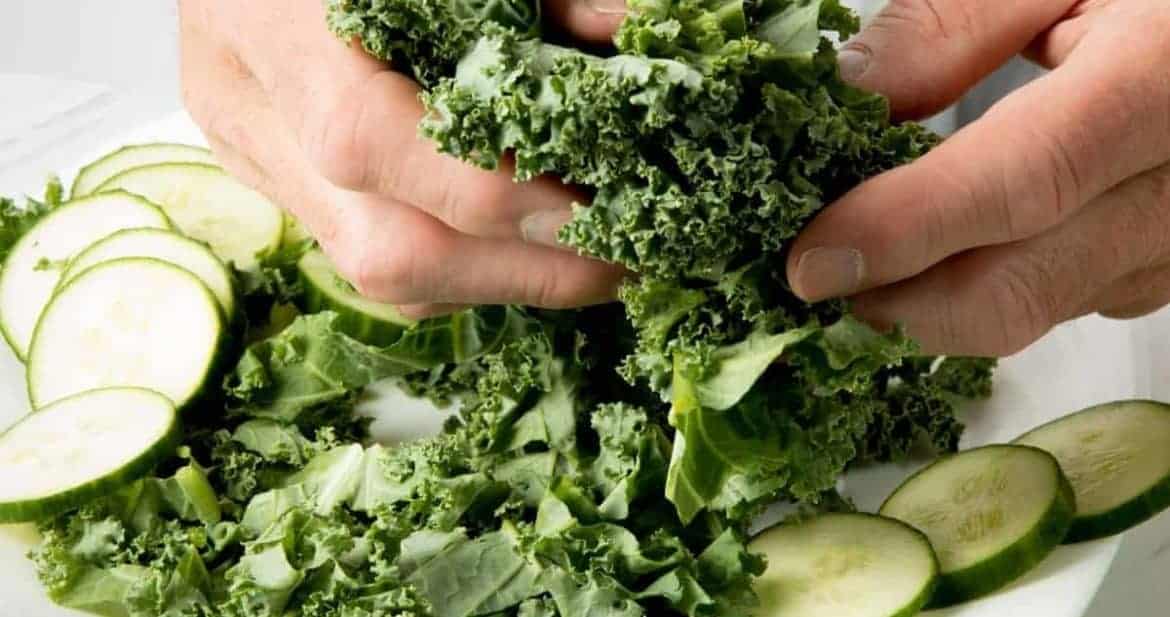
Step-by-Step Instructions for the Perfect Massage
Mastering the technique is simple, but it requires a bit of tactile engagement. You cannot achieve the same results with a salad spinner or a pair of tongs; you truly need to use your hands. Follow these instructions to ensure your kale is prepared perfectly every time. This method works for any variety, whether you are using Curly kale or Lacinato (Dino) kale.
| Step | Action | Purpose |
|---|---|---|
| 1 | De-stem and Chop | Remove the woody ribs which are too tough to massage. |
| 2 | Wash and Dry | Ensure no grit remains; dry leaves allow oil to adhere better. |
| 3 | Add “Lube” | Drizzle with olive oil, lemon juice, and a pinch of salt. |
| 4 | Squeeze and Rub | Physically grab handfuls and scrunch them for 3-5 minutes. |
| 5 | Rest | Let sit for 15 minutes to allow flavors to fully penetrate. |
When performing the massage, look for visual cues. The kale will begin to wilt, much like it would if it were lightly steamed. The volume in your bowl will likely decrease by about a third to a half. The color will shift from a dusty, matte green to a vibrant, forest green. Once the leaves feel soft and no longer spring back aggressively when you let go, you have finished. Over-massaging can lead to soggy greens, so stop once the texture is supple but still retains a slight bite.
A Foundation Recipe: Massaged Kale Salad
To put this technique into practice, use this base recipe. This is a versatile template that can be customized with various toppings like toasted nuts, dried cranberries, or parmesan cheese. The key is in the prep time and the quality of the ingredients used during the massage phase.
- Prep Time: 15 minutes
- Cooking Time: 0 minutes (Raw preparation)
- Servings: 4
- Calories: Approximately 120 per serving (base recipe)
Ingredients:
- 1 large bunch of kale (approx. 10-12 ounces)
- 1 tablespoon extra-virgin olive oil
- 1 tablespoon fresh lemon juice
- 1/2 teaspoon sea salt
- 1/4 teaspoon black pepper
Instructions:
- Strip the kale leaves away from the thick center stems. Discard stems or save them for juicing.
- Chop the leaves into bite-sized ribbons or pieces.
- Place the kale in a large mixing bowl and add the olive oil, lemon juice, salt, and pepper.
- Using clean hands, reach into the bowl and begin squeezing the kale firmly. Rub the leaves between your fingers.
- Continue this process for 3 to 5 minutes until the kale is dark green and tender.
- Add your favorite toppings and serve immediately, or let it marinate in the fridge for even better flavor.
Comparing Kale Varieties: Which Needs the Most Work?
Not all kale is created equal, and the amount of “work” required depends heavily on the variety you choose. Curly kale, the most common variety found in grocery stores, has ruffled edges and a very fibrous structure. This variety requires the most intensive massage. Because of its many crevices, it is excellent at holding onto dressings, but if it isn’t massaged, those ruffles can feel scratchy and unpleasant in the mouth.
Lacinato kale, also known as Dinosaur kale or Tuscan kale, has long, flat, dark blue-green leaves with a bumpy texture. This variety is naturally more tender than curly kale and has a slightly sweeter, more earthy flavor. While it still benefits significantly from a massage, you may find that it only needs about 2 minutes of hand-work compared to the 5 minutes required for curly kale. Because Lacinato is more delicate, it can become mushy if over-handled, so use a lighter touch.
Baby kale is a third option often sold in plastic clamshells. These are the young leaves of the plant and are harvested before the sturdy cell walls have fully developed. For baby kale, a massage is usually unnecessary. Simply tossing it with dressing is enough. If you do choose to massage baby kale, be extremely gentle, as the leaves are fragile and can easily bruise and turn slimy.
Expert Tips for Culinary Success
Professional chefs often recommend massaging kale as part of their “mise en place” hours before service. Unlike traditional lettuce salads, which wilt and become unappealing within minutes of being dressed, massaged kale actually improves over time. The salt and acid continue to work on the fibers even after you have finished the physical massage. This makes it the ultimate make-ahead meal for busy weeknights or meal prep enthusiasts.
Another expert tip is to consider the “additive” order. If you are using a creamy dressing like Tahini or Caesar, massage the kale with just a little lemon and salt first to break it down, then add the heavy dressing at the end. Massaging directly with a thick dressing can be messy and sometimes prevents the salt from reaching the leaf surface as effectively. By starting with the basics, you ensure the structural breakdown is complete before adding the final flavor layers.
- Use Sea Salt: The coarse grains of sea salt act as a physical abrasive, helping to tear the cell walls faster than fine table salt.
- Don’t Skip the Acid: The lemon juice or vinegar helps to denature the proteins in the leaves, acting as a chemical softener alongside your physical labor.
- Temperature Matters: If your kale is very cold from the fridge, it might be stiffer. Let it sit at room temperature for 10 minutes before massaging for easier breakdown.
Conclusion
Understanding why do you massage kale is the difference between tolerating a healthy meal and truly enjoying it. By taking a few extra minutes to physically break down the tough fibers, you unlock a world of better texture, enhanced flavor, and superior digestion. This simple technique transforms a humble, hardy green into a gourmet salad base that stands the test of time. Whether you are prepping for a dinner party or packing a lunch for the next day, remember that a little bit of hand-work goes a long way in making your vegetables the star of the plate.
❓ Frequently Asked Questions
1
How long does massaged kale last in fridge?
Massaged kale is incredibly hearty and can last in the refrigerator for 3 to 4 days. Unlike delicate greens, it won’t wilt immediately. In fact, many find the texture and flavor improve after a day of marinating in the dressing, making it perfect for healthy meal prep.
2
Can I make massaged kale ahead of time?
Yes, you can absolutely make massaged kale ahead of time. It is the ideal salad for potlucks or work lunches because it stays crisp and flavorful for several hours. Preparing it in advance actually allows the seasonings to penetrate the leaves deeper for a more balanced taste.
3
What can I substitute for olive oil?
If you prefer not to use olive oil, mashed avocado is an excellent substitute that adds a creamy richness. You can also use tahini or a little bit of Greek yogurt. The key is using a healthy fat that provides enough lubrication to break down the kale’s fibers.
4
How do I know when the kale is done?
You will know the kale is finished when the volume of the leaves has reduced by nearly half. The color will shift from a light, dusty green to a vibrant, dark emerald. The texture should feel soft and pliable to the touch rather than stiff or prickly.
5
Can I freeze massaged kale?
It is not recommended to freeze kale once it has been massaged with oil and salt if you intend to eat it fresh. The freezing process will destroy the texture. However, if you plan to use the massaged kale in a cooked soup or stew, freezing is acceptable.