
What is Yuzu? Ultimate Guide to This Japanese Citrus
Yuzu is a highly aromatic citrus fruit primarily grown in East Asia, most notably in Japan, Korea, and China. Botanically known as Citrus junos, it is a hybrid of the Ichang papeda and the sour mandarin. Roughly the size of a tangerine with bumpy, uneven skin, its flavor is a complex, sophisticated fusion of lemon, mandarin orange, and grapefruit. Unlike other citrus, it is rarely eaten as a whole fruit but is prized for its zest and acidic juice in both culinary and cosmetic applications.

The Deep Dive: Understanding the Flavor, Origin, and Science of Yuzu
To understand yuzu, one must look beyond the standard supermarket lemon. While it may look like a small, yellow grapefruit or a deformed orange, its chemical composition and cultural significance are far more profound. Cultivated for over a thousand years, yuzu originated in the Yangtze River region of China before making its way to Japan and Korea during the Tang Dynasty. Today, Japan is the world’s leading producer, particularly in the Kochi Prefecture, where the mountainous terrain and humid climate provide the perfect environment for these hardy trees to thrive.
The flavor profile of yuzu is what makes it a darling of the global culinary world. While a lemon provides a sharp, straightforward acidity, yuzu offers a multi-layered experience. It possesses a floral, almost herbal top note that reminds many of honeysuckle or lavender, followed by a tartness that is less abrasive than a lime but more nuanced than a lemon. This complexity comes from the high concentration of essential oils in its thick, textured rind. In fact, yuzu is one of the few citrus fruits that retains its aroma and flavor even when cooked at high temperatures, making it an invaluable tool for chefs.
Scientifically, yuzu is an incredibly resilient citrus variety. The trees are known for their long, sharp thorns and their ability to withstand cold temperatures that would kill most other citrus plants. This cold-hardiness contributes to the fruit’s slow ripening process, which occurs during the late autumn and winter months. The fruit is typically harvested when it is green (for its spicy, sharp zest) or when it has fully matured into a vibrant yellow (for its juice and sweeter aromatic qualities). In addition to its culinary uses, yuzu is a powerhouse of Vitamin C and antioxidants, often containing three times more Vitamin C than a standard lemon, which has led to its long-standing use in traditional wellness practices, such as the Japanese “Yuzu-yu” or winter solstice hot citrus bath.
How to Use Yuzu: A Signature Recipe for Yuzu Honey Vinaigrette
Because fresh yuzu can be difficult to source in certain regions and is often quite expensive, using it correctly in a recipe is essential to ensure none of its precious juice or zest goes to waste. A vinaigrette is one of the best ways to highlight the fruit’s floral notes without masking them with heavy heat or competing proteins. This recipe works perfectly as a salad dressing, a marinade for white fish, or a dipping sauce for grilled vegetables.
Below is a detailed guide on how to prepare a classic Yuzu Honey Vinaigrette that balances the acidity of the fruit with the sweetness of honey and the richness of high-quality oil.
Recipe Specifications
- Prep Time: 10 minutes
- Cooking Time: 0 minutes
- Servings: 4 to 6
- Calories: Approximately 115 calories per serving
Ingredients
- 2 tablespoons fresh yuzu juice (or high-quality bottled 100% yuzu juice)
- 1 teaspoon yuzu zest (finely grated)
- 1 tablespoon organic honey or agave nectar
- 1/4 cup extra virgin olive oil or neutral grapeseed oil
- 1 teaspoon light soy sauce (for umami depth)
- 1/2 teaspoon freshly grated ginger
- A pinch of sea salt and cracked black pepper
Instructions
- Prepare the Zest: If you have access to fresh yuzu, start by washing the fruit thoroughly. Using a microplane, gently grate the outermost yellow layer of the skin. Be careful to avoid the white pith underneath, as it is incredibly bitter.
- Extract the Juice: Slice the yuzu in half. Yuzu is notoriously full of large, hard seeds, so it is best to squeeze the fruit through a fine-mesh strainer into a small bowl. You will likely need two to three fruits to get two tablespoons of juice, as yuzu is not as juicy as a standard lemon.
- Emulsify the Base: In a medium mixing bowl, whisk together the yuzu juice, yuzu zest, honey, soy sauce, and grated ginger. Whisk until the honey is completely dissolved into the citrus juice.
- Incorporate the Oil: While whisking vigorously, slowly drizzle the olive oil into the bowl in a thin, steady stream. This process of slow incorporation creates an emulsion, ensuring the oil and juice do not separate immediately.
- Season and Finish: Taste the dressing and add a pinch of sea salt and black pepper according to your preference. If the dressing feels too tart, add another half-teaspoon of honey.
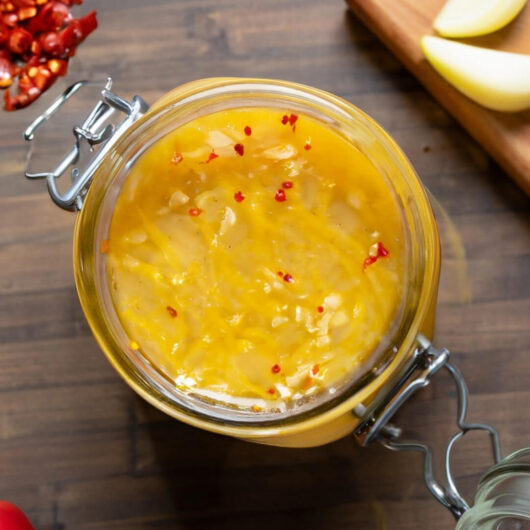
- Serving: Use immediately over fresh greens or store in an airtight glass jar in the refrigerator. If stored, make sure to shake well before serving as natural separation will occur over time.
Important Considerations When Working with Yuzu
When you begin incorporating yuzu into your kitchen repertoire, there are several logistical and culinary factors to keep in mind. First and foremost is the availability and cost. Fresh yuzu is a seasonal luxury, usually appearing in specialty markets between November and January. Due to strict agricultural import laws, fresh yuzu from Japan is often banned in certain countries to prevent the spread of citrus canker. However, domestic cultivation in places like California and Australia has made the fresh fruit more accessible, though still priced significantly higher than lemons or limes.
If you cannot find fresh fruit, bottled yuzu juice is a common alternative. When purchasing bottled juice, check the ingredients list carefully. Many cheaper brands mix yuzu with lemon juice or add salt and preservatives. For the most authentic flavor, look for “100% Yuzu Juice” with no added salt. If you are looking for a substitute for yuzu in a recipe, a mixture of 2 parts lemon juice, 1 part lime juice, and a splash of grapefruit juice can mimic the acidity and broad citrus profile, though it will lack the specific floral aroma that defines true yuzu.
Another consideration is the intensity of the fruit. Because yuzu is so aromatic, a little goes a long way. Over-seasoning with yuzu can easily overpower delicate ingredients like scallops or mild greens. It is also important to remember that yuzu loses its aromatic “spark” quickly once the fruit is cut or the juice is exposed to air. To get the most out of your investment, always zest and juice the fruit immediately before you plan to use it.
- Don’t Waste the Rind: If you have leftover yuzu peels, don’t throw them away. You can dry them to make homemade shichimi togarashi (Japanese seven-spice) or simmer them with sugar to make candied peel.
- Freeze for Later: Since fresh yuzu has a short season, you can freeze the juice in ice cube trays. Once frozen, transfer the cubes to a freezer bag. This preserves the flavor for up to six months.
- Salt Preservation: You can create “Yuzu Kosho” by fermenting minced yuzu zest with salt and green or red chili peppers. This creates a powerful, spicy condiment that lasts for months in the fridge.
- The Bath Tradition: In Japan, whole yuzu fruits are floated in hot baths during the winter solstice. The heat releases the oils, which are said to soothe the skin and ward off winter colds.
Conclusion
Yuzu is far more than just a culinary trend; it is a versatile, high-impact ingredient that bridges the gap between citrus brightness and floral elegance. Whether you are using it in a simple vinaigrette recipe, incorporating it into a complex dessert, or enjoying its fragrance in a traditional winter bath, yuzu provides a sensory experience that other citrus fruits simply cannot match. While it may require a bit more effort to source and a slightly higher budget, the unique flavor and high nutritional value make it a worthy addition to any kitchen. Start with small amounts of zest or juice to appreciate its potency, and you will soon find it an indispensable part of your cooking.
❓ Frequently Asked Questions
1
How long does yuzu last in fridge?
Fresh yuzu fruit typically lasts for about two weeks when stored in the crisper drawer of your refrigerator. To extend its shelf life, you can squeeze the juice and freeze it in ice cube trays or zest the skin and store it in an airtight container in the freezer.

2
Can I make yuzu juice ahead of time?
Yes, you can squeeze yuzu juice ahead of time. It stays fresh in the refrigerator for up to one week in a sealed glass jar. However, for the most vibrant and floral aroma, it is best to use the juice immediately after cutting the fruit and extracting it.
3
What can I substitute for yuzu?
If you cannot find fresh yuzu, the best substitute is a combination of lemon and lime juice, or a mix of lemon and grapefruit juice. While it won’t perfectly replicate the unique floral notes, it provides the necessary acidity and brightness required by most recipes calling for yuzu.
4
How do I know when yuzu is done?
Since yuzu is a fruit, it is ready when the skin is bright yellow and slightly bumpy. When using it in cooking, you know you have extracted enough flavor when the citrus aroma is prominent. It does not require any cooking time as it is mostly used raw.
5
Can I freeze yuzu?
Absolutely! You can freeze the whole fruit, although the texture of the flesh will change. Most people prefer to freeze the juice in small portions or freeze the zest separately. This allows you to add the bright citrus flavor to any recipe throughout the year when out of season.