Can You Juice Cranberries? Simple & Healthy Guide
Yes, you can absolutely juice cranberries in a juicer. Using a juicer is the most efficient way to extract pure, potent cranberry juice without the high sugar content found in store-bought versions. While both masticating and centrifugal juicers work, a masticating (cold-press) juicer typically yields more juice from these firm berries. Because raw cranberry juice is exceptionally tart and acidic, it is best enjoyed diluted with water or mixed with other fruits to create a balanced, refreshing beverage.
Understanding the Process: How Cranberries React to Juicing
Juicing cranberries is a unique culinary endeavor because of the fruit’s physical structure. Unlike water-heavy fruits like oranges or melons, cranberries are firm, slightly hollow, and possess a thick skin. When you feed them into a juicer, the machine must work through this fibrous exterior to reach the nutrient-dense liquid inside. Because cranberries are relatively low in moisture compared to other berries, you might be surprised by how many berries it takes to produce a single cup of juice. Generally, you can expect about one cup of juice for every three to four cups of whole berries.
The science behind cranberry juice is fascinating. These small red fruits are packed with proanthocyanidins (PACs), which are potent antioxidants. When you use a juicer rather than a blender, you are separating the liquid essence from the insoluble fiber. This results in a concentrated shot of vitamins C, E, and K, along with essential minerals. This concentrated form is highly hydrating when mixed with water and serves as a powerful base for various health tonics.
One of the primary benefits of juicing cranberries at home is the control over ingredients. Commercial cranberry juices are notorious for containing “cranberry juice cocktail,” which is often loaded with high-fructose corn syrup or secondary juices like apple or grape to mask the natural bitterness. By using your own juicer, you ensure the output is 100% pure. While the flavor is intensely sharp, it provides a refreshing zing that acts as a perfect palate cleanser or a morning energy booster.
A Step-by-Step Guide to Juicing Cranberries
To get the most out of your fruit, follow this systematic approach. Whether you are using fresh berries from the produce aisle or a bag of frozen cranberries from the freezer, the process remains largely the same, though frozen berries should be allowed to thaw slightly to protect the juicer’s blades or auger.
Step 1: Sorting and Washing
Begin by discarding any soft, mushy, or discolored berries. You want firm, bright red cranberries for the best flavor profile. Rinse them thoroughly in a colander under cold running water. Since cranberries grow in bogs, they can sometimes carry debris or sand that you don’t want ending up in your chilled drink.
Step 2: Preparing the Juicer
Set up your juicer according to the manufacturer’s instructions. If you have a masticating juicer, you can feed the berries in steadily. If you are using a centrifugal juicer, you may need to use the plunger more frequently, as the light, airy nature of cranberries can cause them to bounce around the spinning basket without being crushed effectively.
Step 3: The Juicing Process
Turn on the machine and begin adding the cranberries a handful at a time. Do not rush the process; giving the machine time to fully process each handful will result in a drier pulp and more juice. You will notice the juice is a deep, vibrant crimson. This liquid is incredibly concentrated—don’t be tempted to drink a full glass of it straight!
Step 4: Straining (Optional)
Even the best juicers may leave a small amount of fine sediment or foam. If you prefer a crystal-clear liquid, pour the juice through a fine-mesh sieve or a piece of cheesecloth. This ensures your final beverage looks professional, especially if you plan to serve it with a sophisticated garnish.
Step 5: Dilution and Sweetening
The final step is making the juice palatable. A standard ratio is one part cranberry juice to three parts water. You can also mix it with sparkling water for a refreshing fizz. To sweeten, consider natural options like honey, agave nectar, or stevia. If you prefer a fruitier blend, run a few apples or pears through the juicer immediately after the cranberries to create a natural, sweet-tart fusion.
Important Considerations for Cranberry Juicing
While juicing cranberries is straightforward, there are several practical and health-related factors to keep in mind. First and foremost is the acidity level. Cranberries are naturally high in quinic, malic, and citric acids. While these contribute to the refreshing quality of the juice, they can be hard on tooth enamel and sensitive stomachs if consumed in excess or without dilution.
Another consideration is the equipment cleanup. The deep red pigments in cranberries are powerful natural dyes. If you have a white or light-colored plastic juicer, the juice can cause permanent staining if not cleaned immediately. As soon as you finish juicing, disassemble the parts and rinse them under warm water. A quick scrub with a soft brush will prevent the tannins from settling into the pores of the plastic.
If you find that you don’t have enough cranberries to make a full batch of juice, or if you want a thicker texture, you might consider using a blender instead. Using a blender involves puréeing the whole berries with water and then straining the mixture. This is often called “whole fruit juicing.” While it isn’t “true” juicing, it is a viable alternative if you don’t own a dedicated juicing machine. However, the result is usually more cloudier and less “crisp” than what you get from a dedicated extractor.
Finally, consider the temperature. Cranberry juice is best served chilled. The cold temperature helps to mellow the sharp acidity and makes the drink feel much more hydrating. If you are making a large batch, store it in a glass pitcher in the refrigerator and stir well before serving, as natural separation is common with fresh, unpasteurized juice.
- The Ice Factor: Always serve your fresh cranberry juice over plenty of ice. The slight dilution from the melting ice as you drink helps balance the intensity of the flavor.
- Thawing Frozen Berries: If using frozen cranberries, let them sit at room temperature for about 15 minutes. They shouldn’t be completely soft, but they shouldn’t be rock-hard either, as this can dull your juicer’s blades.
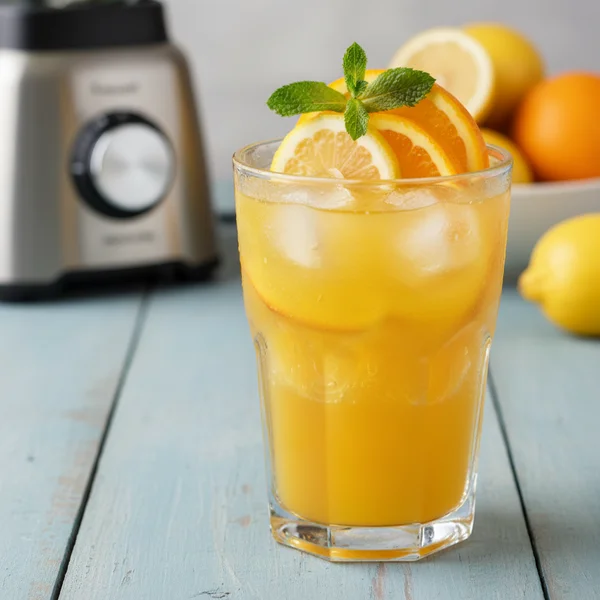
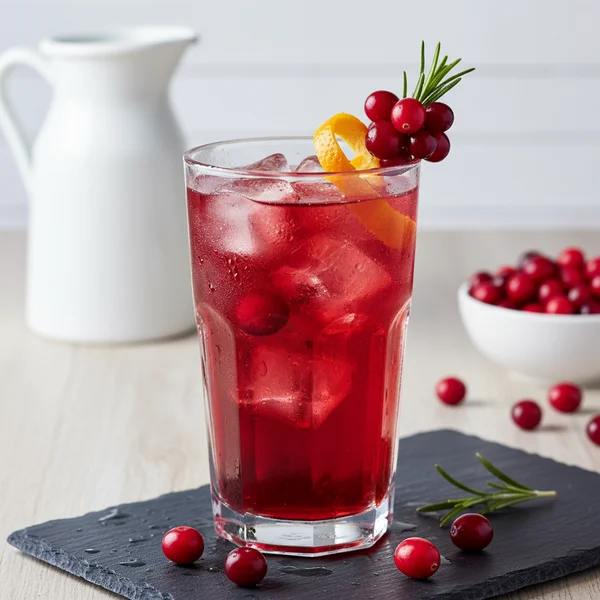
- The Power of the Garnish: Enhance the visual appeal and aroma by adding a garnish of fresh rosemary or a slice of orange. The oils from the orange peel complement the cranberry’s tartness perfectly.
- Waste Not: Don’t throw away the leftover pulp! Cranberry pulp can be mixed into muffin batter or oatmeal for an extra boost of fiber and a pop of color.
Maximizing the Refreshment: Serving and Storage
Once you have your fresh juice, the possibilities for enjoyment are endless. Because of its intense flavor, a little goes a long way. For a simple hydrating afternoon drink, mix two ounces of fresh cranberry juice with six ounces of cold sparkling water and a squeeze of lime. This creates a sophisticated, low-calorie soda alternative that is both refreshing and healthy.
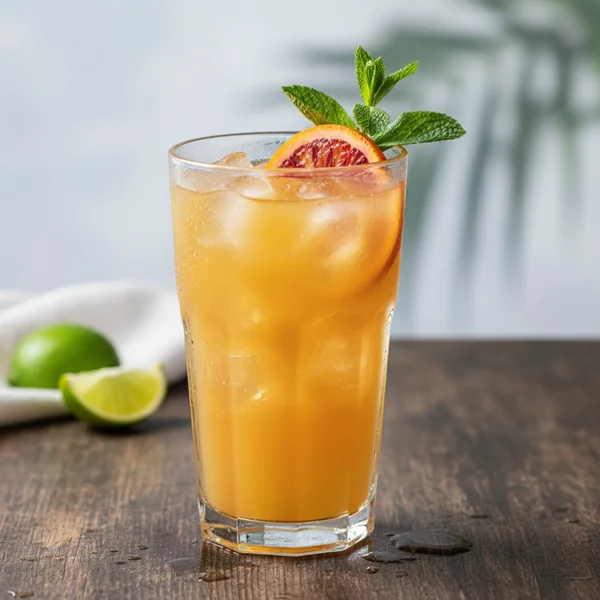
If you are hosting a gathering, fresh cranberry juice makes an excellent base for mocktails. You can prepare a large pitcher ahead of time and keep it chilled. When it’s time to serve, pour it into glasses filled with ice and add a creative garnish like a few whole berries skewered on a toothpick or a sprig of mint. The vibrant color makes it a centerpiece of any beverage station.
In terms of storage, fresh cranberry juice is highly shelf-stable compared to other fresh juices due to its high acidity, which acts as a natural preservative. However, for peak flavor and nutrient retention, it is best consumed within three to five days. Always store it in an airtight glass container. If you have a surplus of berries, you can juice them all at once and freeze the juice in ice cube trays. These cranberry cubes can then be dropped into water or tea for a quick flavor boost without diluting the drink as they melt.
Conclusion
Juicing cranberries in a juicer is a rewarding process that yields a potent, versatile, and incredibly healthy liquid. While the berries themselves are low in sugar and high in acid, they provide a refreshing and hydrating base for a variety of drinks when handled correctly. Whether you are using a professional-grade masticating juicer or a high-speed centrifugal model, the key lies in preparation, dilution, and proper service. By serving your juice chilled, perhaps over a glass of ice with a beautiful garnish, you turn a simple health tonic into a gourmet beverage. Ditching the store-bought bottles for home-juiced cranberries ensures you get all the antioxidant benefits without any of the unwanted additives, making it a perfect addition to a wellness-focused lifestyle.
❓ Frequently Asked Questions
1
How long does cranberry juice last in fridge?
Freshly made cranberry juice will stay fresh in the refrigerator for about 2 to 3 days. To maximize its shelf life and preserve those healthy enzymes, store it in a sealed glass jar immediately after juicing and keep it in the coldest part of your fridge.
2
Can I make cranberry juice ahead of time?
You can make it ahead of time, but it is best consumed within 24 hours for the best flavor. If you need to store it longer, consider freezing the juice in ice cube trays to keep it refreshing and ready for future smoothies or hydrating drinks.
3
What can I substitute for a juicer?
If you don’t have a juicer, a high-speed blender works perfectly. Blend the cranberries with a cup of water until smooth, then pour the mixture through a fine-mesh strainer or cheesecloth to remove the solids. This method results in a clean, crisp, and hydrating juice every time.
4
How do I know when the juice is balanced?
Because pure cranberry juice is extremely acidic, you will know it is ready once the tartness is palatable. Taste as you go and add small amounts of sweetener or water until it reaches a refreshing balance that isn’t too overwhelming for your taste buds.
5
Can I freeze cranberry juice?
Yes, cranberry juice freezes very well. Pour your fresh juice into freezer-safe containers or ice trays. Frozen juice can last up to six months. Using cranberry juice cubes is a great way to keep your drinks cold without diluting the flavor as they melt.