Juice Machines for Sale: Ultimate Buying Guide
Investing in your health often begins with the equipment you use in your kitchen every day. As more people prioritize wellness and natural nutrition, searching for high-quality juice machines for sale has become a primary step toward a more vibrant lifestyle. Whether you are looking to boost your morning energy or find a natural way to increase your daily vitamin intake, the right extraction technology makes all the difference. This guide will walk you through the various types of equipment available, how to distinguish between different extraction methods, and what features truly matter when you are ready to make a purchase. By the end of this article, you will have the expert knowledge needed to choose a machine that fits your specific dietary needs and kitchen habits.

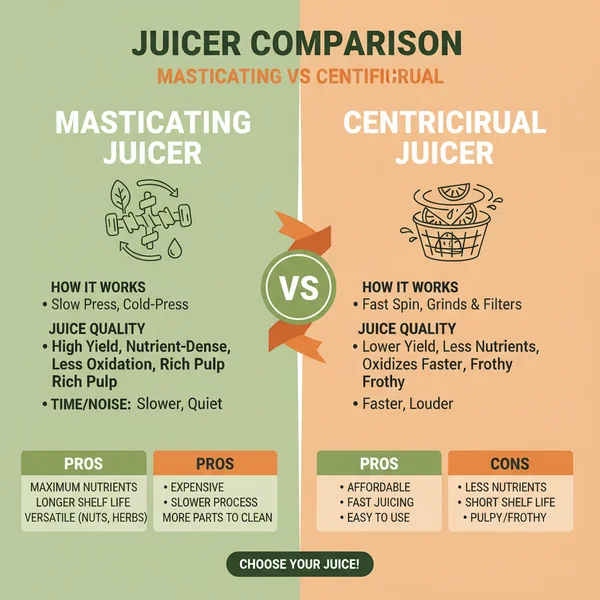
When browsing juice machines for sale, prioritize the type of produce you use most; masticating juicers are superior for leafy greens and nutrient preservation, while centrifugal models offer speed and convenience for hard fruits.
Understanding the Main Categories of Juice Extractors
When you begin looking at the various juice machines for sale, the options can feel overwhelming. Most consumer models fall into two primary categories: centrifugal and masticating (also known as cold-press). Centrifugal machines use a high-speed spinning blade to separate liquid from pulp. They are incredibly efficient for those with busy schedules, producing a refreshing glass of juice in seconds. However, the high speed can generate slight heat, which some enthusiasts believe may slightly impact the enzyme quality of the beverage.
On the other hand, masticating machines operate at much lower speeds, essentially “chewing” the produce to squeeze out every drop of liquid. This method is highly effective for hydrating leafy greens like kale and spinach, which often pass through centrifugal models with lower yields. While these machines typically come with a higher price tag, they are often quieter and produce a juice that lasts longer in the refrigerator without separating. Choosing between these depends largely on whether you value speed or the maximum possible nutrient density from every piece of produce.
Key Features to Evaluate Before You Buy
Finding the right equipment requires looking beyond the sleek exterior. One of the most critical factors is the size of the feed chute. A wider chute allows you to drop in whole apples or large carrots without pre-cutting, saving you significant preparation time. Additionally, consider the ease of cleaning. Many modern units feature dishwasher-safe parts, which is a major advantage for daily users. If a machine is difficult to scrub, it is much more likely to sit unused in your cabinet.
Another factor is the motor power and noise level. If you live in an apartment or have early-riser family members, a quiet masticating motor is a wise investment. Furthermore, look for machines that offer adjustable settings for different types of produce. Some advanced models include multiple filters to control the amount of pulp in your drink, allowing you to customize the texture to your personal preference.
| Feature | Centrifugal Juicers | Masticating Juicers |
|---|---|---|
| Speed | High Speed (Fast) | Low Speed (Slower) |
| Leafy Green Yield | Moderate | High |
| Noise Level | Loud | Quiet |
| Shelf Life | Short (Consume immediately) | Long (Up to 72 hours) |
Juicing vs. Blending: Which Path to Choose?
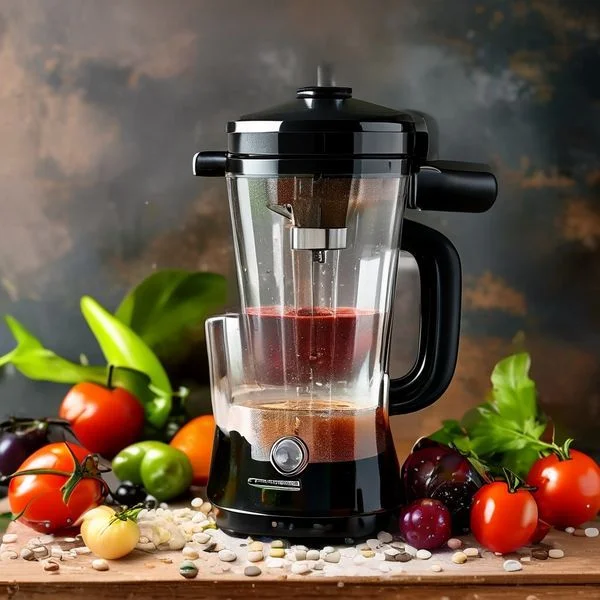
It is common to confuse a dedicated juice machine with a high-performance blender. While both are essential tools for a healthy kitchen, they serve very different purposes. A blender processes the entire fruit or vegetable, including the fiber, resulting in a thick smoothie. This is excellent for satiety and keeping the digestive system moving. Juice machines, conversely, strip away the insoluble fiber to deliver a concentrated shot of vitamins and minerals that enter the bloodstream almost immediately.
For many, the ideal setup involves owning both. You might use your juice extractor for a chilled morning green drink and use your blender for a hearty afternoon protein shake. Some versatile machines on the market even offer hybrid capabilities, but dedicated units usually perform their specific task more effectively. If your goal is deep detoxification or high-volume nutrient absorption without the bloat of excess fiber, focusing your search on specialized juice machines for sale is the best course of action.
Elevating Your Beverage Experience
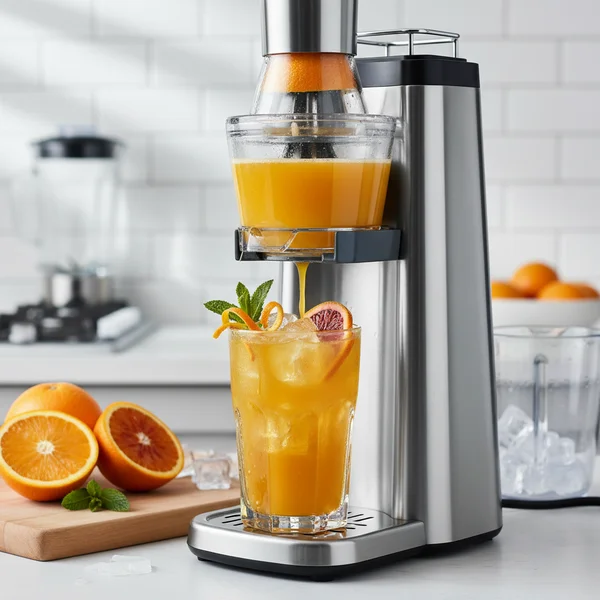
Once you have selected your machine, the fun begins with experimentation. To ensure your creations are always refreshing, consider the temperature and presentation. Adding ice to the collection container can help keep the liquid cool during the extraction process, especially with centrifugal models. For a truly professional touch, you can even incorporate frozen ingredients like berries into certain masticating models that feature a “blank” screen for making sorbets or frozen fruit treats.
Presentation also plays a role in the enjoyment of your drink. A simple garnish of mint leaves, a slice of lime, or a sprig of ginger can transform a standard health drink into a gourmet experience. Serving your juice in a chilled glass not only keeps the flavors crisp but also slows down the oxidation process, ensuring that the drink remains hydrating and potent for as long as possible. Mixing different textures and colors can also make your daily habit feel less like a chore and more like a treat.
Expert Tips for Long-Term Success
When operating any new kitchen appliance, maintenance is the secret to longevity. Experts recommend cleaning your machine immediately after use; once the pulp dries on the mesh filter, it becomes significantly harder to remove and can harbor bacteria. Additionally, always vary your produce. Rotating between carrots, beets, cucumbers, and citrus ensures you receive a wide spectrum of phytonutrients and prevents the buildup of specific oxalates found in certain greens.
If you find that your machine is struggling with a particular vegetable, try cutting it into smaller pieces or alternating it with a “watery” fruit like an apple or cucumber to help push the drier pulp through the system. This technique is particularly helpful for extending the life of the motor and ensuring you get the highest possible yield from your groceries.
- Peel citrus fruits before juicing, as the oils in the skin can be bitter and difficult for some machines to process.
- Use the leftover dry pulp from your juice machine as a base for vegetable crackers or add it to compost for your garden.
- For the clearest juice, pour your final product through a fine-mesh strainer or cheesecloth before serving.
Selecting the right equipment from the many juice machines for sale is a rewarding investment in your long-term health. By understanding the differences between centrifugal and cold-press technology, considering the maintenance requirements, and knowing how to properly prep your produce, you can enjoy refreshing, hydrating beverages every day. Remember to focus on your specific needs—whether that is speed, nutrient density, or versatility. Start your journey today by browsing reliable models and get ready to enjoy the most chilled, nutrient-packed drinks right in your own kitchen.
❓ Frequently Asked Questions
1
How long does fresh juice last in the fridge?
Freshly squeezed juice typically lasts 24 to 72 hours in the refrigerator depending on the type of juicer used. Centrifugal juicers produce juice that spoils faster due to oxidation, while masticating juicers preserve nutrients longer. Always store your refreshing drinks in airtight glass containers to maintain their hydrating properties and flavor.
2
Can I make nut milk with a juice machine?
Yes, many high-quality juice machines for sale can process soaked nuts to create homemade almond or cashew milk. Simply blend the soaked nuts with water and strain, or use a slow masticating juicer for a smoother result. This is a great way to ensure your beverages are natural and additive-free.
3
What can I substitute for a dedicated juicer?
If you do not have a dedicated juicer, a high-speed blender is the best substitute. Simply blend your produce with a little water or ice, then strain the mixture through a nut milk bag or fine-mesh sieve. This method captures the refreshing essence of the fruit while removing the excess pulp.
4
How do I know when my machine needs maintenance?
You will know your machine needs maintenance if you notice unusual noises, a burning smell, or a significant decrease in juice yield. Ensure the blades or grinding augers remain sharp and free of debris. Regular cleaning after every use is essential to prevent mineral buildup and ensure your machine lasts.
5
Can I freeze freshly made juice?
You can freeze fresh juice to extend its shelf life for up to three months. Use freezer-safe containers and leave some space at the top for expansion. Thaw in the refrigerator before drinking. While the texture might change slightly, the hydrating benefits and refreshing taste will generally remain well-preserved.