Orange Juice Machine Commercial: Ultimate Guide
The demand for fresh, premium beverages has transformed the way the hospitality and food service industries approach citrus. While bottled juices were once the standard, the modern consumer craves the vibrant flavor and nutrient density that only a high-quality orange juice machine commercial unit can provide. Investing in professional-grade juicing equipment is no longer just about convenience; it is a strategic move to elevate your brand’s perceived value and increase profit margins. In this guide, we will explore the different types of commercial citrus juicers, how to integrate them into your workflow, and the essential features that separate professional equipment from household appliances.
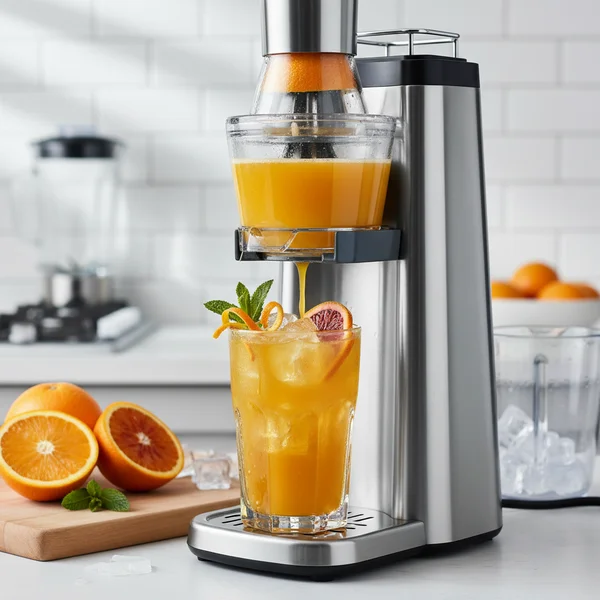
A commercial orange juice machine offers superior yield, speed, and flavor retention compared to manual methods, making it an essential asset for businesses looking to provide high-quality, hydrating beverages with a high return on investment.
The Impact of Fresh-Squeezed Quality on Your Business
When a customer walks into a café, hotel, or juice bar, the sight of a transparent orange juice machine commercial unit at work creates an immediate sensory connection. The aroma of freshly sliced citrus and the visual appeal of juice being extracted in real-time signal to the guest that the product is natural and unprocessed. Unlike pasteurized alternatives, fresh-pressed orange juice is incredibly refreshing and hydrating, retaining the delicate enzymes and vitamins that are often lost during high-heat processing.
From a financial perspective, the ROI on fresh juice is significant. While the initial investment in a professional machine may be higher than a standard blender or centrifugal juicer, the ability to charge a premium for “squeezed-to-order” juice compensates for the cost quickly. Furthermore, commercial units are designed to maximize yield, ensuring that every drop of juice is extracted from the fruit, reducing waste and lowering your food cost percentage. In high-volume environments, speed is the ultimate currency, and these machines can process dozens of oranges per minute without sacrificing quality.
Beyond the simple glass of juice, these machines provide a base for a variety of chilled specialty drinks. Whether you are creating signature cocktails or nutrient-dense mocktails, the purity of the juice acts as the perfect canvas. By incorporating fresh juice, you offer a product that feels like a luxury rather than a commodity, fostering customer loyalty and encouraging repeat visits.
Choosing the Right Orange Juice Machine Commercial Model
Selecting the right equipment requires an understanding of your volume needs and the specific texture you wish to achieve. Not all commercial juicers are created equal, and the technology behind the extraction process can significantly affect the flavor profile of the end product. Below is a breakdown of the primary categories of commercial citrus equipment:

| Juicer Type | Best For | Key Benefit |
|---|---|---|
| Automatic Feed Juicer | High-volume hotels & supermarkets | Maximum speed; minimal labor |
| Manual Citrus Press | Craft cocktail bars | Compact size; theater of prep |
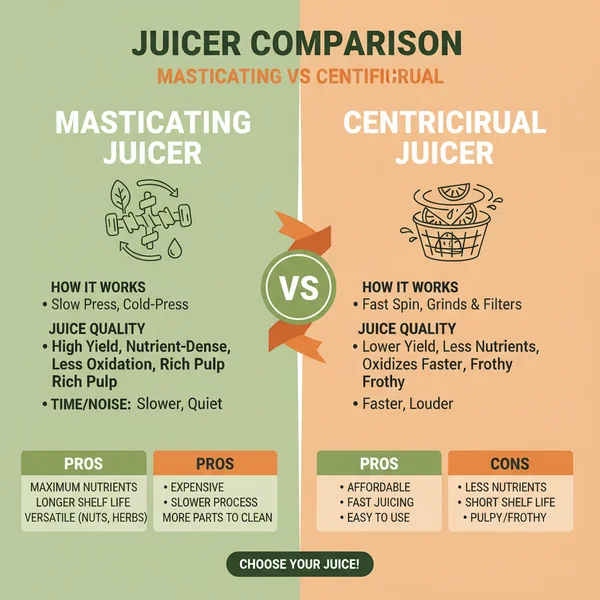
| Cold Press (Masticating) | Health-focused juice bars | Highest nutrient retention |
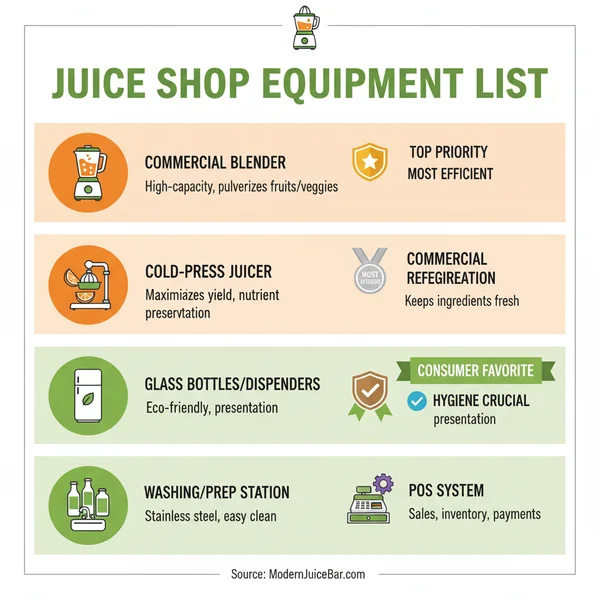
Automatic feed machines are the gold standard for many operations. These units feature a hopper where oranges are stored; they are then automatically fed into a cutting mechanism that slices the fruit in half before pressing the pulp against a sieve. This process prevents the bitter oils from the orange peel from mixing with the juice, ensuring a sweet and consistent flavor. For businesses that also serve smoothies, having a dedicated citrus juicer alongside a high-performance blender allows for a more diverse menu, blending fresh juice with frozen fruits for a thicker, more indulgent texture.

Optimizing the Serving Experience: Temperature and Presentation
The experience of drinking fresh orange juice is heavily influenced by how it is served. To maintain the refreshing nature of the beverage, it must be kept chilled at all times. Many commercial machines offer integrated refrigeration units that keep the juice at the optimal temperature immediately upon extraction. If your machine does not have a built-in cooling system, the juice should be transferred to an insulated dispenser or served immediately over high-quality ice.
Presentation plays a vital role in the perceived value of the drink. A simple glass of juice can be transformed into a culinary experience with the right garnish. Consider adding a thin slice of dehydrated orange, a sprig of fresh mint, or a rim of citrus zest sugar. These small details enhance the aroma and visual appeal, making the drink more “Instagrammable” and memorable for the guest. For a frozen treat, fresh juice can be used as the base for granitas or sorbets, providing a sophisticated dessert option that utilizes the same equipment.
Furthermore, hydration is a key concern for modern health-conscious consumers. By marketing your fresh juice as a naturally hydrating alternative to sugary sodas or processed energy drinks, you align your business with wellness trends. Highlighting that the juice contains no added sugars or preservatives is a powerful selling point that resonates with today’s demographic.
Maintenance and Operational Longevity
An orange juice machine commercial unit is a significant investment, and proper maintenance is essential to ensure it remains a reliable part of your kitchen for years. Citrus juice is naturally acidic, which can cause wear and tear on plastic and metal components if they are not cleaned properly. Most modern commercial units are designed with “quick-disassemble” features, allowing staff to remove the pressing elements and wash them in a commercial dishwasher or 3-compartment sink.
Daily cleaning is non-negotiable. Residual pulp and sugar can lead to bacterial growth and affect the flavor of the juice. Beyond daily cleaning, it is important to inspect the cutting blades and silicone seals regularly. Keeping spare parts on hand—such as extra seals or a backup blade—can prevent downtime during busy shifts. A well-maintained machine not only produces better juice but also operates more quietly and efficiently, providing a better environment for both staff and customers.
When selecting a location for your machine, ensure there is adequate ventilation and easy access to a waste bin for the discarded peels. Some high-end machines feature an integrated peel bucket that can hold the remains of up to 50 oranges, reducing the frequency of trips to the trash. This operational efficiency allows your staff to focus more on customer service and less on equipment management.
Expert Tips for Maximizing Juice Quality
To get the most out of your orange juice machine commercial setup, you must pay attention to the raw ingredients. The quality of the orange is just as important as the quality of the machine. Professionals recommend using Valencia oranges for juicing due to their high juice content and balanced sweetness. Navel oranges, while delicious for eating, contain a compound called limonin in their seeds and skins which can turn the juice bitter if it sits for more than a few hours.
Temperature control starts before the fruit even hits the machine. Keeping your oranges chilled in a refrigerator before juicing ensures that the resulting liquid is already at a cold temperature, reducing the amount of ice needed in the glass and preventing the juice from becoming watered down. Additionally, always calibrate your machine’s pressure settings to ensure you aren’t over-pressing the fruit, which can introduce unwanted bitterness from the pith.
- Rotate your fruit stock frequently to ensure you are always using the freshest citrus available.
- Use a blender to incorporate fresh juice with frozen berries for a hydrating breakfast smoothie.
- Always offer a garnish like a fresh zest or a herb sprig to increase the premium feel of the drink.
- Ensure your machine is visible to customers to capitalize on the “theater” of fresh preparation.
Conclusion
Investing in a high-quality orange juice machine commercial unit is a transformative step for any beverage program. By prioritizing freshness, you provide a refreshing and hydrating product that stands head and shoulders above bottled competitors. Whether served over ice with a beautiful garnish or used as a base for chilled cocktails, fresh-squeezed juice is a proven driver of customer satisfaction and revenue. By choosing the right equipment and maintaining it with care, you ensure that your business stays at the forefront of the fresh-beverage movement, offering quality that guests can see, smell, and taste.
❓ Frequently Asked Questions
1
How long does fresh orange juice last in fridge?
Freshly squeezed orange juice typically lasts for 2 to 3 days when stored in an airtight container in the refrigerator. For the best flavor and nutritional value, it is recommended to consume it within 24 hours of juicing to prevent oxidation and maintain its natural sweetness.
2
Can I make commercial-style juice ahead of time?
Yes, you can prepare juice ahead of time, but keep in mind that fresh juice begins to lose its vitamin C content and flavor profile immediately. Store it in a glass bottle with minimal headspace to reduce exposure to air, and give it a good shake before serving.
3
What can I substitute for a commercial juicer?
If you do not have a commercial unit, you can use a high-powered blender to pulse the fruit and then strain the mixture through a nut milk bag or fine-mesh sieve. While more labor-intensive, this method produces a similarly fresh and hydrating beverage for smaller batches.
4
How do I know when my oranges are best for juicing?
Look for oranges that feel heavy for their size, as weight indicates high water content. The skin should be smooth and relatively thin. Avoid any fruit with soft spots or mold, and remember that smaller oranges often yield sweeter juice than very large, thick-skinned varieties.
5
Can I freeze fresh orange juice?
You can absolutely freeze fresh orange juice to extend its shelf life for up to six months. Use freezer-safe containers or ice cube trays for easy portioning. Thaw it in the refrigerator overnight, noting that the texture might change slightly, requiring a quick stir or blend.