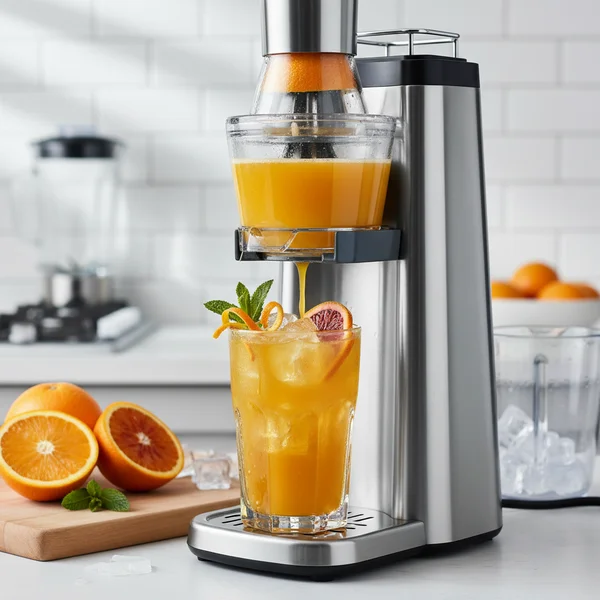
Commercial Sugar Cane Juicer: Ultimate Refreshing Guide
The demand for fresh, natural beverages is reaching an all-time high as consumers move away from processed sodas and toward nutrient-dense alternatives. Among these, sugarcane juice stands out as a “liquid gold” that provides instant energy and a unique flavor profile. For entrepreneurs in the beverage industry, investing in a high-quality commercial sugar cane juicer is the most effective way to tap into this lucrative market. These machines are engineered to handle the fibrous nature of the cane, extracting maximum liquid while maintaining the integrity of the flavor. Whether you are running a dedicated juice bar, a specialty cafe, or a high-volume restaurant, understanding the mechanics and benefits of professional extraction equipment is the first step toward building a successful menu.
A commercial sugar cane juicer maximizes yield and ensures food safety, allowing businesses to serve a highly hydrating and refreshing product that commands a premium price point compared to standard bottled drinks.
The Power of Professional Extraction Efficiency
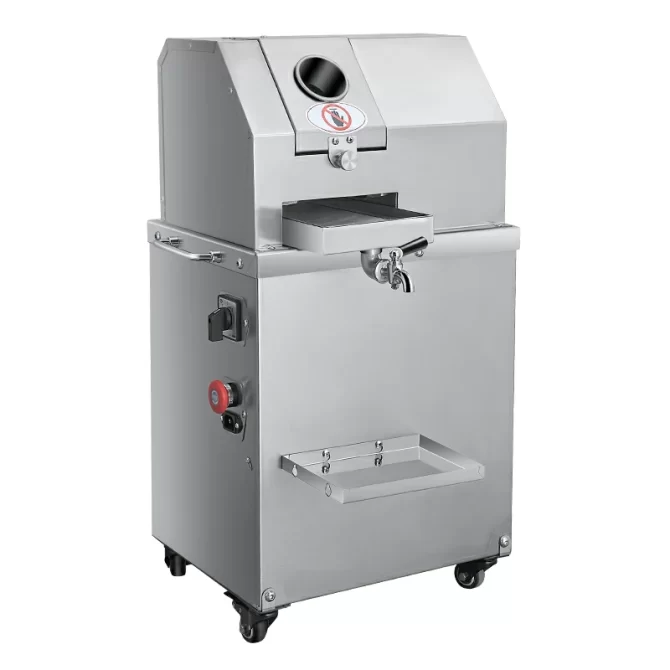
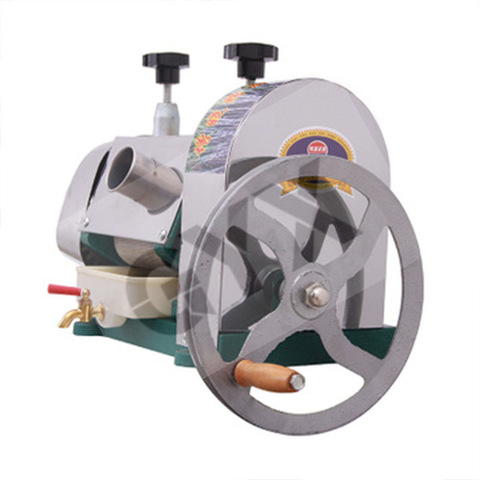
The primary difference between a residential gadget and a commercial sugar cane juicer lies in the motor’s torque and the durability of the crushing rollers. Sugarcane is incredibly dense and fibrous; attempting to process it with substandard equipment often leads to motor burnout or frequent jams. Professional models use heavy-duty stainless steel rollers that can press the stalks in a single pass, ensuring that every drop of sweet nectar is harvested. This efficiency is critical for profitability, as it reduces waste and speeds up service during peak hours.
Beyond just speed, these machines are designed for high-volume output. In a busy environment, the ability to produce several liters of juice per minute allows staff to keep up with long lines. Most commercial units feature a silent or low-noise motor, which is essential for maintaining a pleasant atmosphere in front-of-house settings. By utilizing a machine that prioritizes extraction rate, business owners can ensure that the juice remains vibrant and nutrient-rich, as the quick process prevents excessive oxidation.
Optimizing the Customer Experience with Refreshing Varieties
While pure sugarcane juice is a classic, the versatility of the product allows for an expansive menu. A commercial sugar cane juicer is just the beginning of the production line. To create a truly refreshing beverage, many operators pair the fresh juice with a high-speed blender to create frothy, aerated drinks that feel lighter on the palate. Adding a handful of crushed ice into the mix transforms the dense sweetness into a chilled treat that is perfect for hot summer days.
Because sugarcane juice is naturally hydrating and packed with electrolytes, it serves as an excellent base for functional beverages. You can experiment with adding citrus elements like lime or calamansi directly into the juicer with the cane, or use a blender to incorporate frozen fruits like mango or pineapple. This creates a thick, frozen slushy consistency that appeals to a younger demographic. Presentation is equally important; a simple garnish of mint or a slice of ginger can elevate the visual appeal of the drink, making it more “Instagrammable” and allowing you to charge a higher price per serving.
Technical Features That Ensure Longevity and Safety
When shopping for a commercial sugar cane juicer, there are several non-negotiable features to consider. First and foremost is the material of the internal components. Food-grade 304 stainless steel is the industry standard for rollers and juice trays because it resists corrosion and is easy to sanitize. Since the sugar content in the juice is very high, any residue left behind can become sticky and harbor bacteria if the machine is not designed for easy cleaning. Look for models with removable parts that can be quickly rinsed or deep-cleaned at the end of a shift.
Safety is another major concern. Modern commercial units often feature automatic shut-off sensors and enclosed feeding chutes to prevent accidents. The rollers should be fully encased to protect the operator while still allowing for easy visual monitoring of the extraction process. Additionally, a powerful transmission system with multiple gears ensures that the machine can handle varied stalk thicknesses without stalling. Investing in a unit with a robust cooling system for the motor will also prevent overheating during back-to-back orders, ensuring the machine lasts for years of daily use.
Creating a Chilled and Hydrating Menu Strategy
The key to a successful juice business is consistency in temperature and flavor. Sugarcane juice is best served immediately after extraction, as it can darken and change flavor when exposed to air for too long. To maintain a premium product, many businesses keep their cane stalks chilled in a refrigerator before juicing. This ensures that the resulting liquid is already cool, reducing the amount of ice needed and preventing the drink from becoming watered down.
For those looking to offer more than just a standard cup of juice, consider the following menu options:
- The Classic Refresher: Freshly pressed juice served over pebble ice with a lime garnish.
- The Tropical Blend: Sugarcane juice processed in a blender with frozen passion fruit pulp.
- The Ginger Zest: A spicy, hydrating option made by juicing fresh ginger root alongside the sugarcane stalks.
- The Frozen Slush: A blended mix of juice and ice, served with a sprig of fresh mint for a cooling effect.
By diversifying the menu, you cater to different tastes—from those seeking a traditional energy boost to those looking for a sophisticated, chilled mocktail.
Expert Tips for Peak Performance
Operating a commercial sugar cane juicer requires a bit of finesse to ensure the best results. Experts recommend “peeling” or cleaning the outer green skin of the sugarcane stalks before processing them if you want a lighter, more golden juice. Leaving the skin on provides a more earthy, green flavor, which some traditionalists prefer but may be too intense for new customers. Always ensure the cane is cut at an angle before feeding it into the machine; this helps the rollers grab the stalk more effectively.
Furthermore, pay attention to the “Brix” level, or the sugar content, of your cane. This can vary based on the season and the source of the crop. Adjusting your recipes—perhaps adding more lime or a bit of sparkling water—can help balance the sweetness if the batch of cane is particularly sugary. Regular maintenance, such as lubricating the gears with food-safe grease, will keep the operation running smoothly and quietly.
- Always strain the juice through a fine mesh filter after extraction to remove any remaining tiny fibers for a smoother mouthfeel.
- Store your sugarcane stalks in a cool, humid environment to prevent them from drying out, which can significantly decrease your juice yield.
Conclusion
In conclusion, integrating a commercial sugar cane juicer into your beverage program is a strategic move that aligns with modern health trends. By focusing on high-efficiency extraction and creative menu development, you can offer a product that is both hydrating and incredibly refreshing. Remember that the quality of your equipment directly impacts the speed of your service and the satisfaction of your customers. Whether served chilled over ice or transformed into a frozen treat in a blender, fresh sugarcane juice is a versatile ingredient that can drive significant growth for your business. Invest in quality, prioritize cleanliness, and your “liquid gold” will surely keep customers coming back for more.
❓ Frequently Asked Questions
1
How long does fresh sugarcane juice last in fridge?
Fresh sugarcane juice is best consumed immediately as it oxidizes and changes color quickly. However, you can store it in an airtight container in the refrigerator for up to 24 hours. To maintain the best flavor and vibrant color, add a splash of lemon or lime juice before storing.
2
Can I make sugarcane juice in a blender?
While possible, a blender isn’t as efficient as a commercial sugar cane juicer. You would need to chop the cane into very small pieces, blend with water, and strain through a fine cheesecloth. The result is often less concentrated and lacks the signature sweetness of professionally pressed sugarcane juice.
3
What can I substitute for fresh sugarcane?
There is no perfect substitute for the unique flavor of fresh sugarcane. However, for a similarly hydrating and sweet drink, you might use coconut water mixed with a bit of raw sugar or agave syrup. It won’t have the grassy notes but provides a refreshing and natural alternative.
4
How do I know when the juice is done?
Sugarcane juice is ready the moment it is pressed. You will know it is high quality when it has a light green to golden yellow hue. If the juice starts to turn brown or dark, it has oxidized and may taste slightly fermented or have an earthy flavor.
5
Can I freeze sugarcane juice?
Yes, you can freeze sugarcane juice for up to three months. Use airtight containers or freezer bags, leaving some space for expansion. To enjoy, thaw it in the refrigerator. Note that the texture may change slightly, so it’s best used in fruit smoothies or slushies after being frozen.