Juice Shop Equipment List: Ultimate Essentials
Starting a juice bar or a specialized beverage business is an exciting venture that taps into the growing consumer demand for health-conscious, nutrient-dense options. However, the difference between a thriving business and a struggling one often comes down to the efficiency and quality of your tools. This comprehensive juice shop equipment list is designed to guide both aspiring entrepreneurs and seasoned pros through the essential hardware needed to produce high-quality drinks consistently. From high-capacity extraction units to preservation systems, we will explore the mandatory items that ensure your operations run smoothly, your margins stay healthy, and your customers keep coming back for more.
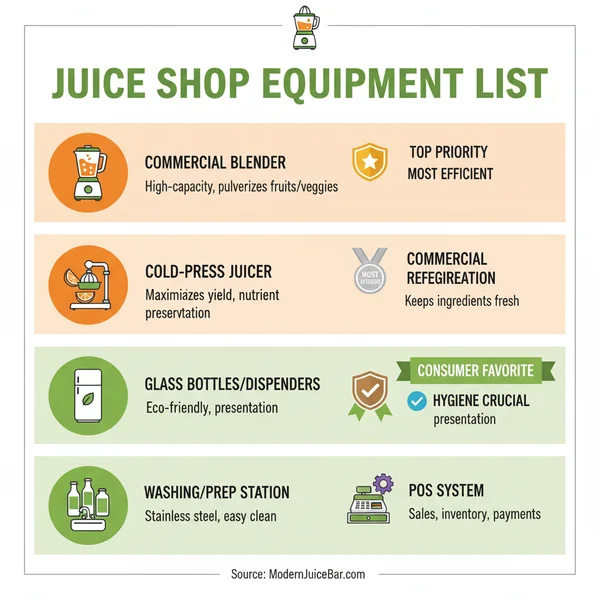
- Commercial Cold Press Juicer
- High-Speed Centrifugal Juicer
- High-Performance Commercial Blender
- Commercial Ice Machine
- Refrigerated Prep Tables
- Automatic Citrus Juicer
- Walk-in Cooler or Reach-in Refrigerator
- Wheatgrass Juicer
- Display Merchandiser
- Preparation and Garnish Station
Essential Juice Shop Equipment List
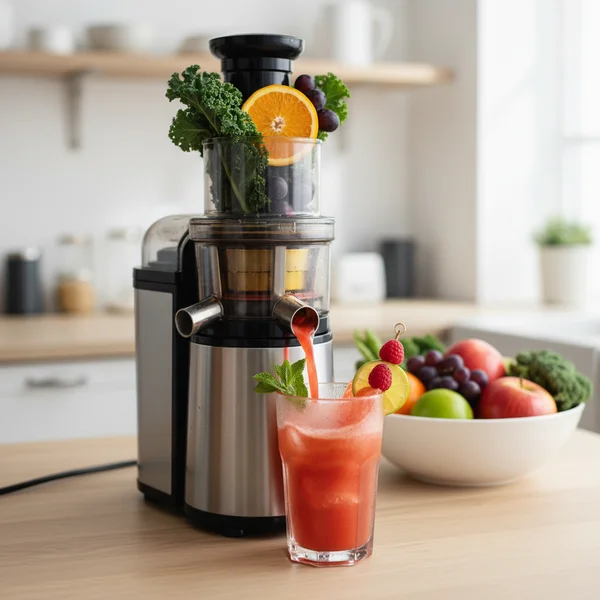
#1: Commercial Cold Press Juicer
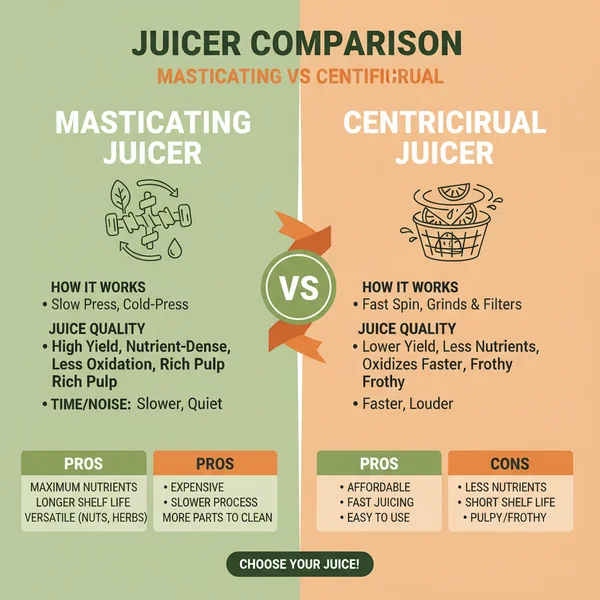
The commercial cold press juicer, or masticating juicer, is the gold standard for any modern juice shop. Unlike traditional methods, this equipment uses hydraulic press technology or slow-turning augers to crush fruits and vegetables, extracting the maximum amount of liquid without introducing heat. This process preserves the delicate enzymes and nutrients that health-conscious customers crave. By minimizing oxidation, the resulting beverage remains vibrant and refreshing for up to 72 hours. While these machines represent a higher initial investment, their superior yield means you get more product out of every pound of produce, significantly lowering your food costs over time while providing a premium, hydrating product.
#2: High-Speed Centrifugal Juicer
While cold press is king for bottled cleanses, a centrifugal juicer is indispensable for “made-to-order” service. These machines use a fast-spinning blade to pulverize produce and force the liquid through a mesh filter. The primary benefit here is incredible speed; you can turn a whole apple or a handful of carrots into a drink in seconds. It is the perfect tool for high-traffic periods where customers expect immediate service. Having this on your juice shop equipment list allows you to offer a diverse menu that balances artisanal bottled options with rapid-fire, customized blends that serve the “on-the-go” morning crowd effectively.
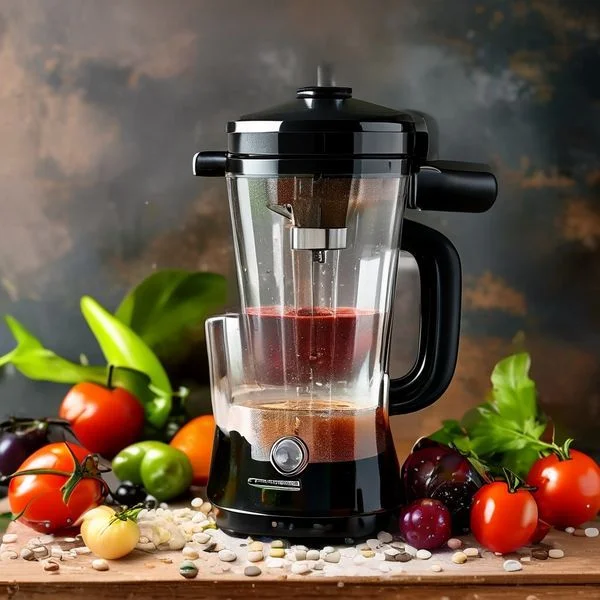
#3: High-Performance Commercial Blender
A professional-grade blender is the backbone of any beverage program that extends beyond pure juice. To create thick, creamy smoothies or acai bowls, you need a motor powerful enough to crush frozen fruit and ice into a velvet-smooth consistency without burning out. Look for models with sound enclosures to keep the shop atmosphere pleasant. These blenders allow you to incorporate superfoods like chia seeds, protein powders, and nut butters into your drinks. By offering frozen blends alongside liquid juices, you diversify your revenue streams and cater to customers looking for a more substantial, meal-replacement style refreshing beverage.
#4: Commercial Ice Machine
An often-overlooked hero on the juice shop equipment list is the commercial ice machine. Temperature is critical in the beverage industry; a drink that isn’t properly chilled will lose its appeal rapidly. Whether you are using ice to flash-cool freshly pressed juice or as a primary ingredient in your smoothie recipes, you need a machine that can keep up with peak demand. Cubed ice is standard for most, but “nugget” or “pebble” ice has become a fan favorite for its chewable texture. Ensuring you have a filtered, high-capacity ice source prevents your drinks from becoming lukewarm and unappealing during the hot summer months.
#5: Refrigerated Prep Tables
Efficiency in a juice shop is all about workflow, and a refrigerated prep table keeps your hydrating ingredients like cucumbers, celery, and leafy greens right at your fingertips. These tables feature a refrigerated well for holding pre-cut produce and a cutting board surface for final adjustments. By keeping your fruits and vegetables chilled until the exact moment they are processed, you ensure the highest possible quality and safety standards. This setup reduces the time staff spends walking back and forth to a main cooler, allowing for faster assembly of complex recipes and a much cleaner workspace during busy shifts.
#6: Automatic Citrus Juicer
If your menu features a significant amount of orange, grapefruit, or lemon juice, an automatic citrus juicer is a lifesaver. Hand-pressing hundreds of oranges a day is labor-intensive and inconsistent. An automatic machine feeds the fruit through a slicing and squeezing mechanism, separating the bitter pith from the sweet juice instantly. This equipment provides a theatrical element to your shop—customers love watching the fresh fruit being transformed. It ensures that your citrus-based refreshing drinks have a consistent flavor profile, free from the oils of the peel that can sometimes ruin a hydrating blend if processed in a standard centrifugal machine.
#7: Walk-in Cooler or Reach-in Refrigerator
Bulk purchasing is essential for maintaining profit margins, but fresh produce is highly perishable. A large-capacity walk-in cooler or a series of commercial reach-in refrigerators is necessary to store crates of apples, bags of carrots, and frozen berries. Maintaining a consistent temperature just above freezing ensures that your raw materials stay crisp and nutrient-rich. Proper storage also prevents the growth of mold and bacteria, which is a major concern when dealing with unpasteurized products. Without robust refrigeration, your juice shop equipment list is incomplete, as your inventory would spoil before it could ever be converted into profit.
#8: Wheatgrass Juicer
Wheatgrass shots are a high-margin staple in the juicing world, but they require specialized equipment. A standard blender or centrifugal juicer cannot effectively extract the liquid from the tough, fibrous blades of wheatgrass. A dedicated wheatgrass juicer uses a slow-turning screw to wring out the chlorophyll-rich liquid. These machines are compact and can sit easily on a countertop. Offering wheatgrass or ginger shots adds a “wellness” aura to your shop, attracting health enthusiasts who are looking for a quick, hydrating boost of vitamins and minerals in a concentrated form.
#9: Display Merchandiser
In a juice shop, your product is your best advertisement. A glass-fronted display merchandiser keeps your bottled juices chilled and visible to the customer. This encourages impulse buys and allows customers to grab a refreshing drink without waiting in line for a custom blend. Lighting is key here; a well-lit cooler makes the naturally vibrant colors of your beet, kale, and carrot juices pop. Strategic placement of these units near the cash register can significantly increase your average transaction value, as customers are often drawn to the aesthetic appeal of a chilled, colorful bottle ready for immediate consumption.
#10: Preparation and Garnish Station
The final touch on any premium beverage is the garnish. A dedicated station for preparing mint sprigs, citrus wheels, or edible flowers is essential for the “Instagrammable” factor that drives modern marketing. This area should include high-quality knives, mandolines, and small storage containers to keep each garnish fresh and organized. A beautifully presented drink feels more valuable to the consumer. By incorporating a professional garnish station into your workflow, you elevate the customer experience from a simple hydrating beverage to a premium, artisanal treat that justifies a higher price point.
How to Choose Your Equipment
Selecting the right items from a juice shop equipment list requires a careful balance of budget, space, and intended volume. First, consider your menu: if you are focused on juice cleanses, prioritize a high-end cold press machine. If smoothies are your primary seller, invest more in a heavy-duty blender with high horsepower. Capacity is the next major factor; a machine that works for a home kitchen will likely fail under the stress of a commercial environment within weeks. Look for NSF (National Sanitation Foundation) certified equipment, which ensures the tools are easy to clean and meet health department standards. Finally, consider the “footprint” of the gear. Many juice shops operate in small retail spaces, so choosing multi-functional equipment or vertically oriented machines can save valuable counter space. Always check for warranty and local repair services, as downtime in a juice shop can lead to significant revenue loss and wasted produce.
- Always keep a backup set of blender jars and juicer blades; these are the most common points of failure during a busy rush.
- Deep clean your equipment daily with food-safe sanitizers to prevent the buildup of sugars and pulp, which can attract pests and affect the flavor of your refreshing drinks.
- Incorporate chilled storage for your glassware or bottles to ensure the beverage stays hydrating and cold for the customer’s entire experience.
Conclusion
Building the perfect juice shop equipment list is the foundation of a successful beverage business. By investing in high-quality extraction tools, reliable refrigeration, and powerful blender technology, you ensure that every refreshing drink you serve is of the highest quality. If you are just starting, focus first on a versatile cold press juicer and a commercial-grade blender, as these two items will handle the bulk of your production. As your business grows, you can add specialized gear like citrus presses and garnish stations to further refine your brand and increase efficiency.
❓ Frequently Asked Questions
1
How long does fresh juice last in the fridge?
Most fresh, raw juices made with a centrifugal juicer last about 24 hours. If you use a cold press or masticating juicer, the shelf life can extend to 72 hours. Proper airtight storage and consistent refrigeration are vital to maintaining the refreshing flavor and nutritional integrity of the drink.
2
What is the most expensive piece of equipment?
Usually, a high-capacity commercial cold press juicer is the largest investment. These machines are designed for high volume and maximum yield, ensuring your juice stays hydrating and nutrient-dense. While expensive, they reduce waste and provide a superior product that justifies the initial cost for serious juice shop owners.
3
Can I use home blenders in a juice shop?
It is not recommended to use residential blenders in a commercial setting. Home models lack the motor power to handle constant use and will likely burn out quickly. A commercial blender is designed for speed and durability, easily crushing ice and creating smooth textures for every refreshing order.
4
How do I maintain my commercial juicer?
Daily deep cleaning is essential to prevent bacteria growth and ensure the longevity of your equipment. Disassemble all removable parts every night and sanitize them thoroughly. Regular maintenance of the blades and filters will keep your machine running efficiently, producing high-quality, hydrating beverages for your customers every day.
5
Which juicer is better: centrifugal or cold press?
Centrifugal juicers are faster and more affordable, making them great for high-volume orders. However, cold press juicers extract more nutrients and offer a longer shelf life. For a premium juice shop, a mix of both often works best to balance speed with the demand for ultra-healthy, hydrating options.