What to Look for When Buying a Juicer: Ultimate Guide
When buying a juicer, the most critical factors to consider are the extraction type (masticating vs. centrifugal), ease of cleaning, and motor power. Masticating juicers are superior for nutrient retention and leafy greens, while centrifugal juicers offer speed and convenience. You should also evaluate the feed chute size to minimize prep time, the noise level during operation, and the overall durability of the components to ensure a long-lasting investment for your kitchen.
Understanding Different Juicer Technologies and Their Benefits
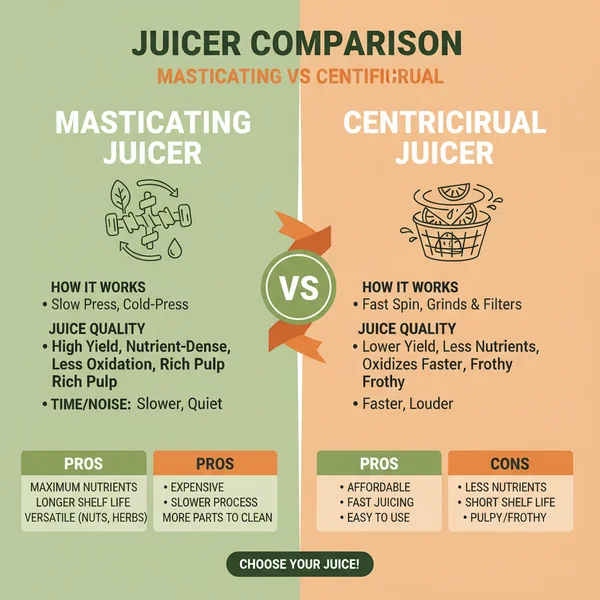
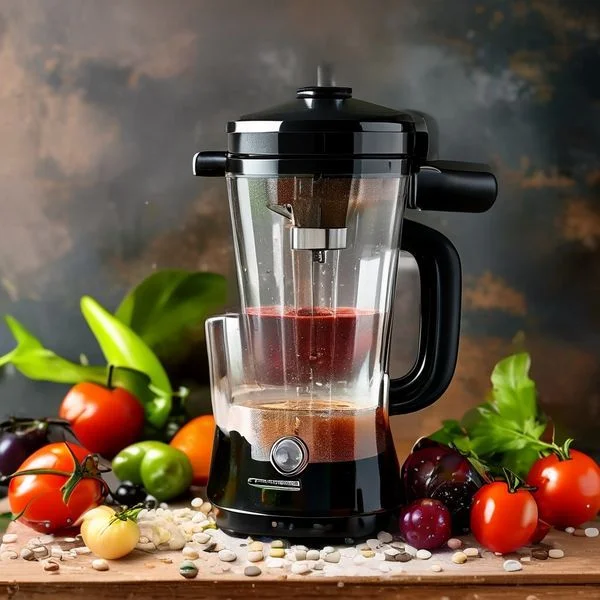
The journey to finding the perfect juicer begins with understanding how different machines extract liquid from produce. There are two primary categories: centrifugal and masticating (also known as cold-press). A centrifugal juicer uses a high-speed spinning blade to shred fruits and vegetables, using centrifugal force to push the juice through a mesh filter. These machines are incredibly fast and efficient for hard produce like apples and carrots, making them a popular choice for those who need a refreshing, hydrating drink in a hurry. However, the high-speed rotation can generate slight heat, which some enthusiasts believe may oxidize nutrients more quickly.
On the other hand, masticating juicers operate at much lower speeds. They use an auger to slowly crush and squeeze the produce against a screen. This “cold-press” method is exceptionally effective at extracting juice from delicate leafy greens like kale and spinach. Because there is minimal heat buildup, the resulting juice is often considered more nutrient-dense and can be stored longer in the refrigerator. While these machines are slower and often more expensive, they provide a higher juice yield, ensuring you get the most out of every piece of produce.
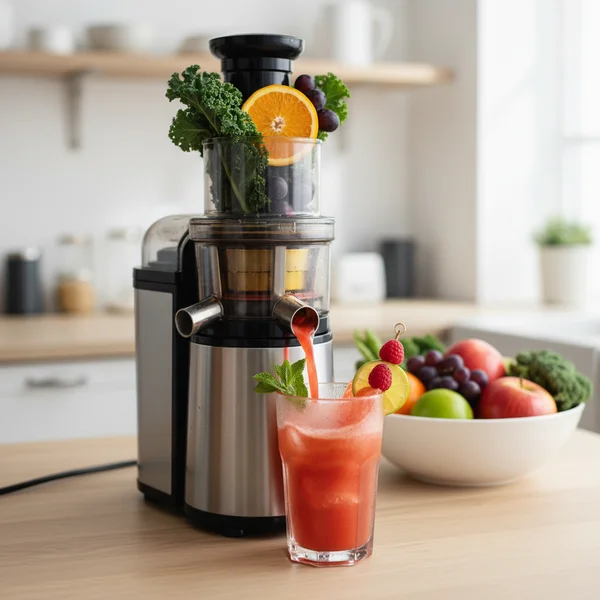
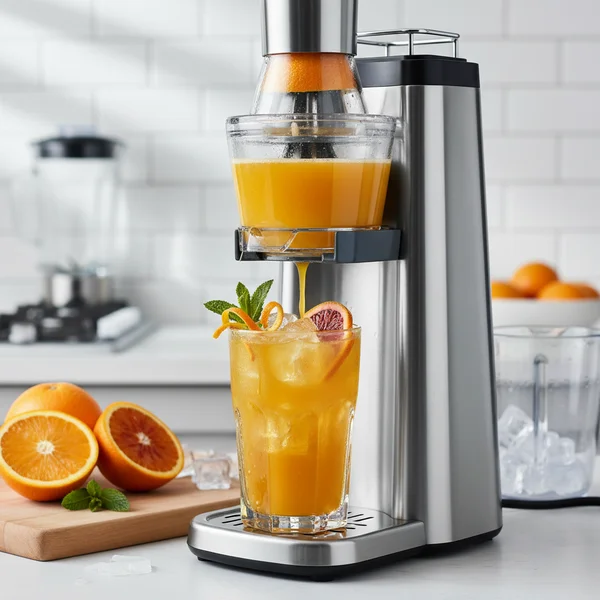
It is also important to distinguish between a juicer and a high-speed blender. While a blender keeps the fiber intact to create thick smoothies, a juicer removes the pulp to create a thin, concentrated liquid. If your goal is to create a chilled beverage that goes down smoothly and provides an instant burst of vitamins, a juicer is the correct tool. Many people enjoy using their juicer to create a base for a drink, then pouring it over ice and adding a citrus garnish for a professional, cafe-style presentation.
A Step-By-Step Guide to Evaluating Your Purchase
Selecting the right appliance requires a systematic approach to ensure it meets your specific lifestyle needs. Follow these steps to narrow down your options and find the machine that will actually get used rather than gathering dust on the counter.
1. Assess Your Primary Ingredients: If you plan on juicing mostly celery, wheatgrass, or leafy greens, a masticating juicer is non-negotiable. If you prefer hard fruits and root vegetables, a centrifugal model will save you time.
2. Check the Chute Size: Look for “wide-mouth” models. A larger feed chute allows you to drop in whole apples or large chunks of produce, significantly reducing the time you spend chopping before you even start juicing.
3. Analyze the Cleaning Process: This is the most common reason people stop juicing. Look for models with fewer parts and those that are labeled “dishwasher safe.” Some modern juicers even feature “self-cleaning” functions or specialized brushes to clear the mesh filters quickly.
4. Evaluate the Noise Level: If you live in an apartment or have early-rising family members, noise is a factor. Masticating juicers are generally much quieter, producing a low hum, whereas centrifugal models can sound as loud as a high-speed blender.
5. Consider Storage and Footprint: Measure your counter space. Some vertical masticating juicers have a small footprint, while horizontal models require significant room. Ensure it fits under your cabinets if you plan to keep it out for daily use.
6. Compare Juice Yield and Pulp Dryness: Read reviews regarding how dry the remaining pulp is. Drier pulp means the machine is more efficient at extraction. You can even take the leftover pulp and incorporate it into frozen treats or compost it for a zero-waste approach.
Important Considerations for Long-Term Satisfaction
Beyond the basic mechanics, there are several nuances that dictate how satisfied you will be with your juicer over several months of use. One major consideration is the warranty. Quality juicers, particularly high-end masticating models, often come with warranties ranging from 5 to 15 years on the motor. This reflects the manufacturer’s confidence in the machine’s durability and provides peace of mind for your investment.
Another factor is the versatility of the machine. Some premium juicers are multi-functional; they can grind coffee beans, make nut milks, or even create fruit-based frozen desserts. If you enjoy experimenting with different chilled beverages, these added features can replace other small appliances in your kitchen. However, if you only want a simple, refreshing glass of orange juice, a dedicated citrus press might be a more cost-effective and easier-to-clean alternative.
Pay attention to the build material as well. Stainless steel components are generally more durable and less likely to stain than clear plastic. Since many fruits and vegetables, like beets and turmeric, have strong pigments, a high-quality housing will keep your machine looking new for longer. Finally, consider the “foam” factor. Centrifugal juicers tend to produce more foam due to the high-speed air incorporation. If you prefer a clear, foam-free drink, look for models that include a froth separator in the juice pitcher.
- Serve your fresh juice immediately over ice for the most refreshing experience and to prevent nutrient degradation.
- Always wash your juicer immediately after use; once the pulp dries on the mesh screen, it becomes significantly harder to remove.
- Add a sprig of mint or a slice of cucumber as a garnish to elevate the visual appeal of your hydrating homemade beverages.
- If you find the juice too concentrated, dilute it with a splash of chilled sparkling water for a lighter, bubbly treat.
Conclusion: Finding Your Perfect Squeeze
Buying a juicer is an investment in your health and culinary enjoyment. By prioritizing ease of cleaning and selecting the extraction method that matches your favorite ingredients, you ensure that the machine remains a staple of your daily routine. Whether you choose a high-speed centrifugal model for quick morning shots or a slow masticating press for nutrient-dense green juices, the result will be a hydrating and refreshing addition to your diet. Remember to look for a sturdy warranty and a design that fits your kitchen space, and you will be well on your way to enjoying professional-quality chilled juices from the comfort of your home.
❓ Frequently Asked Questions
1
How long does fresh juice last in the fridge?
Fresh juice typically lasts between 24 to 72 hours depending on the juicer type. Masticating juicers produce juice that stays refreshing longer because the slow process reduces oxidation. To keep your drink hydrating and nutrient-dense, store it in an airtight glass bottle filled to the very top to minimize air exposure.

2
Can I make smoothies in a juicer?
Traditional juicers are designed to separate pulp from liquid, so they cannot make smoothies. For thick, fiber-rich drinks, you should use a high-powered blender. Blenders allow you to incorporate ice and whole fruits, resulting in a different type of refreshing beverage that retains all the filling fiber and nutrition of the produce.
3
What can I substitute for a juicer?
If you don’t own a juicer, you can use a blender and a fine-mesh strainer or nut milk bag. Blend your fruits and vegetables with a little water or ice until smooth, then strain the mixture. This method creates a hydrating juice that is just as delicious when finished with a citrus garnish.
4
How do I know when a juicer is high quality?
A high-quality juicer is characterized by dry pulp and a high juice yield. If the discarded pulp is still wet, the machine is inefficient. Look for stainless steel straining screens and a heavy-duty motor. These features ensure your machine can handle tough ingredients while producing a clean, refreshing beverage every time.
5
Can I freeze fresh juice?
Yes, you can freeze fresh juice for up to three months to enjoy a hydrating treat later. Use freezer-safe containers and leave an inch of space for expansion. While frozen juice is still healthy, drinking it immediately after extraction ensures you get the most refreshing flavor and the highest concentration of live enzymes.