
Do Masticating Juicers Retain Fiber? Ultimate Guide
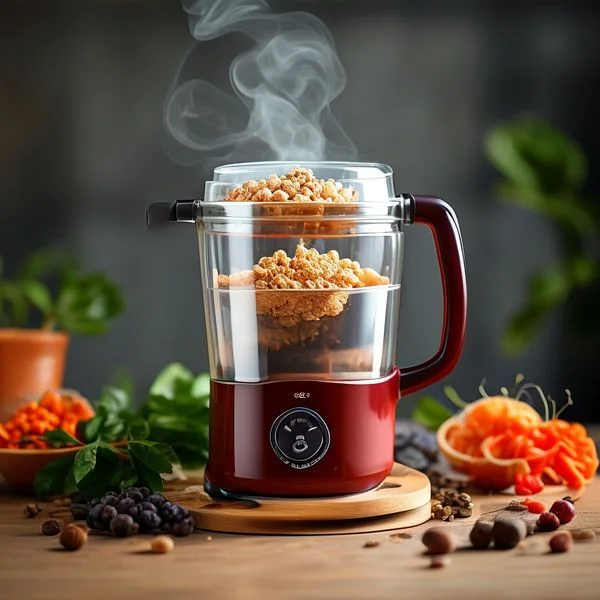
Masticating juicers do not retain the bulk of insoluble fiber, as their primary function is to separate the tough pulp from the liquid. However, they are highly effective at retaining soluble fiber. Unlike a high-speed blender that pulverizes the entire fruit, a masticating juicer “chews” the produce, extracting nutrient-dense juice while discarding the heavy plant walls. This results in a refreshing, hydrating drink that is easier on the digestive system while still providing some essential fiber types.
Understanding Fiber Retention in Masticating Juicers
To answer whether masticating juicers retain fiber, we must first distinguish between the two primary types of dietary fiber: soluble and insoluble. Insoluble fiber is the “roughage” found in the skins, seeds, and stalks of plants. It does not dissolve in water and is responsible for the bulk of the pulp that a juicer ejects into a separate container. Conversely, soluble fiber dissolves in water to form a gel-like substance. Masticating juicers, often referred to as cold-press juicers, are remarkably efficient at keeping this soluble fiber within the final beverage.
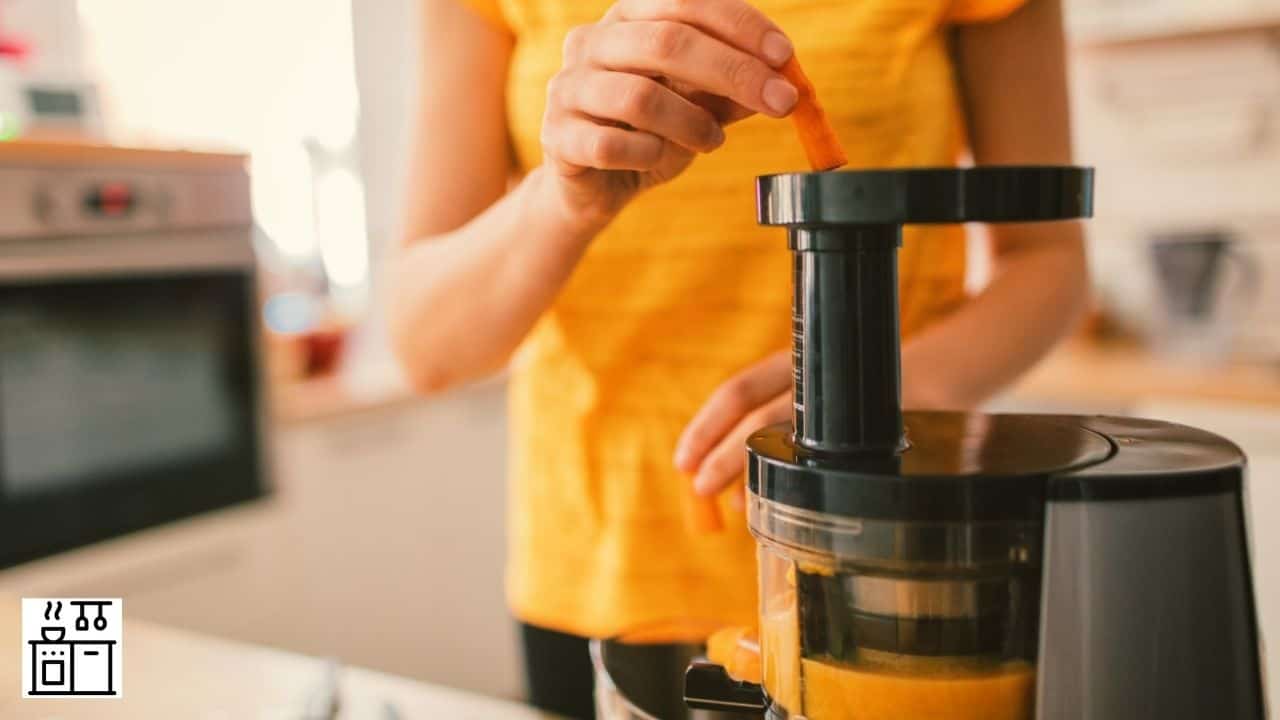
The mechanical process of a masticating juicer involves a slow-turning screw, or auger, that crushes produce against a fine mesh screen. Because this process is slow and avoids the high-friction heat found in centrifugal models, the cellular structure of the fruits and vegetables is broken down gently. This “chewing” action allows a significant amount of pectin and other soluble fibers to pass through the screen into your glass. While you won’t get the heavy texture of a drink made in a traditional blender, the resulting liquid is more than just flavored water; it is a complex, nutrient-dense infusion.
From a practical standpoint, the absence of insoluble fiber is often the goal for many juicing enthusiasts. By removing the heavy solids, the body can absorb vitamins and minerals almost instantly without the energy-intensive process of digestion. If you are looking for a hydrating and refreshing way to consume a massive volume of greens or root vegetables in one sitting, a masticating juicer is the superior tool. It provides a chilled, smooth extract that feels lighter than a thick smoothie but packs a similar micronutrient punch.
How to Maximize the Benefits of Your Juicing Process
If you want to ensure your juice is as nutritious and fiber-rich as possible, the way you operate your machine and prepare your produce matters significantly. Follow these steps to get the most out of your masticating juicer:
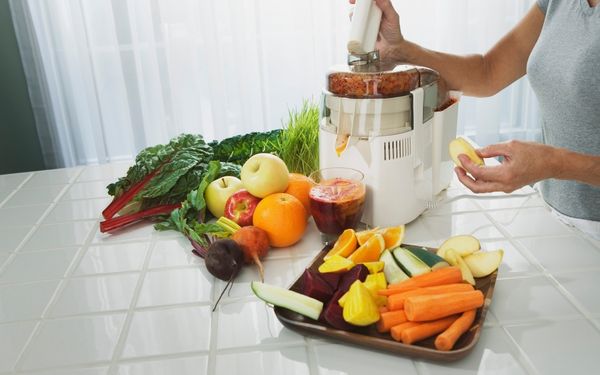
1. Select High-Water Content Produce: To create a truly hydrating drink, start with a base of cucumbers, celery, or apples. These items provide plenty of liquid to help carry the soluble fiber through the mesh screen. Using chilled produce from the refrigerator will also ensure your final drink is refreshing right out of the machine.
2. Prep for Success: Cut your fruits and vegetables into small pieces. While some wide-chute masticating juicers can handle whole apples, smaller pieces reduce the strain on the motor and allow for a more thorough “chew” of the fibers, resulting in a drier pulp and more juice.
3. Control the Pulp: Many modern masticating juicers come with different strainers. If you prefer a drink that retains more fiber, use the “coarse” strainer. This allows more micro-pulp to enter the juice, giving it a texture closer to a nectar.
4. The Serving Ritual: Once the juice is extracted, pour it over a few cubes of ice to keep it crisp. If the juice feels too thick, a quick stir can redistribute the soluble fibers that may have settled at the bottom.
5. Add a Fresh Garnish: Enhance the sensory experience and add a tiny boost of aromatics by adding a garnish of mint or a slice of citrus. This makes the drink feel like a professional tonic rather than just a kitchen experiment.
6. Repurpose the Waste: Since the juicer removes the insoluble fiber, don’t throw that pulp away! You can mix the leftover vegetable pulp into soups, stews, or even veggie burger patties to ensure you are still consuming that beneficial roughage in your solid meals.
Important Considerations for Fiber and Digestion
While masticating juicers are excellent for nutrient extraction, there are several factors to keep in mind regarding your overall fiber intake. The most common mistake is assuming that a glass of juice is a complete replacement for whole fruits and vegetables. While juice is exceptionally hydrating and refreshing, your digestive system still requires insoluble fiber to function optimally.
If your goal is to consume the “whole food,” you might find that a blender is a better companion for certain tasks. A blender keeps every bit of the fruit, including the skins and seeds, which is ideal for making frozen fruit sorbets or thick breakfast smoothies. However, the downside of using a blender for high-fiber produce like kale or ginger is the texture; it can often become “chewy” or unpleasantly thick. Masticating juicers solve this by providing a concentrated liquid that is easy to drink.
Another consideration is the sugar content. Because the juicer removes the insoluble fiber—which normally slows down the absorption of sugar—fruit juices can cause a quicker spike in blood glucose levels. To mitigate this, experts recommend a ratio of roughly 80% vegetables to 20% fruit. This ensures you are getting the soluble fiber and nutrients without an overwhelming sugar rush. Always aim for a chilled, vegetable-heavy blend to maximize the health benefits.
- Temperature Matters: Always use chilled ingredients to prevent the juice from warming up during the slow extraction process.
- Blender Hybrid: For the best of both worlds, mix some of the extracted juice back into a blender with frozen berries for a fiber-rich, icy treat.
- Immediate Consumption: Drink your juice immediately to benefit from the live enzymes and prevent the soluble fiber from oxidizing.
- Creative Garnishing: Use a sprig of rosemary or a zest of lime as a garnish to elevate the flavor profile of earthy beet or carrot juices.
Conclusion
In summary, masticating juicers do retain soluble fiber, though they intentionally discard the insoluble pulp to create a smooth, concentrated beverage. This makes them a perfect tool for creating hydrating, nutrient-dense drinks that are easy for the body to process. While they don’t provide the same “whole food” profile as a blender, they offer a unique way to consume high volumes of vitamins and minerals. By balancing your juice intake with whole fiber-rich meals and using techniques like using chilled produce and adding a fresh garnish, you can enjoy a refreshing and healthful juicing experience that supports your overall wellness goals.
❓ Frequently Asked Questions
1
How long does masticating juice last in fridge?
Juice from a masticating machine typically lasts up to 72 hours when stored properly. Because the slow process generates minimal heat and oxidation, the nutrients stay stable longer than centrifugal juice. Keep it in an airtight glass jar filled to the brim to maintain its refreshing quality and vitamins.
2
Can I make juice in a blender instead?
Yes, you can use a blender to create ‘whole juice’ by blending produce with water. However, to get a traditional juice consistency, you must strain the mixture through a nut milk bag. This retains all fiber initially, whereas a masticating juicer automatically separates it for a smoother drink.
3
What can I substitute for a masticating juicer?
If you lack a cold-press machine, a centrifugal juicer is the most common substitute, though it may slightly heat the juice. You can also blend your ingredients and use a fine-mesh strainer or cheesecloth to manually remove the pulp, creating a similarly hydrating and refreshing beverage at home.
4
How do I know when the juice is done?
The process is complete once the produce has fully passed through the auger and the pulp exiting the machine appears dry. The juice collection container should be filled with a vibrant, sediment-free liquid. Simply stir the contents, pour over ice, and add a garnish for a professional look.
5
Can I freeze freshly made juice?
You can freeze fresh juice to preserve it for later use. Use airtight, freezer-safe containers and leave a little headspace for expansion. While freezing might slightly change the texture, the juice remains a hydrating and nutrient-dense option. Thaw in the refrigerator and shake well before serving over ice.
