Heavy Duty Juicer Machine: Ultimate Guide for Best Results
Investing in a high-quality juice extractor is a transformative step for anyone serious about their wellness journey. A heavy duty juicer machine is designed to handle the rigorous demands of daily juicing, processing everything from dense root vegetables like carrots and beets to delicate, fibrous leafy greens. Unlike standard consumer models that may overheat or clog, these robust appliances feature high-torque motors and industrial-grade components that ensure maximum yield and nutrient retention. In this comprehensive guide, you will learn about the different types of heavy-duty extraction technologies, how to choose the right model for your specific dietary needs, and the best practices for creating vibrant, nutrient-dense beverages that rival any professional juice bar.
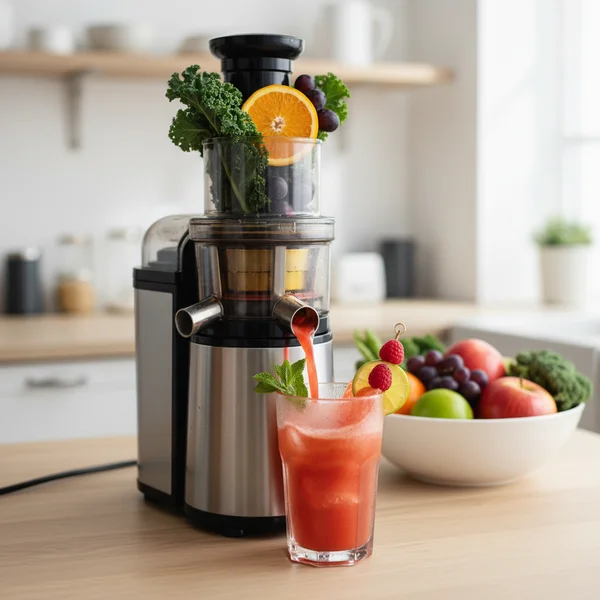
A heavy duty juicer machine offers superior durability and higher juice yields compared to standard models, making it a cost-effective long-term investment for those who juice daily or process tough, fibrous ingredients.
The Anatomy of a Heavy Duty Juicer Machine
When we talk about “heavy duty” in the context of juicing, we are referring to the build quality and the engineering behind the motor. Standard juicers often use plastic gears and lower-wattage motors that can struggle with hard produce. In contrast, a heavy duty juicer machine typically features stainless steel internal components and an induction motor. These motors are designed to provide consistent torque without the high-speed friction that can lead to heat buildup.
Heat is the primary enemy of juice quality. High temperatures can cause rapid oxidation, which degrades the enzymes and vitamins within your drink. Heavy-duty machines, particularly those in the masticating or “cold press” category, operate at lower RPMs (revolutions per minute). This slow, methodical crushing action mimics the human chewing process, effectively breaking down cell walls to release the maximum amount of liquid and nutrients. The result is a juice that is richer in color, flavor, and nutritional profile.
Furthermore, the physical footprint of these machines is often larger and heavier. This weight is intentional; it provides stability on the countertop, preventing the machine from “walking” or vibrating excessively during the extraction of hard vegetables like ginger or turmeric. While they may require more counter space, the longevity of these machines—often backed by 10 to 15-year warranties—makes them a staple for any health-conscious kitchen.
Masticating vs. Centrifugal: Choosing Your Powerhouse
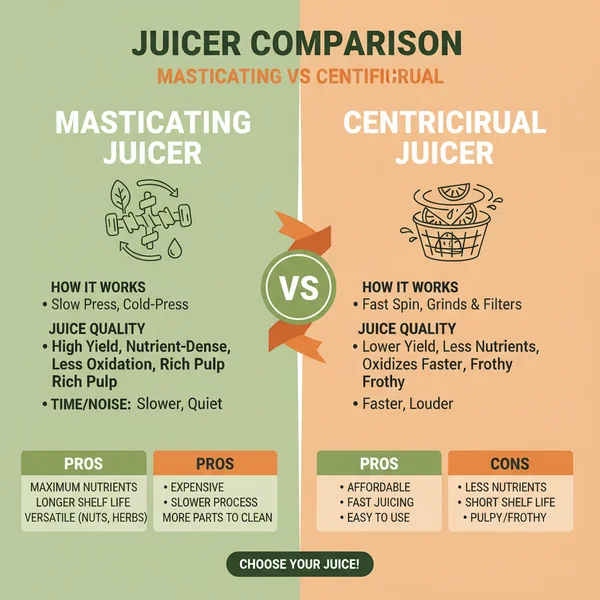
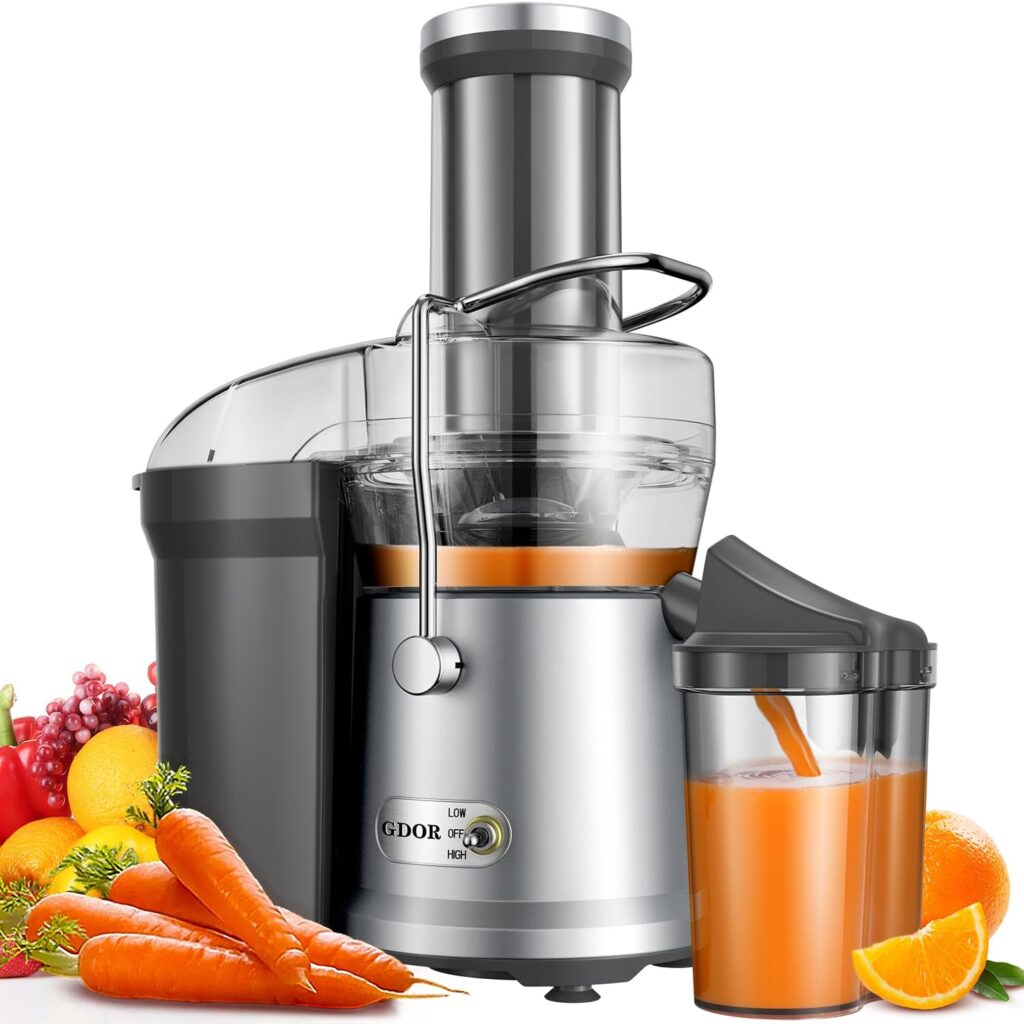
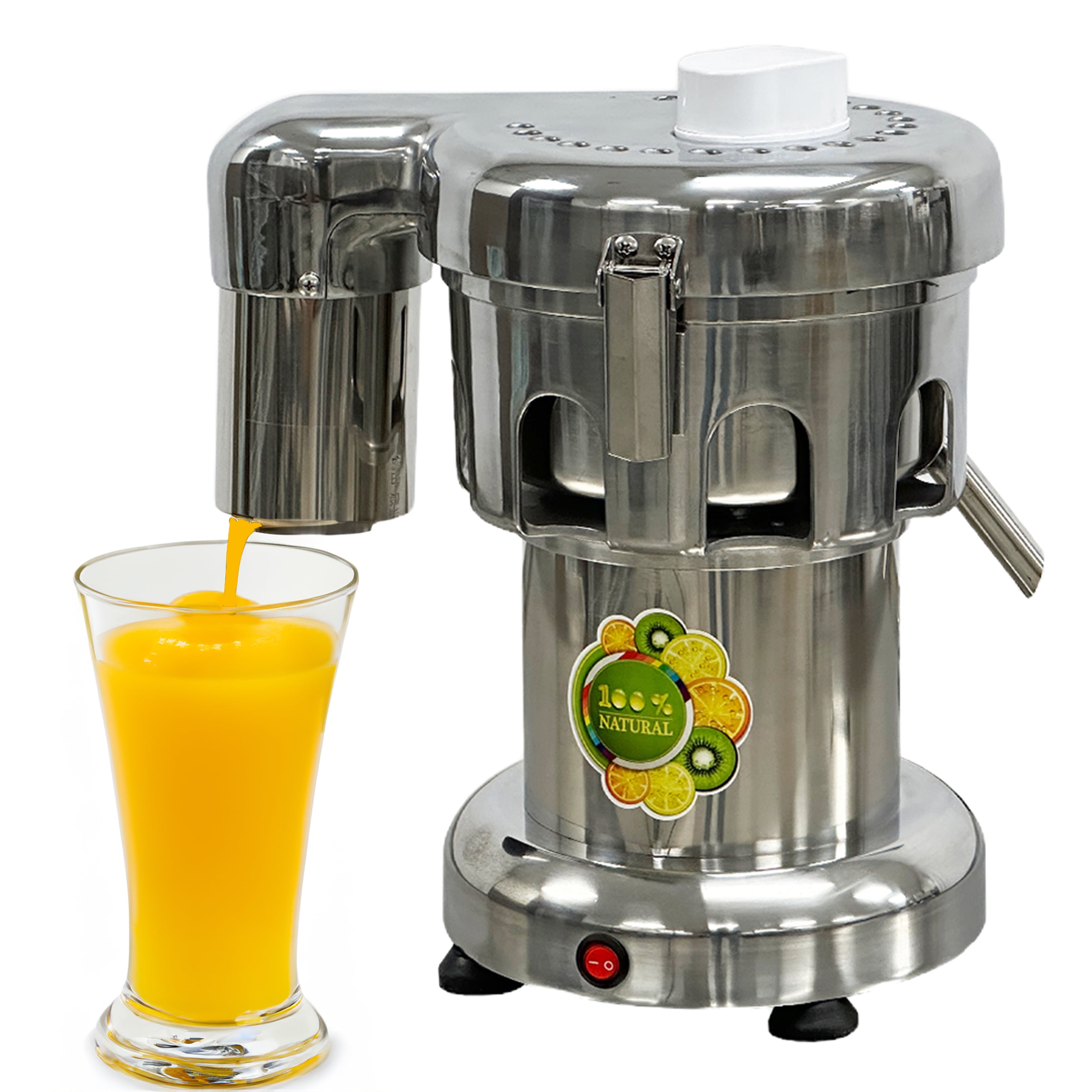
There are two primary styles of heavy-duty extractors: masticating and centrifugal. Understanding the difference is crucial for matching the machine to your lifestyle. A heavy-duty centrifugal juicer is the “sprinter” of the world. It uses a high-speed spinning blade to shred produce and force the juice through a fine mesh screen. These are excellent for those who are short on time and primarily juice hard fruits and vegetables. However, they can be loud and are generally less efficient at processing leafy greens.
On the other hand, a heavy-duty masticating juicer is the “marathon runner.” It uses a single or double auger to slowly crush the produce. This method is exceptionally efficient for extracting juice from kale, spinach, wheatgrass, and herbs. If your goal is a highly hydrating green juice, the masticating route is superior. Below is a comparison to help you decide:
| Feature | Heavy-Duty Masticating | Heavy-Duty Centrifugal |
|---|---|---|
| Extraction Speed | Slow (40-80 RPM) | Fast (3,000-15,000 RPM) |
| Nutrient Retention | Highest (Minimal Oxidation) | Moderate |
| Leafy Green Yield | Excellent | Fair to Poor |
| Noise Level | Quiet | Loud |
Regardless of the type you choose, looking for “heavy duty” specifications ensures that the motor can handle the resistance of dense produce without burning out. This is particularly important for those who perform batch juicing for the week ahead.
Versatility: Beyond the Standard Glass of Juice
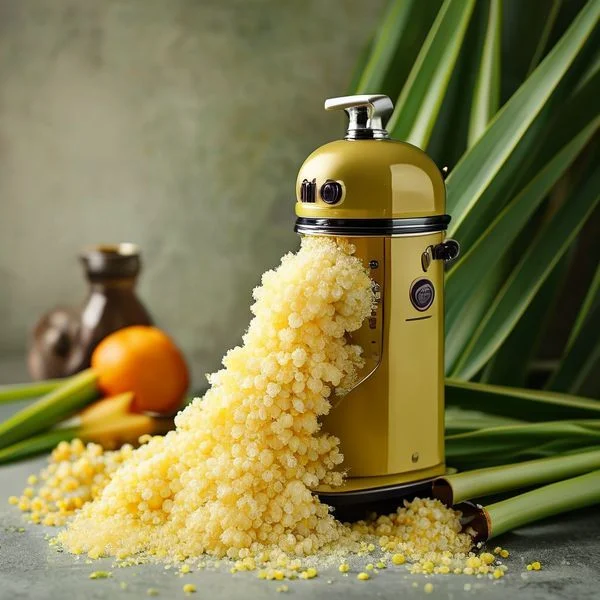
One of the often-overlooked benefits of a heavy duty juicer machine is its versatility. Many of these appliances come with additional attachments or specialized screens that allow them to function as more than just a juicer. For example, some masticating models can be used to homogenize fruits. By using frozen bananas or berries, you can create a refreshing dairy-free sorbet that has the consistency of soft-serve ice cream.
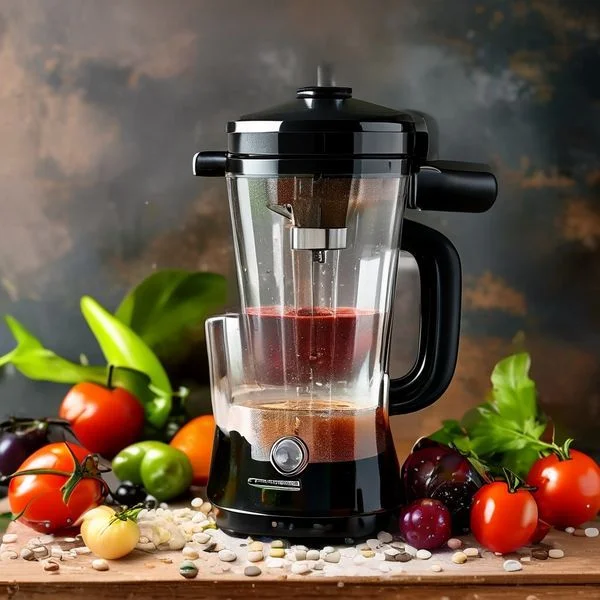
Moreover, these machines are excellent for preparing the base of more complex beverages. If you enjoy the texture of a smoothie but want the concentrated nutrients of a juice, you can use your juicer to extract the liquid from hard vegetables and then transfer that liquid into a blender. In the blender, you can add fats like avocado, protein powders, or ice to create a more satiating meal replacement. This “juice-blending” hybrid approach allows you to skip the heavy fiber of certain vegetables while still achieving a creamy, chilled texture.
Advanced users also use heavy-duty machines to make nut milks. By soaking almonds or cashews and running them through the juicer with water, you can create a fresh, preservative-free milk that is far superior to store-bought options. This multi-functionality justifies the higher price point of heavy-duty equipment, as it replaces several smaller kitchen gadgets.
Preparation and Serving for the Ultimate Experience
To get the most out of your heavy duty juicer machine, how you prepare your produce and serve your drink matters as much as the machine itself. Always wash your fruits and vegetables thoroughly, but keep in mind that a heavy-duty motor can often handle larger chunks, reducing your prep time. However, to ensure the longest life for your machine, cutting long, stringy vegetables like celery into one-inch pieces can prevent the fibers from wrapping around the auger.
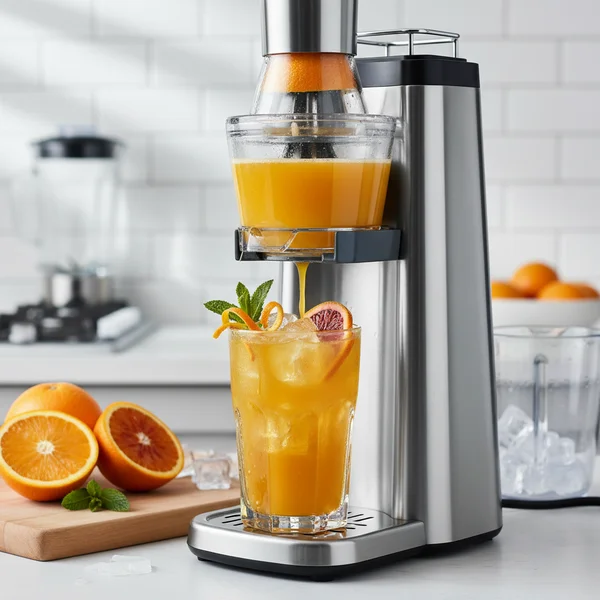
The serving experience is where you can truly elevate your homemade beverages. Juice is most refreshing when served immediately, but if you must store it, use an airtight glass container filled to the very top to minimize oxygen exposure. When you are ready to serve, pouring the juice over a few cubes of ice can provide a crisp, chilled mouthfeel that enhances the natural sweetness of the ingredients.
Don’t forget the aesthetic and aromatic elements. A simple garnish can transform a daily health shot into a gourmet experience. Consider a sprig of fresh mint for a hydrating cucumber juice, or a thin slice of jalapeño for a spicy carrot-apple blend. The visual appeal of a well-garnished drink makes the habit of juicing more enjoyable and sustainable over the long term.
Expert Tips for Longevity and Performance
Maintaining a heavy duty juicer machine is relatively simple but requires consistency. The most important rule is to clean the machine immediately after use. Once the pulp dries, it becomes like cement, especially on the fine mesh screens. Most high-end juicers come with specialized brushes; use them to ensure every tiny hole in the screen is clear to maintain high yield and prevent motor strain.
Another professional tip is to “sandwich” your produce. If you are juicing something soft like berries or citrus, follow it with a hard vegetable like a carrot. The harder produce will help push the softer, pulpy remnants through the machine, ensuring that no juice is wasted and the internal chambers stay relatively clear during the process.
Expert Tips (H2)
To maximize the efficiency of your heavy duty juicer machine, pay close attention to the order of ingredients. Start with your most fibrous items, like kale or chard, and finish with water-heavy produce like cucumber or lemon. This naturally flushes the machine. Additionally, periodically “deep clean” your stainless steel screens by soaking them in a mixture of water and citric acid or lemon juice to remove mineral buildup from hard water and produce. This keeps the extraction process smooth and prevents the motor from working harder than necessary.
- Alternate between hard and soft produce to keep the pulp moving freely and prevent clogging.
- For a refreshing twist, juice a small amount of ginger or turmeric at the very end to add a zingy, hydrating kick to any blend.
- Use the leftover dry pulp from your heavy-duty machine in soups, stews, or even as a base for veggie burgers to ensure zero waste.
Conclusion
Choosing a heavy duty juicer machine is an investment in your long-term health and culinary versatility. By opting for a machine with a robust motor and high-quality components, you ensure a higher yield of nutrients, a quieter operation, and an appliance that will serve you for decades. Whether you are creating chilled summer treats with frozen fruit or hydrating green elixirs topped with a fresh garnish, the right machine makes the process effortless. Start with high-quality produce, maintain your equipment diligently, and enjoy the vibrant energy that only fresh, cold-pressed juice can provide.
❓ Frequently Asked Questions
1
How long does fresh juice last in fridge?
Fresh juice made with a heavy duty juicer machine typically lasts 24 to 72 hours when stored in an airtight glass container. For the best taste and nutrient retention, consume it as soon as possible. Keeping it cold and away from light helps maintain its hydrating properties and vibrant color.
2
Can I use a blender instead of a juicer?
While a blender keeps the fiber, a heavy duty juicer machine removes the pulp for a smooth liquid. Blenders are better for thick smoothies with ice, while juicers excel at extracting pure, hydrating nutrients from raw vegetables. Both have unique benefits depending on your dietary goals and texture preferences.
3
What can I substitute for leafy greens in juice?
If you find leafy greens too bitter, try substituting them with cucumber or celery. These alternatives are highly hydrating and have a milder flavor profile. You can also balance the taste by adding a sweet apple or a citrus garnish to create a more refreshing and palatable morning beverage.
4
How do I know when the juicer is overwhelmed?
You will know the machine is overwhelmed if the motor begins to slow down or if the pulp comes out very wet. If this happens, stop the machine immediately and clear the filter. Investing in a heavy duty model reduces this risk compared to standard residential kitchen appliances.
5
Can I freeze fresh green juice?
Yes, you can freeze fresh juice for up to three months. Use BPA-free containers or silicone trays, leaving some space for expansion. While it remains hydrating, some flavor and vitamin C may degrade over time. Always thaw in the refrigerator and shake well before serving over fresh ice.