How to Juice an Orange Without a Juicer: Easy Guide
To juice an orange without a juicer, you can use several effective manual methods. The most popular include the fork method, where you rotate a fork inside a halved orange to break the membranes; the blender method, which involves peeling, blending, and straining the fruit; or simple hand-squeezing. For the best yield, roll the orange on a counter before cutting to loosen the juice vesicles, ensuring a refreshing and hydrating drink every time.
The Science and Practicality of Juicing Without Special Equipment
Juicing citrus fruits has been a fundamental culinary skill long before the invention of the electric centrifugal or masticating juicer. When you understand the anatomy of an orange, extracting its liquid gold becomes a matter of physics rather than machinery. An orange is composed of hundreds of tiny juice vesicles—small, tear-shaped sacs that hold the liquid. To juice an orange effectively, your goal is to rupture as many of these sacs as possible while separating the liquid from the fibrous membranes and bitter seeds.
One of the primary reasons to skip the machine is the sheer quality of the result. Manual extraction often results in a less aerated juice, meaning less oxidation and a more vibrant, refreshing flavor profile. Furthermore, homemade orange juice is incredibly hydrating, providing essential electrolytes and Vitamin C without the added sugars or preservatives found in many store-bought “chilled” varieties.
There is also a scientific benefit to temperature management when juicing. While a mechanical juicer can generate heat through its high-speed motor, manual methods keep the fruit at room temperature or chilled, preserving the delicate enzymes and volatile aromatic compounds. Using a blender is a fantastic middle ground; it allows for high-yield extraction by pulverizing the entire fruit, though it requires a secondary step of straining to achieve a smooth consistency. Whether you are looking for a quick morning glass or a base for a frozen citrus treat, mastering these manual techniques ensures you are never sidelined by a lack of appliances.
Why Room Temperature Matters
Before you begin any of the methods below, consider the state of your fruit. Cold oranges hold onto their juice more tightly because the cell walls are firmer. By allowing your oranges to reach room temperature—or even soaking them in warm water for a few minutes—you soften the rinds and internal membranes. This small step can increase your juice yield by up to 20%, making the process significantly easier on your hands.
A Step-By-Step Guide to Three DIY Juicing Methods
Depending on the tools you have in your kitchen, you can choose the method that best suits your needs. Here are the three most reliable ways to get the job done.
Method 1: The Fork Technique (Best for High Yield)
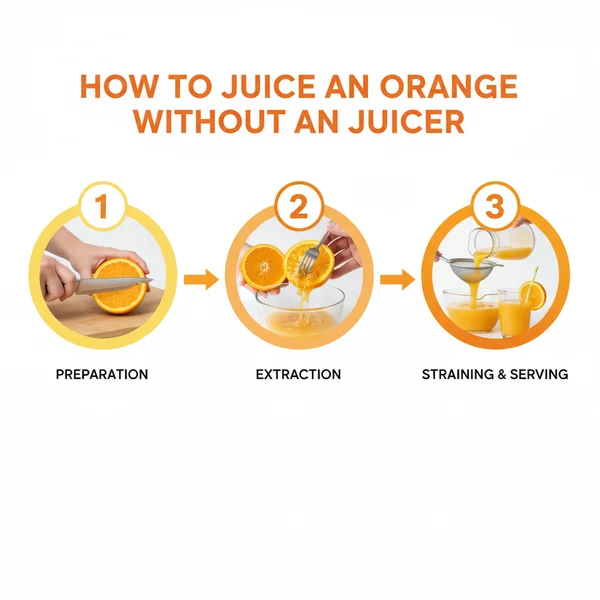
1. Prep the Fruit: Roll the orange firmly against a hard countertop using the palm of your hand for about 30 seconds. This “massages” the internal juice sacs, causing them to burst early.
2. Cut and Position: Slice the orange in half crosswise. Hold one half over a large bowl.
3. The Extraction: Insert the tines of a sturdy fork into the center of the orange flesh. With one hand, squeeze the orange firmly, and with the other, twist the fork in a circular motion.
4. Scrape the Walls: Move the fork toward the edges, scraping the interior of the rind to release any remaining pockets of juice.
5. Strain: Pour the collected liquid through a fine-mesh sieve to remove seeds and excess pulp.
Method 2: The Blender Method (Best for Large Batches)
1. Peel Thoroughly: Remove the entire peel and as much of the white pith as possible, as the pith can make the juice bitter.
2. Segment: Pull the orange apart into segments. You don’t need to remove the seeds if you have a high-powered blender, but doing so manually first can result in a cleaner taste.
3. Pulse: Place the segments into the blender. Add a splash of water or a few pieces of ice if you want it immediately chilled. Pulse until the mixture is a liquid mash.
4. Strain: Drape a cheesecloth or nut milk bag over a pitcher. Pour the blended mixture in and squeeze the cloth tightly to extract every drop of liquid, leaving the dry pulp behind.
Method 3: The Hand-Squeeze Method (Simplest)
1. Softening: Use the rolling technique mentioned in the fork method.
2. The Squeeze: Cut the orange into quarters rather than halves. It is easier to apply maximum pressure to a smaller wedge.
3. Technique: Squeeze the wedge over a bowl, using your thumb to press into the center of the flesh as you fold the rind inward.
4. Finish: Use a spoon to scrape out any remaining juice trapped in the pulp.
Important Considerations for Perfect Orange Juice
While juicing without a juicer is straightforward, there are a few nuances that can make the difference between a mediocre drink and a gourmet beverage. One of the most common mistakes is including too much of the white pith. The pith contains limonin, which becomes increasingly bitter once exposed to air. If you are using the blender method, take the extra two minutes to peel the fruit cleanly.
Another consideration is the variety of orange. Navel oranges are popular for eating but can develop a bitter taste quickly after juicing due to high limonin levels. If you plan to store your juice chilled for later, Valencia oranges are the superior choice as they lack the bitter-prone compound. Blood oranges are also excellent for manual juicing, providing a stunning color and a unique raspberry-like undertone.
Storage is equally important. Freshly squeezed juice lacks the pasteurization of commercial products, meaning it should be consumed within 24 to 48 hours. If you find yourself with an abundance of juice, consider pouring it into ice cube trays. These frozen juice cubes are perfect for adding to water for a hydrating boost or blending into a refreshing smoothie later on.
Avoiding Common Pitfalls
– Don’t Over-Squeeze: If you are using the hand-squeeze method, stop once you hit the white pith. Aggressively wringing the rind can release bitter oils that overpower the natural sweetness.
– Seed Management: Always juice over a strainer or use your fingers as a makeshift sieve. Biting into a stray seed can ruin the experience of an otherwise perfect glass of juice.
- Microwave Hack: If your oranges are particularly firm, microwave them for 10-15 seconds before juicing to loosen the fibers.
- The Garnish: Save a thin slice of the zest or a spiral of the peel as a garnish to give your drink a professional look.
- Salt Pinch: A tiny pinch of sea salt can actually enhance the perceived sweetness of the orange and make it even more hydrating.
- Consistency: If you like pulp, skip the fine strainer and use a slotted spoon to catch only the seeds.
How to Serve and Enhance Your Fresh Juice
The presentation of your juice can elevate it from a simple beverage to a spa-like experience. For an ultra-refreshing treat, serve your juice in a tall glass filled with ice. If you want to keep the juice undiluted, use frozen orange segments as “ice cubes” instead.
Adding a garnish is not just for aesthetics; aromatic herbs like mint or basil can complement the citrus notes beautifully. For a sophisticated twist, stir in a splash of sparkling water to create a hydrating orange spritzer. If you are serving this at a brunch, consider the temperature carefully; juice is most refreshing when served deeply chilled, so keep the pitcher in a bowl of ice if it will be sitting out for a while.
Conclusion
Learning how to juice an orange without a juicer is an empowering kitchen skill that ensures you can enjoy a refreshing, hydrating drink anytime. Whether you opt for the mechanical efficiency of a blender or the tactile simplicity of the fork method, the result is a superior product compared to store-bought alternatives. By selecting the right fruit, preparing it at room temperature, and serving it chilled with a beautiful garnish, you can create a cafe-quality beverage with zero specialized equipment. Enjoy your fresh-squeezed citrus and the vibrant energy it brings to your day!
❓ Frequently Asked Questions
1
How long does fresh orange juice last in fridge?
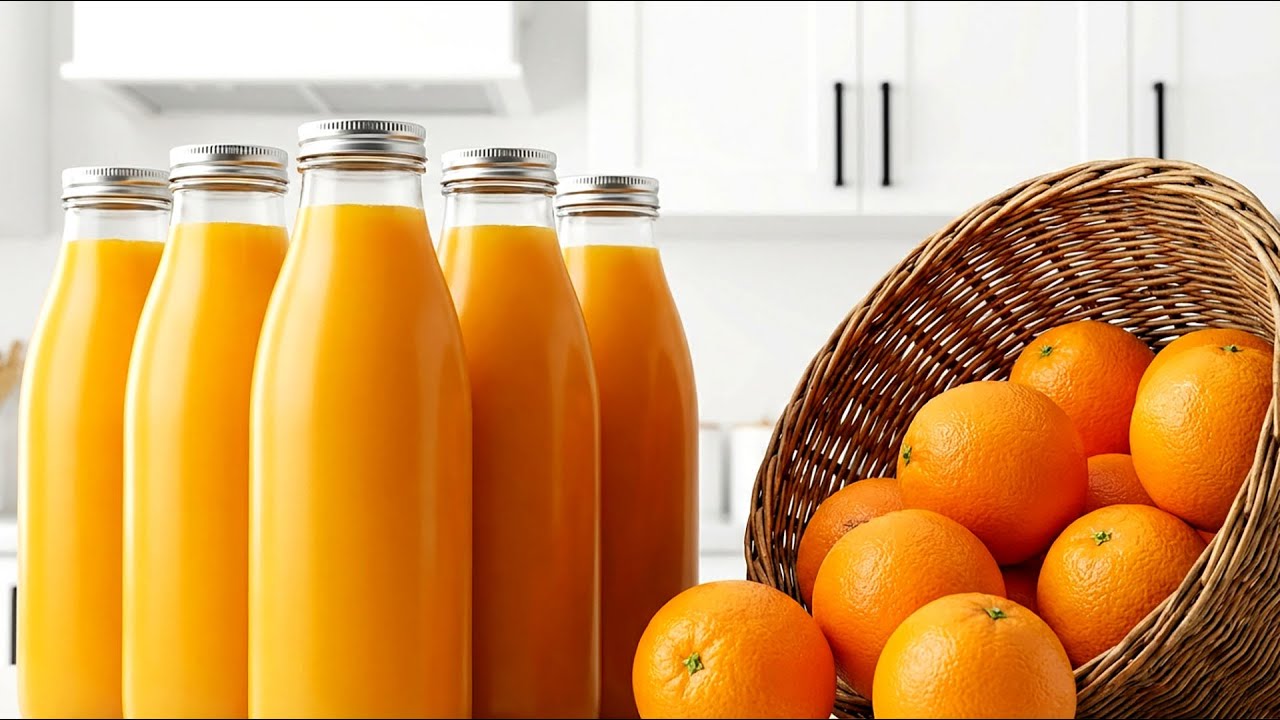
Freshly squeezed orange juice typically lasts for two to three days in the refrigerator when stored in a sealed glass container. Because it lacks preservatives found in store-bought versions, the flavor and Vitamin C content begin to degrade quickly, so it is best consumed within 48 hours for optimal taste.

2
Can I make orange juice ahead of time?
Yes, you can make orange juice ahead of time, but it is best enjoyed fresh. If you must prepare it early, keep it in an airtight container in the coldest part of your fridge. Give it a quick stir or shake before serving, as natural separation will occur over time.
3
What can I substitute for a strainer?
If you do not have a fine-mesh strainer, you can use a clean cheesecloth, a coffee filter, or even a clean thin kitchen towel. Simply pour the blended orange mixture through the fabric and squeeze tightly to extract all the hydrating liquid while leaving the pulp and seeds behind.
4
How do I know when the orange is fully juiced?
When using manual methods like a fork or tongs, the orange is fully juiced when the skin feels light and the internal membranes look dry. If using a blender, you will know it is done when the fruit segments have completely broken down into a consistent, liquid texture.
5
Can I freeze fresh orange juice?
Absolutely! You can freeze fresh orange juice in ice cube trays for a refreshing addition to water or blend them later into smoothies. For larger quantities, use freezer-safe containers, leaving some headspace for expansion. Frozen juice stays good for about four to six months for best quality.