Pineapple Lemon Ginger Juice Recipe: Refreshing & Healthy
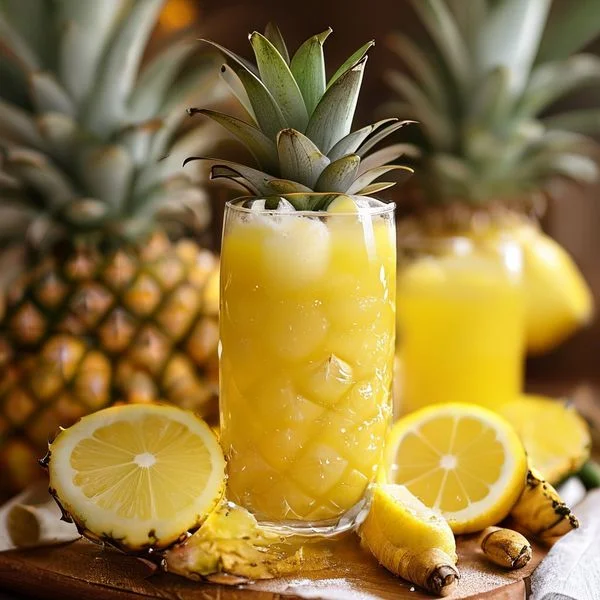
Imagine a drink that captures the essence of a tropical getaway while providing a powerful punch of vitality. This pineapple lemon ginger juice recipe is exactly that—a vibrant, sunshine-yellow elixir that balances the intense sweetness of ripe pineapple with the sharp, zesty tang of fresh lemons and the warm, spicy kick of ginger root. It is incredibly refreshing, making it the perfect companion for a hot afternoon or a slow morning when you need a natural energy boost. This drink is special because it is not just delicious; it is also deeply hydrating and packed with anti-inflammatory properties. Anyone looking for a healthy alternative to sugary sodas will absolutely love this clean, invigorating beverage.
- ⏱️ Prep Time: 10 minutes
- 🍳 Cook Time: 0 minutes
- 👥 Servings: 2 servings
- 📊 Difficulty: Easy
Ingredients
- • 2 cups fresh pineapple, peeled, cored, and cubed
- • 2 large lemons, juiced (about 1/4 cup of fresh juice)
- • 2-inch piece of fresh ginger root, peeled and roughly chopped
- • 1 cup filtered water or chilled coconut water
- • 1 tablespoon honey or pure maple syrup (optional, to taste)
- • 1 cup ice cubes for serving
- • Fresh mint leaves or lemon wheels for garnish
Step-by-Step Instructions
Step 1: Selecting and Preparing the Pineapple. Begin by choosing a perfectly ripe pineapple for the best flavor. You can tell it is ready when the base smells sweet and the skin has a golden hue. Place the pineapple on a stable cutting board and slice off the top leafy crown and the bottom base. Stand it upright and carefully shave off the outer skin, following the curve of the fruit. Be sure to remove any brown “eyes” left behind. Slice the fruit away from the fibrous core, then chop the flesh into one-inch chunks. If you want a more frozen, slushy-like consistency later, you can use frozen pineapple chunks instead of fresh ones.
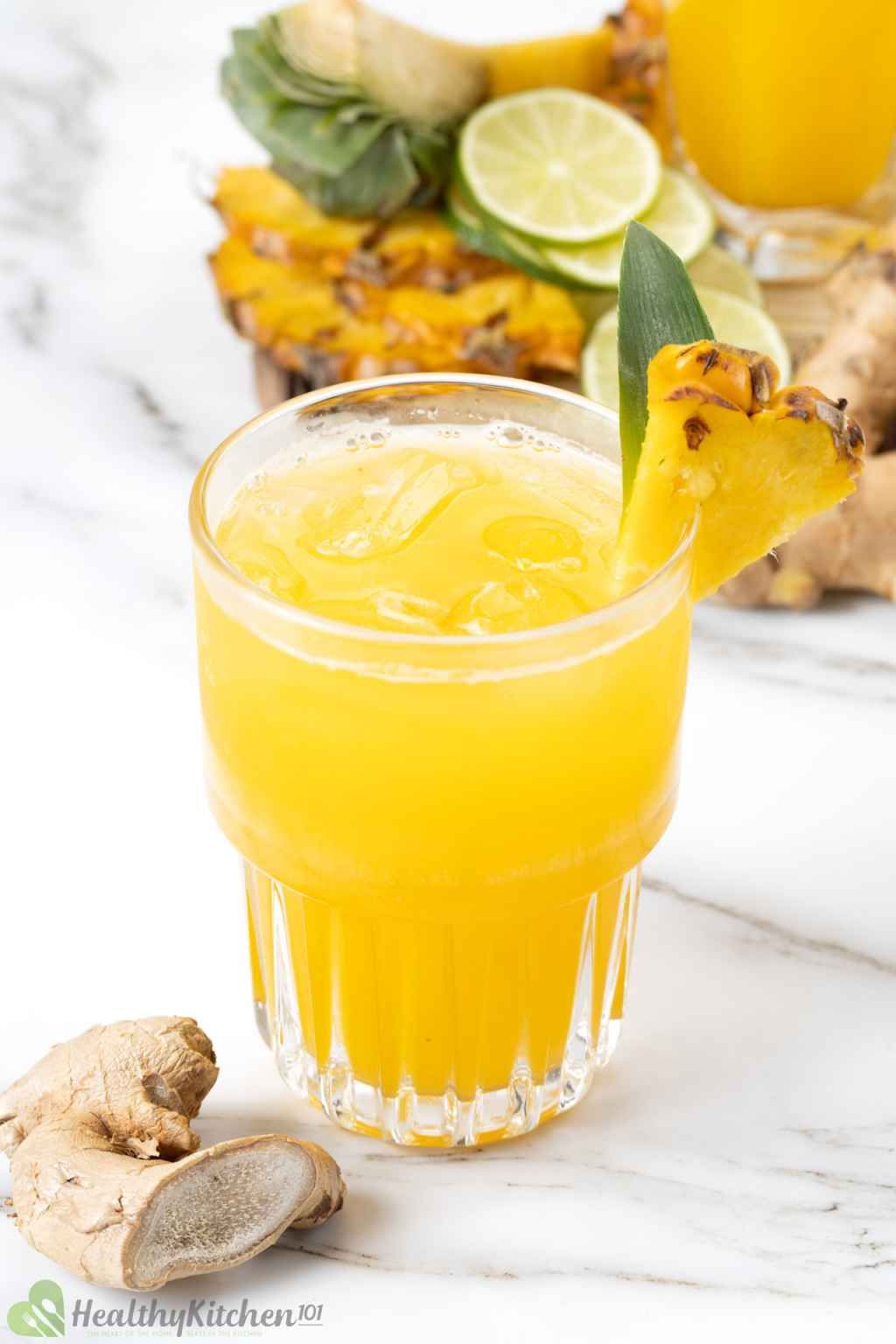
Step 2: Preparing the Ginger Root. Fresh ginger provides a spicy depth that dried ginger simply cannot match. Take a piece about two inches long and use the edge of a small spoon to gently scrape away the thin skin. This method is much safer and more efficient than using a knife, as it preserves the juice-rich ginger flesh just beneath the surface. Once peeled, roughly chop the ginger into small discs. This helps your blender process the tough fibers more easily, ensuring a smoother final product that is not overly stringy.
Step 3: Juicing the Lemons. To get the most juice out of your lemons, roll them firmly against your kitchen counter with the palm of your hand for a few seconds before cutting. This breaks the internal membranes and releases more liquid. Slice the lemons in half and squeeze them through a fine-mesh strainer into a small bowl to catch any stray seeds. You want about a quarter cup of fresh juice to provide that essential acidic balance to the sweet pineapple and the heat from the ginger.
Step 4: Loading the Blender. It is time to bring all these vibrant flavors together. Add your chopped pineapple chunks, the ginger pieces, and the fresh lemon juice into the canister of your high-speed blender. Pour in one cup of cold filtered water or coconut water for extra electrolytes. If you have decided to use a sweetener like honey or maple syrup, add it now. If your blender is powerful enough, you can also add a small handful of ice at this stage to make the drink extra chilled from the start.
Step 5: The Blending Process. Secure the lid tightly and start your blender on the lowest speed setting to break down the larger fruit pieces. Gradually increase the speed to high. Let the machine run for at least sixty to ninety seconds. You want to ensure the ginger is completely pulverized so that its flavor permeates every drop of the liquid. The mixture should look bright, frothy, and completely uniform in color when finished.
Step 6: Straining for a Silky Texture. While some people enjoy the fiber of a whole-fruit juice, most prefer a clear, crisp beverage. Set a fine-mesh sieve or a nut milk bag over a large pitcher. Slowly pour the blender contents through the filter. Use the back of a spoon to press against the pulp, extracting every last bit of the potent pineapple lemon ginger juice. Discard the leftover pulp or save it for a smoothie later in the day.
Step 7: Final Chilling and Serving. This juice is best served immediately while it is at its freshest. Fill two tall glasses with fresh ice cubes. Pour the strained juice over the ice, watching the vibrant yellow liquid swirl around. If the juice feels too concentrated for your palate, you can top it off with a splash of sparkling water for a bit of effervescence and added hydration.
Step 8: The Finishing Garnish. To elevate the presentation and make it feel like a restaurant-quality drink, add a beautiful garnish to each glass. A thin slice of lemon on the rim, a wedge of fresh pineapple, or a sprig of mint adds a professional touch. The aroma of the fresh herbs will enhance the drinking experience, making it feel like a true spa-inspired treat for your senses.
To maximize the health benefits, leave the skin on the ginger if it is organic, as it contains extra nutrients. If you find the ginger too spicy, start with a one-inch piece and taste before adding more. For a truly professional look, dip the rim of your glasses in a mixture of salt and sugar before pouring the juice.

Variations & Substitutions
This pineapple lemon ginger juice recipe is incredibly versatile and can be adapted to suit any dietary preference. For a vegan-friendly version, ensure you use maple syrup or agave nectar instead of honey. If you want to increase the anti-inflammatory power of the drink, consider adding half a teaspoon of ground turmeric or a small knob of fresh turmeric root into the blender. For those who want more hydration, substituting the water for cucumber juice creates an even more refreshing profile. If you prefer a bit of a herbal undertone, blend in a few leaves of fresh basil or cilantro. You can also turn this into a frozen treat by blending the ingredients with two cups of ice until it reaches a slushy consistency, perfect for the hottest summer days.
Storage & Make Ahead
While this juice is best enjoyed immediately after preparation to benefit from the live enzymes and fresh flavor, you can store it for later. Pour any leftovers into an airtight glass jar or bottle and keep it in the refrigerator for up to 24 to 48 hours. Because this is a natural product, separation is normal; simply give the bottle a vigorous shake before pouring it over fresh ice. For a convenient make-ahead option, you can freeze the juice in silicone ice cube trays. Once frozen, transfer the cubes to a freezer bag. When you are ready for a refreshing drink, just pop a few cubes into a glass of water or blend them for an instant chilled beverage.
- Calories: 110 kcal
- Total Carbohydrates: 28g
- Dietary Fiber: 3g
- Sugars: 19g
- Vitamin C: 95% DV
- Manganese: 65% DV
❓ Frequently Asked Questions
1
How long does pineapple lemon ginger juice last in fridge?
This fresh juice is best consumed immediately to enjoy the maximum nutritional benefits and flavor. However, you can store it in an airtight glass container in the refrigerator for up to 48 hours. Shake well before serving as natural separation will occur during storage.
2
Can I make this juice ahead of time?
Yes, you can prepare this juice up to a day in advance. To keep it tasting fresh, store it in a sealed mason jar and keep it chilled. For the best experience, add the ice and any garnishes just before you are ready to drink it.
3
What can I substitute for fresh ginger?
If you do not have fresh ginger, you can use ground ginger powder, though the flavor will be less vibrant. Use about one-quarter teaspoon of ground ginger for every tablespoon of fresh ginger. Alternatively, a small amount of ginger paste from a tube works in a pinch.
4
How do I know when the juice is done?
The juice is ready when the pineapple and ginger are completely pulverized and the liquid looks uniform. If you prefer a thinner consistency, it is done once you have strained it through a nut milk bag or fine sieve to remove all the fibrous fruit pulp.
5
Can I freeze this juice?
You can definitely freeze this juice! Pour the mixture into ice cube trays to make flavorful additions to future smoothies or water. Alternatively, freeze it in a freezer-safe container for up to three months, leaving space at the top for the liquid to expand.