What is Cane Juice? The Ultimate Guide
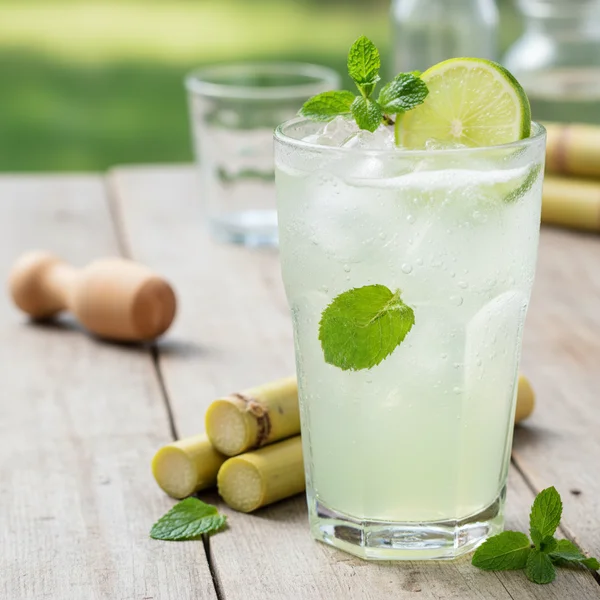
Cane juice, or sugarcane juice, is the raw, unrefined liquid extracted from the pressed stalks of the sugarcane plant. It is a naturally sweet, refreshing beverage widely consumed across tropical regions like Southeast Asia, South Asia, and Latin America. Unlike refined sugar, it retains its natural vitamins, minerals, and antioxidants. Typically served chilled with a hint of lime or ginger, it provides an immediate energy boost and is prized for its hydrating properties and unique, grassy-sweet flavor profile.
Understanding the Essence of Cane Juice
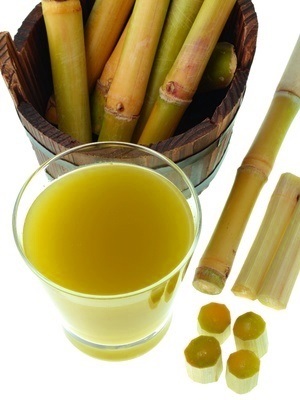
To truly understand what cane juice is, one must look past the simple sweetness. It is the lifeblood of the Saccharum officinarum, a tall, perennial grass that thrives in tropical and subtropical climates. When the thick, fibrous stalks are harvested and crushed under high pressure—traditionally between heavy metal rollers—they release a murky, greenish-gold liquid. This liquid is the purest form of sugar before it undergoes any industrial processing, bleaching, or crystallization.
The Composition of the Liquid
While many associate “sugar” with empty calories, raw cane juice is surprisingly complex. It consists primarily of water (about 70-75%), sucrose (13-15%), and fiber. However, because it is unrefined, it also contains a wealth of organic compounds. This includes phytonutrients, antioxidants like phenolic compounds, and essential minerals such as potassium, magnesium, calcium, and iron. These elements give the juice its characteristic depth of flavor, which is often described as having notes of vanilla, honey, and fresh-cut grass.
The Cultural Context of the Beverage
In many parts of the world, cane juice is more than just a drink; it is a cultural staple found at every street corner. In India, it is known as “ganne ka ras,” often flavored with black salt and mint. In Vietnam, it is “nước mía,” typically balanced with the juice of a small citrus fruit called calamansi. In Brazil, “caldo de cana” is a favorite accompaniment to fried snacks. Its popularity stems from its accessibility and its status as a natural “energy drink” that provides a quick glucose spike to laborers and commuters in sweltering climates.
The Role of Hydration and Energy
Because it is rich in electrolytes and simple carbohydrates, cane juice is exceptionally hydrating. It replenishes the body’s glycogen stores rapidly, making it a preferred post-workout drink in its native regions. When served over crushed ice, it acts as a powerful coolant, helping to regulate body temperature during the heat of the day.
How to Prepare Cane Juice at Home Using a Blender
Most commercial cane juice is extracted using heavy-duty pressing machines because the stalks are incredibly tough and fibrous. However, you can achieve a similar result at home using a high-powered blender if you have access to fresh sugarcane stalks.
Step 1: Selecting and Cleaning the Stalks
Begin by purchasing fresh sugarcane stalks, often found in Asian or Latin American grocery stores. Look for stalks that are heavy for their size and free from mold or excessive drying. Use a sharp knife or a cleaver to peel away the hard, outer green skin. You want to reach the pale, fibrous inner core.
Step 2: Cutting into Manageable Pieces
The sugarcane fiber is very tough and can easily damage blender blades. To avoid this, chop the peeled core into very small, half-inch cubes or thin splinters. The smaller the pieces, the easier it will be for your machine to extract the liquid without overheating.
Step 3: The Blending Process
Place the sugarcane pieces into the blender. Add a small amount of filtered water—just enough to help the blades move. Pulse the mixture several times to break down the fibers before running the blender on a high setting for about 60 seconds. You are looking for a pulpy, fibrous mash.
Step 4: Straining the Extract
Once blended, pour the mixture through a fine-mesh strainer or, better yet, a nut milk bag or cheesecloth. Squeeze the pulp firmly to extract every drop of the sweet nectar. The resulting liquid will be slightly cloudy and greenish; this is perfectly normal.
Step 5: Flavoring and Serving
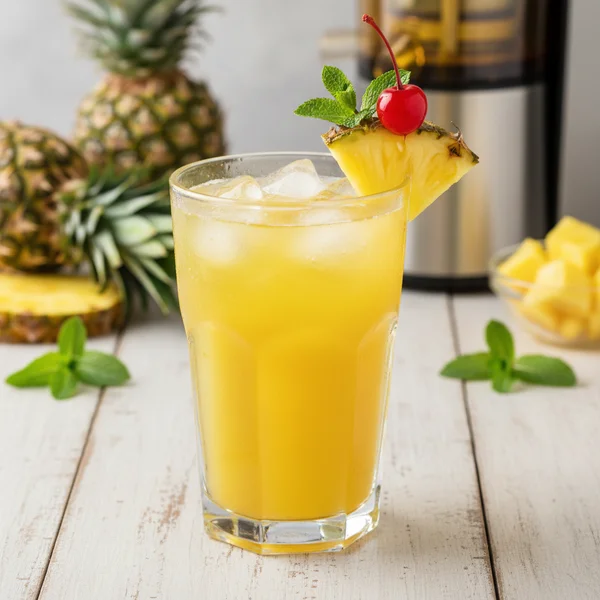
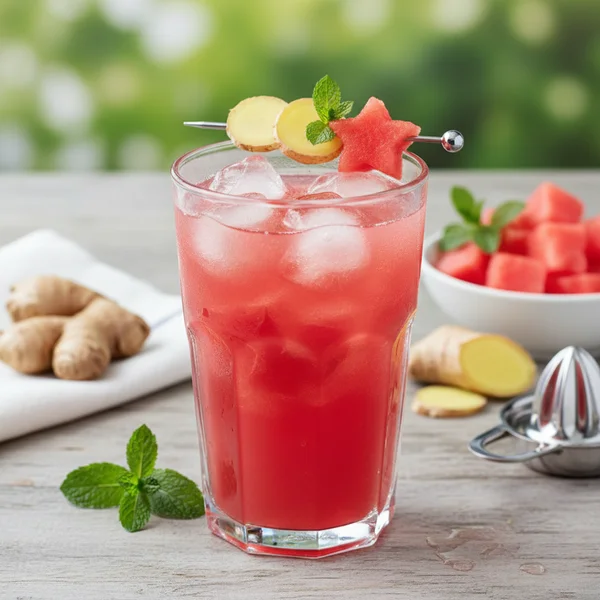
To elevate the drink, add a squeeze of fresh lime juice or a small piece of ginger during the blending process. Serve the juice immediately in a glass filled with ice. If you want a more decadent experience, you can even use frozen fruit chunks like pineapple or mango as a garnish to keep the drink chilled without diluting the sugar content.
Important Considerations and Best Practices
While cane juice is a natural and delicious beverage, there are several practical and health-related factors to keep in mind to ensure the best experience.
The Challenge of Oxidation
One of the most critical things to know about cane juice is that it oxidizes very rapidly. Almost as soon as the liquid leaves the stalk and hits the air, enzymes begin to turn the juice dark brown or black. This not only changes the aesthetic but can also slightly alter the flavor, making it taste more earthy and less fresh. To prevent this, always add an acidic component like lemon or lime juice immediately after extraction. The Vitamin C (ascorbic acid) acts as a natural antioxidant, keeping the juice bright and green.
Hygiene and Safety
When purchasing cane juice from street vendors, hygiene is a paramount concern. The stalks should be thoroughly washed before pressing, and the machine should be cleaned regularly to prevent fermentation and bacterial growth. If you are making it at home, ensure your blender and straining cloths are sterilized. Because of its high sugar content, the juice is a prime breeding ground for microbes if left at room temperature. Always store any leftover juice in the refrigerator and consume it within 24 hours.
Glycemic Impact
Although cane juice contains minerals that refined sugar lacks, it is still very high in sucrose. While it has a lower glycemic index than white sugar—because the natural salts and fibers slow down the absorption—it should still be consumed in moderation, especially by individuals with diabetes or those monitoring their blood sugar levels.
- Stay Chilled: For the best flavor, always serve cane juice over plenty of ice. The cold temperature masks any overly “grassy” notes and enhances the refreshing sweetness.
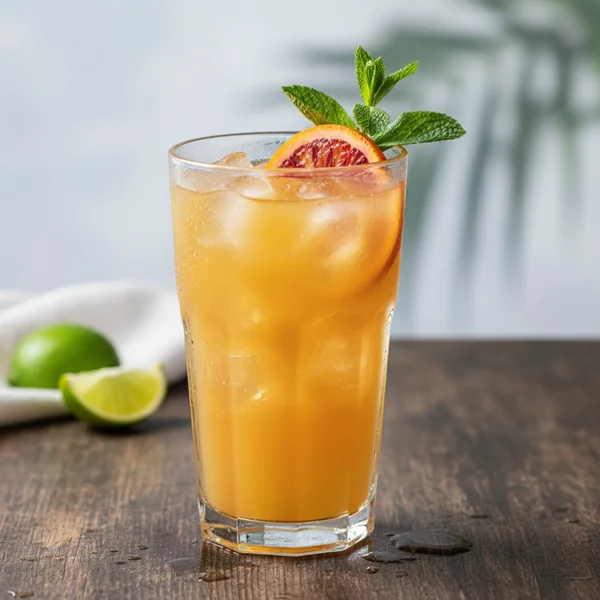
- Creative Garnish: Use a sprig of fresh mint or a stalk of lemongrass as a garnish to add an aromatic layer to the drink.
- Freeze for Later: If you have extra juice, pour it into frozen ice cube trays. You can pop these “cane cubes” into other fruit juices or smoothies later for a natural sweetener.
- Citrus Balance: Always include a citrus element. The acidity of lime or calamansi is essential to balance the intense sweetness of the raw cane.
Nutritional Benefits of Raw Cane Juice
Cane juice is often touted in traditional medicine systems, such as Ayurveda, for its healing properties. Beyond being hydrating, it is known to support liver function. In many cultures, it is prescribed as a remedy for jaundice because it helps provide the body with the necessary glucose for a speedy recovery while being easy on the digestive system.
The presence of flavonoids and phenolic compounds means that cane juice has significant antioxidant properties. These compounds help the body fight oxidative stress and inflammation. Furthermore, because it is an alkaline-forming food, it can help maintain the body’s pH balance and combat acidity in the stomach. While it is not a “superfood” in the sense that it should replace whole fruits and vegetables, it is certainly a superior alternative to sodas and processed energy drinks.
Serving Variations and Global Flavors
Part of the charm of cane juice is its versatility. While it is excellent on its own, it serves as a perfect base for various mocktails and infusions.
The Spicy Kick
In many South Asian preparations, a pinch of black salt (kala namak) and roasted cumin powder is stirred into the chilled juice. This creates a sweet-and-savory profile that is incredibly effective at quenching thirst and aiding digestion after a heavy meal.
The Tropical Fusion
In Brazil and the Caribbean, cane juice is sometimes blended with passion fruit pulp or pineapple juice. The tartness of the tropical fruits cuts through the sugar, creating a complex, layered beverage. You can even blend frozen coconut water with cane juice in a blender to create a slushy, ultra-hydrating treat that is perfect for a summer afternoon.
The Modern Twist
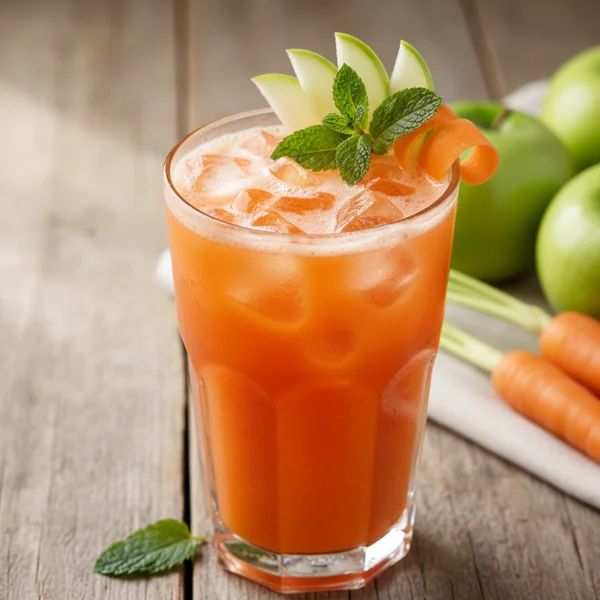
Contemporary cafes are now experimenting with cane juice by infusing it with botanicals like hibiscus or lavender. By adding these floral notes and serving the drink in a tall glass with a sophisticated garnish, cane juice is being elevated from a humble street drink to a gourmet beverage.
Conclusion
Cane juice is a remarkable, natural beverage that captures the pure sweetness of the earth. From its role as a refreshing street-side staple to its potential as a hydrating home-blended treat, it offers a unique combination of energy, nutrition, and cultural history. Whether you are enjoying it chilled over ice on a hot day or experimenting with different garnish options to create a signature mocktail, the key is to enjoy it fresh. By understanding how to handle its rapid oxidation and appreciating its mineral-rich profile, you can make the most of this ancient tropical nectar.
❓ Frequently Asked Questions
1
How long does cane juice last in fridge?
Cane juice is best consumed fresh within 15 to 30 minutes of extraction to prevent oxidation. If you must store it, keep it in an airtight container in the refrigerator for up to 24 hours. Adding a splash of lime juice helps preserve the color and flavor slightly longer.
2
Can I make cane juice ahead of time?
It is not recommended to make cane juice far in advance because it ferments and oxidizes quickly at room temperature. For the best flavor and nutritional value, prepare it just before serving. If necessary, you can prep the sugarcane stalks by peeling and dicing them a day early.
3
What can I substitute for fresh sugarcane?
If fresh sugarcane is unavailable, you can use canned sugarcane or pure evaporated cane juice crystals dissolved in water. However, the flavor will be significantly different from the fresh, grassy, and floral notes of raw stalks. For a similar refreshing profile, coconut water is a great hydrating alternative.
4
How do I know when cane juice is done?
When making it in a blender, the juice is done once the stalks are completely pulverized and the liquid turns an opaque, light green or tan color. After straining, the liquid should be smooth and free of any woody fibers. It should taste sweet with a hint of natural earthiness.
5
Can I freeze cane juice?
Yes, you can freeze cane juice for up to three months. Pour the fresh juice into ice cube trays or freezer-safe containers, leaving room for expansion. While it may lose some of its vibrant fresh flavor, frozen cane juice cubes are excellent for adding to other refreshing summer beverages.