Can You Compost Pineapple? Complete Guide
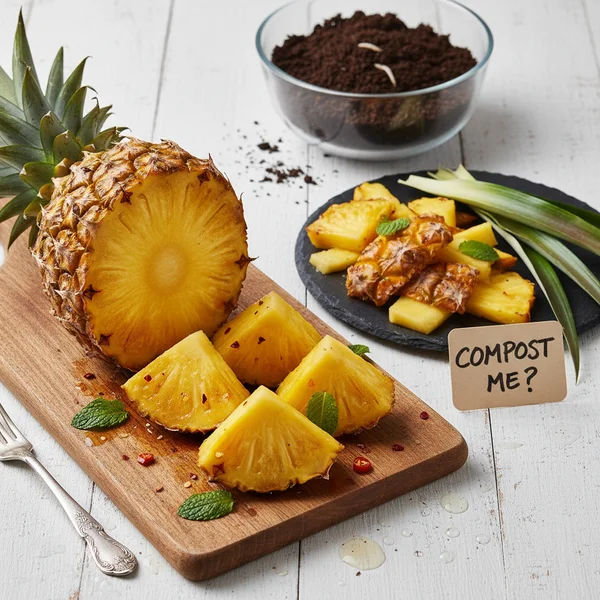
Yes, you can absolutely compost pineapple! Every part of the pineapple, including the skin (rind), the tough core, the sweet flesh, and even the leafy green crown, is biodegradable and serves as an excellent source of nitrogen for your compost pile. Because pineapple is organic matter, it breaks down into nutrient-rich humus that improves soil structure and provides essential minerals like potassium and phosphorus to your garden plants.
Understanding the Science of Composting Pineapple
When people ask, “Can you compost pineapple?” they are often concerned about two things: the high acidity and the tough, leathery texture of the skin. However, in a standard backyard compost pile, these factors are easily managed. Pineapple is classified as a “green” material in composting terms, meaning it is rich in nitrogen. Nitrogen is the primary fuel for the thermophilic bacteria that drive the decomposition process.
The acidity of a pineapple is primarily due to its citric acid content. While it is true that very acidic environments can slow down some microbial activity, the buffering capacity of a healthy compost pile usually neutralizes this quickly. As the pineapple decomposes, the acid breaks down, and the final compost product typically has a neutral pH that is safe for all types of plants.
One of the unique benefits of adding pineapple to your compost is the presence of bromelain. Bromelain is a powerful enzyme found in both the fruit and the stem of the pineapple. This enzyme is highly effective at breaking down proteins. When added to your compost pile, bromelain can actually help accelerate the decomposition of other organic materials, acting as a natural catalyst. Furthermore, pineapples are rich in sugars, which provide high-energy “calories” for the microbial life in your soil, ensuring a vibrant and active decomposition environment.
The “Recipe” for Perfect Pineapple Compost
Think of your compost pile like a culinary project. Just as a kitchen recipe requires a balance of ingredients and specific instructions to yield a delicious result, a compost pile requires a balance of “greens” and “browns” to produce high-quality soil. When you are ready to dispose of your pineapple scraps, you should view them as one of the most nutrient-dense components of your soil mixture.
To create the best compost, follow these metaphorical “cooking” parameters:
- Prep Time: 5 to 10 minutes. This involves chopping the thick rinds and cores into smaller pieces to increase the surface area for bacteria.
- Cooking Time: 6 to 12 months. This is the duration required for the pineapple to fully transform into usable soil, depending on the heat of your pile.
- Servings: This depends on the size of your bin, but a good rule of thumb is to maintain a ratio of two parts “brown” (carbon) to one part “green” (nitrogen/pineapple).
- Ingredients: Pineapple skins, cores, crowns, and any leftover fruit scraps, mixed with dry leaves, straw, or shredded cardboard.
In this biological “kitchen,” the pineapple provides the energy and nutrients. The “calories” found in the natural sugars of the fruit fuel the heat generation of the pile. When the internal temperature of the compost rises, it effectively “cooks” the organic matter, killing off weed seeds and pathogens while transforming tough fibers into soft, earthy humus.
How to Compost Pineapple: A Step-by-Step Guide
Composting pineapple is not difficult, but because the skin is quite durable, a little extra effort goes a long way. If you simply throw a whole pineapple into a pile, it may take years to disappear. Follow these steps to ensure rapid and efficient decomposition.
1. Prepare the Crown: The leafy top of the pineapple is very hardy. You can either compost it or try to grow a new plant from it. If composting, use a sharp garden knife to cut the crown into four or more vertical strips. This exposes the soft inner core to microbes immediately.
2. Chop the Rind and Core: The “prep time” spent here is crucial. Use a kitchen knife to dice the pineapple skin and the fibrous core into pieces no larger than one or two inches. Smaller pieces decompose significantly faster than large slabs of rind.
3. Balance the Acidity: Since pineapple is a “green” ingredient and somewhat acidic, you must balance it with “brown” materials. For every handful of pineapple scraps you add, add two handfuls of carbon-rich materials like dried leaves or sawdust. This prevents the pile from becoming too wet or smelly.
4. Bury the Scraps: Pineapple is high in sugar, which can attract fruit flies, wasps, or rodents. To prevent this, dig a small hole in the center of your compost pile, drop the pineapple pieces in, and cover them with at least six inches of existing compost or brown matter.
5. Aeration: Every few days, turn your compost pile with a pitchfork. This introduces oxygen, which is necessary for the aerobic bacteria to “digest” the pineapple. Without oxygen, the pile could turn anaerobic and produce a sour odor.
Important Considerations and Best Practices
While composting pineapple is generally straightforward, there are a few specific scenarios where you should exercise caution.
Vermicomposting (Worm Bins)
If you use a worm bin, you must be careful with pineapple. Red wigglers have sensitive skin, and the high acidity and bromelain levels in fresh pineapple can be irritating or even fatal to them in large quantities. If you want to feed pineapple to your worms, do so in very small servings and ensure it is mixed with plenty of bedding like shredded paper. It is often safer to pre-compost pineapple in a separate bin for a few weeks before introducing it to a worm farm.
Pest Management
Because of the high sugar content and the tropical aroma, pineapple can be a magnet for local wildlife. If you live in an area with raccoons, bears, or rats, it is highly recommended to use a closed-bin system or a compost tumbler. A sealed container will trap the scent and prevent pests from treating your compost pile as an all-you-can-eat buffet.
The “Slow” Parts
The leaves of the pineapple crown are coated in a waxy substance called a cuticle. This wax is designed by nature to prevent water loss and resist decay. Consequently, even if you chop them up, the leaves will likely be the last part of the pineapple to disappear. Do not be surprised if you see small bits of leaf fiber in your finished compost; they will continue to break down in the garden soil without any negative effects.
- Freeze your pineapple scraps before adding them to the pile; the freezing and thawing process breaks down cell walls, speeding up decomposition.
- If your compost pile smells like vinegar after adding pineapple, add more “brown” ingredients like straw to soak up excess moisture and balance the pH.
- Avoid composting pineapple that has been cooked with heavy oils, sugars, or spices, as these can disrupt the microbial balance.
- Always remove the small plastic stickers found on the skin of store-bought pineapples before composting, as these are not biodegradable.
Conclusion
In summary, you should never feel the need to toss pineapple scraps into the trash. Whether you are dealing with the tough skin, the fibrous core, or the leafy crown, every part of this tropical fruit can be recycled into your garden. By following a simple recipe of balancing your ingredients and putting in a little prep time to chop the fruit, you can turn these scraps into a nutrient-dense amendment for your soil. Not only does this reduce kitchen waste, but it also provides the essential “calories” and enzymes your garden needs to thrive. Simply remember to balance the acidity with carbon-rich materials, and you will have high-quality compost ready for your next planting season.
❓ Frequently Asked Questions
1
How long does pineapple take to compost?
Pineapple scraps typically take several months to break down. While the flesh decomposes quickly, the tough skin and core need more time. Your total decomposition time depends on how small you chop the pieces and the internal temperature of your backyard compost pile or bin.
2
Can I compost the pineapple leaves and crown?
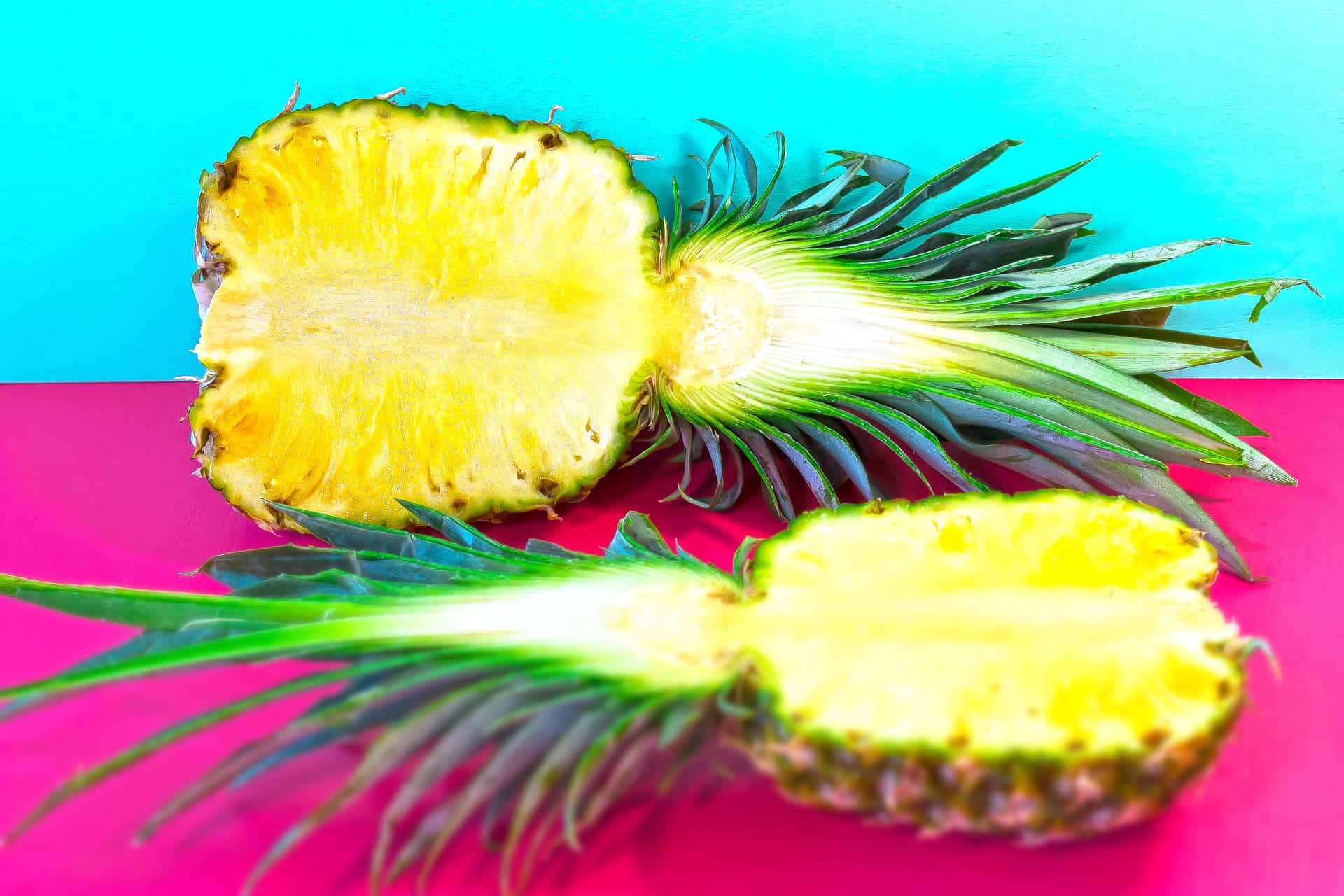
Yes, the crown and leaves are compostable but very hardy. To help them rot faster, pull the leaves apart and chop them into bits. Without this prep time, the crown can stay intact for over a year because of its high cellulose and fiber content.
3
Does the acidity of pineapple hurt the compost?
While pineapple is acidic, it won’t ruin your compost recipe if used in moderation. Microorganisms are excellent at neutralizing pH levels as materials break down. Just ensure you are mixing the ‘green’ pineapple scraps with enough ‘brown’ materials to maintain a healthy, aerobic environment.
4
Can I put pineapple in a worm bin?
You can, but use caution with vermicomposting. Pineapple contains bromelain and high acidity which can irritate worms. If adding to a worm bin, use small amounts and monitor the reaction. This isn’t the best recipe for a small worm farm compared to a traditional heap.
5
Will pineapple attract pests to my garden?
Like any sweet fruit, pineapple can attract rodents or fruit flies if left on the surface. To prevent this, follow the instructions to bury the fruit deep in the center of the pile. Covering the scraps with a layer of soil or dried leaves effectively masks the scent.