How to Make Your Own Coconut Water: Easy Homemade Guide
Imagine yourself lounging on a sun-drenched beach with the sound of rhythmic waves gently crashing against the shore. There is no refreshment quite as iconic or revitalizing as a cold, fresh coconut. While store-bought cartons are convenient, they often lose that delicate, nutty sweetness and vital enzymes during the pasteurization process. Learning how to make your own coconut water at home allows you to enjoy the purest form of hydration, packed with electrolytes and natural flavor. This recipe is perfect for post-workout recovery, tropical-themed summer parties, or simply as a guilt-free treat for your family. Anyone looking for a healthy, whole-food alternative to sugary sports drinks will absolutely love the crisp, clean taste of a freshly opened young coconut.
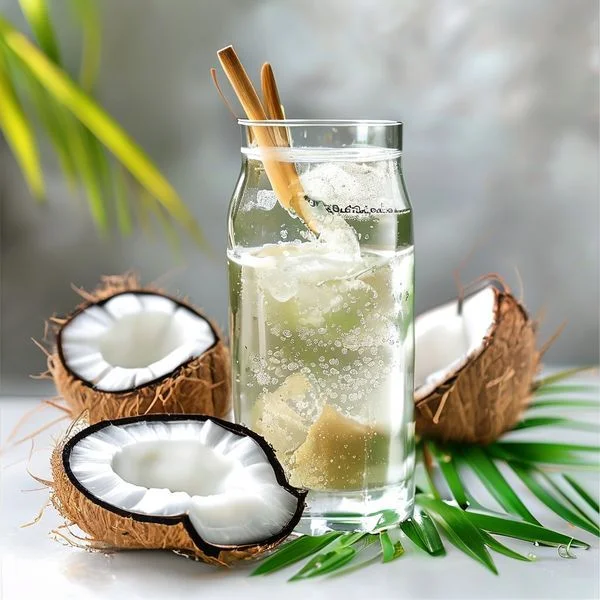
- ⏱️ Prep Time: 10 minutes
- 🍳 Cook Time: 0 minutes
- 👥 Servings: 1 serving
- 📊 Difficulty: Easy
Ingredients for Fresh Coconut Water
To master this recipe, you only need a few simple components and the right tools. Ensure your ingredients are as fresh as possible for the best flavor profile.
- 1 Large Young Green Coconut (often sold with the green skin shaved down to a white, pointed husk)
- 1 Cup of Ice Cubes (optional, for serving)
- A squeeze of fresh Lime Juice (optional, to enhance brightness)
- A pinch of Himalayan Pink Salt (optional, for extra electrolyte boost)
Step-by-Step Instructions
Following these detailed instructions will ensure you safely and effectively extract every drop of liquid from your fruit. While it may seem intimidating at first, the process is quite simple once you understand the anatomy of the coconut.
Step 1: Selecting the Right Coconut
The success of this recipe begins at the grocery store. Look for “young” coconuts, which are typically heavy for their size and have a white, bell-shaped outer husk. Avoid any that have soft spots, mold, or look overly yellowed. When you shake the coconut, you should hear the liquid sloshing around inside. A heavy coconut usually indicates it is full of water and has a thin layer of sweet jelly-like meat.
Step 2: Preparing Your Workspace
Safety is paramount when learning how to make your own coconut water. Place a damp kitchen towel underneath a sturdy wooden cutting board to prevent it from slipping. Have a clean glass or a pitcher ready nearby, along with a fine-mesh strainer to catch any stray bits of husk or shell that might fall during the opening process.
Step 3: Shaving the Top
Using a heavy chef’s knife or a cleaver, begin by shaving away the white, fibrous husk at the pointed top of the coconut. Work in a circular motion, cutting away thin layers at a 45-degree angle. As you remove the white pith, you will eventually reveal the hard, brownish-tan inner shell. Be careful to keep your fingers well away from the blade during this rhythmic shaving process.
Step 4: Locating the Soft Spots
Once the hard shell is exposed, you will notice three distinct circular indentations, often referred to as the “eyes.” One of these eyes is significantly softer than the others. You can test them by pressing firmly with your thumb or the tip of a dull knife. Locating this “soft eye” is the secret to an easy extraction without needing heavy power tools.
Step 5: Puncturing the Shell
Take a clean metal skewer, a Phillips-head screwdriver (sanitized), or a dedicated coconut opening tool and press it firmly into the softest eye. You should feel it give way and pop through the shell into the hollow center. If the eye is stubborn, you can gently tap the end of your tool with a kitchen mallet. Rotate the tool to widen the hole to about half an inch in diameter.
Step 6: Creating an Air Vent
To ensure the water flows out smoothly without “glugging” or splashing, it is helpful to puncture a second eye. This creates an air vent that allows the liquid to pour in a steady stream. Repeat the puncture process on the second softest indentation.
Step 7: Draining and Straining
Invert the coconut over your prepared glass or pitcher. Let the clear liquid flow through the fine-mesh strainer. This step is crucial because it removes any small fragments of the woody shell, ensuring your drink is perfectly smooth. Allow the coconut to sit upside down for at least 60 seconds to ensure you have collected every drop of the precious liquid.
Step 8: Extracting the Meat (The Bonus Step)
After you have finished the primary instructions for the water, don’t throw the shell away! Use the back of your heavy knife to whack the center of the shell until it cracks open. Use a spoon to scrape out the soft, translucent coconut meat. This “jelly” is a delicious snack or a great addition to your drink.
To get the coldest, most refreshing taste, chill your coconut in the back of the refrigerator for at least 4 hours before opening. If you find the flavor too “earthy,” a tiny pinch of sea salt and a drop of honey can balance the minerals and highlight the natural sugars. Always use a sharp knife, as a dull blade is more likely to slip on the fibrous husk.

Variations & Substitutions
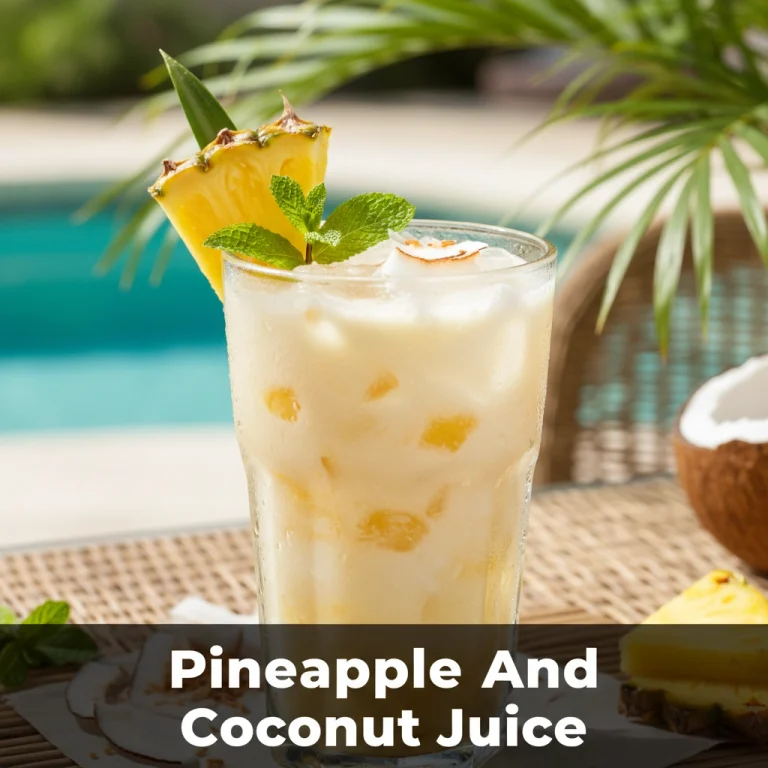
While the standard recipe is perfection on its own, you can easily modify this drink to suit your palate or dietary needs. For a “Sparkling Coconut” variation, mix your fresh water with equal parts chilled club soda and a sprig of crushed mint. If you prefer a creamy texture, blend the extracted coconut water with the soft inner meat and a handful of frozen pineapple for a natural, dairy-free Virgin Piña Colada. For those watching their sugar intake, adding a splash of fresh lemon juice can cut through the sweetness. If you cannot find fresh young coconuts, you can substitute this process by using mature brown coconuts, though the water will be less sweet and more fermented in flavor.
Storage & Make Ahead
Fresh coconut water is a raw product and should be consumed as soon as possible to enjoy the maximum nutritional benefits. However, if you have leftovers, store them in a glass airtight container in the refrigerator for no more than 24 to 48 hours. You may notice the water turning a slight pinkish hue; this is a natural enzymatic reaction and is generally safe, though it indicates the water is aging. For a long-term make-ahead tip, pour the fresh water into silicone ice cube trays and freeze them. These coconut ice cubes are perfect for adding to smoothies or iced coffee without diluting the flavor.
- Calories: 45 kcal
- Potassium: 600 mg
- Total Carbohydrates: 10g
- Sugars: 6g
- Sodium: 25mg
*Nutritional values are estimates based on a standard 8-ounce serving of raw coconut water.
❓ Frequently Asked Questions
1
How long does coconut water last in fridge?
Fresh coconut water should be consumed immediately for the best flavor, but it can be stored in an airtight container in the refrigerator for up to 24-48 hours. After this time, it may begin to ferment or lose its signature sweet, nutty taste and nutritional profile.
2
Can I make coconut water ahead of time?
Yes, you can extract the water a few hours before serving. However, it is highly recommended to keep it chilled in a sealed glass jar. Because it is unpasteurized, the flavor is most vibrant when enjoyed right after the coconut has been opened and the water is extracted.
3
What can I substitute for a young green coconut?
While young green coconuts are best, you can use mature brown coconuts, though they yield less liquid. Alternatively, if you cannot find fresh coconuts, high-quality organic packaged coconut water is the closest substitute, though it lacks the fresh, raw enzymatic benefits of the real thing.
4
How do I know when the coconut water is done?
There is no cooking involved! Your coconut water is ready as soon as you have successfully pierced the coconut and poured the liquid into a glass. If the water smells sour, looks pink, or appears very cloudy, the coconut may be overripe or spoiled.
5
Can I freeze coconut water?
Absolutely. Freezing fresh coconut water is a great way to preserve it. Pour the liquid into ice cube trays or freezer-safe containers, leaving room for expansion. It will last for up to two months and makes a fantastic, hydrating addition to tropical fruit smoothies.