Is Pineapple Good for Constipation? Proven Benefits
Yes, pineapple is an excellent natural remedy for constipation. It is highly effective because it contains a unique combination of dietary fiber, high water content, and a powerful enzyme called bromelain. Fiber adds bulk to the stool, while water keeps it soft and easy to pass. Bromelain specifically aids in breaking down proteins, improving overall digestion and reducing the transit time of waste through the colon. For the best results, consuming fresh pineapple is recommended over canned varieties.
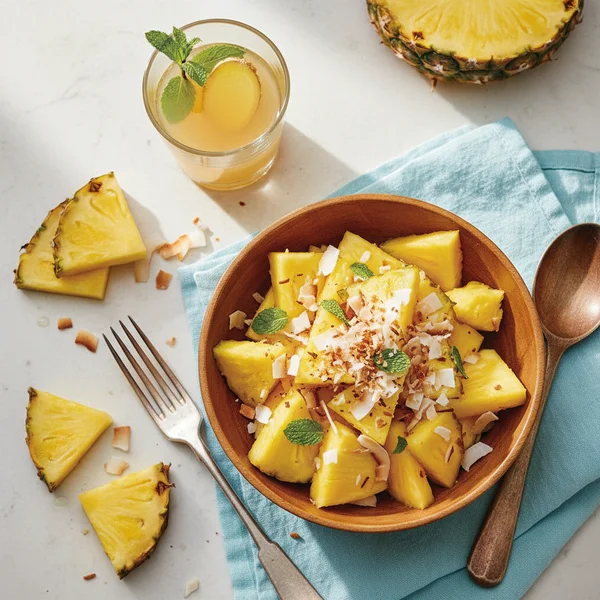
Why Pineapple Works for Constipation Relief
Pineapple is more than just a tropical treat; it is a nutritional powerhouse that targets the root causes of digestive sluggishness. To understand why pineapple is good for constipation, we must look at its three primary components: bromelain, fiber, and hydration levels.
The Role of Bromelain in Digestion
One of the most significant reasons pineapple stands out among other fruits is the presence of bromelain. Bromelain is a mixture of enzymes that digest protein. While most fruits provide fiber, very few offer specific enzymes that assist the chemical breakdown of food. When you consume pineapple, bromelain helps the stomach break down complex proteins into smaller peptides and amino acids. This enzymatic action lightens the load on your small intestine and colon, preventing the “heavy” feeling that often leads to backup and blockage. Furthermore, bromelain has anti-inflammatory properties that can soothe the lining of the digestive tract, making it easier for waste to move through the system.
Fiber Content and Stool Consistency
Pineapple contains both soluble and insoluble fiber. Insoluble fiber is particularly important for those suffering from constipation because it does not dissolve in water. Instead, it adds “bulk” to the stool and acts like a broom, sweeping through the intestines to encourage regular bowel movements. Soluble fiber, on the other hand, turns into a gel-like substance that feeds beneficial gut bacteria. A healthy microbiome is essential for maintaining regular peristalsis—the rhythmic contractions of the intestinal muscles that push food along.
Hydration and Natural Sugars
A common cause of constipation is dehydration. When the body lacks water, the colon absorbs water from food waste, resulting in hard, dry stools that are difficult to pass. Pineapple is approximately 86% water, providing a hydrating boost directly to the digestive tract. Additionally, the natural sugars found in pineapple, such as fructose, can have a mild osmotic effect. This means they help draw water into the large intestine, further softening the stool and triggering the urge to go.
How to Use Pineapple for Better Digestion: The Tropical Fiber Smoothie
While eating raw pineapple chunks is effective, creating a targeted “digestive recipe” can maximize the benefits by combining pineapple with other pro-motility ingredients. Below is a simple, effective recipe designed to stimulate the digestive system and provide a significant dose of daily fiber.
Digestive Boost Pineapple Smoothie Recipe
This recipe focuses on combining the bromelain in pineapple with the healthy fats of chia seeds and the extra fiber of leafy greens to create a comprehensive solution for constipation.
- Prep time: 5 minutes
- Cooking time: 0 minutes
- Servings: 1 large serving
- Calories: Approximately 210 calories
Ingredients
- 1.5 cups fresh pineapple chunks (frozen is also acceptable, but fresh contains more active bromelain)
- 1 cup fresh baby spinach (adds magnesium, which relaxes the intestinal muscles)
- 1 tablespoon chia seeds or ground flaxseeds (adds significant insoluble fiber)
- 1/2 inch fresh ginger root, peeled (stimulates digestive enzymes)
- 1 cup filtered water or coconut water (for extra electrolytes)
- A squeeze of fresh lime juice
Instructions
- Prepare the fruit: If using fresh pineapple, ensure you include some of the core. While the core is tougher, it contains the highest concentration of the enzyme bromelain. Chop it into small pieces to help your blender process it smoothly.
- Load the blender: Place the liquid base (water or coconut water) into the blender first. Add the spinach and ginger. Blend these on high for 30 seconds until the greens are completely liquefied.
- Add the bulk: Add the pineapple chunks and the chia or flaxseeds.
- Final blend: Blend on high until the mixture is creamy and consistent. If the smoothie is too thick, add an extra splash of water.
- Serve immediately: To get the most benefit from the live enzymes, drink the smoothie immediately after preparation.
Important Considerations and Precautions
While pineapple is a safe and natural way to manage constipation, there are several factors to keep in mind to ensure you get the best results without unwanted side effects.
Fresh vs. Canned Pineapple
When using pineapple for its digestive benefits, fresh is always superior to canned. The canning process involves heat pasteurization, which effectively destroys the bromelain enzyme. While canned pineapple still provides fiber and hydration, it lacks the protein-digesting power that makes the fresh fruit so effective for gut health. Furthermore, many canned varieties are packed in heavy syrup, which adds unnecessary refined sugar that can actually disrupt gut bacteria if consumed in excess.
Acidity and Sensitivity
Pineapple is a highly acidic fruit. For individuals with sensitive stomachs, gastroesophageal reflux disease (GERD), or stomach ulcers, consuming large amounts of pineapple may cause heartburn or irritation of the stomach lining. If you are prone to acid reflux, start with small servings (about half a cup) to see how your body reacts before using it as a regular constipation remedy.
The Sugar Factor
Although the sugars in pineapple are natural, they can still impact blood glucose levels. Diabetics should monitor their intake and consider pairing pineapple with a source of protein or healthy fat (like the chia seeds in the recipe above) to slow the absorption of sugar and prevent insulin spikes.
Mouth Irritation
Have you ever noticed a tingling or burning sensation on your tongue after eating pineapple? That is the bromelain at work, literally beginning to break down the proteins in your mouth. While harmless, it can be uncomfortable. To prevent this, you can soak the pineapple in a light saltwater rinse for a few minutes or simply enjoy it as part of a smoothie where the intensity is diluted by other ingredients.
- Eat the Core: Don’t throw away the hard center of the pineapple. It has the highest concentration of bromelain. Simply mince it finely or blend it into your morning smoothie.
- Timing Matters: For the best laxative effect, try eating pineapple on an empty stomach in the morning or about 30 minutes before a heavy, protein-rich meal.
- Pair with Hydration: Fiber requires water to move through the gut. Always drink an 8-ounce glass of water alongside your pineapple serving to ensure the fiber doesn’t cause further cramping.
Conclusion
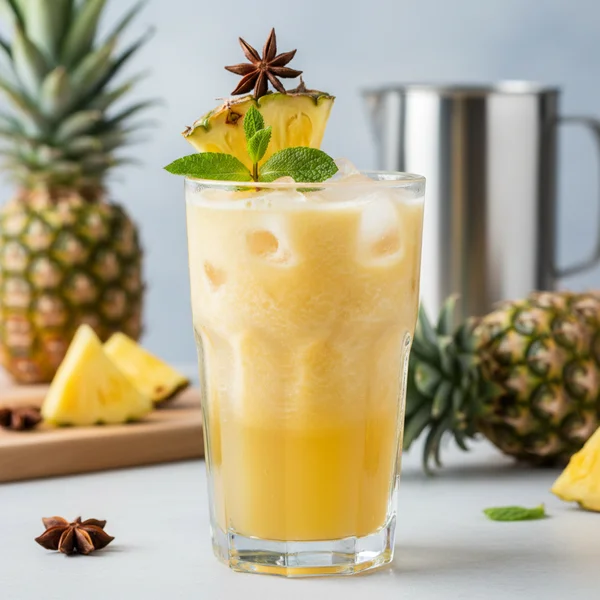
In summary, pineapple is an incredibly effective fruit for relieving constipation and improving overall digestive health. By providing a unique mix of the enzyme bromelain, dietary fiber, and high water content, it helps break down food more efficiently and ensures waste moves smoothly through the colon. Whether you choose to enjoy it fresh, as a juice, or blended into a nutrient-dense recipe, pineapple offers a natural and delicious alternative to over-the-counter laxatives. Just remember to opt for fresh over canned versions whenever possible to ensure you are getting the full enzymatic benefits of the fruit. As with any dietary change, consistency is key—incorporating a serving of pineapple into your daily routine can lead to long-term regularity and a much happier gut.
❓ Frequently Asked Questions
1
How long does fresh pineapple last in fridge?
Freshly cut pineapple typically lasts between 3 to 5 days when stored in an airtight container in the refrigerator. To maintain the best flavor and texture, keep it chilled and consume it quickly, as the fruit can become mushy or fermented if left for too long.


2
Can I use canned pineapple for constipation?
While canned pineapple contains some fiber, the heating process used in canning often destroys bromelain, the key enzyme that aids digestion. For the best results in relieving constipation naturally, choose fresh or frozen pineapple, which retains more of its natural digestive enzymes and nutritional benefits.
3
What can I substitute for pineapple for digestion?
If you don’t have pineapple, papaya is an excellent substitute because it contains papain, an enzyme similar to bromelain. Other high-fiber fruits like kiwi, prunes, and pears are also highly effective at stimulating bowel movements and supporting overall digestive health and regularity.
4
How do I know when a pineapple is ripe?
A ripe pineapple should have a sweet aroma at the base and a firm but slightly yielding feel when squeezed. Look for golden-yellow skin rather than green, and ensure the leaves are green and fresh. If it smells fermented or vinegary, it is likely overripe.
5
Can I freeze pineapple for later use?
Yes, you can freeze pineapple by cutting it into chunks and placing them in a freezer-safe bag or container. Frozen pineapple keeps well for up to six months and is perfect for adding to smoothies, though the texture will be slightly softer once thawed.