
Should Chocolate Milk Be Served in Schools: Perfect Guide
The debate over whether chocolate milk should be served in schools has simmered in cafeterias and school board meetings for decades. For many parents and educators, the flavored beverage represents a nutritional paradox: it provides essential vitamins and minerals, yet it often carries a sugar content comparable to a standard dessert. While some argue that it is the only way to ensure children consume enough calcium, others view it as a gateway to poor dietary habits. In this exploration, we will dive deep into the nutritional data, the psychological impact on student eating habits, and the practical realities of school lunch programs to determine if this sweetened dairy staple deserves its spot in the lunch line.
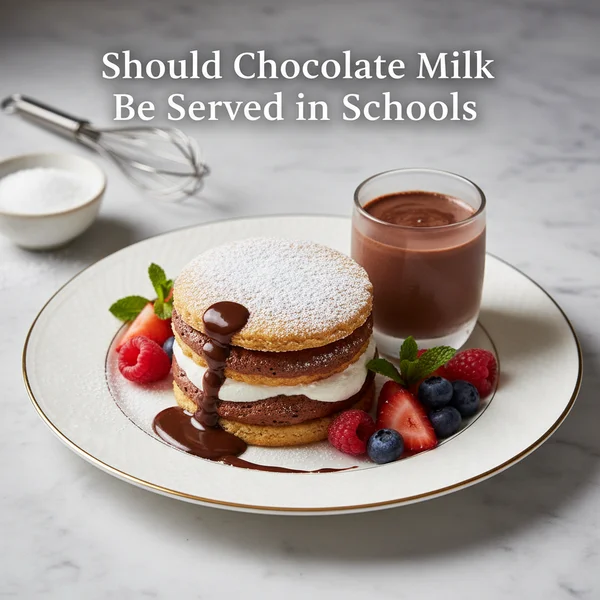
The decision to serve chocolate milk in schools requires balancing the need for essential nutrients like calcium and Vitamin D against the risks of high added sugar consumption. While chocolate milk encourages dairy intake, it often mimics the caloric profile of a dessert rather than a health beverage.
The Nutritional
When examining whether chocolate milk should be served in schools, the first point of contention is its nutritional profile. On one hand, chocolate milk contains the same thirteen essential nutrients as white milk, including protein, calcium, potassium, and Vitamin D. These are critical for bone development and muscle growth in school-aged children. However, the addition of cocoa and sweeteners changes the equation significantly.
In many ways, the chemical makeup of flavored milk begins to resemble a liquid version of a baked treat. If you were to look at the ingredients required to make a classic chocolate sponge, you would find sugar, flour, and baking powder. While chocolate milk lacks the flour and baking powder, its sugar levels often rival those found in a slice of cake. A single eight-ounce carton can contain up to four teaspoons of added sugar. When we consider that the American Heart Association recommends children consume no more than six teaspoons of added sugar per day, a single milk carton at lunch consumes the majority of that allowance.
Furthermore, the flavor profile is often enhanced with vanilla extract and salt to make it more hyper-palatable. This creates a beverage that is less of a nutritional supplement and more of a “reward” drink. Critics argue that by serving this in a school setting, we are teaching children that every meal must conclude with a sweet finish, much like a dessert topped with whipped cream.
The “Milk Waste” Dilemma and Student Preference
One of the strongest arguments for keeping chocolate milk in schools is the practical issue of consumption. Proponents of the drink, including many dairy industry groups, point to studies showing that when flavored milk is removed from cafeterias, total milk consumption drops significantly. The logic is simple: children would rather drink chocolate milk than no milk at all.
This phenomenon is often compared to how children interact with food at home. A child might refuse a plain piece of bread but eagerly accept a muffin made with butter, sugar, and vanilla extract. In the school environment, if white milk is the only option, many students simply opt for water or, worse, nothing at all, leading to a “calcium gap.” This gap can have long-term effects on bone density and overall growth.
However, opponents argue that the “milk waste” argument is a short-term concern. Some school districts that have successfully removed chocolate milk found that while there was an initial dip in dairy consumption, students eventually adjusted to plain milk over time. It is a matter of retraining the palate away from the intense sweetness found in icing and frosting and back toward the natural flavors of whole foods. The table below compares the typical caloric and sugar content of school beverages:
| Beverage Type (8 oz) | Calories | Total Sugar (g) | Added Sugar (g) |
|---|---|---|---|
| White Milk (1%) | 100-110 | 12g (Natural) | 0g |
| Chocolate Milk (Fat-Free) | 140-160 | 22-26g | 10-14g |
| Apple Juice (100%) | 110-120 | 24-28g | 0g |
Psychological Impact and Palate Development
The inclusion of chocolate milk in schools does more than just provide calories; it shapes a child’s flavor preferences. From a culinary perspective, early exposure to highly sweetened foods can blunt the sensitivity to natural sugars found in fruits and vegetables. When a child is accustomed to the richness of butter and sugar in their daily drinks, plain milk or water can seem unappealing by comparison.
Think of the difference between a simple piece of fruit and a gourmet cupcake topped with thick frosting. The cupcake is designed to trigger a massive dopamine release. Chocolate milk, though liquid, functions in a similar capacity. By providing it daily, schools may be inadvertently conditioning children to seek out “dessert” flavors during savory meals.
Furthermore, the presence of chocolate milk can confuse the message of health education. If students are taught in health class to avoid sugary snacks and items with heavy icing, yet they see chocolate milk promoted as a “healthy choice” in the cafeteria, the message becomes muddled. Consistency in the school environment is key to establishing lifelong healthy eating habits. If we wouldn’t serve a brownie made with flour and baking powder as a side dish to a turkey sandwich, why is a chocolate beverage viewed differently?
Finding a Middle Ground: Reformulation and Education
If the total removal of chocolate milk seems too drastic for some districts, many are looking at reformulation as a compromise. In recent years, several dairy processors have worked to reduce the amount of added sugar in their flavored milk products. By utilizing calorie-free sweeteners or simply reducing the sugar concentration and relying more on vanilla extract to carry the flavor, companies have managed to lower the calorie count significantly.
Another approach is the “limited availability” model. In this scenario, chocolate milk is not offered every day but is treated as a special treat, much like how a student might occasionally have a slice of cake with whipped cream. This helps students distinguish between daily nutritional requirements and occasional indulgences.
Schools can also focus on enhancing the appeal of plain milk. Keeping milk at a very cold temperature and using attractive packaging can make the white version more palatable to students. When the competition isn’t a sugary drink that tastes like liquid frosting, students are much more likely to accept standard dairy options.
Expert Tips for Managing School Nutrition
Navigating school nutrition requires a multi-faceted approach. Experts suggest that rather than focusing solely on one item like chocolate milk, schools should look at the entire plate. Balancing macronutrients and ensuring that students have access to fresh, whole foods is the ultimate goal.
Gradual Reduction: Instead of an overnight ban, schools can gradually reduce the sugar content in flavored milk over several years, allowing students’ palates to adjust without a sudden drop in consumption.
Visual Education: Use “sugar jars” to show students exactly how much sugar is in various drinks compared to a standard dessert.
* Focus on Hydration: Promote water as the primary beverage for thirst, reserving milk—whether plain or flavored—for its role as a nutrient-dense food.
- Check the Labels: Always look for flavored milk that uses natural cocoa and minimal added sugars rather than high-fructose corn syrup.
- Pairing Matters: If chocolate milk is served, pair it with fiber-rich foods like whole grains and vegetables to help slow down sugar absorption.
- Home Consistency: Parents should model healthy behavior by choosing plain milk or water at home, treating flavored dairy as an occasional dessert.
Conclusion
Ultimately, the question of whether chocolate milk should be served in schools involves a careful weighing of nutritional benefits against the risks of sugar overconsumption. While it offers essential nutrients, its similarity to a dessert—reminiscent of sugar, butter, and vanilla extract combinations—cannot be ignored. Schools must decide whether the priority is maximizing calcium intake at any cost or fostering long-term healthy eating habits. By exploring reformulations and better educational strategies, we can move toward a cafeteria environment that nourishes students without relying on liquid desserts.
❓ Frequently Asked Questions
1
How long does chocolate milk cake last in fridge?
A cake made with chocolate milk, butter, and flour typically stays fresh for 3 to 4 days in the fridge. To maintain moisture, keep it in an airtight container. This prevents the sugar from crystallizing and ensures the vanilla extract’s flavor remains potent and delicious for every single slice.

2
Can I make school-style desserts ahead of time?
Yes, you can easily bake this dessert a day in advance. The flavors of the cocoa and vanilla extract often deepen overnight. Simply wrap the cake tightly after it has cooled. This allows the butter and flour to settle, resulting in a much more moist and tender crumb.
3
What can I substitute for butter in these recipes?
If you want to reduce saturated fat, you can substitute butter with applesauce or Greek yogurt. While this changes the texture slightly compared to traditional flour and sugar recipes, it still reacts well with baking powder. It is a great way to make school-friendly snacks a bit healthier.
4
How do I know when the chocolate dessert is done?
The best way to tell is by inserting a toothpick into the center; it should come out clean. You will also notice the edges pulling away from the pan. The reaction between the baking powder and flour should have created a perfect rise, giving the cake a light, springy feel.
5
Can I freeze chocolate milk based treats?
Absolutely! Most desserts made with flour, butter, and sugar freeze exceptionally well for up to three months. Wrap individual portions in plastic wrap and then foil. This is a convenient way to have a controlled portion of chocolate milk cake ready for school lunches or quick evening snacks.