Vitamin C Juice List: Ultimate Immunity Boosters
Fuel your body with this vitamin C juice list, featuring nutrient-packed ingredients like orange, acerola, and kale. These refreshing drinks are easy to whip up in a blender with some ice, providing a hydrating boost that supports your immune system while tasting absolutely delicious and naturally sweet.
Starting your day with a glass of juice is a classic habit, but optimizing that beverage for maximum nutritional impact requires a bit of strategy. Vitamin C, also known as ascorbic acid, is a powerhouse antioxidant essential for immune function, collagen production, and iron absorption. While most people immediately think of oranges when they consider this nutrient, the world of produce offers a much wider variety of options. In this guide, we explore an extensive vitamin c juice list that goes beyond the basics, offering flavorful, refreshing, and hydrating ways to meet your daily requirements while supporting overall wellness through natural, whole-food sources.
While citrus fruits are the most famous sources of Vitamin C, tropical fruits like guava and vegetables like red bell peppers actually contain higher concentrations per serving, making a diverse juice rotation essential for optimal health.
The Citrus Classics and Beyond
When most people search for a vitamin c juice list, citrus fruits are the first category that comes to mind. Oranges, grapefruits, lemons, and limes are the bedrock of the breakfast table for a reason. A single medium-sized orange provides approximately 70 milligrams of Vitamin C, which is nearly the entire recommended daily allowance for most adults. However, the variety within the citrus family allows for different flavor profiles that can keep your morning routine from becoming monotonous.
Grapefruit juice offers a slightly more bitter and sophisticated palate, providing about 70-90 milligrams per cup. It is particularly effective when served chilled with a touch of honey to balance the acidity. Beyond the flavor, citrus juices are incredibly hydrating, consisting mostly of water and electrolytes that help maintain fluid balance in the body. If you are looking for a punchier kick, incorporating lemon or lime juice into a larger beverage can boost the ascorbic acid content while providing a refreshing zing that wakes up the senses.
| Fruit Type | Avg Vitamin C (mg per 100g) | Primary Benefit |
|---|---|---|
| Orange | 53 mg | Immune Support |
| Grapefruit | 31 mg | Metabolic Health |
| Lemon | 53 mg | Detoxification |
Tropical Powerhouses for Maximum Potency
If you want to truly maximize the numbers on your vitamin c juice list, you must look toward the tropics. Guava is the reigning champion in the fruit world, containing nearly four times the Vitamin C of an orange. A single guava can provide over 200 milligrams of the nutrient. When processed in a blender, guava creates a thick, nectar-like juice that is both exotic and incredibly nutritious. Because it is so dense, it often benefits from being blended with ice to create a lighter, more drinkable consistency.

Kiwi is another tropical heavyweight. Two small kiwis provide more Vitamin C than an orange, and they bring a unique emerald green color to your glass. Kiwis are best when pulsed briefly so the tiny black seeds remain intact, adding a bit of textural interest. Pineapple and papaya also deserve spots on the list. While their Vitamin C content is slightly lower than guava or kiwi, they contain digestive enzymes like bromelain and papain, which complement the antioxidant benefits of the juice. These fruits work exceptionally well when frozen first and then blended, resulting in a refreshing slushy texture that requires no added sugars.

Berries and Uncommon Sources
Berries are often celebrated for their anthocyanins, but they are also vital contributors to a comprehensive vitamin c juice list. Strawberries are the standout here; one cup of halved strawberries provides about 89 milligrams of Vitamin C. When making strawberry juice, using a blender rather than a centrifugal juicer is often preferred to retain the fiber and ensure you get every drop of the nutrient-dense pulp.
Surprisingly, some of the best additions to a “juice” list are technically vegetables. Red bell peppers contain more Vitamin C per cup than almost any fruit, boasting about 190 milligrams per cup. While drinking pure bell pepper juice might not sound appealing to everyone, adding half a red pepper to a fruit-based juice can dramatically spike the nutritional value without significantly altering the flavor, as the sweetness of the pepper blends seamlessly with apples or oranges. Similarly, dark leafy greens like kale and spinach can be added to the mix. While lower in C than peppers or guava, they contribute to the hydrating quality of the drink and provide a broad spectrum of minerals.
- Acerola Cherry: Extremely high potency; often found in specialty health stores.
- Blackcurrants: High in C and perfect for a tart, deeply colored juice.
- Rose Hips: Technically a fruit, these are often steeped then chilled for a potent liquid infusion.
- Cantaloupe: A mild, sweet melon that provides a surprising 36mg of Vitamin C per 100g.
Preparation Techniques for Nutrient Retention
How you prepare the items on your vitamin c juice list is just as important as what you choose. Vitamin C is a volatile nutrient; it is sensitive to heat, light, and oxygen. To get the most out of your produce, you should aim to consume your juice as soon as possible after preparation. If you must store it, keep it in an airtight glass container in the refrigerator to keep it chilled and minimize oxidation.
Using a high-speed blender is often superior to traditional juicing because it incorporates the whole fruit. This “whole food juicing” ensures you are getting the bioflavonoids found in the pith of citrus and the skins of berries, which actually help your body absorb Vitamin C more efficiently. To create a refreshing summer beverage, try blending frozen fruit with a handful of ice. This not only creates a delightful texture but the cold temperature helps stabilize the Vitamin C longer than if the juice were sitting at room temperature. For a final touch, a garnish of fresh mint or a slice of ginger can add aromatic benefits and additional digestive support to your hydrating creation.
Customizing Your Vitamin C Blends
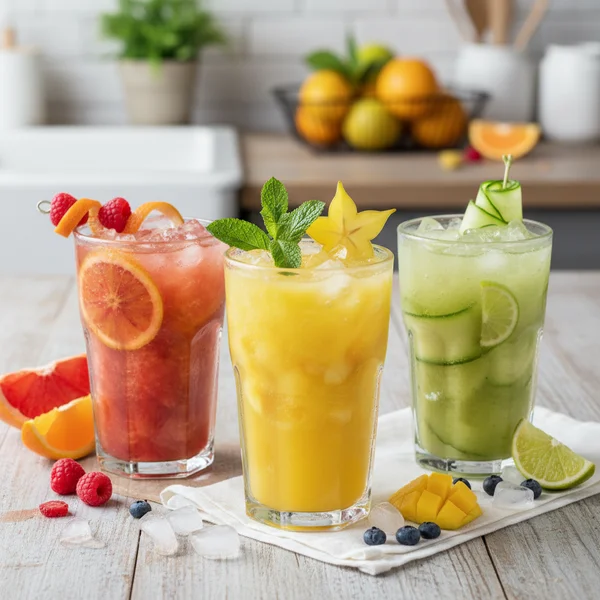
Creating a blend allows you to balance flavors while hitting your nutritional targets. For those who find pure citrus too acidic, a “Tropical Glow” blend of mango, pineapple, and a splash of lime provides a massive dose of Vitamin C with a smoother, creamier mouthfeel. Mangoes add a velvety texture when processed in a blender, making the juice feel like a treat rather than a supplement. If you prefer something lighter, a “Berry Citrus Splash” using strawberries, raspberries, and orange juice offers a high-antioxidant profile that is incredibly refreshing on a hot day.
For those focused on hydrating after a workout, a watermelon and lime juice is an excellent choice. Watermelon is over 90% water and contains lycopene, which works synergistically with the Vitamin C in the lime. To make this extra chilled, freeze the watermelon cubes beforehand. This eliminates the need for excess ice, which can sometimes water down the flavor. Always remember that the presentation matters; a simple garnish of a citrus wheel or a sprig of rosemary can turn a functional health drink into a spa-like experience, encouraging you to stick to your healthy habits daily.
Expert Tips for the Best Results
To truly master the vitamin c juice list, variety is your best friend. Experts recommend rotating your ingredients every few days to ensure you are receiving a full spectrum of phytonutrients. For example, while oranges are great for Vitamin C, they don’t have the same enzyme profile as pineapple or the specific antioxidants found in blackberries. Furthermore, pay attention to the ripeness of your fruit. Fruit that is perfectly ripe generally has the highest concentration of vitamins. If you find your fruit is ripening too quickly, peel it and keep it frozen in airtight bags; this locks in the nutrients and makes it ready for the blender at a moment’s notice.
- Don’t Peel Everything: If using organic lemons or limes, zest a bit of the peel into your juice. The peel contains high concentrations of essential oils and extra Vitamin C.
- The Water Rule: Always add a splash of coconut water if you find your juice too thick; it enhances the hydrating properties and adds potassium.
- Temperature Control: Always serve your juices chilled. Heat is the enemy of Vitamin C, so avoid using warm water or letting the blender run too long.
Conclusion
Building a diverse vitamin c juice list is one of the simplest and most delicious ways to fortify your health. By moving beyond the standard glass of orange juice and incorporating tropical giants like guava, nutrient-dense berries, and even surprising vegetables like red peppers, you provide your body with a complex array of antioxidants. Whether you prefer your drinks chilled, frozen, or whipped into a refreshing foam in a blender, the key is consistency and freshness. Start experimenting with these ingredients today, add a beautiful garnish, and enjoy the hydrating benefits of nature’s most potent vitamins.
Frequently Asked Questions
❓ How long does fresh juice last in the fridge?
Freshly made juices from this vitamin C juice list are best consumed immediately for maximum potency. However, you can store them in an airtight glass container in the refrigerator for up to 24 hours. The nutrient content begins to degrade quickly once exposed to light and oxygen.
❓ Can I make vitamin C juice ahead of time?
While you can prepare juice a few hours in advance, it is not recommended for long-term meal prep. To save time, wash and chop your ingredients beforehand. Store the prepped produce in the fridge and blend right before you are ready to drink for the best flavor.
❓ What can I substitute for citrus fruits?
If you want to avoid citrus, substitute with bell peppers, strawberries, or kiwi, which are all exceptionally high in vitamin C. Guava and papaya are also excellent tropical alternatives that provide a similar nutrient profile and refreshing flavor without the high acidity of lemons or oranges.
❓ How do I know when the juice is done?
The juice is ready when the texture is completely smooth and consistent. If you are using a blender, look for a uniform color and no visible chunks of fruit or vegetables. For a thinner, commercial-style consistency, you can strain the mixture through a fine-mesh sieve.
❓ Can I freeze these juices?
Yes, you can freeze these juices into ice cube trays or popsicle molds for a hydrating, icy treat. While some vitamin C may be lost during the freezing process, it remains a healthy alternative to store-bought snacks. Simply thaw in the fridge or blend into a smoothie.