How to Eat Pumpkin: Ultimate Guide
To eat pumpkin, you can roast, boil, steam, or bake it, transforming the flesh into everything from savory side dishes to sweet desserts. While most people enjoy it cooked, it can also be eaten raw in salads or juices. For the best flavor, choose smaller “sugar” or “pie” pumpkins. You can consume the flesh, the nutrient-dense seeds (after roasting), and even the blossoms, making it one of the most versatile and zero-waste vegetables in your kitchen.
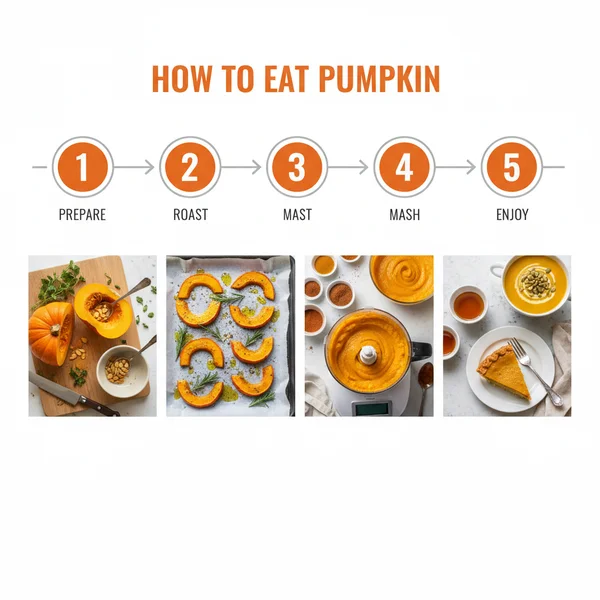
Understanding the Versatility of How to Eat Pumpkin
Pumpkin is often pigeonholed as a seasonal decoration or a specific pie filling, but its culinary potential is vast. This nutrient-dense squash is a powerhouse of Vitamin A, fiber, and antioxidants, making it a valuable addition to any diet. When learning how to eat pumpkin, the first thing to understand is the distinction between varieties. While the giant pumpkins used for carving are technically edible, their flesh is often stringy, watery, and bland. For eating, you should look for culinary varieties such as Sugar pumpkins, Hokkaido (Red Kuri), or Cheese pumpkins. These types offer a dense, creamy texture and a natural sweetness that shines in various applications.
The beauty of pumpkin lies in its adaptability to both sweet and savory profiles. In savory cooking, pumpkin acts much like a sweet potato or butternut squash. It can be cubed and tossed into stews, pureed into a silky soup with ginger and coconut milk, or roasted with rosemary and garlic as a hearty side dish. On the sweet side, pumpkin puree is the backbone of custards, muffins, pancakes, and the iconic pumpkin pie. Because it has a high water content, cooking methods like roasting are often preferred because they concentrate the natural sugars and produce a deeper flavor through caramelization.
Beyond the orange flesh, the seeds—often called pepitas—are a culinary treasure. They are packed with magnesium and healthy fats. Many people also overlook the fact that pumpkin skin is edible on certain varieties, such as the Hokkaido, which softens beautifully when cooked. Even the bright orange flowers of the pumpkin plant are a delicacy in many cultures, often stuffed with ricotta and lightly fried. Understanding how to eat pumpkin means looking at the entire fruit as a source of sustenance, from the crunchy seeds to the velvety pulp.
How to Eat Pumpkin: A Master Roasted Recipe
One of the most effective and delicious ways to enjoy pumpkin is by roasting it. This method enhances the texture and allows the natural sweetness to develop. Follow this recipe to create a versatile base that can be eaten as a side dish or added to salads and grain bowls.
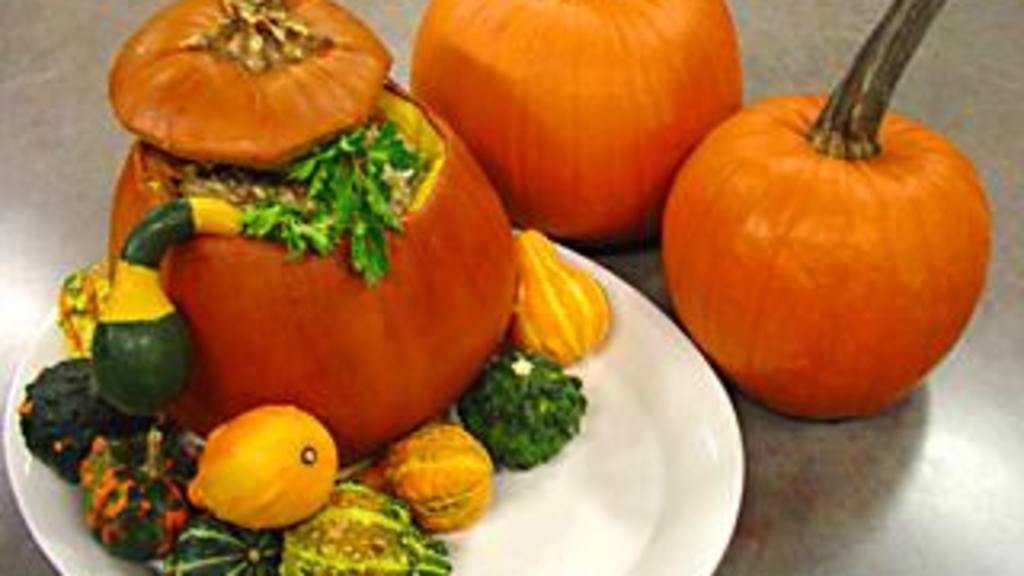
Prep time: 15 minutes
Cooking time: 35 minutes
Servings: 4 people
Calories: approximately 110 per serving
Ingredients
- 1 medium sugar pumpkin (about 2-3 pounds)
- 2 tablespoons extra virgin olive oil
- 1 teaspoon sea salt
- 1/2 teaspoon cracked black pepper
- 1 teaspoon dried thyme or rosemary
- 2 cloves of garlic, minced (optional)
- A pinch of red pepper flakes (for a savory kick)
Instructions
Step 1: Preparation
Preheat your oven to 400°F (200°C). Begin by washing the exterior of the pumpkin thoroughly to remove any dirt. Using a sharp chef’s knife, carefully slice the top off the pumpkin to remove the stem. Cut the pumpkin in half from top to bottom. Use a large metal spoon to scrape out the stringy pulp and seeds. Set the seeds aside in a bowl if you wish to roast them later.
Step 2: Slicing and Peeling
Depending on your preference, you can leave the skin on or peel it. For sugar pumpkins, the skin is relatively thin and becomes tender when roasted. Slice the pumpkin halves into 1-inch thick wedges or cubes. Consistency in size is key to ensuring that all pieces cook at the same rate.
Step 3: Seasoning
In a large mixing bowl, toss the pumpkin pieces with the olive oil, salt, pepper, thyme, and garlic. Ensure every piece is evenly coated. The oil helps the pumpkin brown and prevents it from drying out in the high heat of the oven.
Step 4: Roasting
Spread the seasoned pumpkin in a single layer on a large baking sheet. Do not overcrowd the pan, as this will cause the pumpkin to steam rather than roast. Place the tray in the oven and bake for 30 to 35 minutes. Halfway through the cooking time, use a spatula to flip the pieces over to ensure even browning.

Step 5: Testing and Serving
The pumpkin is ready when it is fork-tender and the edges are slightly charred and caramelized. Remove from the oven and let it cool for a few minutes before serving. This roasted pumpkin can be eaten hot, or cold as a topper for a spinach and goat cheese salad.
Important Considerations When Eating Pumpkin
While pumpkin is generally very safe and healthy, there are a few important considerations to keep in mind to ensure the best culinary experience. First, always prioritize food safety by washing the rind before cutting. Since pumpkins grow on the ground, the skin can carry bacteria that your knife might transfer to the flesh during slicing. If you are using a pumpkin that was previously used as a Jack-o-lantern, ensure it hasn’t been sitting out at room temperature for more than two hours, and never eat a pumpkin that has had a lit candle inside, as the heat can cause the flesh to begin rotting prematurely.
Another consideration is the texture. If you find your pumpkin is too “stringy” or watery, it may be a variety better suited for decoration. You can fix this by pureeing the cooked flesh and straining it through a fine-mesh sieve or cheesecloth to remove excess moisture. This results in a thicker, more concentrated flavor ideal for baking. Additionally, be mindful of seasonings. Pumpkin is quite bland on its own, so it requires a generous hand with salt for savory dishes or warm spices like cinnamon, nutmeg, and cloves for sweet recipes. Finally, if you are watching your caloric intake, remember that while pumpkin itself is low in calories, the butter, sugar, and cream often added to it in traditional recipes can significantly increase the total energy density of the meal.
- Don’t waste the seeds: Clean the seeds, toss them in a little melted butter and salt, and roast them at 300°F for about 15 minutes for a crunchy, high-protein snack.
- Freeze for later: If you have too much pumpkin, puree the cooked flesh and freeze it in ice cube trays. You can pop these cubes into smoothies or oatmeal for a quick nutrient boost.
- Enhance the flavor: When making pumpkin soup, roast the pumpkin first instead of boiling it. The caramelization adds a depth of flavor that boiling simply cannot match.
- Skin matters: If you find the skin of your roasted pumpkin is still too tough, simply scoop the soft flesh out with a spoon; the skin acts as a natural bowl!
Conclusion
Learning how to eat pumpkin opens up a world of culinary possibilities that extend far beyond the holiday season. By selecting the right variety and choosing a preparation method that highlights its natural texture—such as roasting or pureeing—you can enjoy this nutrient-dense fruit in countless ways. Whether you are looking for a low-calorie side dish, a hearty soup base, or a vitamin-rich addition to your morning smoothie, pumpkin is a versatile ingredient that rewards creativity. Start with a simple roasted preparation and expand your repertoire to include seeds, blossoms, and savory stews to fully appreciate everything this winter squash has to offer.
❓ Frequently Asked Questions
1
How long does cooked pumpkin last in fridge?
Once cooked, pumpkin will last for about four to five days in the refrigerator. To maintain the best quality, store it in an airtight container or a tightly sealed glass jar. This ensures it stays fresh for use in your favorite recipe or as a quick side.
2
Can I make pumpkin puree ahead of time?
Absolutely, making pumpkin puree ahead of time is a great way to save prep time for later cooking. You can store the homemade puree in the fridge for up to five days or freeze it in measured portions for several months until you are ready to bake.
3
What can I substitute for pumpkin?
If you don’t have pumpkin, butternut squash is the best substitute due to its similar sweet flavor and creamy texture. Sweet potatoes or Hubbard squash also work well in most instructions, providing a comparable density and nutritional profile for both savory dishes and traditional autumn desserts.
4
How do I know when pumpkin is done?
You can tell pumpkin is fully cooked when the flesh is soft and can be easily pierced with a fork or knife. For roasted pumpkin, look for caramelized golden edges. If the texture is tender and yields easily to pressure, it is ready to be served or pureed.
5
Can I freeze cooked pumpkin?
Yes, cooked pumpkin freezes exceptionally well. Whether you have roasted chunks or smooth puree, simply place them in freezer-safe bags, removing as much air as possible. It will stay good for up to six months, making it easy to add to future soups or smoothies.