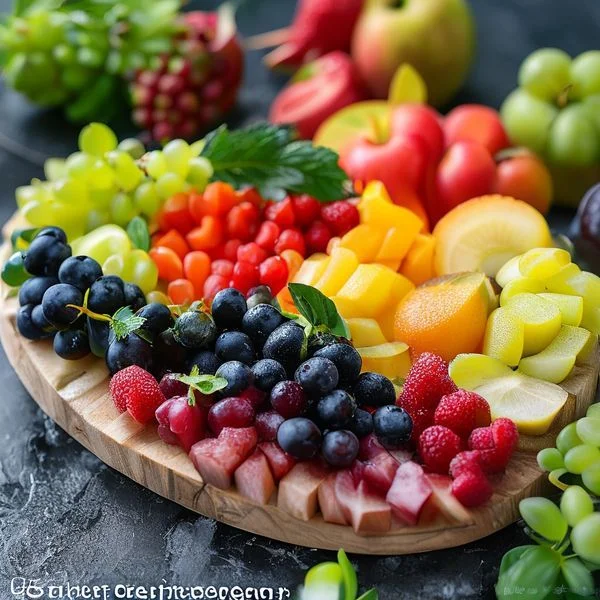
Fruit Juice Combination Chart: Ultimate Flavor Guide
Unlock endless flavors with our fruit juice combination chart, designed to help you create refreshing and hydrating beverages at home. Whether you use a juicer or a high-speed blender with ice, these tested pairings ensure a balanced taste. From sweet berries to zesty citrus, find the perfect mix and add a garnish for flair.
Few things are as satisfying as a perfectly balanced glass of juice, yet many people stick to single-flavor options like orange or apple because they are unsure how to mix different varieties effectively. Understanding how to layer flavors—balancing the tartness of citrus with the deep sweetness of berries—is both an art and a science. This guide provides a detailed fruit juice combination chart designed to help you transform basic ingredients into professional-grade beverages. Whether you are looking for something deeply hydrating after a workout or a refreshing treat for a summer afternoon, mastering these pairings will change your approach to home-prepared drinks forever.
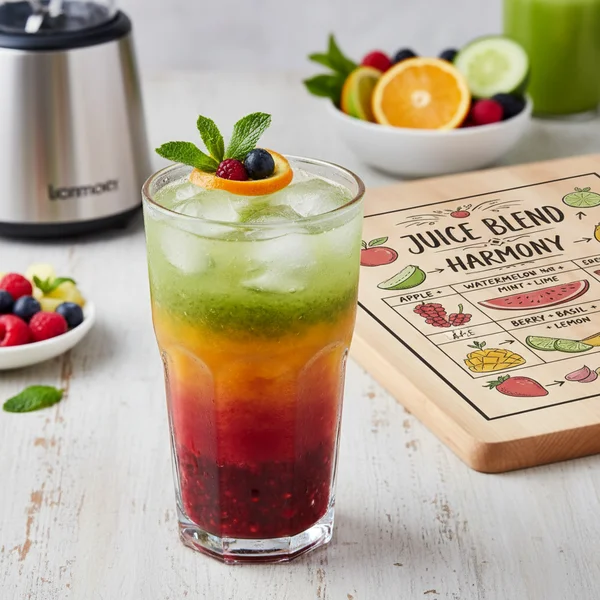
The secret to a perfect juice blend lies in the balance of “base” juices (high volume, mild flavor) and “accent” juices (bold, acidic, or intense). Using a comprehensive fruit juice combination chart ensures you hit the right notes of sweetness, acidity, and texture every time.
The Fundamentals of Flavor Pairing in Juicing
Before diving into the fruit juice combination chart, it is essential to understand why certain fruits work better together than others. Flavor profiles generally fall into four categories: sweet, sub-acid, acid, and melons. Sweet fruits, such as bananas, dates, and grapes, pair beautifully with sub-acid fruits like apples, pears, and berries. However, mixing highly acidic fruits like oranges or grapefruit with sweet fruits can sometimes lead to digestive discomfort or a flavor profile that feels cluttered.
Texture also plays a vital role. If you prefer a thin, crisp beverage, a traditional juicer is your best friend. However, if you want a more substantial, fiber-rich drink, using a high-speed blender allows you to incorporate the entire fruit. When using a blender, the addition of liquids—like coconut water or even plain filtered water—is necessary to achieve a pourable consistency. This method is particularly effective for “creamy” combinations, such as mango and peach, where the pulp adds to the overall mouthfeel. By understanding these profiles, you can create a drink that is not just a beverage, but a complex culinary experience.
Consider the role of “neutralizers” in your blends. Cucumbers and celery, while technically vegetables, are often used in fruit juice combinations because they provide a massive amount of hydrating liquid without overwhelming the palate with sugar. They act as a canvas upon which bolder fruit flavors like pomegranate or cranberry can paint their vibrant notes.
The Ultimate Fruit Juice Combination Chart
This fruit juice combination chart is designed to help you navigate the grocery store or your local farmers’ market with confidence. These pairings have been curated based on their nutritional synergy and flavor compatibility.

| Primary Base | Best Pairings | Flavor Profile |
|---|---|---|
| Apple | Carrot, Ginger, Pear, Kale, Lemon | Balanced, sweet-tart, versatile |
| Orange | Pineapple, Mango, Strawberry, Turmeric | Bright, tropical, energizing |
| Watermelon | Lime, Mint, Cucumber, Strawberry | Light, ultra-hydrating, refreshing |
| Pineapple | Coconut, Passionfruit, Orange, Mint | Bold, acidic, sweet-sour |
| Beet | Apple, Lemon, Ginger, Blueberry | Earthy, deep, nutrient-dense |
| Grapefruit | Rosemary, Pomegranate, Pear | Sophisticated, bitter-sweet, zesty |
When using this chart, remember that ratios matter. For most beginners, a 60/40 ratio is recommended—60% base fruit (like apple or watermelon) and 40% accent fruits or vegetables. As you become more accustomed to the flavors, you can experiment with “power shots” that include higher concentrations of intense ingredients like ginger or lemon.

Temperature and Texture: Chilled, Frozen, and Fresh
How you serve your juice is just as important as what is in it. A juice blend that tastes incredible when it is chilled may feel cloying or overly sweet when served at room temperature. The sensation of coldness helps to mute excessive sweetness and highlights the refreshing qualities of the acid in the fruit. To achieve a perfectly chilled drink without diluting it, consider using frozen fruit in your blender. Frozen berries or mango chunks act as “edible ice cubes,” cooling the drink while adding more flavor as they break down.
If you prefer using a traditional juicer, always store your fruit in the refrigerator for several hours before processing. This ensures the juice comes out cold immediately. For those who enjoy a bit of theatre and extra chill, serving the juice over crushed ice is a classic move. Crushed ice has more surface area than cubes, which means it cools the drink faster, creating that signature frosty exterior on your glassware.
Hydration is another key factor. While fruit juices provide vitamins, they can also be high in sugar. If you find a combination too rich, cut it with 25% sparkling water or coconut water. This not only makes the drink more hydrating but also adds a sophisticated effervescence that turns a simple juice into a mocktail-style experience.
Advanced Aesthetics: The Role of the Garnish
We drink with our eyes first. A garnish is not just for decoration; it provides an olfactory component that enhances the flavor of the juice. When you add a sprig of fresh mint to a watermelon and lime blend, the aroma of the mint hits your nose before the juice hits your tongue, priming your taste buds for the cooling experience. Other excellent options include a twist of lemon peel, a cinnamon stick for apple-based juices, or even a few frozen whole blueberries dropped into the glass.
Presentation matters especially when serving guests. A clear glass that shows off the vibrant colors—from the deep ruby of a beet-apple blend to the sun-kissed yellow of a pineapple-mango mix—is essential. If your juice has been prepared in a blender and has a thicker consistency, a wider rimmed glass is appropriate. For clarified juices from a traditional juicer, a tall, slim “highball” style glass often looks most elegant.
Optimizing Your Routine for Best Results
To make the most of your fruit juice combination chart, organization is key. Prep your fruits in batches. Wash, peel, and chop ingredients so they are ready to go in the morning. If you are using a blender, you can even create “smoothie packs” or “juice packs” in the freezer. Simply toss the frozen contents into the machine with a bit of liquid, and you have a refreshing drink in under two minutes.
Maintenance of your equipment also ensures better-tasting juice. Old residue in a blender or juicer can impart a bitter or “off” flavor to your fresh blends. Always rinse your equipment immediately after use. This prevents fruit sugars from hardening and makes the deep-cleaning process much simpler later on.
Expert Tips for Masterful Blending
Professional mixologists and juice bar owners often use a few specific techniques to ensure their drinks stand out. One of the most effective tips is the “acid adjustment.” If a juice blend tastes flat or one-dimensional, a tiny squeeze of lemon or lime juice can “brighten” the entire profile, making the other fruit flavors pop. Additionally, adding a tiny pinch of sea salt—not enough to make it salty—can actually enhance the natural sweetness of fruits like melon and pineapple.
Another tip is to pay attention to the order of operations. When using a blender, always put your liquid and softest fruits in first, followed by the harder fruits and finally the ice or frozen components. This protects the blades and ensures a smoother, more consistent texture without leaving large unblended chunks at the bottom of the pitcher.
- Always peel citrus fruits before juicing or blending to avoid the bitter oils found in the white pith, unless the recipe specifically calls for zest.
- To keep your juice vibrant and prevent oxidation (browning), add a teaspoon of lemon juice to any blend containing apples or pears.
- Use a fine-mesh strainer after blending if you want a “juice” consistency without the bulk of the pulp.
- Freeze leftover juice in ice cube trays to use in future blends, ensuring your drinks never get watered down.
Conclusion
Mastering the art of beverage creation starts with a reliable fruit juice combination chart. By understanding which flavors complement one another and how to manipulate texture using a blender or juicer, you can move away from store-bought options and create custom, nutrient-dense drinks at home. Remember to focus on balance, utilize ice for a perfectly chilled experience, and never underestimate the power of a beautiful garnish. Start with the classic pairings mentioned above, and soon you will be confident enough to create your own signature blends that are as hydrating as they are delicious.
Frequently Asked Questions
❓ How long does fresh juice last in the fridge?
Fresh juice typically lasts 24 to 48 hours in the refrigerator. To maintain maximum nutrient density and flavor, store it in an airtight glass jar immediately after preparation. If the juice begins to change color significantly or smells sour, it is best to discard it for safety.
❓ Can I make fruit juice blends ahead of time?
Yes, you can make blends ahead of time, but they are best consumed within 24 hours. Some separation is natural, so give the juice a quick stir or shake before serving. Adding a splash of lemon juice can help preserve the vibrant color and prevent browning over time.
❓ What can I substitute for a blender?
If you don’t have a blender, you can use a dedicated juicer or a food processor followed by straining through a fine-mesh sieve or nut milk bag. For soft fruits like citrus or watermelon, a manual hand-press or even a potato masher can work effectively in a pinch.
❓ How do I know when a juice blend is balanced?
A balanced juice blend should hit several taste notes: sweetness from the fruit, acidity from citrus, and a clean finish. If it is too sweet, add a squeeze of lemon or lime. If it is too tart, add a splash of water or a tiny bit of honey.
❓ Can I freeze fruit juice combinations?
Absolutely! Freezing fruit juice in ice cube trays is a great way to preserve flavor for later use in smoothies or water. You can also freeze larger portions in freezer-safe containers for up to three months, leaving space at the top for liquid expansion during the freezing process.