Basil Garlic Oil Dressing: Quick & Flavorful
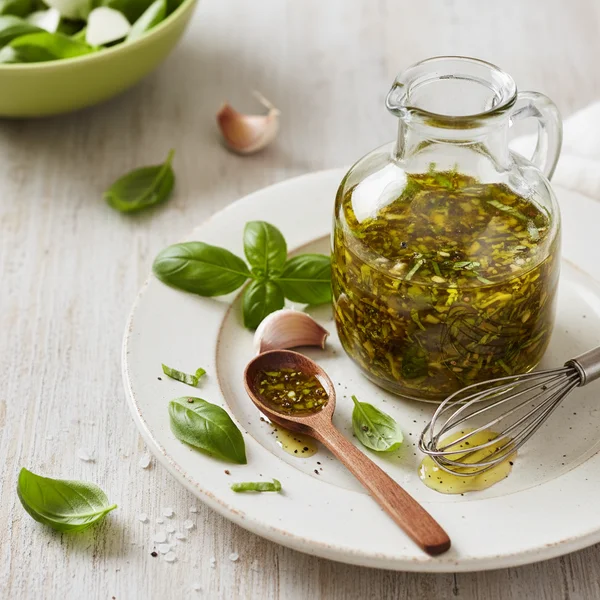
Imagine walking into a sun-drenched kitchen where the air is thick with the peppery, sweet aroma of freshly slapped basil and the sharp, inviting scent of crushed garlic. There is something truly transformative about a homemade basil garlic oil dressing that store-bought versions simply cannot replicate. This recipe is a celebration of garden-fresh simplicity, designed to elevate everything from a humble heirloom tomato salad to a sophisticated grilled sea bass. Whether you are a seasoned home cook or a beginner looking to ditch the preservatives of bottled dressings, you will love how this vibrant, emerald-green elixir brings a burst of Mediterranean sunshine to your dinner table. It is bright, zesty, and carries a luxurious mouthfeel that makes every bite feel like a special occasion.
- ⏱️ Prep Time: 10 minutes
- 🍳 Cook Time: 0 minutes
- 👥 Servings: 8 servings
- 📊 Difficulty: Easy
Ingredients for Your Basil Garlic Oil Dressing
Creating a high-quality basil garlic oil dressing depends entirely on the integrity of your ingredients. Because this recipe requires no cooking, the raw flavors of each component will shine through, making it essential to choose the freshest items available. To prepare eight generous servings of this versatile dressing, you will need to gather the following items from your pantry and garden:
- 2 cups packed fresh basil leaves (ensure they are vibrant green with no dark spots)
- 3 large cloves of fresh garlic, peeled and roughly smashed
- 3/4 cup high-quality extra virgin olive oil (look for “cold-pressed” for the best flavor profile)
- 3 tablespoons fresh lemon juice (approximately the juice of one large, juicy lemon)
- 1 tablespoon white balsamic vinegar or champagne vinegar for a subtle acidic tang
- 1 teaspoon honey or pure agave nectar to balance the acidity
- 1/2 teaspoon fine sea salt (adjust to your personal taste preferences)
- 1/4 teaspoon freshly cracked black pepper
- Optional: 1/4 teaspoon red pepper flakes if you desire a very subtle background heat
When measuring your ingredients, pay close attention to the basil. You want to “pack” the measuring cup firmly but gently to ensure you have enough herbaceous volume to create that signature thick, green consistency. The extra virgin olive oil acts as the heart of the recipe, so selecting one with buttery or grassy notes will significantly influence the final character of your basil garlic oil dressing.
Step-by-Step Instructions
Following these instructions will ensure your dressing achieves the perfect emulsion and maintains its stunning color. While the total prep time is only ten minutes, the technique you use during these steps makes all the difference in the final texture.

1. The first and most crucial step is preparing your basil. Begin by rinsing the leaves under cold, filtered water to remove any residual soil or debris. Once cleaned, you must dry the basil thoroughly. Use a salad spinner or gently pat the leaves between two clean kitchen towels. Removing excess moisture is vital; if the leaves are wet, the water will prevent the oil from properly emulsifying, leading to a broken or thin dressing. Take a moment to remove any thick, woody stems, as these can add a bitter note to your final product.
2. Prepare your garlic by peeling the skins away and giving each clove a firm smash with the side of a chef’s knife. This action breaks the cellular walls of the garlic, releasing the essential oils and allicin that provide that characteristic pungent kick. If you prefer a more mellow garlic flavor, you can remove the small green germ from the center of the clove before adding it to your blender or food processor.
3. Place the dried basil leaves, smashed garlic cloves, lemon juice, vinegar, honey, sea salt, and black pepper into the bowl of a high-speed blender or a food processor fitted with a sharp S-blade. Do not add the olive oil just yet. Pulse the mixture 5 to 10 times. This initial breakdown of the solids ensures that the garlic and basil are finely minced before they are suspended in the oil, resulting in a much smoother basil garlic oil dressing.
4. Now it is time to emulsify. Set your blender or processor to a medium-low speed. While the motor is running, slowly pour the extra virgin olive oil into the mixture in a thin, steady stream. This slow integration allows the oil droplets to disperse evenly throughout the liquid components. If you pour the oil too quickly, the dressing may separate. Continue processing until the mixture is completely combined and has turned a beautiful, opaque shade of bright green.
5. Stop the processor and use a rubber spatula to scrape down the sides of the bowl. This ensures that no large fragments of garlic or basil are left behind. Give the dressing one final high-speed whirl for about 10 seconds to create a luxurious, slightly creamy texture. At this stage, you should see a perfectly uniform emulsion where the oil and acids are completely integrated.
6. Taste your creation. This is the most important part of the instructions. Dip a leaf of lettuce or a piece of bread into the dressing. Does it need more salt? Is it too tart? If the lemon juice is overwhelming, add a tiny drop more honey. If it feels flat, a pinch more salt will brighten the basil notes. Adjusting the seasoning at the very end allows you to tailor the flavor to your specific palate or the dish you plan to serve it with.
7. Once you are satisfied with the flavor, transfer the dressing into a glass jar or a squeeze bottle. While the prep time is over and the dressing is ready to use immediately, it actually benefits from sitting at room temperature for about 20 to 30 minutes. This resting period allows the garlic to infuse more deeply into the oil and the salt to fully dissolve, creating a more cohesive flavor profile.
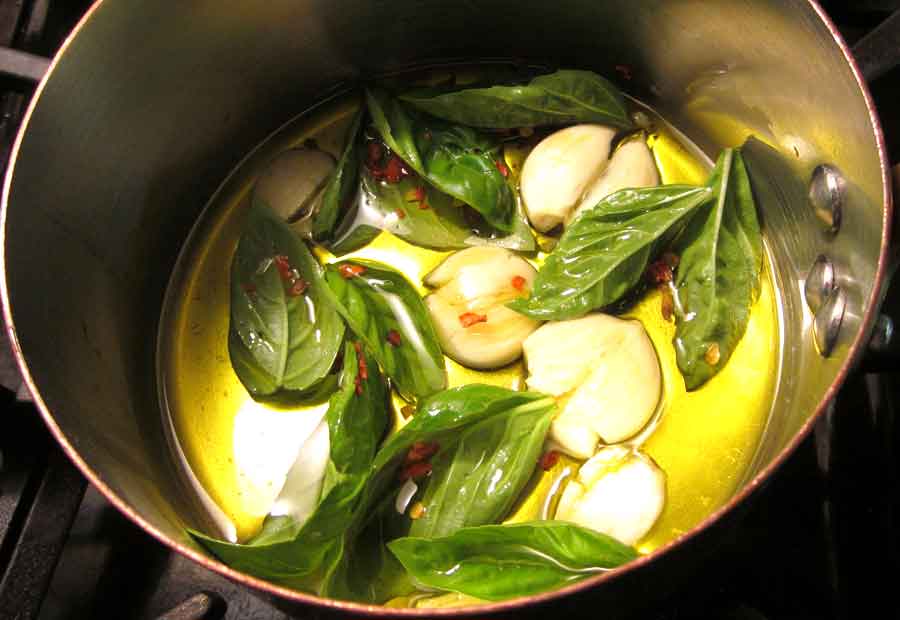
To keep your basil garlic oil dressing looking vibrant green for longer, you can blanch the basil leaves in boiling water for exactly 15 seconds, followed immediately by an ice bath. Squeeze all the water out before blending. This “shocks” the chlorophyll and prevents the dressing from turning brown due to oxidation. Additionally, always use room temperature olive oil to ensure the smoothest possible emulsion.
Variations & Substitutions
This recipe is highly adaptable to suit various dietary needs and flavor preferences. For a vegan-friendly version, simply ensure you are using agave nectar or maple syrup instead of honey. If you are following a strict Paleo or Whole30 diet, omit the sweetener entirely; the natural sweetness of the fresh basil often provides enough balance. For those who enjoy a creamier texture similar to a Caesar dressing, you can whisk in two tablespoons of Greek yogurt or a tablespoon of tahini for a nutty, rich finish. If you find yourself without lemons, red wine vinegar or apple cider vinegar can be used as a substitute, though the flavor will be slightly more robust and less citrus-forward. For a spicy kick, adding half of a de-seeded jalapeño during the blending process creates a fantastic fusion of Italian and Mexican flavor profiles.
Storage & Make Ahead Instructions
Proper storage is key to maintaining the freshness of your basil garlic oil dressing. Store any leftovers in an airtight glass container in the refrigerator for up to 5 days. You may notice that the olive oil solidifies or becomes cloudy when chilled; this is a natural characteristic of high-quality oil. Simply take the dressing out of the fridge 15 minutes before serving and give it a vigorous shake to bring it back to its original consistency. For long-term storage, you can freeze the dressing in silicone ice cube trays. Once frozen, transfer the cubes to a freezer bag. These “flavor bombs” are perfect for dropping into hot pasta or soups during the winter months when fresh basil is harder to find.
- Calories: 195 kcal
- Total Fat: 21g
- Saturated Fat: 3g
- Sodium: 145mg
- Total Carbohydrates: 2g
- Sugars: 1g
- Protein: 0.5g
Note: Nutritional values are estimates based on standard ingredients and a serving size of approximately 2 tablespoons.
Whether you are drizzling this basil garlic oil dressing over a caprese salad, using it as a marinade for grilled chicken, or tossing it with warm penne pasta, its versatility is unmatched. The combination of fresh herbs, pungent garlic, and liquid gold olive oil creates a staple recipe that you will find yourself returning to season after season. Enjoy the process of creating something so fresh and vibrant right in your own kitchen!
❓ Frequently Asked Questions
1
How long does basil garlic oil dressing last in fridge?
When stored in an airtight container, this basil garlic oil dressing will last for about 5 to 7 days in the refrigerator. To maintain the best flavor and vibrant green color, ensure the container is sealed tightly and kept away from the coldest part of the fridge to prevent solidifying.
2
Can I make basil garlic oil dressing ahead of time?
Yes, you can definitely make this dressing a few hours or even a day ahead of time. In fact, letting it sit for at least one hour allows the garlic and basil flavors to infuse more deeply into the oil, resulting in a much more balanced and delicious final taste.
3
What can I substitute for extra virgin olive oil?
If you don’t have olive oil, you can use avocado oil or grapeseed oil as a substitute. These oils have a neutral flavor that allows the basil and garlic to shine, though you will miss the characteristic peppery notes that high-quality extra virgin olive oil usually provides in this recipe.
4
How do I know when the dressing is done?
The dressing is done once the basil and garlic are finely processed and the mixture is emulsified and smooth. It should have a vibrant green color and a consistent texture throughout. Give it a quick taste test to ensure the salt and garlic levels perfectly meet your personal flavor preference.
5
Can I freeze basil garlic oil dressing?
Yes, you can freeze this dressing in ice cube trays for easy portioning. Once frozen, transfer the cubes to a freezer-safe bag. This is a great way to preserve fresh summer basil for up to six months, and it is perfect for adding to warm pasta or winter soups later.