Where Are Sugar Cookies From? Ultimate History
Sugar cookies originated in the mid-1700s in Nazareth, Pennsylvania. They were created by German Protestant settlers known as the Moravians. Originally called the “Nazareth Sugar Cookie,” this treat was a simple, buttery biscuit that eventually evolved into the soft, decorated cookie we recognize today. While sweetened biscuits existed in Europe, the specific American tradition of the sugar cookie is firmly rooted in this 18th-century Pennsylvania Dutch heritage.

The History and Evolution of the Sugar Cookie
To understand the journey of the sugar cookie, one must look toward the colonial era of North America. During the mid-18th century, the Moravian settlers in Nazareth, Pennsylvania, developed a recipe that was significantly different from the hard, twice-baked biscuits common in Europe at the time. These settlers utilized high-quality local ingredients to create a crumbly, sweet, and rich round cookie. Because they were easy to store and had a relatively long shelf life, they became a staple for hospitality and special religious celebrations within the community.
The original “Nazareth Sugar Cookie” was a testament to the simplicity of frontier baking. It relied on the basic pantry staples of the time: high-fat butter, locally milled flour, and granulated sugar. Unlike modern variations, the earliest versions did not always use chemical leaveners. Instead, the texture was achieved through the meticulous creaming of fats and sugars. As the 19th century approached, the introduction of baking powder and pearl ash revolutionized the texture, allowing the cookies to rise and become the pillowy, soft treats we enjoy in the modern era.
The addition of flavor also changed over time. While the Moravians appreciated the clean taste of butter and sugar, the global trade of the 1800s made vanilla extract more accessible. This addition became the “secret ingredient” that defined the modern American sugar cookie profile. Today, the sugar cookie has transitioned from a humble frontier biscuit to a decorative canvas. Whether topped with a delicate royal icing or a rich buttercream frosting, the sugar cookie remains one of the most versatile and beloved desserts in culinary history.
How to Make Classic Sugar Cookies: A Step-by-Step Guide
Creating the perfect sugar cookie requires a balance of technique and timing. Follow these steps to ensure a tender crumb and a cookie that holds its shape during the baking process.
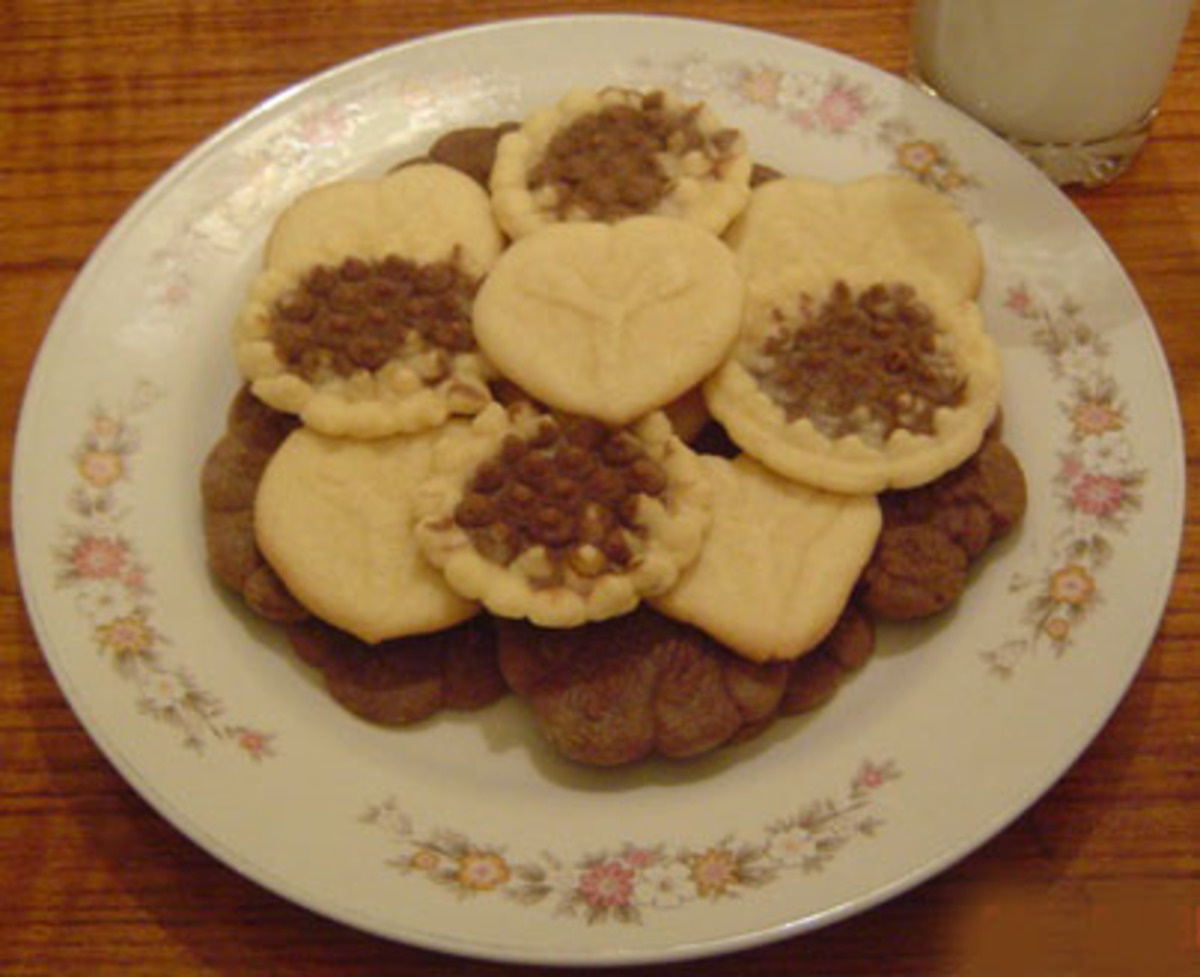
- Cream the Fats and Sugars: In a large mixing bowl, combine one cup of softened unsalted butter with one cup of white granulated sugar. Beat them together for at least three to five minutes. This process incorporates air, which helps the cookies stay light rather than dense.
- Incorporate Aromatics: Add one large egg and two teaspoons of high-quality vanilla extract. Some bakers also add a touch of almond extract for extra depth. Mix until the egg is fully integrated and the batter looks pale and creamy.
- Sift the Dry Ingredients: In a separate bowl, whisk together three cups of all-purpose flour, half a teaspoon of salt, and one teaspoon of baking powder. Sifting or whisking prevents lumps and ensures the leavening agent is evenly distributed.
- Combine Gently: Gradually add the dry flour mixture to the wet ingredients. Set your mixer to the lowest speed to avoid over-developing the gluten. Stop mixing as soon as the last streaks of flour disappear.
- The Chilling Phase: Divide the dough into two discs, wrap them in plastic, and refrigerate for at least one hour. Chilling the dough solidifies the butter, which prevents the cookies from spreading too much in the oven and helps them retain their cut-out shapes.
- Roll and Cut: On a lightly floured surface, roll the dough to about 1/4-inch thickness. Use your favorite cookie cutters to create shapes. Place them on a baking sheet lined with parchment paper.
- Bake to Perfection: Bake at 350°F (175°C) for 8 to 10 minutes. The cookies should look set but not browned. If the edges turn dark brown, they will be crunchy rather than soft.
- Cool and Decorate: Allow the cookies to cool completely on a wire rack. Once cold, you can decorate them with a glossy icing for detail or a thick frosting for flavor. For a more indulgent dessert, some even serve these warm with a side of fresh whipped cream.
Important Considerations for the Best Results
When baking sugar cookies, the temperature of your ingredients is the most critical factor. Many novice bakers make the mistake of using butter that is too cold or, conversely, melted. If the butter is too cold, it won’t cream with the sugar properly, leading to a gritty texture. If it is melted, the dough will be greasy and the cookies will flatten into pancakes in the oven. Aim for “cool room temperature,” where the butter gives slightly when pressed with a finger but still holds its shape.
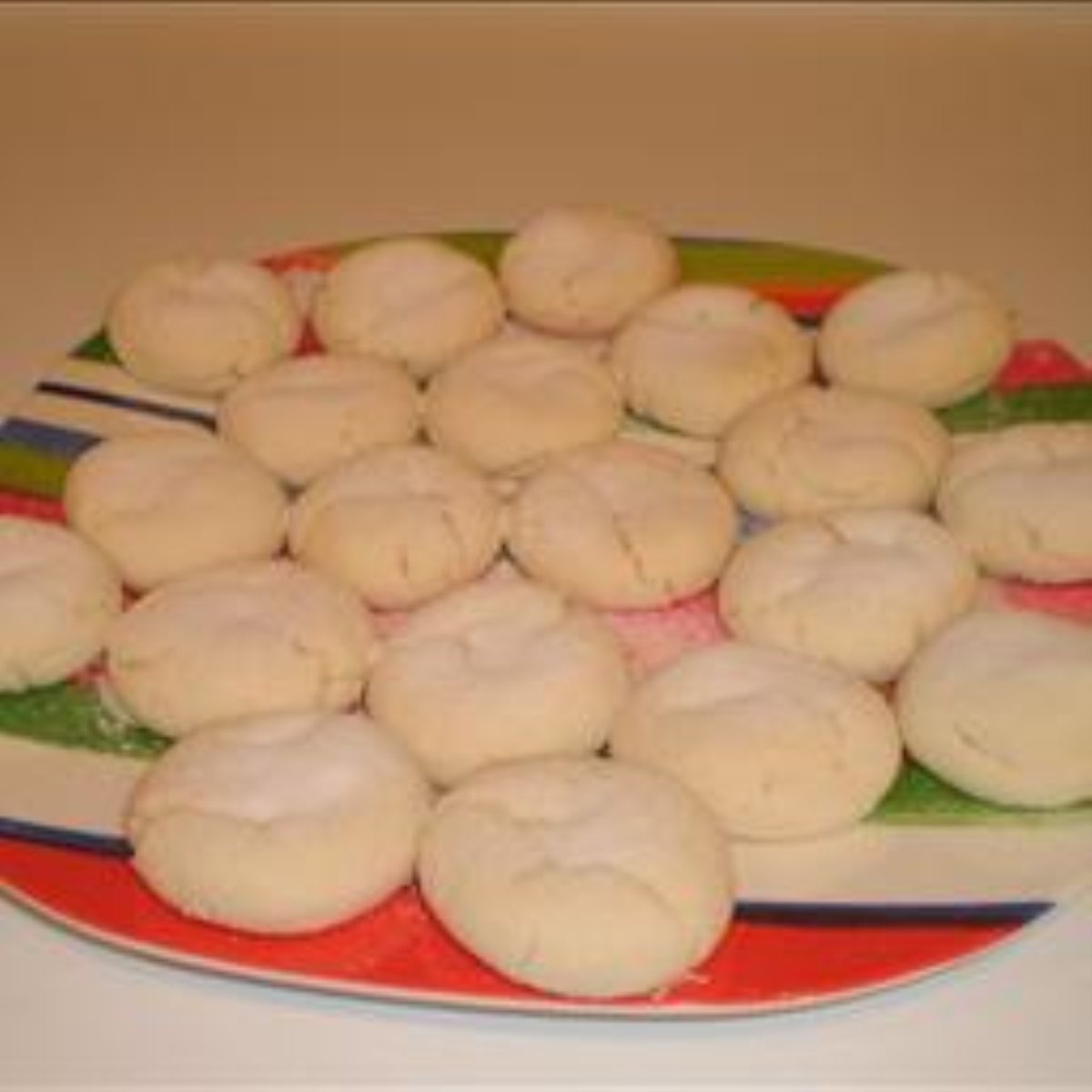
The type of topping you choose also dictates the final experience of the cookie. There is a functional difference between toppings:
- Icing: Usually made with confectioners’ sugar and water or milk, it dries hard and flat. This is best for intricate designs and stacking cookies.
- Frosting: A thicker, fat-based topping (like buttercream) that remains soft. It offers a richer flavor but makes the cookies harder to transport without smudging.
Lastly, be mindful of the flour measurement. Over-measuring flour is the primary cause of dry, flavorless sugar cookies. Instead of scooping the measuring cup directly into the bag—which packs the flour down—use a spoon to fill the cup and level it off with a knife. This ensures the ratio of fat to dry ingredients remains perfect, keeping the cookies moist and tender.
- Use Room Temp Eggs: Cold eggs can curdle the creamed butter. Place cold eggs in a bowl of warm water for 5 minutes before using.
- Don’t Skip the Salt: Even though it’s a sweet treat, salt balances the sugar and enhances the flavor of the vanilla extract.
- Prevent Sticking: If your dough gets too warm while rolling, put it back in the fridge for 10 minutes rather than adding more flour, which can make the cookies tough.
- Storage Secret: Store decorated cookies with a slice of bread in the container; the cookies will absorb the moisture from the bread and stay soft for days.
Conclusion
From their humble beginnings in the Moravian community of Nazareth, Pennsylvania, sugar cookies have grown into a global phenomenon. What started as a simple mixture of butter, sugar, and flour has evolved through the addition of baking powder and vanilla extract into a versatile dessert suitable for any occasion. Whether you prefer them plain, topped with a cloud of whipped cream, or intricately decorated with icing, understanding their history and the science of their ingredients ensures you can recreate this classic treat with perfection. By following the right techniques, you can continue the centuries-old tradition of sharing these delightful sweets with friends and family.
❓ Frequently Asked Questions
1
How long does sugar cookie dough last in fridge?
Raw sugar cookie dough typically lasts for three to five days when stored in an airtight container in the refrigerator. For longer storage, you can freeze the dough for up to three months. This makes it a great make-ahead option for holiday baking or busy schedules.
2
Can I make sugar cookies ahead of time?
Yes, sugar cookies are excellent for making ahead. You can bake them and store them in an airtight container at room temperature for up to one week. If you plan to decorate them with icing, ensure they are completely dry before stacking to prevent any sticking.
3
What can I substitute for butter in sugar cookies?
You can substitute butter with margarine or shortening, though the flavor and texture will change. Shortening results in a softer cookie that holds its shape better during baking, while margarine may cause more spreading. For a vegan option, high-quality plant-based butter sticks work best for consistency.
4
How do I know when sugar cookies are done?
Sugar cookies are done when the edges are set and just beginning to turn a very light golden brown. The centers may still look slightly soft or underbaked, but they will continue to firm up as they cool on the hot baking sheet for several minutes.
5
Can I freeze baked sugar cookies?
Baked sugar cookies freeze exceptionally well for up to three months. To maintain freshness, place the cooled cookies in a freezer-safe bag or airtight container, separating layers with parchment paper. This is a perfect way to prepare for large events or save leftovers for later.