Juicing Pulp Ideas: Best Ways to Use Leftovers
Juicing is an incredible way to flood your system with vitamins, minerals, and antioxidants in an easily digestible form. However, if you have ever stood over your kitchen sink staring at the mountain of fibrous remains left behind in the collection bin, you have likely asked yourself: after juicing what to do with the pulp? It feels like a massive waste to toss out several pounds of organic material every week, especially when you consider the price of fresh produce. The good news is that this “waste” is actually a goldmine of insoluble fiber and leftover nutrients that can be seamlessly integrated back into your diet, your garden, and even your skincare routine.
Juice pulp is an incredibly versatile, high-fiber resource that should be viewed as a food ingredient rather than a byproduct. By properly sorting and storing your pulp, you can enhance the nutritional profile of your meals and reduce food waste simultaneously.
The Nutritional Powerhouse Hidden in Your Pulp
When you put a carrot or an apple through a cold-press or centrifugal juicer, the machine separates the liquid from the solid. While the juice contains the bulk of the micronutrients, the pulp contains nearly all the insoluble fiber. This fiber is crucial for digestive health, helping to regulate blood sugar levels and keep you feeling full for longer periods. Additionally, no juicer is 100% efficient; a significant amount of antioxidants and residual vitamins remain trapped within the cellular walls of the pulp.
By finding creative ways to consume this material, you are effectively lowering the glycemic index of your original juice consumption. If you drink the juice and then eat the pulp in a separate meal, you are getting the full benefits of the whole food, just in two different stages. Understanding the composition of your pulp is the first step. For example, leafy green pulp is very high in calcium and iron, while carrot and beet pulp are rich in beta-carotene and betalains. These fibrous leftovers act as a prebiotic, feeding the beneficial bacteria in your gut microbiome, which is essential for a robust immune system.
Transforming Pulp into Culinary Masterpieces
One of the most popular answers to the question of what to do with the pulp is to incorporate it into your baking and cooking. Because the pulp is already finely shredded, it integrates beautifully into textures that require moisture and bulk. For savory applications, vegetable pulp acts as an excellent thickener for soups, stews, and chilis. Instead of using flour or cornstarch to thicken a vegetable broth, simply stir in a cup of carrot, celery, and kale pulp. It adds body and deepens the flavor profile without adding empty carbohydrates.

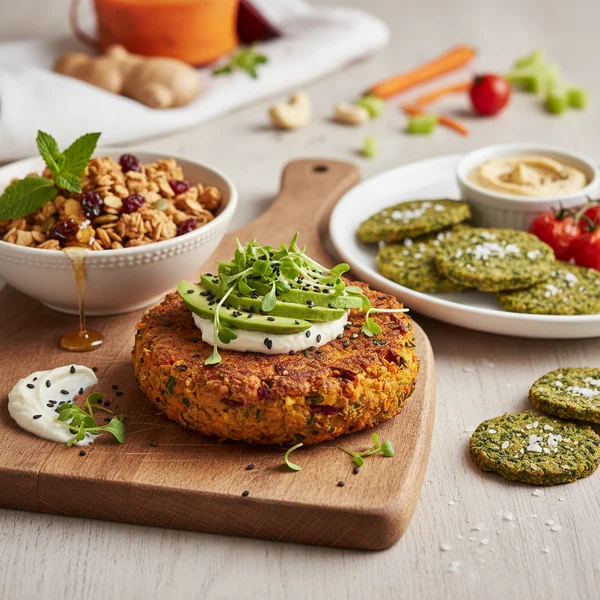
In the world of meat alternatives, juice pulp is a game-changer. You can mix vegetable pulp with cooked lentils, black beans, or quinoa to create hearty veggie burgers. The fibrous texture of the pulp mimics the “chew” of meat, while the residual moisture prevents the patties from drying out during the cooking process. You can also fold pulp into omelets or frittatas for a nutritional boost at breakfast. If you are working with fruit pulp, such as apple or pear, consider adding it to your morning oatmeal or yogurt bowls for added texture and natural sweetness.

Featured Recipe: The Ultimate Garden Green Pulp Cracker
If you are looking for a specific recipe to utilize your leftovers, these savory crackers are a perfect choice. They are crunchy, nutrient-dense, and make for a great snack when paired with hummus or guacamole. This method ensures that no fiber goes to waste while providing a shelf-stable snack for the week.
| Metric | Details |
|---|---|
| Prep Time | 15 minutes |
| Cooking Time | 45-60 minutes (or 8 hours in a dehydrator) |
| Servings | 6 servings (about 30 crackers) |
| Calories | 85 kcal per serving |
Ingredients:
- 2 cups packed vegetable juice pulp (carrot, kale, and celery work best)
- 1/2 cup ground flaxseeds
- 1/2 cup sunflower seeds or pumpkin seeds
- 2 tablespoons nutritional yeast (for a cheesy flavor)
- 1 teaspoon garlic powder
- 1/2 teaspoon sea salt
- 1/4 cup water (adjust based on pulp moisture)
Instructions:
- Preheat your oven to 300°F (150°C) or prepare your dehydrator.
- In a large mixing bowl, combine the juice pulp, ground flaxseeds, seeds, nutritional yeast, and seasonings.
- Slowly add water one tablespoon at a time until a thick, workable dough forms. The dough should be tacky but not runny.
- Line a baking sheet with parchment paper. Spread the mixture onto the paper, pressing it down into a thin, even layer (about 1/8 inch thick).
- Use a knife or pizza cutter to lightly score the dough into squares.
- Bake for 45 to 60 minutes, flipping halfway through, until the crackers are completely dry and crisp. If using a dehydrator, set it to 115°F and dry for 8-10 hours.
- Allow to cool completely before breaking along the scored lines and storing in an airtight container.
Non-Edible Uses: Composting and Beyond
If your kitchen is already stocked and you cannot possibly eat another pulp-based muffin, look toward your garden. Juice pulp is an exceptional addition to a compost pile. Because the produce has already been broken down into small bits, it decomposes much faster than whole vegetable scraps. This provides a quick infusion of nitrogen to your compost “green” layer, which helps balance the “brown” carbon materials like dried leaves or cardboard. This creates a nutrient-rich humus that will make your garden thrive in the coming seasons.
Beyond the garden, vegetable pulp can be used to make natural pet treats. Many dogs love the taste of carrots, beets, and greens. By mixing pulp with some oat flour and a little bit of peanut butter (ensure it is xylitol-free), you can bake healthy, fiber-rich biscuits for your furry friends. However, always be cautious and ensure the pulp does not contain ingredients toxic to pets, such as onions, garlic, grapes, or citrus peels. Additionally, some people use fruit pulp as a base for DIY face masks; the natural enzymes in pineapple or papaya pulp can act as a gentle exfoliant for the skin.
Proper Storage and Preservation Techniques
One of the biggest hurdles when deciding after juicing what to do with the pulp is the speed at which it spoils. Because the cellular structure has been compromised and it is high in moisture, pulp can begin to ferment or grow mold within 24 to 48 hours if left in the refrigerator. To maximize your options, you must have a storage strategy. If you don’t plan on using the pulp immediately, the best method is freezing.
Divide your pulp into recipe-sized portions (usually 1/2 cup to 1 cup increments) and place them in silicone freezer bags or ice cube trays. This allows you to drop a “pulp cube” directly into a simmering soup or a morning smoothie without any extra prep work. If you have a dehydrator, you can also dry the pulp completely and grind it into a fine powder. This “veggie powder” can be stored in a spice jar and used as a nutritional seasoning for popcorn, salads, or even mixed into flour for homemade pasta, providing a subtle color and a significant nutrient boost without changing the texture of the dish.
Expert Tips for Pulp Success
To get the best results, professionals recommend “stage juicing.” If you know you want to make apple cinnamon muffins, juice your apples first, clear the pulp bin, and then move on to your greens and celery. This keeps your flavors separated and ready for specific uses. Additionally, if your pulp is excessively wet, it may be a sign that your juicer is not very efficient. You can give the pulp a quick squeeze through a nut milk bag to reclaim the last bit of juice before using the fiber in your cooking.
Another insider secret is to pay attention to the “stringiness” of certain vegetables. Celery and ginger produce very fibrous, stringy pulp that can be unpleasant in baked goods. For these types of pulp, it is better to use them for making vegetable broth or adding them to the compost pile rather than incorporating them into a smooth batter.
- Always peel citrus fruits before juicing if you plan to use the pulp, as the bitter white pith can ruin the flavor of your recipes.
- Add a pinch of salt to vegetable pulp before freezing to help preserve the color and prevent oxidation.
- Use a food processor to further refine the pulp if you want it to “disappear” into sauces for picky eaters.
Reducing food waste is a journey that starts with small, intentional choices in the kitchen. When you stop seeing juice pulp as trash and start seeing it as a versatile ingredient, you unlock a new level of efficiency in your healthy lifestyle. Whether you are baking high-fiber crackers, enriching your garden soil, or creating healthy treats for your pets, the possibilities are nearly endless. By integrating these practices, you ensure that every cent spent on organic produce is fully utilized, benefiting both your body and the environment.
❓ Frequently Asked Questions
1
How long does juice pulp last in fridge?
Fresh juice pulp should be stored in an airtight container in the refrigerator and used within 24 to 48 hours. Because it contains high moisture and no preservatives, it can spoil quickly or develop an off-flavor. For longer storage, consider freezing the pulp in measured portions.
2
Can I freeze juice pulp for later use?
Yes, freezing juice pulp is an excellent way to save it for future recipes. Place the pulp in freezer-safe bags, squeeze out the air, and store for up to three months. This method works perfectly for pulp intended for smoothies, hearty soups, or baked goods.
3
What can I substitute for flax seeds in pulp crackers?
If you do not have flax seeds, you can use chia seeds or a combination of flour and a little oil to bind the pulp. The goal is to create a sticky consistency that holds together when spread thin. Flax and chia are preferred for their binding properties.
4
How do I know when pulp crackers are done?
The crackers are done when they are completely dry to the touch and snap easily when broken. If they still feel soft or pliable in the center, they require more time in the oven. Baking at a low temperature prevents burning while ensuring a perfectly crunchy texture.
5
Can I feed juice pulp to my dog?
Many vegetable pulps, such as carrot, kale, or apple, are safe and healthy for dogs. However, never include pulp containing onions, garlic, grapes, or citrus, as these are toxic to pets. Always consult your veterinarian before introducing significant amounts of new fiber into your dog’s daily diet.