What Is a Winter Squash? Ultimate Healthy Guide
Winter squash refers to several species of the genus Cucurbita that are harvested in the late summer or autumn once they have reached full maturity. Unlike summer squash, which have soft, edible skins, winter squash feature a thick, tough rind and hard seeds, allowing them to be stored for several months throughout the winter. Common varieties include butternut, acorn, spaghetti, and pumpkins. They are typically cooked before consumption, offering a sweet, starchy flesh rich in nutrients like Vitamin A and fiber.
Defining Winter Squash: Botany, Harvest, and Characteristics
To understand what a winter squash is, one must first look at its life cycle and botanical structure. While the name suggests they grow in the snow, winter squash are actually warm-weather crops. They are planted in the spring and grow throughout the summer. The “winter” designation comes from their historical role as a primary food source during the cold months. Because they develop a dense, protective skin, they can remain shelf-stable for long periods without refrigeration.
From a botanical perspective, winter squash belong to the Cucurbitaceae family. This group includes three primary species: Cucurbita maxima (like Hubbard and Kabocha), Cucurbita moschata (like Butternut), and Cucurbita pepo (like Acorn and Spaghetti squash). The defining difference between these and summer squash (like zucchini) is the stage of maturity at harvest. Summer squash are picked while immature, meaning their skin is thin and succulent. Winter squash are left on the vine until the plant begins to die back and the rinds are too hard to be pierced by a fingernail.
The interior of a winter squash is also distinct. While summer squash are mostly water, winter squash are dense and starchy. They contain a central cavity filled with large, hard seeds and fibrous pulp. Once the seeds are removed, the flesh can be roasted, boiled, or puréed. This high starch content translates into a higher calorie count than summer varieties, but it also provides a wealth of complex carbohydrates and dietary fiber. They are also famous for their deep orange or yellow hues, which indicate high levels of beta-carotene, an antioxidant the body converts into Vitamin A.
Understanding the Most Popular Varieties
When searching for a winter squash recipe, you will find that different varieties offer unique textures and flavor profiles.
Butternut Squash: Known for its bell-like shape and tan skin, butternut is perhaps the most versatile. Its flesh is smooth, sweet, and nutty, making it ideal for creamy soups or cubing into a harvest salad. It is relatively easy to peel compared to other varieties.
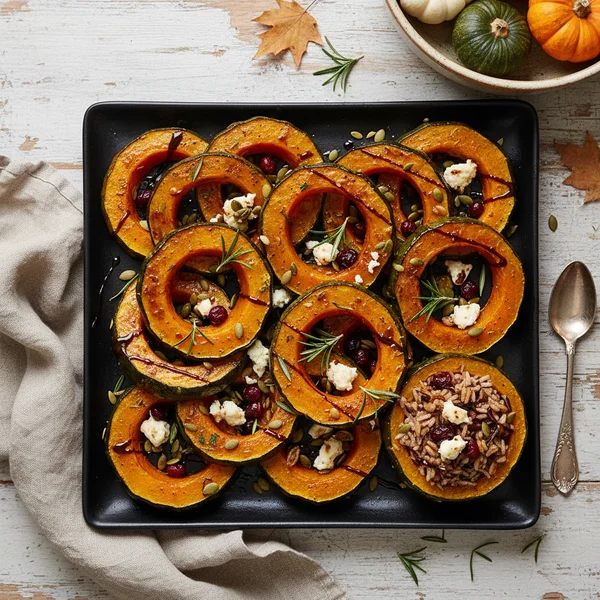
Acorn Squash: This small, dark green squash is shaped like its namesake. It has distinct ridges and a yellow-orange interior. Because of its natural bowl shape, it is frequently used for stuffing with grains, meats, or fruits. The skin is technically edible once roasted, though it remains tougher than a summer squash skin.
Spaghetti Squash: This variety is a culinary anomaly. Once cooked, its flesh can be scraped with a fork to create long, translucent strands that resemble noodles. It has a very mild flavor, making it a popular low-carb substitute for traditional pasta.
Kabocha Squash: Often called the Japanese pumpkin, the Kabocha has a squat, dark green exterior and incredibly dense, sweet flesh. It has a texture similar to a cross between a sweet potato and a pumpkin, making it a favorite for roasting or tempura.
Step-By-Step Guide: How to Roast Winter Squash
Because winter squash are so dense, roasting is the preferred method for bringing out their natural sugars through caramelization. Below is a foundational method that works for almost any variety, whether you are making a side dish or preparing ingredients for a larger meal.
Preparation Details:
- Prep time: 15 minutes
- Cooking time: 40 to 50 minutes
- Servings: 4 people
- Calories: Approximately 80-120 calories per serving (depending on oil and squash type)
Ingredients:
- 1 large winter squash (approx. 2-3 pounds)
- 2 tablespoons olive oil or melted coconut oil
- 1 teaspoon salt
- 1/2 teaspoon black pepper
- Optional: 1 tablespoon maple syrup or brown sugar for extra sweetness
- Optional: 1/2 teaspoon cinnamon or smoked paprika for depth
Instructions:
- Preheat and Prepare: Preheat your oven to 400°F (200°C). Line a large baking sheet with parchment paper or silicone mats to prevent sticking.
- Safe Cutting: Winter squash can be difficult to cut. Start by slicing off the stem and the bottom to create a stable base. Stand the squash upright and slice it in half vertically from top to bottom using a sharp chef’s knife.
- Seed Removal: Use a sturdy metal spoon to scrape out the seeds and the stringy pulp from the center. You can save the seeds for roasting later, similar to pumpkin seeds.
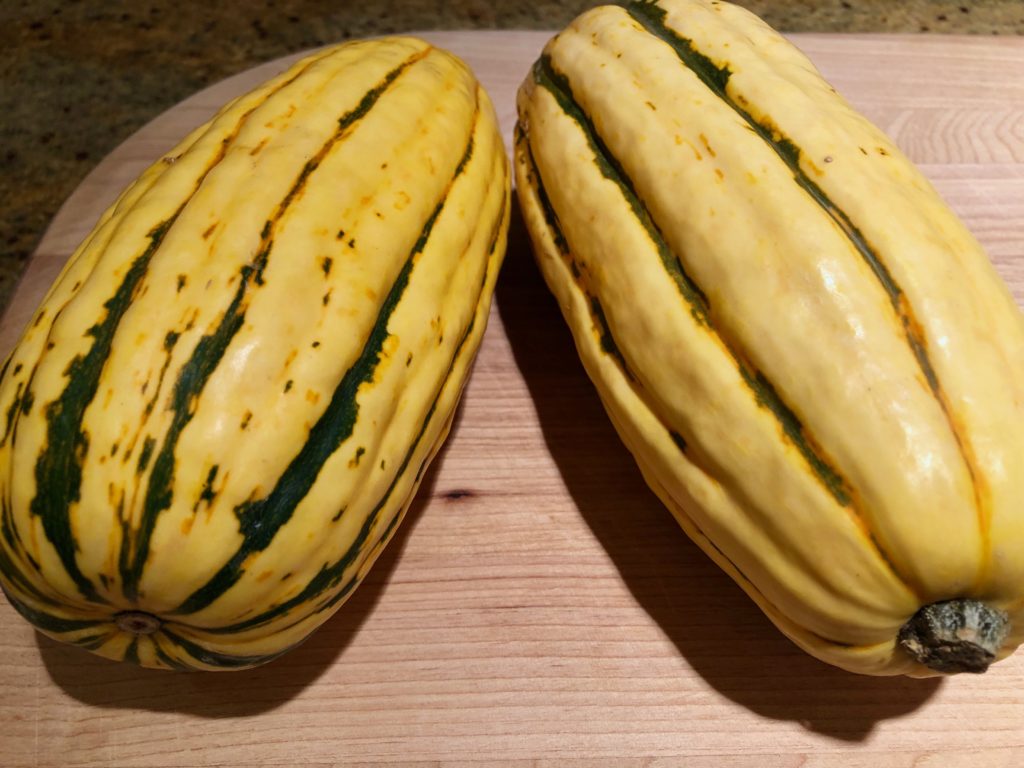
- Peeling and Cubing (Optional): If using butternut, you may want to peel the skin with a vegetable peeler. For acorn or delicata, you can leave the skin on. Slice the flesh into 1-inch cubes for even cooking. Alternatively, leave the halves whole to roast for purée.
- Seasoning: Place the cubes in a large bowl. Drizzle with olive oil and sprinkle with salt, pepper, and any optional spices. Toss thoroughly to ensure every piece is coated.
- Roasting: Spread the squash in a single layer on the prepared baking sheet. Avoid crowding, as this will cause the squash to steam rather than roast. Bake for 40 to 50 minutes, flipping once halfway through, until the edges are golden brown and the center is fork-tender.
- Serving: Serve immediately as a side, or let it cool and add it to salads, pasta, or grain bowls.
Important Considerations for Cooking and Storage
Working with winter squash requires a bit more physical effort than other vegetables. The most significant challenge is the hardness of the rind. To make cutting easier and safer, you can microwave the whole squash for 2-3 minutes to slightly soften the skin before attempting to slice it. Always ensure your knife is sharp; a dull knife is more likely to slip on the waxy surface of the squash.
When selecting a squash at the market, look for one that feels heavy for its size. The skin should be matte rather than shiny; a shiny skin on a winter squash often indicates it was picked too early. Avoid any squash with soft spots, mold, or deep gashes. A small amount of scarring on the skin is normal and typically doesn’t affect the quality of the flesh inside.
Storage is another critical factor. Unlike most produce, winter squash should not be kept in the refrigerator. Instead, store them in a cool, dark, and dry place with good ventilation, such as a pantry or a cellar. Under the right conditions, varieties like the Hubbard or Butternut can last for up to six months. However, once you have cut into the squash, any unused portions must be wrapped tightly in plastic and refrigerated, where they will stay fresh for about 4-5 days.
- Don’t Waste the Seeds: Just like pumpkin seeds, the seeds of butternut and acorn squash are delicious when cleaned, tossed in oil/salt, and roasted at 300°F until crunchy.
- Boost the Flavor: If your squash tastes a bit bland, add an acid. A squeeze of lemon juice or a drizzle of balsamic glaze after roasting can brighten the earthy flavors.
- Check for “Curing”: If you grow your own, remember to “cure” the squash by letting it sit in a warm, dry spot for 10 days after harvest to toughen the skin for long-term storage.
- Puree for Later: If you have too much squash, roast and puree it, then freeze it in muffin tins. These pre-portioned pucks are perfect for adding to oatmeal, smoothies, or sauces.
Conclusion
Winter squash is a cornerstone of seasonal cooking, offering a unique blend of culinary versatility and high nutritional value. Whether you are seeking a low-carb pasta alternative like spaghetti squash or a comforting, velvety soup made from butternut, these hardy vegetables provide endless possibilities. By understanding the different varieties and mastering the art of roasting, you can make the most of their naturally sweet flavor and satisfying texture. Remember to handle them with care during preparation and store them in a cool, dry place to enjoy their benefits well into the colder months.
❓ Frequently Asked Questions
1
How long does winter squash last in fridge?
Once cooked, winter squash typically lasts four to five days in the refrigerator when stored in an airtight container. If the squash is raw and uncut, it should not be refrigerated; instead, keep it in a cool, dry place where it can last for several months in your pantry.

2
Can I make winter squash ahead of time?
Yes, you can roast winter squash ahead of time and reheat it when ready to serve. This is a great time-saving strategy for meal prep. Simply store the cooked pieces in the fridge and warm them in the oven or microwave to maintain their texture and savory autumn flavor.
3
What can I substitute for winter squash?
If a recipe calls for winter squash and you don’t have any, sweet potatoes or yams are the best substitutes due to their similar texture and sweetness. Pumpkin is another excellent alternative, especially in soups or purees, as it provides a comparable earthy flavor and a smooth cooking consistency.
4
How do I know when winter squash is done?
You will know winter squash is done when the flesh is tender enough to be easily pierced with a fork or knife. For roasted varieties, look for caramelized brown edges and a soft, buttery texture. The skin may also slightly pull away from the flesh once it is fully cooked.
5
Can I freeze winter squash?
You can definitely freeze winter squash to extend its shelf life. It is best to peel, cube, and blanch the squash before freezing, or you can freeze it as a smooth puree. When stored in airtight, freezer-safe bags, it will maintain high quality for up to one year.