When Was Juice Invented? Fascinating Historical Guide
While your morning glass of orange juice or a cold-pressed green tonic might feel like a modern dietary staple, the history of fruit and vegetable extraction is a journey that spans millennia. Humans have been seeking ways to separate the life-giving liquid from the pulp of plants since the dawn of organized civilization. To understand the origins of this beverage, we must look back to ancient manuscripts and archaeological findings that reveal a deep-seated human desire for a refreshing, concentrated burst of flavor and nutrients. From the sun-drenched orchards of the Levant to the industrial innovations of the modern era, the evolution of juice is a testament to our ongoing quest for hydrating and healthful sustenance. In this exploration, we will uncover the ancient roots, the technological breakthroughs, and the cultural shifts that transformed fruit water into a global phenomenon.
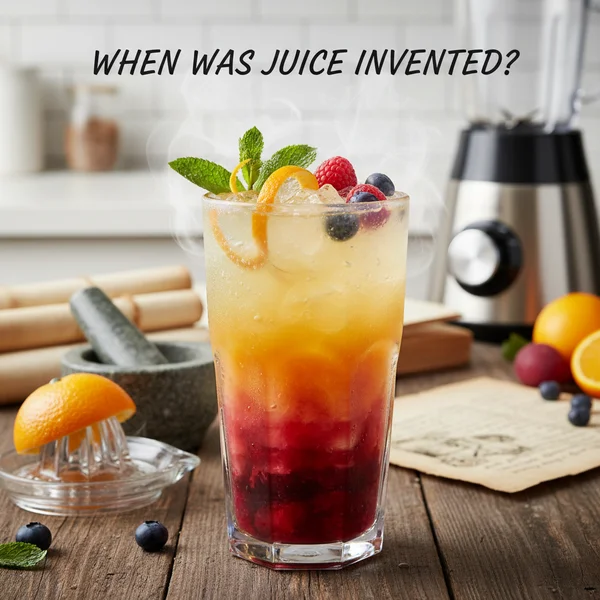
Juice extraction dates back to at least the second century BCE, with pomegranate and fig juices being among the first recorded. However, the modern juice industry as we know it today was truly born with the invention of pasteurization in the mid-to-late nineteenth century and the subsequent rise of frozen concentrates and home appliances.
The Ancient Origins of Liquid Sustenance
The story of juice begins long before the invention of the electric blender. Archaeological evidence and ancient texts suggest that early civilizations were quite adept at extracting liquids from fruits. One of the earliest written references to a beverage that resembles juice is found in the Dead Sea Scrolls, which mention a mashed pomegranate and fig drink. In these ancient times, the process was rudimentary but effective: fruit was placed in sacks or bowls and crushed by hand or stone to release its nectar.
In the Mediterranean and Middle Eastern regions, grapes were the primary focus of extraction, though most of this liquid was destined for fermentation into wine. However, unfermented grape juice was often consumed as a refreshing beverage during harvest times. These early versions were rarely chilled, as refrigeration did not exist; instead, they were consumed immediately or stored in cool, underground clay vessels to maintain a manageable temperature.
The focus in antiquity was not just on flavor but also on the perceived medicinal properties of the extracts. Pomegranate juice, for example, was highly valued for its high concentration of nutrients and was often used in early medical practices to treat various ailments. While these ancient people didn’t have the scientific terminology to describe it as a hydrating electrolyte-rich drink, they understood intuitively that these liquids provided a significant energy boost compared to plain water.
The Industrial Revolution and the Preservation Breakthrough
For centuries, juice remained a seasonal luxury because it fermented almost immediately after being pressed. This changed dramatically during the nineteenth century. The pivotal moment came when researchers and inventors began looking for ways to prevent the natural fermentation of fruit sugars. A significant breakthrough occurred when a dentist in the United States, Thomas Welch, applied the principles of pasteurization—a process popularized by Louis Pasteur—to grape juice. By heating the juice to kill yeast and bacteria, Welch successfully bottled the first “unfermented wine,” which we now recognize as the first commercially stable fruit juice.
This era also saw the rise of the citrus industry. Sailors had long known that citrus fruits could prevent scurvy, but transport was difficult. With the advent of better shipping and the development of pasteurization, citrus juices began to reach a wider audience. However, the taste of pasteurized juice was often criticized for being too “cooked.” This led to further innovation in the early-to-mid twentieth century, particularly the development of frozen concentrate technology. This allowed juice to be evaporated and frozen, preserving its flavor more effectively than high-heat bottling alone.
The logistics of juice changed forever during the mid-twentieth century when the process of “flash pasteurization” was perfected. This allowed for a product that tasted closer to fresh fruit while remaining shelf-stable for weeks. The ability to transport chilled cartons across vast distances meant that someone in a cold climate could enjoy the refreshing taste of Florida oranges at any time of the year, marking the beginning of juice as a global commodity.
The Rise of the Home Kitchen Revolution
As the commercial juice industry expanded, so did the technology available to the average consumer. The mid-twentieth century ushered in the era of the countertop appliance. The first centrifugal juicers were patented during this time, allowing individuals to extract fresh liquid from whole vegetables and fruits in their own kitchens. This shifted the focus from mass-produced, sugary drinks back toward the “whole food” health benefits of fresh extraction.
Later, the introduction of the high-speed blender changed the landscape once again. Unlike traditional juicers that remove the fiber, a blender incorporates the entire fruit into the drink, creating “whole juice” or smoothies. This innovation allowed for the addition of ice to create chilled, slushy textures that became incredibly popular in the later decades of the century. The ability to pulse frozen berries or tropical fruits into a thick, hydrating puree expanded the definition of what “juice” could be.
Today, we see a fusion of these technologies. Cold-press or “masticating” juicers have become the gold standard for enthusiasts who want to avoid the heat generated by centrifugal blades, which can slightly degrade certain enzymes. Below is a comparison of the two main types of modern extraction:
| Feature | Centrifugal Juicing | Cold-Press (Masticating) |
|---|---|---|
| Speed | Very Fast | Slow and Deliberate |
| Nutrient Retention | Moderate (some heat) | High (minimal heat) |
| Texture | Thin and watery | Rich and concentrated |
| Shelf Life | Best consumed immediately | Up to 72 hours |
Hydration and the Modern Palate
In the contemporary world, juice has moved beyond a simple breakfast accompaniment. It is now a key component of the global wellness movement. The emphasis has shifted toward “functional” beverages—juices that are not just refreshing but also provide specific health benefits, such as anti-inflammatory properties or enhanced hydrating capabilities. Ingredients like ginger, turmeric, and kale have replaced the sugar-heavy blends of the past.
The presentation of juice has also evolved. A high-end juice is often served chilled with a sophisticated garnish, such as a sprig of mint or a slice of dehydrated citrus, elevating it from a pantry staple to a culinary experience. The use of ice has also become more artistic, with clear, slow-melting cubes used in premium juice-based mocktails to ensure the drink remains cold without becoming diluted too quickly.
Furthermore, the “clean label” movement has forced manufacturers to move away from frozen concentrates and back toward “not-from-concentrate” (NFC) options. Consumers today are looking for transparency in where their fruit is grown and how it is processed. This return to simplicity mirrors the ancient methods of extraction, albeit with the safety and efficiency provided by modern technology. Whether it is a frozen fruit blend or a fresh-pressed green juice, the core motivation remains the same: a desire for the pure, concentrated essence of nature.
Expert Tips for the Perfect Juice Experience
When preparing or selecting juice, experts recommend focusing on the “extraction-to-consumption” window. The moment a fruit is sliced and exposed to oxygen, its nutritional profile begins to change. To get the most hydrating and nutrient-dense experience, always opt for fresh-pressed over shelf-stable varieties when possible. If you are making juice at home using a blender, adding a few ice cubes during the process can help counteract the heat generated by high-speed motors, keeping the liquid chilled and preserving sensitive vitamins.
Additionally, don’t overlook the power of the garnish. A simple addition of fresh herbs or a pinch of sea salt can enhance the flavor profile and even aid in the absorption of certain nutrients. For those looking for a refreshing summer treat, frozen juice popsicles are an excellent way to enjoy the beverage while staying cool.
- Combine high-water content vegetables like cucumber or celery with your fruit to increase the hydrating benefits without adding too much sugar.
- Always wash your produce thoroughly, even if you are peeling it, to prevent bacteria from transferring to the juice during extraction.
- Store fresh juice in airtight glass containers and fill them to the very top to minimize oxygen exposure.
The Lasting Legacy of Juice
From the hand-crushed pomegranates of ancient Babylon to the high-tech blender cultures of today, juice has remained a constant in the human diet. It has evolved from a primitive medicinal tonic into a sophisticated, refreshing, and multi-billion dollar industry. While the methods of preservation—from frozen concentrates to high-pressure processing—have changed, our fundamental appreciation for a chilled, hydrating glass of nature’s best remains the same. As we look forward, the focus continues to sharpen on sustainability and pure ingredients, ensuring that juice remains a vital part of our culinary future. Enjoy your next glass with a new appreciation for the centuries of innovation behind it.
❓ Frequently Asked Questions
1
How long does fresh juice last in fridge?
Freshly made juice usually lasts between 24 and 48 hours in the refrigerator. Because it lacks commercial preservatives, it begins to oxidize and lose its nutritional potency quickly. For the best flavor and safety, store it in an airtight glass container and consume it within one to two days.
2
Can I make juice ahead of time?
You can make juice ahead of time, but it is ideal to drink it immediately. If preparing in advance, keep it in the coldest part of your fridge in a sealed bottle. You may notice some separation, which is natural; simply give it a quick shake before enjoying your drink.
3
What can I substitute for a juicer?
A standard kitchen blender is the perfect substitute for a dedicated juicer. Simply blend your fruit with a splash of water until smooth, then pour the mixture through a cheesecloth or fine-mesh strainer to remove the fiber. This method yields a delicious, refreshing beverage without needing extra appliances.
4
How do I know when juice is done?
Juice is ready when the liquid is fully extracted and the consistency is uniform. If using a blender, ensure all large chunks of fruit or ice are completely liquefied. Once the mixture is strained and you have a smooth, colorful liquid, it is ready to be poured and enjoyed.
5
Can I freeze fresh juice?
Yes, you can freeze fresh juice for up to three months. Use freezer-safe containers and leave a little space at the top for expansion. Freezing is an excellent way to preserve large batches of hydrating fruit juice, though the texture might change slightly once thawed and stirred.