Can I Drink Orange Juice at Night? Ultimate Guide
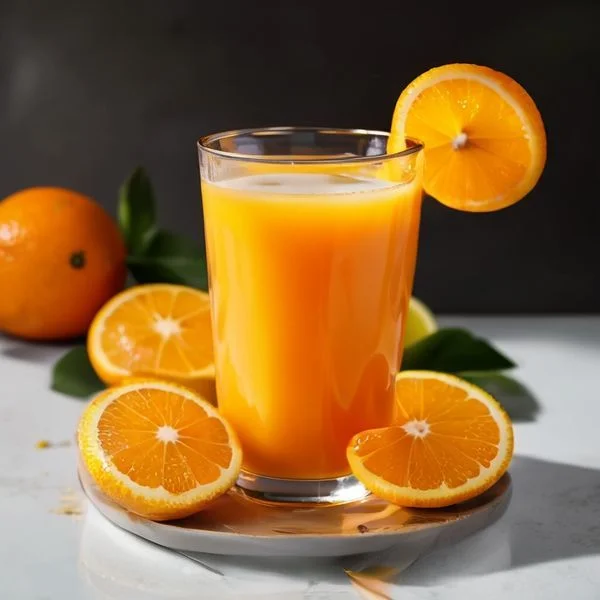
Yes, you can drink orange juice at night, but it is not always the best choice for everyone. While it provides a refreshing dose of Vitamin C and is quite hydrating, its high acidity can trigger acid reflux or heartburn in some people. Furthermore, the natural sugars can cause a slight energy spike. To minimize sleep disruption, it is recommended to enjoy a small, chilled glass at least two hours before heading to bed.
Understanding the Impact of Orange Juice on Your Sleep
Drinking orange juice at night is a common habit for those seeking a sweet, refreshing treat before bed. However, the physiological effects of citrus consumption during the evening hours are multifaceted. From a nutritional standpoint, orange juice is highly hydrating and packed with antioxidants. It contains potassium, which can help support muscle relaxation, and Vitamin C, which is essential for the body’s repair processes that occur during sleep. Despite these benefits, there are several practical reasons why you should be mindful of your timing.
One of the primary concerns with nighttime consumption is the acidity levels found in citrus fruits. Oranges are naturally high in citric acid. When you lie down shortly after drinking an acidic beverage, the stomach acid is more likely to travel back up into the esophagus, leading to gastroesophageal reflux (GERD) or general heartburn. This discomfort can significantly impair your ability to fall asleep and stay asleep throughout the night.
Additionally, we must consider the sugar content. Even 100% natural orange juice contains fructose. While it is a natural sugar, it still triggers an insulin response. For some, this mild glucose fluctuation can lead to a burst of energy or a “sugar spike,” which is counterproductive when you are trying to wind down. If you are particularly sensitive to sugar, drinking a large glass right before your head hits the pillow might keep your brain more alert than desired. However, for most healthy individuals, a small amount won’t cause severe insomnia, especially if the juice is part of a balanced evening.
How to Prepare a Nighttime Citrus Mocktail Safely
If you decide to enjoy orange juice in the evening, the method of preparation can make a significant difference in how your body processes it. By modifying how you serve it, you can create a drink that is both hydrating and less likely to cause digestive distress. Following a few simple steps can transform a standard glass of juice into a soothing, chilled evening beverage.
1. Select High-Quality Juice: Opt for fresh-pressed or low-acid varieties if available. Avoid brands with added sugars or corn syrup, as these will only exacerbate the potential for a nighttime energy spike.
2. Use a Blender for Texture: If you want a more substantial treat, place a cup of orange juice into a blender with some ice. Blending the juice creates a frothy, aerated texture that feels more like a dessert and encourages you to sip more slowly, preventing a sudden rush of sugar into your system.
3. Temperature Control: Ensure the drink is perfectly chilled. Cold beverages are often perceived as more refreshing and can be more satisfying in smaller quantities than room-temperature drinks.
4. Incorporate Frozen Elements: Instead of diluting the juice with water, try adding frozen orange segments or frozen grapes to the glass. This keeps the drink cold and provides a bit of fiber if you choose to eat the fruit afterward, which helps slow down sugar absorption.
5. Dilute for Hydration: To make the drink more hydrating and less acidic, mix one part orange juice with one part sparkling water or herbal tea. This reduces the concentration of citric acid while maintaining the flavor profile.
6. Add a Garnish: Finish the drink with a garnish of fresh mint or a thin slice of cucumber. The aroma of mint is known to be soothing and can help settle the stomach, balancing the acidity of the citrus.
Important Considerations for Nighttime Consumption
While orange juice is generally healthy, there are specific considerations to keep in mind if you make it a regular part of your evening routine. Awareness of these factors will help you avoid the common pitfalls associated with late-night citrus consumption.
First and foremost is dental health. The combination of high acidity and natural sugars in orange juice can soften tooth enamel. If you drink it right before bed and then go to sleep, the sugars sit on your teeth for hours, increasing the risk of cavities. It is crucial to wait at least 30 minutes after drinking juice before brushing your teeth to allow the enamel to re-harden, or at the very least, rinse your mouth with plain water immediately after finishing your glass.
Another consideration is portion control. Because orange juice lacks the fiber found in whole fruit, it is easy to consume a large amount of calories and sugar very quickly. Keeping your evening serving to four or six ounces is a best practice. This provides the refreshing taste you crave without overloading your digestive system or your bladder, which could lead to multiple trips to the bathroom during the night.
Lastly, those with pre-existing conditions like diabetes or severe acid reflux should consult with a professional. The impact of nighttime sugar and acid is much more pronounced in these individuals. If you find that you consistently wake up with a sour taste in your mouth or feel restless after your evening juice, it may be time to switch to a more neutral beverage like chamomile tea.
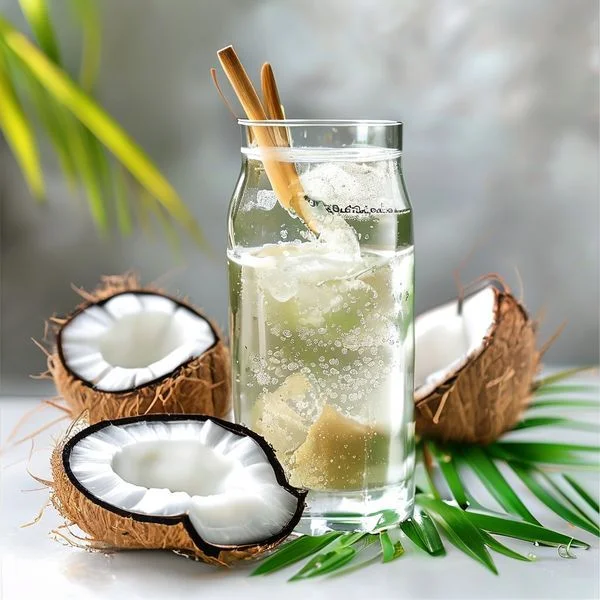
- Try mixing your juice with a splash of magnesium-rich coconut water to enhance the hydrating benefits and promote muscle relaxation.
- Never drink orange juice on a completely empty stomach at night; having a small piece of cheese or a few nuts can help buffer the acid and slow sugar absorption.
- Use a blender to mix in a small amount of Greek yogurt for a “creamsicle” effect that adds protein to your evening snack.
- Always serve your juice chilled with plenty of ice to encourage slower sipping.
Conclusion
In summary, drinking orange juice at night is perfectly acceptable for most people as long as it is done in moderation. It serves as a refreshing and hydrating beverage that offers essential vitamins. However, to avoid issues like acid reflux or tooth enamel erosion, it is best to enjoy it at least two hours before sleep and consider diluting it with water. By using a blender to incorporate ice and adding a healthy garnish, you can enjoy a delicious, chilled treat that fits perfectly into a balanced lifestyle.
❓ Frequently Asked Questions
1
How long does orange juice last in fridge?
Freshly squeezed orange juice typically lasts for 2 to 3 days when stored in a sealed glass container in the refrigerator. Store-bought versions often last longer due to pasteurization, but always check the expiration date and look for signs of spoilage or off-odors before consuming.


2
Can I make orange juice ahead of time?
You can certainly make it ahead of time, but vitamin C levels begin to degrade once exposed to air. For the best taste and nutrient density, try to consume it within 24 hours. Keep it tightly sealed and chilled to maintain that crisp, refreshing flavor profile.
3
What can I substitute for orange juice?
If you find orange juice too acidic at night, try coconut water or herbal teas like chamomile. These options are hydrating and much lower in sugar and acid, making them gentler on the stomach while still providing a refreshing beverage experience before you head to sleep.
4
How do I know when orange juice is done?
Freshly squeezed juice is ready once you have extracted all the liquid from the pulp. If you prefer a smoother texture, you can run the liquid through a fine-mesh strainer. Ensure the color is vibrant and the aroma is sweet and citrusy before serving your drink.
5
Can I freeze orange juice?
Yes, you can freeze orange juice for up to four months. Use an airtight container or even an ice cube tray to create small portions. These frozen cubes are perfect for adding to a blender later to create a quick, refreshing, and hydrating slushie or smoothie.