Watermelon and Soy Sauce: Delicious & Simple
Watermelon and soy sauce might sound like a culinary mistake at first glance, but this unconventional pairing is currently taking the food world by storm. Often used as a sophisticated plant-based alternative to raw fish, the combination creates a complex profile that balances natural fruit sweetness with a deep, savory umami finish. Whether you are curious about the viral social media trends or looking for a professional-grade vegan appetizer, understanding how these two ingredients interact is essential for any modern home cook. In this guide, you will learn the science behind the flavor, a comprehensive recipe for watermelon “tuna,” and expert techniques to master this unique dish in your own kitchen.

The combination of watermelon and soy sauce works because salt suppresses bitterness and enhances the natural sweetness of the fruit, while the soy sauce provides a savory umami depth that mimics the texture and appearance of seafood when prepared correctly.
The Science of Flavor: Why Watermelon and Soy Sauce Work
The marriage of watermelon and soy sauce relies on the fundamental principles of taste balancing. In the culinary world, salt is the most effective tool for enhancing sweetness. When you apply soy sauce to watermelon, the high sodium content cuts through the watery profile of the fruit, making the sugars taste more pronounced and vibrant. Furthermore, soy sauce contributes “umami,” the fifth basic taste characterized by savoriness. This transforms a simple fruit into something that mimics the savory qualities of protein, which is why it has become the gold standard for vegan seafood substitutes.
Beyond the flavor, the chemical structure of watermelon makes it an ideal candidate for this pairing. Watermelon is over ninety percent water, but it also contains a fibrous network that can be manipulated. When marinated in soy sauce and then subjected to heat, the watermelon loses its crispness and takes on a dense, “meaty” texture. This process, often called “maceration” or “osmosis,” allows the soy sauce to penetrate deep into the fruit cells, replacing the water with savory seasoning. The result is a striking visual and textural resemblance to ahi tuna or salmon sashimi.
The Ultimate Watermelon “Tuna” Recipe
To truly experience the potential of watermelon and soy sauce, you must go beyond simply dipping raw fruit. Creating a “cooked” version involves a specific marinade and a slow-roasting process to achieve the desired density. This recipe is perfect for poke bowls, sushi rolls, or as a standalone appetizer.
Ingredients:
- 1 small seedless watermelon (cubed into 1-inch pieces)
- 1/4 cup low-sodium soy sauce
- 2 tablespoons toasted sesame oil
- 1 tablespoon rice vinegar
- 1 teaspoon grated fresh ginger
- 1 clove garlic, minced
- 1 sheet of nori (crumbled), optional for “sea” flavor
Step-by-Step Instructions:
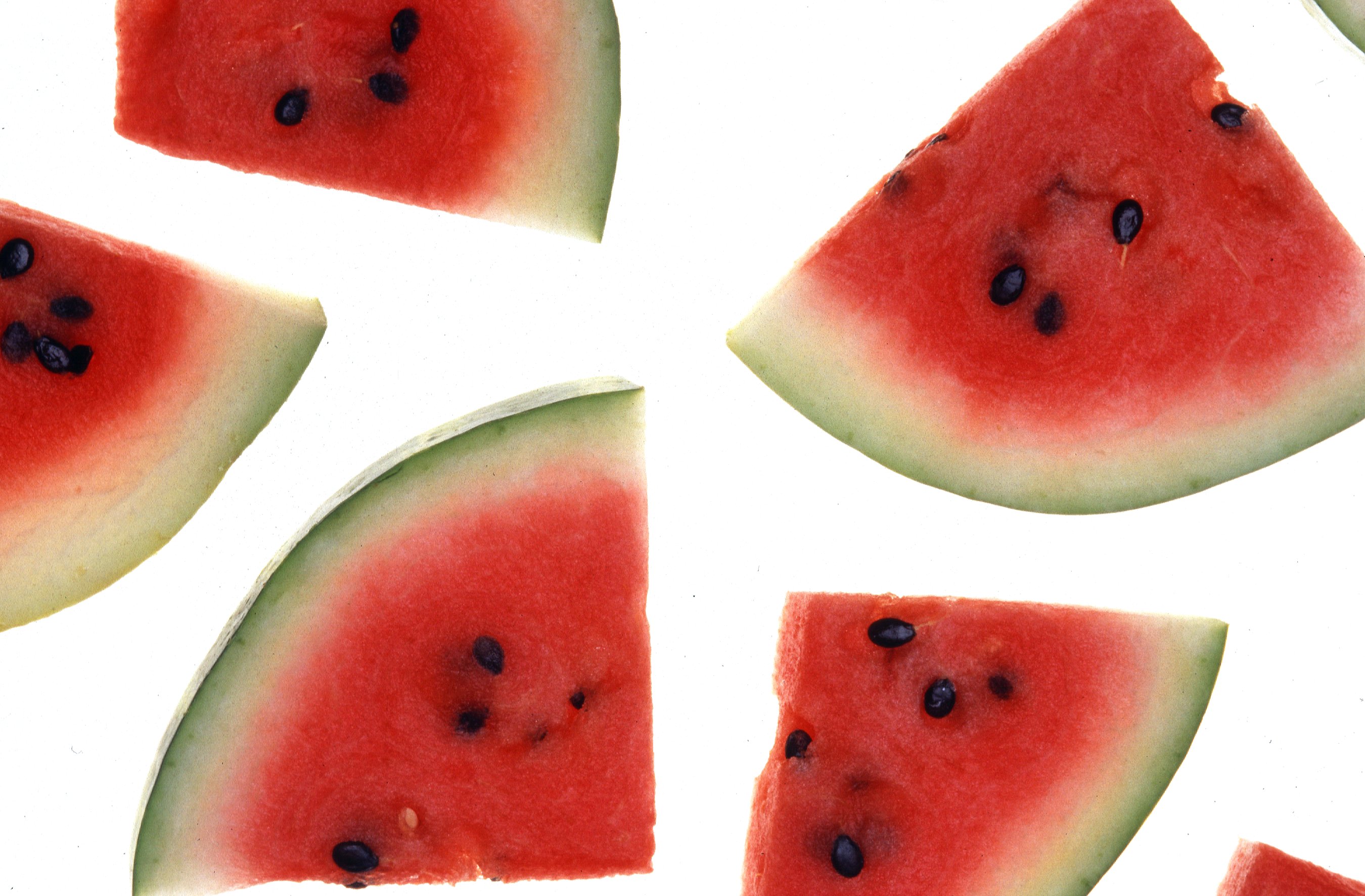
- Prepare the watermelon by removing the rind and cutting the red flesh into uniform cubes or rectangular “sashimi” blocks.
- In a large bowl, whisk together the soy sauce, sesame oil, rice vinegar, ginger, and garlic to create the marinade.
- Place the watermelon pieces into a resealable bag or a flat glass dish and pour the marinade over them. Ensure every piece is coated.
- Allow the mixture to marinate in the refrigerator for at least 4 hours, though overnight is preferable for maximum flavor penetration.
- Preheat your oven to 350 degrees Fahrenheit. Arrange the marinated cubes on a baking sheet lined with parchment paper.
- Bake for 60 to 90 minutes, turning halfway through. The goal is to dehydrate the fruit until it shrinks and becomes firm.
- Remove from the oven and let cool. Serve chilled or at room temperature.
Recipe Overview:
| Category | Details |
|---|---|
| Prep Time | 15 minutes (plus marinating) |
| Cooking Time | 90 minutes |
| Servings | 4 portions |
| Calories | Approximately 110 per serving |
Culinary Variations and Serving Suggestions
While the baked “tuna” method is the most popular, there are several other ways to enjoy the watermelon and soy sauce combination. For a quick snack, many chefs recommend a “raw” preparation. Thinly sliced watermelon can be brushed with a glaze of soy sauce, lime juice, and chili flakes. This creates a refreshing, spicy-sweet carpaccio that is excellent for summer gatherings. The contrast between the cold, hydrating fruit and the salty glaze provides an immediate palate cleanser.
In professional kitchens, you might find watermelon and soy sauce served as a “steak.” By cutting the watermelon into thick slabs and searing them in a hot cast-iron skillet after marinating, you develop a caramelized exterior. The sugars in the fruit and the soy sauce undergo the Maillard reaction, creating a smoky, charred crust that contrasts beautifully with the tender interior. This version is often served with avocado crema, pickled onions, and toasted sesame seeds to round out the meal.
Nutritional Benefits and Comparison
Choosing watermelon and soy sauce as a meat alternative offers several nutritional advantages. Watermelon is rich in lycopene, an antioxidant that supports heart health and skin protection. It is also naturally low in fat and cholesterol-free, making it a heart-healthy alternative to fatty fish. When compared to traditional tuna, the watermelon version is significantly lower in calories. A standard serving of tuna may contain 150-200 calories, whereas the watermelon equivalent stays closer to 100 calories even with the added oils in the marinade.
However, it is important to note the protein difference. Real tuna is a high-protein source, while watermelon provides very little protein. To make this a balanced meal, experts suggest serving the soy-marinated watermelon alongside protein-rich sides like edamame, quinoa, or tofu. This ensures you get the visual and textural satisfaction of a “meat” dish while maintaining a nutritionally complete plant-based diet.
Expert Tips for the Best Results
Working with fruit in a savory context requires a few professional touches to ensure the texture doesn’t become mushy. First, always use a seedless watermelon. The structural integrity of seedless varieties is generally higher, and you won’t have to deal with the distraction of hard seeds in your “tuna” blocks. Second, do not skip the dehydration step if you are aiming for a meat-like consistency. The oven time is what transforms the fruit from “snack” to “main component.”
Another insider secret involves the use of nori or seaweed. If you find the flavor of watermelon and soy sauce too “fruity,” adding crumbled nori to your marinade introduces a briny, oceanic scent that tricks the brain into thinking it is eating seafood. Finally, ensure your soy sauce is of high quality; a naturally brewed soy sauce will provide much more depth than a chemically processed one, which can sometimes taste overly metallic when concentrated through baking.
- Use a vacuum sealer for the marinating process to force the soy sauce deep into the watermelon fibers in half the time.
- After baking, let the watermelon rest in the fridge for 2 hours; this firms up the texture even further for a perfect “sushi” bite.
- Add a drop of liquid smoke to the marinade if you want to mimic the flavor of smoked lox or grilled fish.
Watermelon and soy sauce represent a fascinating intersection of chemistry and culinary creativity. By balancing the natural sweetness of the fruit with the salt and umami of the sauce, you can create a dish that is both surprising and deeply satisfying. Whether you choose to serve it raw as a refreshing appetizer or slow-roasted as a vegan seafood substitute, the key lies in the quality of your ingredients and the patience of your preparation. Give this unique pairing a try today and elevate your plant-based cooking repertoire to a professional level.
❓ Frequently Asked Questions
1
How long does watermelon and soy sauce last in fridge?
This savory snack is best enjoyed immediately to maintain its crisp texture. However, you can store marinated watermelon in an airtight container in the refrigerator for up to 24 hours. Note that the salt will draw out moisture, making the fruit softer and more intensely seasoned over time.

2
Can I make watermelon and soy sauce ahead of time?
You can certainly prepare this dish a bit in advance. For the best results, cube the fruit and mix the dressing earlier, but combine them only 30 to 60 minutes before serving. This allows the flavors to meld perfectly without compromising the refreshing, crunchy structure of the watermelon.
3
What can I substitute for soy sauce?
If you are looking for a soy-free alternative, coconut aminos provide a similar salty and slightly sweet flavor profile. Tamari is an excellent gluten-free option that keeps the deep umami taste. Alternatively, a high-quality balsamic glaze can offer a different but equally delicious savory contrast to the fruit.
4
How do I know when watermelon and soy sauce is done?
There is no actual cooking involved, so the dish is done once the watermelon has marinated for at least 15 to 30 minutes. You will notice the fruit taking on a slightly darker, glazed appearance as it absorbs the soy sauce, indicating that the umami flavors have penetrated.
5
Can I freeze watermelon and soy sauce?
Freezing marinated watermelon is not recommended because the high water content causes the fruit’s cell walls to collapse when thawed. This results in a mushy, unappealing texture that ruins the sashimi-like experience. For the best taste and mouthfeel, always enjoy this unique dish fresh and well-chilled from the fridge.