Best Fruits and Veggies to Juice: Ultimate Guide
Stepping into the world of home juicing can be a transformative experience for your health and your palate. Finding the best fruits and veggies to juice is the first step toward creating vibrant, nutrient-dense beverages that rival any high-end juice bar. Whether you are looking to boost your morning energy, improve your skin clarity, or simply find a delicious way to consume more produce, the right ingredients make all the difference. This guide explores the top-tier selections for your juicer, balancing flavor profiles with nutritional density to ensure every glass is as delicious as it is beneficial. You will discover which produce offers the highest juice yield and how to pair them for maximum impact.
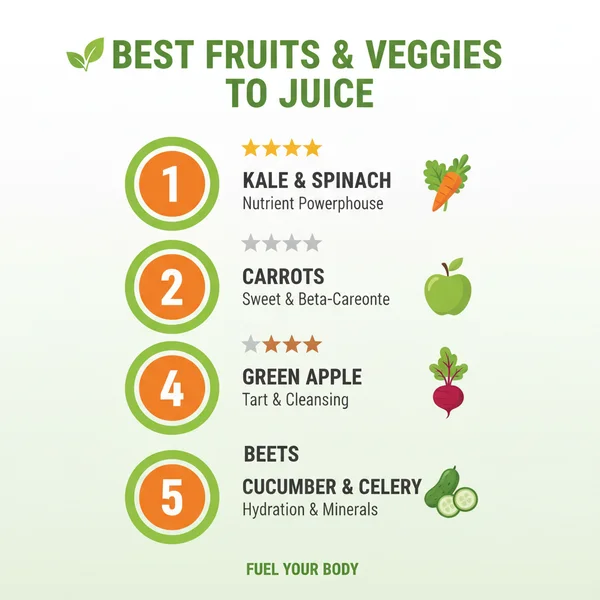
- Apples: The Versatile Sweetener
- Cucumbers: The Ultimate Hydrator
- Carrots: For Earthy Sweetness and Beta-Carotene
- Celery: The Electrolyte Powerhouse
- Beets: For Stamina and Deep Color
- Ginger: The Zesty Digestive Aid
- Spinach: The Mild Green Superfood
- Lemons and Limes: The Essential Balancers
- Pineapple: The Tropical Anti-Inflammatory
- Kale: The Nutrient-Dense Heavyweight
The Complete List of Best Fruits and Veggies to Juice
#1: Apples
Apples are widely considered one of the best fruits and veggies to juice because they act as a universal base for almost any recipe. Their high water content ensures a generous yield, while their natural sweetness masks the bitterness of heavier greens like kale or chard. When juicing apples, you benefit from a dose of vitamin C and various antioxidants. For a truly refreshing experience, try juicing Granny Smith apples for a tart kick or Gala apples for a mellower flavor. Many enthusiasts find that adding an apple helps bridge the gap between a medicinal-tasting green juice and a beverage they actually look forward to drinking. If you prefer a chilled drink, keep your apples in the refrigerator before processing them to ensure the juice is cold immediately upon extraction.
#2: Cucumbers
Cucumbers are a staple in the juicing community due to their incredibly high water content, making them exceptionally hydrating. They have a very mild, neutral flavor that allows other ingredients to shine while providing a cooling sensation that is perfect for hot summer days. Beyond hydration, cucumbers provide silica, which is excellent for skin health. Because they are mostly water, they produce a high volume of juice for a relatively low cost. To elevate the presentation, you can use a thin slice of cucumber as a garnish on the rim of your glass. If you find yourself without a dedicated juicer, cucumbers are also soft enough to be processed in a high-speed blender and سپس strained through a nut milk bag for a similar result.
#3: Carrots
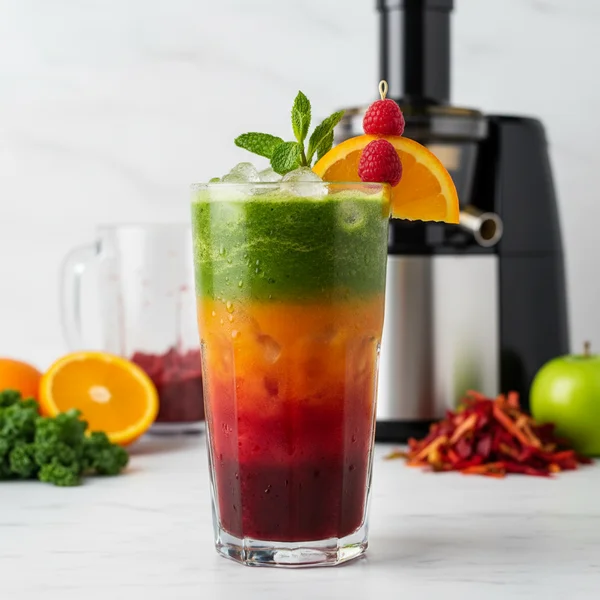
Carrots are a classic choice for those who enjoy an earthy yet sweet flavor profile. They are packed with beta-carotene, which the body converts into vitamin A, supporting eye health and immune function. Carrots pair exceptionally well with ginger and citrus, creating a vibrant orange juice that is visually stunning. Their density means they provide a good amount of juice, and the leftover pulp can even be used in baking. For the best flavor, look for firm, bright carrots. If you are serving your carrot juice to guests, pouring it over ice helps maintain its crisp texture and prevents the natural sugars from feeling too heavy on the palate. It is a foundational ingredient for anyone exploring the best fruits and veggies to juice.
#4: Celery
Celery has seen a massive surge in popularity as a standalone juice, but it is also a fantastic component of mixed blends. It is naturally high in sodium and potassium, making it a wonderful post-workout hydrating beverage. Celery provides a salty, savory undertone that balances out the sweetness of fruits like apples or pears. While some find the flavor of pure celery juice intense, it becomes quite pleasant when diluted with cucumber or sweetened with a touch of citrus. When juicing celery, ensure you wash the stalks thoroughly to remove any dirt or grit trapped in the ribs. For those who enjoy a refreshing morning routine, a glass of chilled celery juice can be a great way to wake up the digestive system.
#5: Beets
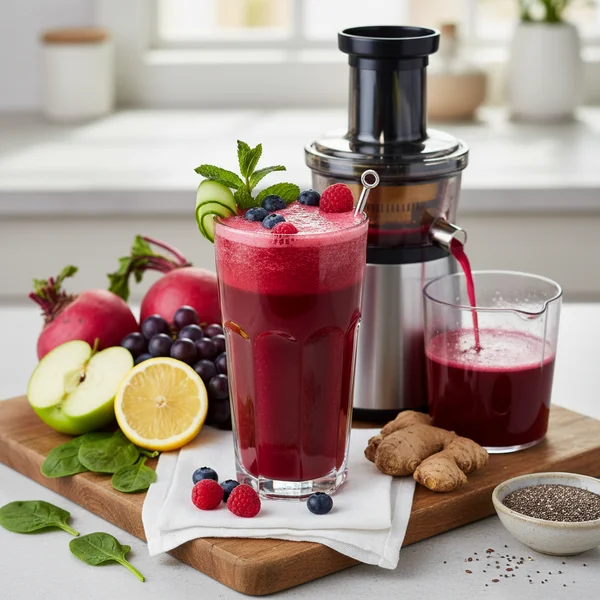
Beets are the “superstars” of the vegetable world when it comes to color and stamina. Known for their ability to improve blood flow and lower blood pressure, beets provide a deep, earthy sweetness that is unmistakable. A little goes a long way with beets; even half a bulb can turn an entire liter of juice a brilliant crimson. They pair beautifully with lemon and ginger to cut through their heavy, grounded flavor. If you find the taste of fresh beets too strong, try using frozen beet chunks in a blender-based smoothie or juicing them alongside high-water-content veggies. Be careful when handling them, as their juice can easily stain countertops and hands, but the nutritional payoff is well worth the extra cleanup.
#6: Ginger
While technically a root, ginger is an essential addition to any list of the best fruits and veggies to juice. It adds a spicy “zing” that can settle an upset stomach and provide anti-inflammatory benefits. Just an inch of ginger can transform a bland juice into something sophisticated and energizing. It works as a natural preservative, helping the juice stay refreshing for a bit longer. Ginger is particularly effective when combined with carrots, apples, or lemons. If you like a kick, leave the skin on for a more intense flavor, or peel it for a smoother finish. Using ginger is a pro-tip for making chilled juices feel more vibrant and “alive” during the winter months or when you feel a cold coming on.
#7: Spinach
Spinach is the perfect “entry-level” green for juicing because it has a very mild flavor compared to kale or mustard greens. It is rich in iron, calcium, and vitamins A and C. Because the leaves are thin, you need a fair amount of spinach to get a significant volume of juice, but it blends seamlessly into fruit-heavy recipes without altering the taste significantly. It is an excellent way to get your greens if you aren’t a fan of salads. When using a blender to make green drinks, spinach incorporates much more easily than fibrous greens, resulting in a smoother texture. For a refreshing twist, mix spinach with pineapple and mint for a tropical green juice that feels like a treat rather than a chore.
#8: Lemons and Limes
Citrus fruits like lemons and limes are the “secret sauce” of the juicing world. They provide the necessary acidity to balance out earthy vegetables and sweet fruits. A squeeze of lemon can brighten up a dull juice and help slow down the oxidation process, keeping your juice looking fresh for longer. They are incredibly hydrating and provide a massive hit of vitamin C. Many people prefer to peel the citrus before juicing to avoid the bitter oils in the skin, though a small amount of zest can add a wonderful aroma. For a fancy touch, use a spiral of lemon peel as a garnish. If you are making a large batch, adding lemon ensures the flavor remains refreshing even after a few hours in the fridge.
#9: Pineapple
Pineapple is a tropical powerhouse that brings a sweet, tangy flavor and a wealth of bromelain, an enzyme that aids digestion. It is one of the best fruits and veggies to juice when you want a drink that feels indulgent. Pineapple juice is thick and frothy, which gives the juice a great “mouthfeel.” If you have frozen pineapple chunks, you can pulse them in a blender with a bit of coconut water for a hydrating slushie, or run fresh spears through your juicer for a pure nectar. To keep it refreshing and not overly sugary, balance the pineapple with plenty of cucumber or kale. Serving it over ice with a sprig of mint makes for a perfect afternoon pick-me-up.
#10: Kale
Kale is the ultimate nutrient-dense vegetable for those who want to maximize their vitamin intake. While it has a strong “green” flavor, it is packed with vitamins K, A, and C, as well as fiber and antioxidants. Because kale is quite fibrous, it is best used in a masticating juicer to get the most liquid out of the leaves. If you find the flavor too intense, pairing it with lemon and apple can make it much more palatable. Kale is a favorite for those focused on detoxifying and building a strong immune system. When the juice is served chilled, the bitterness of the kale is significantly reduced, making it a refreshing option for seasoned juicers looking for a serious health boost.
How to Choose the Best Produce for Juicing
Selecting the best fruits and veggies to juice requires a balance between freshness, juice yield, and nutritional goals. Always look for produce that is firm and heavy for its size; this usually indicates a high water content, which is essential for a good juice yield. Organic options are often preferred for juicing because you are consuming a concentrated form of the produce, and you want to minimize exposure to pesticides, especially for items where you juice the skin, like cucumbers or apples.

Consider the “rainbow” rule: choosing a variety of colors ensures you are getting a broad spectrum of phytonutrients. If you are new to juicing, start with a ratio of 80% vegetables to 20% fruit to keep the sugar content manageable while still enjoying a palatable flavor. Seasonality also plays a huge role; produce in its peak season will be more flavorful and often more affordable. Finally, don’t forget the importance of temperature. Produce that has been chilled in the refrigerator before juicing will result in a much more refreshing drink that doesn’t require as much ice, which can dilute the nutrients and flavor.
- Temperature Control: Always juice chilled produce to keep the enzymes alive and the taste refreshing.
- Pulp Management: If you find your juice too thin, use a blender to mix back in a tablespoon of the pulp for extra fiber.
- Storage: If you have leftover juice, store it in an airtight glass jar with a frozen grape or two to keep it cold without diluting it.
- Presentation: Never underestimate a good garnish; a simple sprig of mint or a slice of lime makes the experience feel like a luxury.
Conclusion
Finding the best fruits and veggies to juice is a journey of personal preference and health exploration. By starting with staples like apples, cucumbers, and carrots, you can build a solid foundation of flavors that are both hydrating and refreshing. Don’t be afraid to experiment with bolder choices like beets or kale once you become comfortable with your juicer or blender. Whether you prefer your drink served over ice or straight from a chilled glass, the key is consistency. Try the “Green Goddess” (spinach, cucumber, apple, and lemon) first—it’s the perfect introduction to the vibrant world of juicing!
❓ Frequently Asked Questions
1
How long does fresh juice last in the fridge?
Freshly made juice is best consumed immediately but can be stored in an airtight glass container for up to 48 hours. To preserve freshness, fill the container to the very top to minimize oxidation and keep it chilled at all times before enjoying your refreshing drink.
2
Can I use a blender instead of a juicer?
Yes, you can use a high-powered blender to make juice. Simply blend your fruits and vegetables with a little water or ice, then strain the mixture through a nut milk bag or fine-mesh sieve to remove the pulp for a smooth and delicious hydrating beverage experience.
3
What are the most hydrating vegetables for juicing?
Cucumbers and celery are the most hydrating vegetables due to their high water content. They provide a mild, neutral base that pairs perfectly with sweeter fruits like apples, making your juice incredibly refreshing while replenishing essential electrolytes and fluids throughout the day for better health.
4
How do I make my green juice taste better?
If your green juice is too earthy or bitter, try adding a green apple, a squeeze of lemon, or a small piece of ginger. These ingredients balance the heavy flavors of kale or spinach, creating a more delicious and palatable drink that remains packed with nutrients.
5
Can I freeze fresh juice for later?
You can freeze fresh juice in airtight containers or ice cube trays for up to three months. While some nutrients may degrade slightly over time, it remains a healthy option. Thaw it in the refrigerator overnight and give it a good shake before consuming for best results.